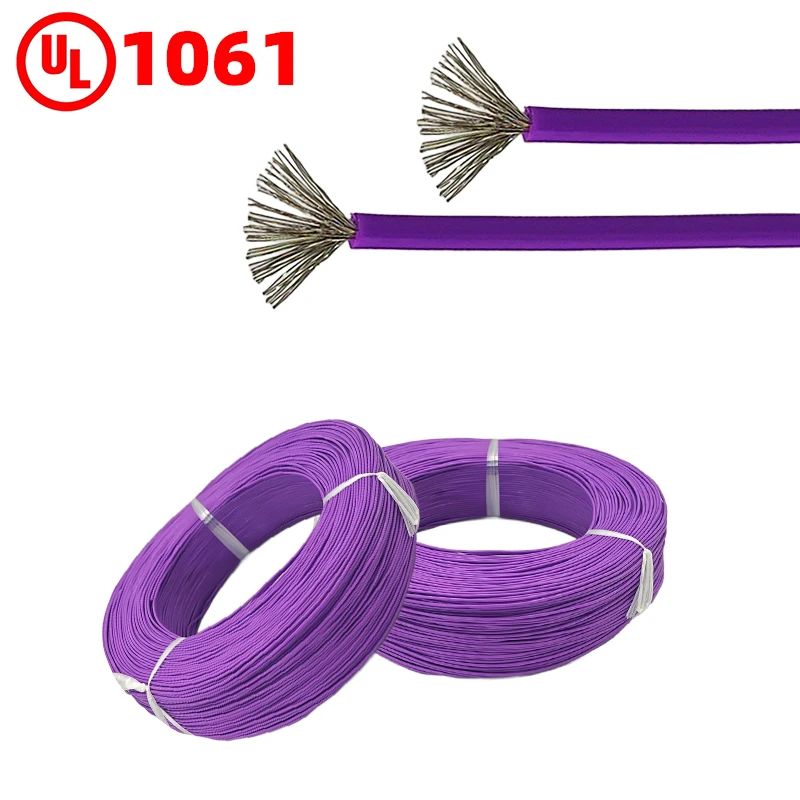
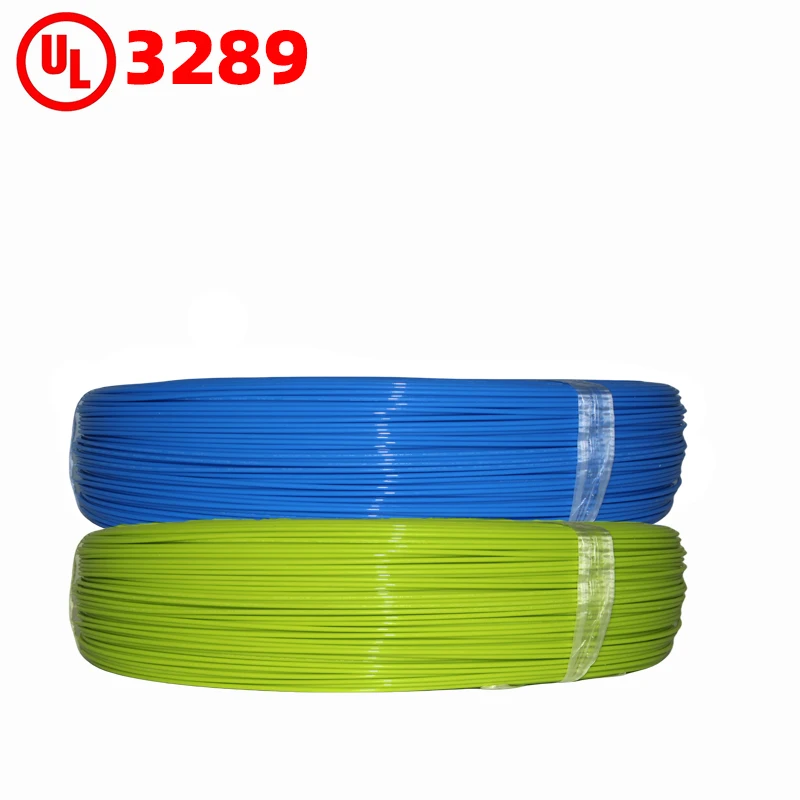
High Voltage Cable Wire Solutions - Advanced Power Transmission Technology

Get a Free Quote

Our representative will contact you soon.
Email
Name
Company Name
Message
0/1000

high voltage cable wire

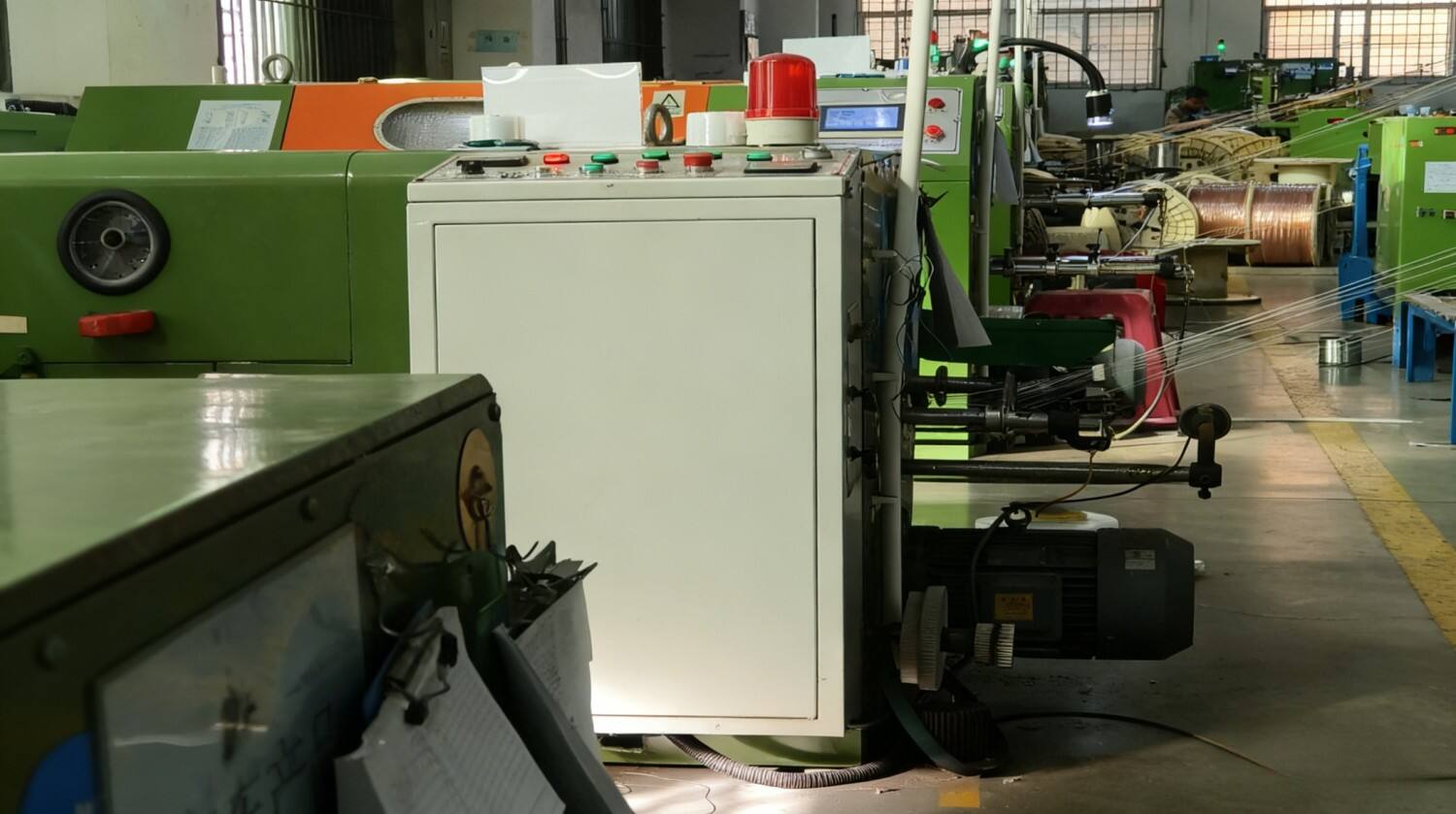
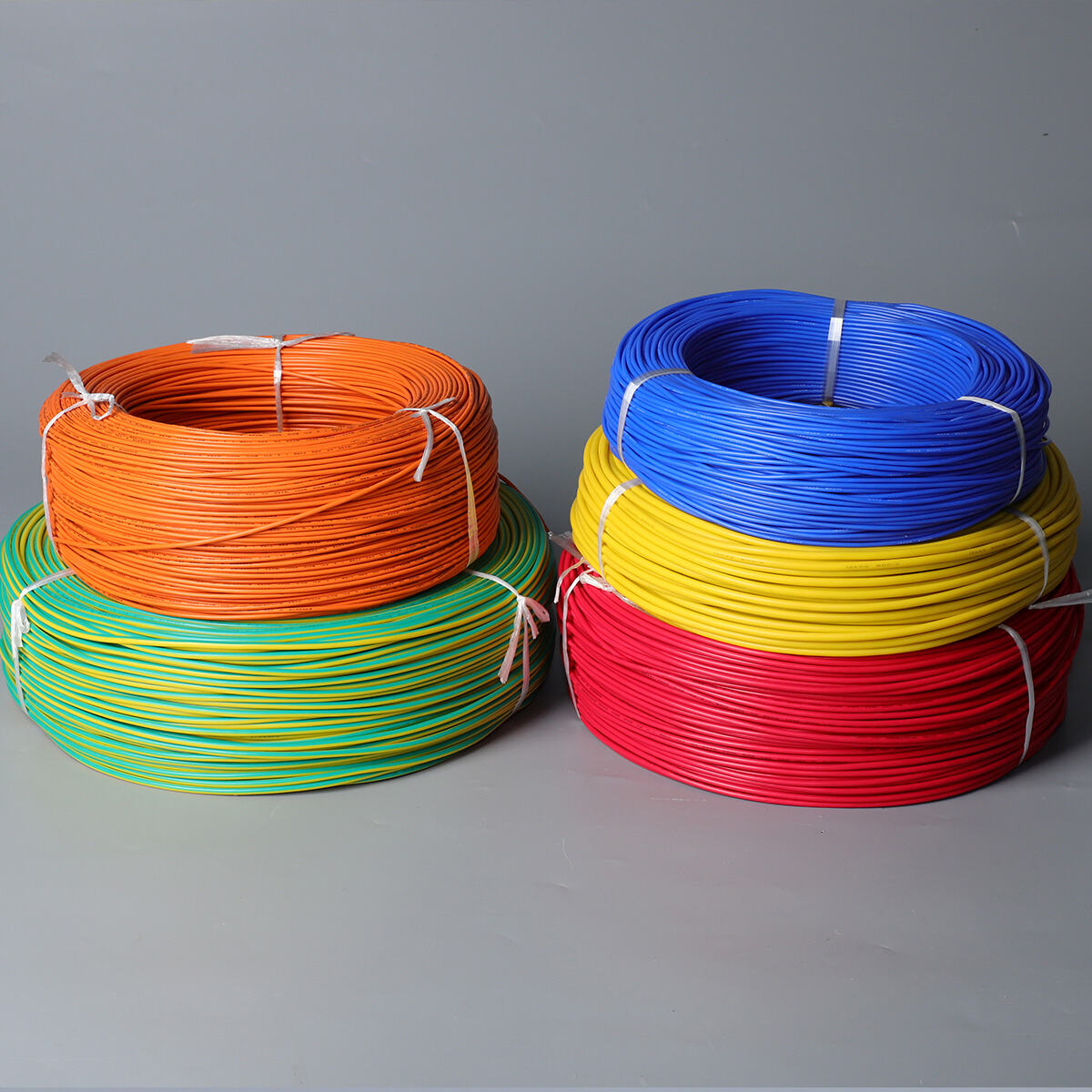
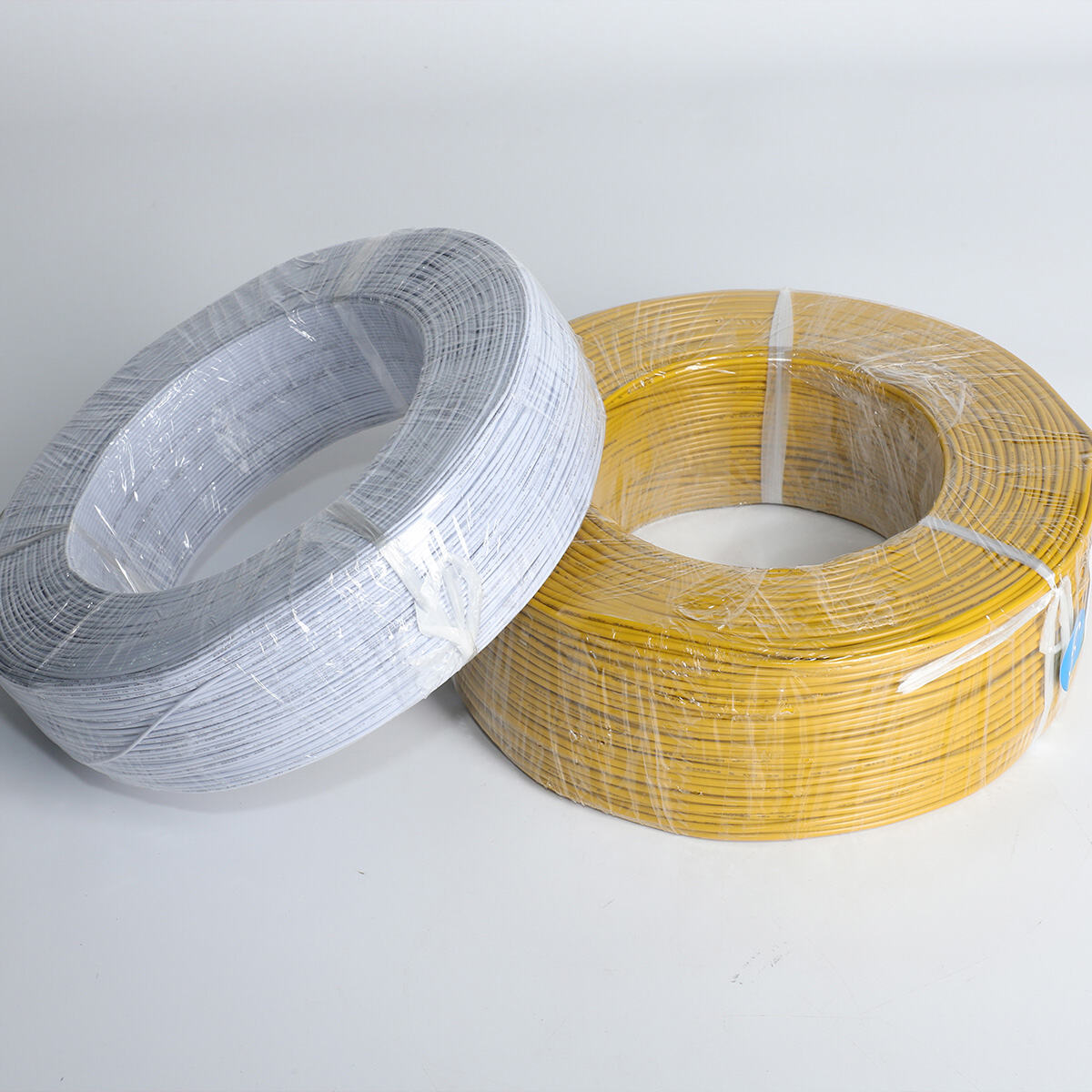
High voltage cable wire represents a critical infrastructure component designed to transmit electrical power at voltages exceeding 35,000 volts across extensive distances. These specialized cables form the backbone of modern power distribution systems, connecting generation facilities to substations and ultimately delivering electricity to end users. The high voltage cable wire incorporates advanced insulation materials, typically cross-linked polyethylene or ethylene propylene rubber, which provide exceptional dielectric strength and thermal resistance. The conductor core, usually made from aluminum or copper strands, ensures optimal conductivity while maintaining mechanical flexibility. These cables feature multiple protective layers including semiconductive screens, metallic shields, and outer jackets that safeguard against environmental factors such as moisture, UV radiation, and physical damage. Modern high voltage cable wire systems utilize sophisticated manufacturing processes that eliminate voids and contaminants within the insulation, significantly reducing the risk of partial discharge and extending operational lifespan. The cable design incorporates grading systems that control electric field distribution, preventing stress concentrations that could lead to premature failure. Installation techniques for high voltage cable wire have evolved to include underground burial, submarine laying, and overhead transmission configurations, each requiring specific design modifications. Quality control measures throughout production ensure consistent performance characteristics, with rigorous testing protocols verifying electrical properties, mechanical strength, and environmental resistance. The high voltage cable wire technology continues advancing through innovations in materials science, with developments in superconducting materials and enhanced polymer formulations promising even greater efficiency and reliability. These cables must comply with international standards such as IEC, IEEE, and ASTM specifications, ensuring compatibility and safety across global power networks. The economic impact of reliable high voltage cable wire systems extends beyond mere electricity transmission, supporting industrial development, urban growth, and technological advancement in modern society.

New Products

High voltage cable wire systems deliver exceptional performance benefits that directly translate into cost savings and operational efficiency for power utilities and industrial facilities. The primary advantage lies in their ability to transmit large amounts of electrical power over significant distances with minimal losses, achieving efficiency rates exceeding 95 percent in optimal conditions. This superior efficiency reduces energy waste and lowers operational costs compared to alternative transmission methods. The robust construction of high voltage cable wire provides remarkable durability, with service lives often extending 30 to 50 years under proper maintenance conditions. This longevity represents substantial long-term value, reducing replacement frequency and associated installation costs. Modern high voltage cable wire designs incorporate advanced insulation technologies that virtually eliminate electrical faults, providing reliability rates above 99.9 percent for critical power transmission applications. The underground installation capability of these cables offers significant advantages over overhead lines, including reduced visual pollution, decreased maintenance requirements, and enhanced protection against weather-related outages. Environmental benefits include lower electromagnetic field exposure compared to overhead transmission systems and reduced impact on wildlife migration patterns. The compact design of high voltage cable wire systems requires minimal right-of-way space, making them ideal for urban environments where land costs are premium. Installation flexibility allows routing around obstacles and through challenging terrain that would be prohibitive for overhead transmission lines. The high voltage cable wire technology supports smart grid integration through compatibility with advanced monitoring systems that provide real-time performance data and predictive maintenance capabilities. Safety features built into modern high voltage cable wire systems include automatic fault detection, rapid isolation capabilities, and reduced fire risk compared to overhead alternatives. The standardized manufacturing processes ensure consistent quality and performance characteristics, enabling reliable system planning and reduced inventory requirements. Maintenance costs remain significantly lower than overhead systems due to reduced exposure to environmental factors and decreased accessibility requirements. The high voltage cable wire investment provides excellent return on investment through reduced energy losses, lower maintenance expenses, and improved system reliability that prevents costly outages and service interruptions.

Practical Tips

Highly Flexible Wires & Cables: Superior Performance, Custom Solutions for Efficient Industrial Operations

21

Nov

Highly Flexible Wires & Cables: Superior Performance, Custom Solutions for Efficient Industrial Operations

View More
Efficient Custom Cable Assembly Solutions to Meet All Your Needs

21

Nov

Efficient Custom Cable Assembly Solutions to Meet All Your Needs

View More
Tailored Solutions: Enhancing Automotive Performance with Customized Wiring Harnesses

21

Nov

Tailored Solutions: Enhancing Automotive Performance with Customized Wiring Harnesses

View More

Get a Free Quote

Our representative will contact you soon.
Email
Name
Company Name
Message
0/1000

high voltage cable wire

Superior Insulation Technology and Electrical Performance

Superior Insulation Technology and Electrical Performance

The advanced insulation system in high voltage cable wire represents a breakthrough in electrical engineering that delivers unmatched performance and reliability for critical power transmission applications. The multi-layer insulation design incorporates cross-linked polyethylene or ethylene propylene rubber materials that provide exceptional dielectric strength, typically exceeding 30 kV per millimeter thickness. This superior insulation capability allows the high voltage cable wire to operate safely at voltages up to 500 kV while maintaining electrical integrity under extreme conditions. The insulation system includes semiconductive screens that provide uniform electric field distribution, eliminating stress concentrations that cause premature aging and failure in conventional cable designs. Manufacturing processes utilize specialized extrusion techniques that create void-free insulation layers, preventing partial discharge phenomena that degrade cable performance over time. The insulation materials demonstrate excellent thermal stability, maintaining properties at operating temperatures up to 90 degrees Celsius for extended periods without degradation. Chemical resistance properties protect against environmental contaminants, oils, and moisture that could compromise electrical performance. The high voltage cable wire insulation system undergoes rigorous quality testing including impulse voltage tests, AC withstand tests, and partial discharge measurements that verify performance compliance with international standards. Advanced aging resistance ensures consistent electrical properties throughout the cable's operational lifetime, typically 30 to 50 years under normal service conditions. The insulation design incorporates stress control elements at cable terminations and joints, maintaining uniform electric field distribution throughout the entire cable system. Temperature cycling resistance allows the high voltage cable wire to operate reliably under varying load conditions without insulation degradation. The low dielectric losses in the insulation system contribute to overall transmission efficiency, reducing energy waste and operational costs for power utilities and industrial users.
Robust Mechanical Construction and Environmental Protection

Robust Mechanical Construction and Environmental Protection

The mechanical design and construction of high voltage cable wire systems provide exceptional durability and environmental protection that ensures reliable operation in challenging conditions across diverse geographical locations and climatic zones. The conductor design utilizes stranded aluminum or copper construction that provides optimal balance between electrical conductivity and mechanical flexibility, allowing installation in complex routing configurations without compromising performance. The high voltage cable wire incorporates multiple protective layers including metallic shields, typically copper or aluminum tapes, that provide electromagnetic interference protection and fault current carrying capability during abnormal operating conditions. The outer jacket materials, usually polyethylene or PVC compounds, resist UV radiation, ozone exposure, and chemical attack from soil conditions or industrial environments. Mechanical protection extends to impact resistance, crush resistance, and tensile strength characteristics that exceed standard cable requirements by significant margins. The high voltage cable wire design accommodates thermal expansion and contraction cycles through flexible construction that prevents stress buildup during temperature variations. Moisture protection systems include longitudinal water blocking compounds and radial water barriers that prevent water ingress even under hydrostatic pressure conditions. The cable construction withstands installation stresses including pulling forces, bending radii, and compression loads encountered during underground placement or submarine installation. Fire resistance properties meet stringent safety standards, with flame retardant materials and low smoke emission characteristics that enhance safety in populated areas. The high voltage cable wire demonstrates excellent resistance to rodent damage, root penetration, and corrosion from soil chemicals that commonly affect underground infrastructure. Seismic resistance capabilities allow operation in earthquake-prone regions without compromising system integrity or electrical performance. The robust construction enables operation in extreme temperature ranges from -40 to +85 degrees Celsius, supporting installations in arctic conditions and desert environments. Quality control during manufacturing includes mechanical testing, environmental exposure testing, and long-term aging studies that validate performance expectations under real-world operating conditions.
Advanced Installation Versatility and System Integration

Advanced Installation Versatility and System Integration

The installation versatility and system integration capabilities of high voltage cable wire technology provide unprecedented flexibility for power system designers and operators seeking optimal solutions for complex transmission challenges in modern electrical infrastructure projects. The high voltage cable wire supports multiple installation methods including direct burial, conduit installation, tunnel placement, and submarine laying, allowing adaptation to specific project requirements and environmental constraints. Underground installation eliminates visual impact concerns while providing superior protection against weather events, vandalism, and accidental damage that frequently affect overhead transmission systems. The compact cross-sectional area of high voltage cable wire systems reduces right-of-way requirements by up to 90 percent compared to equivalent overhead transmission lines, enabling installation in urban corridors and environmentally sensitive areas where overhead construction is prohibited. Installation techniques accommodate challenging terrain including river crossings, mountain passages, and congested urban environments through specialized boring and trenching methods. The high voltage cable wire design supports direct burial installation without additional protective structures, reducing project costs and construction timelines compared to alternative transmission methods. Splice and termination technologies enable unlimited cable lengths through field-installed joints that maintain full electrical and mechanical performance characteristics of the continuous cable. The system integration capabilities include compatibility with existing substation equipment, protection systems, and monitoring infrastructure without requiring major modifications or upgrades. Smart grid integration features support real-time monitoring, remote diagnostics, and predictive maintenance through embedded sensor technologies and communication capabilities. The high voltage cable wire installation process utilizes specialized equipment and techniques that minimize disruption to existing infrastructure, traffic patterns, and community activities during construction phases. Modular design principles allow phased installation and system expansion to accommodate load growth and changing transmission requirements over the cable's operational lifetime. Environmental compliance during installation includes measures for habitat protection, soil remediation, and restoration that meet or exceed regulatory requirements. The installation versatility extends to retrofit applications where existing overhead lines require conversion to underground systems, providing seamless integration with minimal service interruption for critical power customers and industrial facilities requiring continuous electrical supply.

Get a Free Quote

Our representative will contact you soon.
Email
Name
Company Name
Message
0/1000