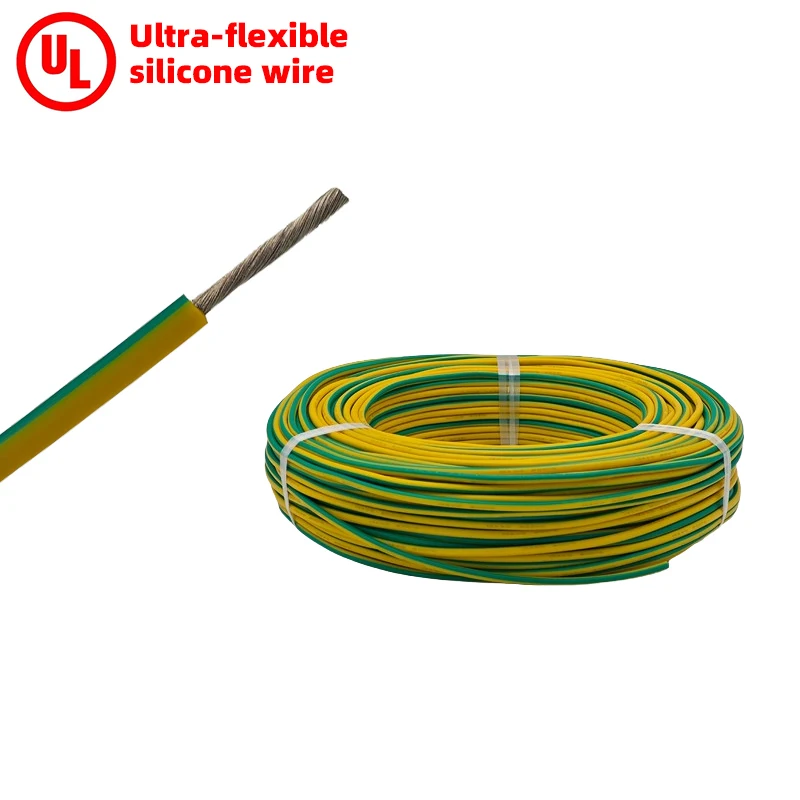
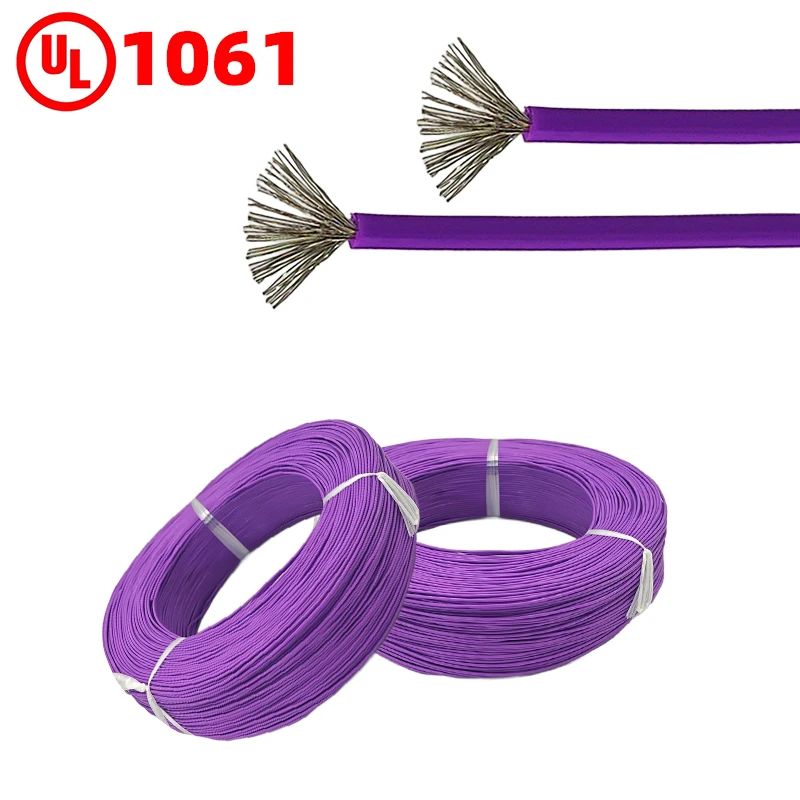
residential electrical cable
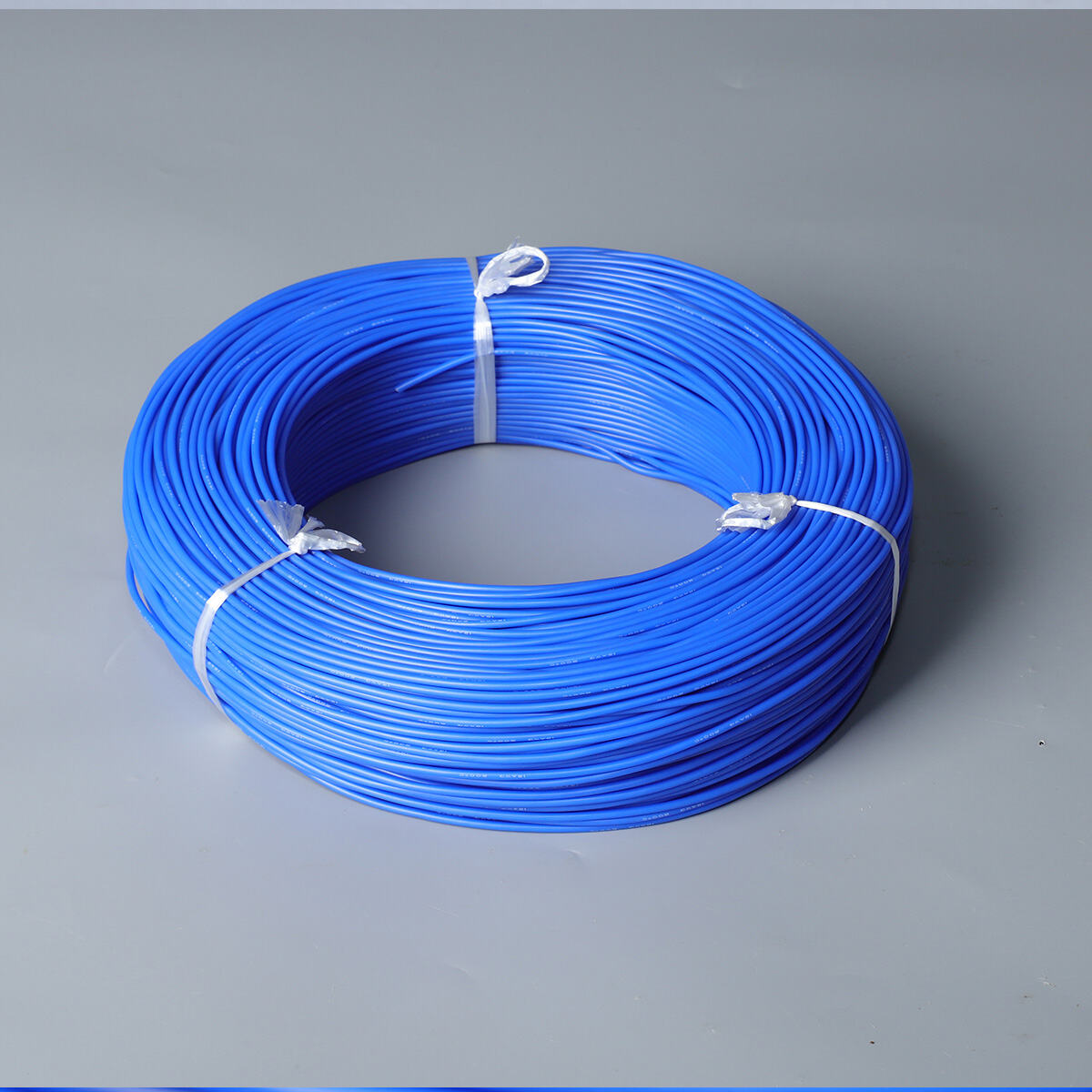
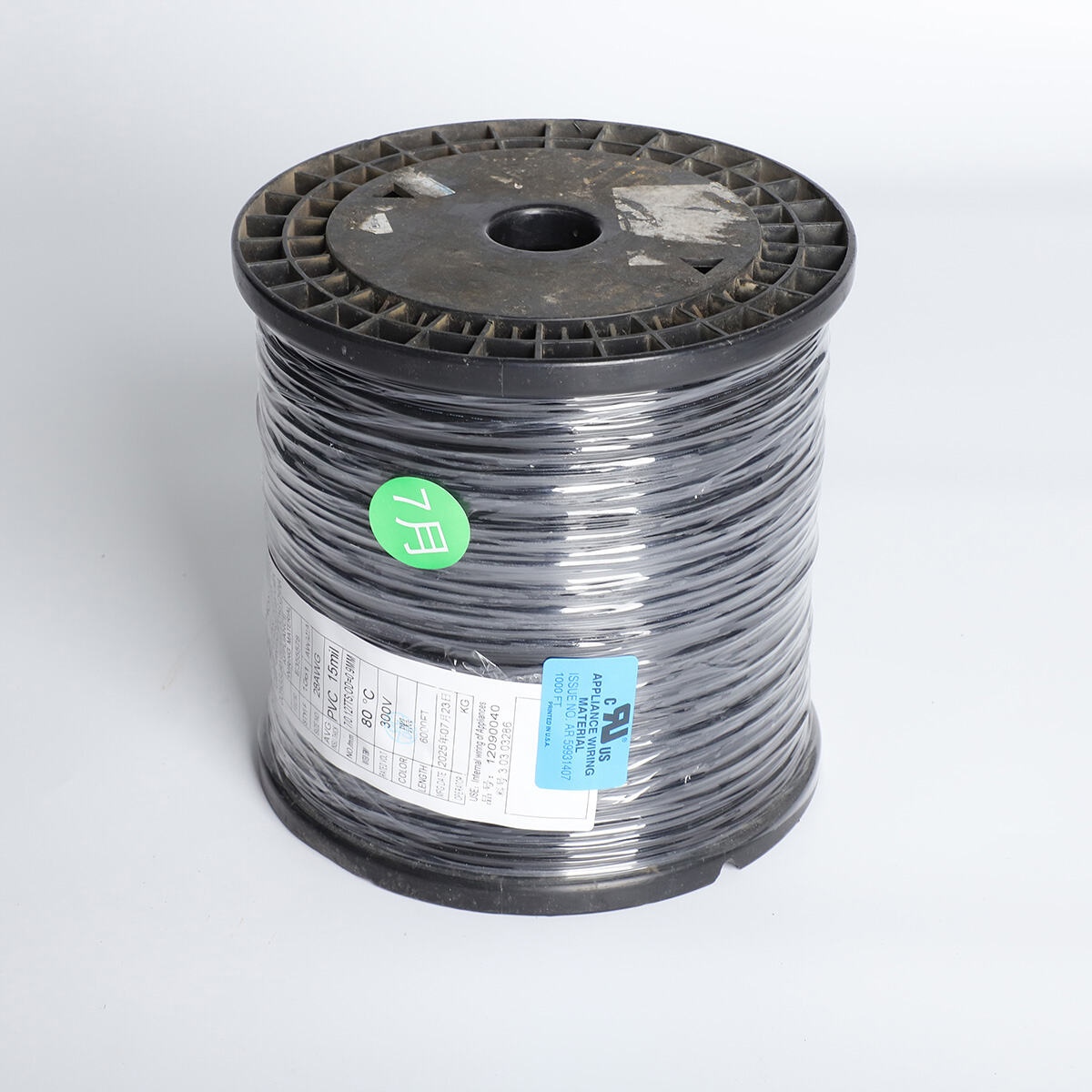
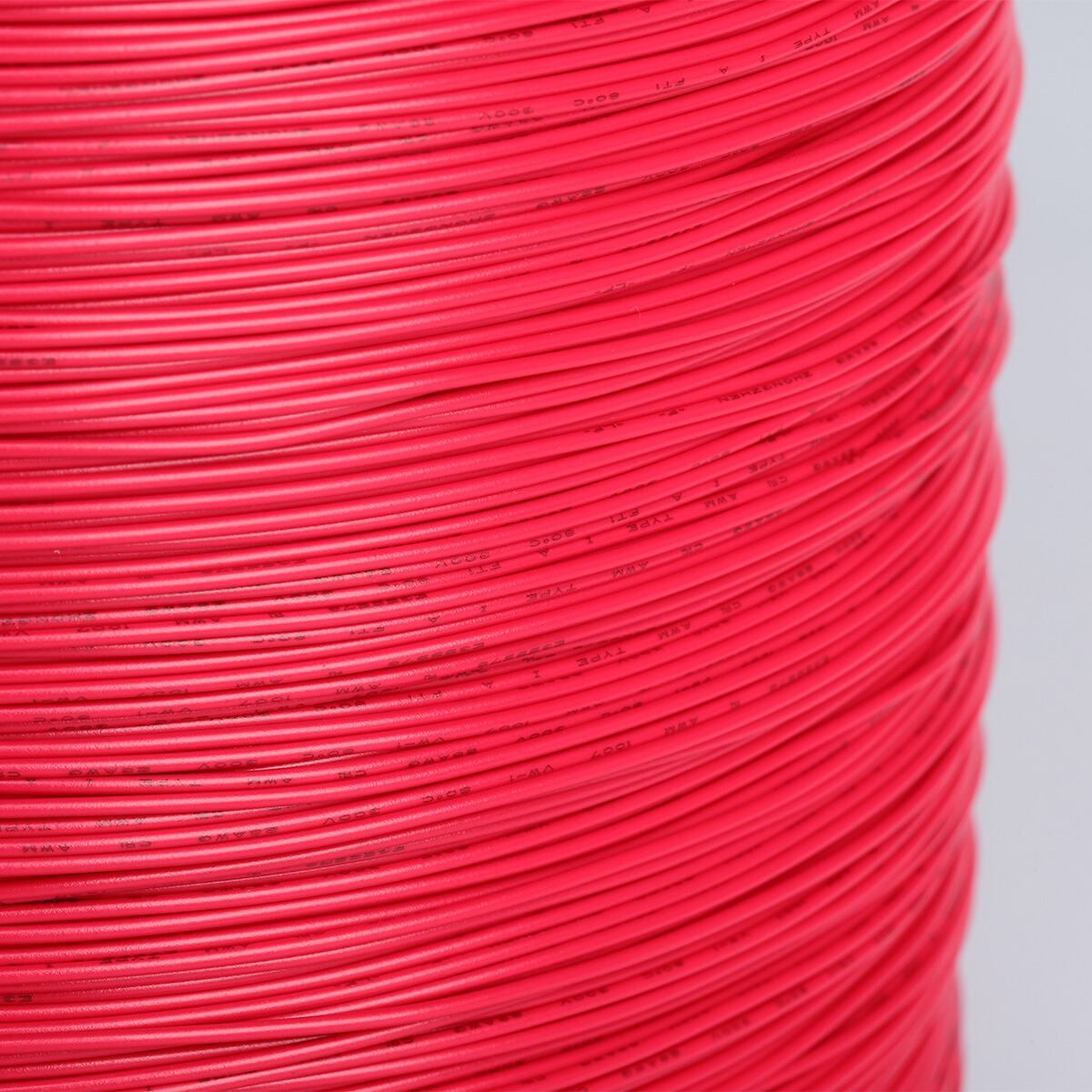
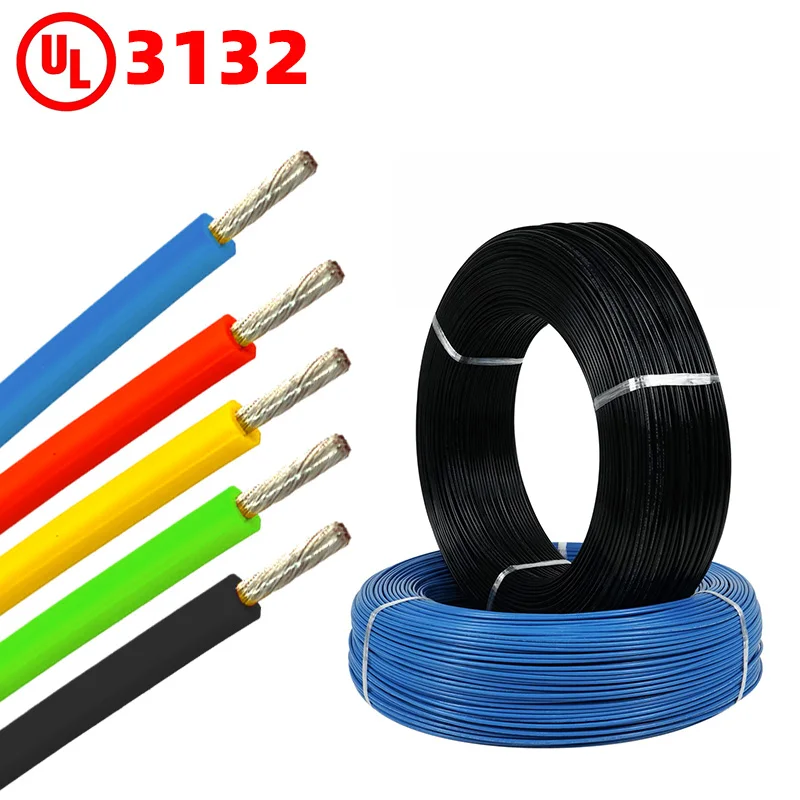
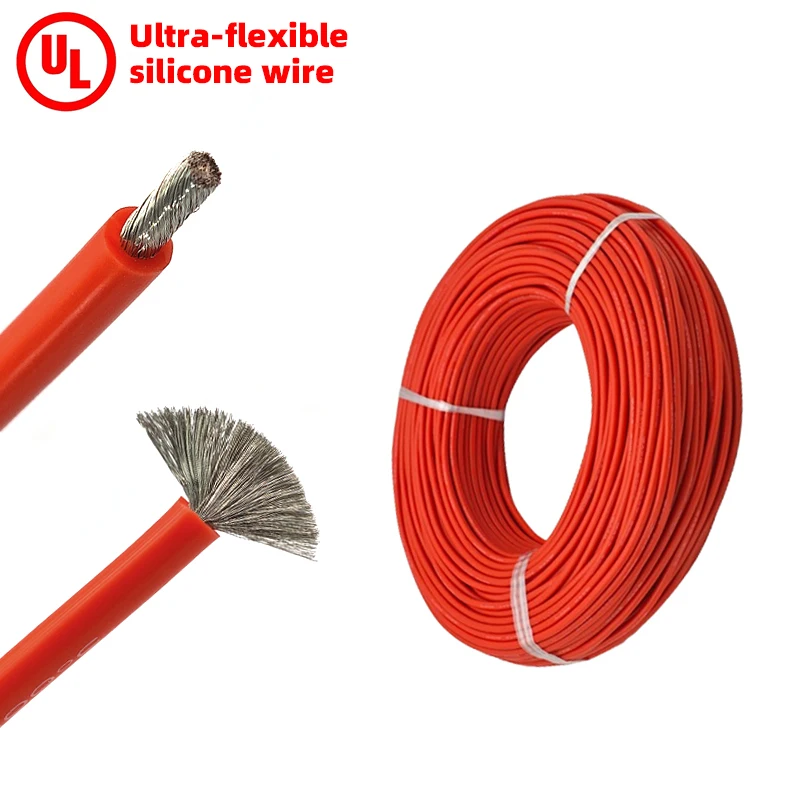
Residential electrical cable serves as the fundamental backbone of home electrical systems, delivering power safely and efficiently throughout living spaces. This essential component connects electrical panels to outlets, switches, lighting fixtures, and appliances, ensuring reliable electricity distribution across every room. Modern residential electrical cable consists of insulated copper or aluminum conductors encased in protective sheathing materials designed to withstand environmental factors and prevent electrical hazards. The primary function involves transmitting electrical current from the main service panel to various endpoints while maintaining circuit integrity and safety standards. Technological features include multiple conductor configurations, with common types being 12 AWG and 14 AWG wire gauges that accommodate different amperage requirements. Advanced insulation materials like cross-linked polyethylene and thermoplastic compounds provide superior heat resistance and durability. Many residential electrical cables incorporate ground wires for enhanced safety, creating complete circuits that protect against electrical faults. Color-coded insulation systems help electricians identify hot, neutral, and ground conductors during installation and maintenance. Applications span entire residential structures, from basic lighting circuits to heavy-duty appliance connections. Kitchen installations require dedicated circuits for refrigerators, dishwashers, and microwave ovens, while bathroom circuits must meet specific GFCI protection requirements. Basement and garage applications often demand moisture-resistant cable types to handle humid conditions. Outdoor lighting and landscape installations utilize specialized weather-resistant residential electrical cable variants. Smart home integrations increasingly rely on structured cabling systems that support automation devices, security systems, and entertainment networks. Code compliance ensures installations meet National Electrical Code standards, guaranteeing safe operation and insurance coverage. Professional installation by licensed electricians ensures proper routing, secure connections, and adequate circuit protection, maximizing system longevity and performance while minimizing fire risks and electrical hazards.
 EN
EN