Superior Chemical and Environmental Resistance
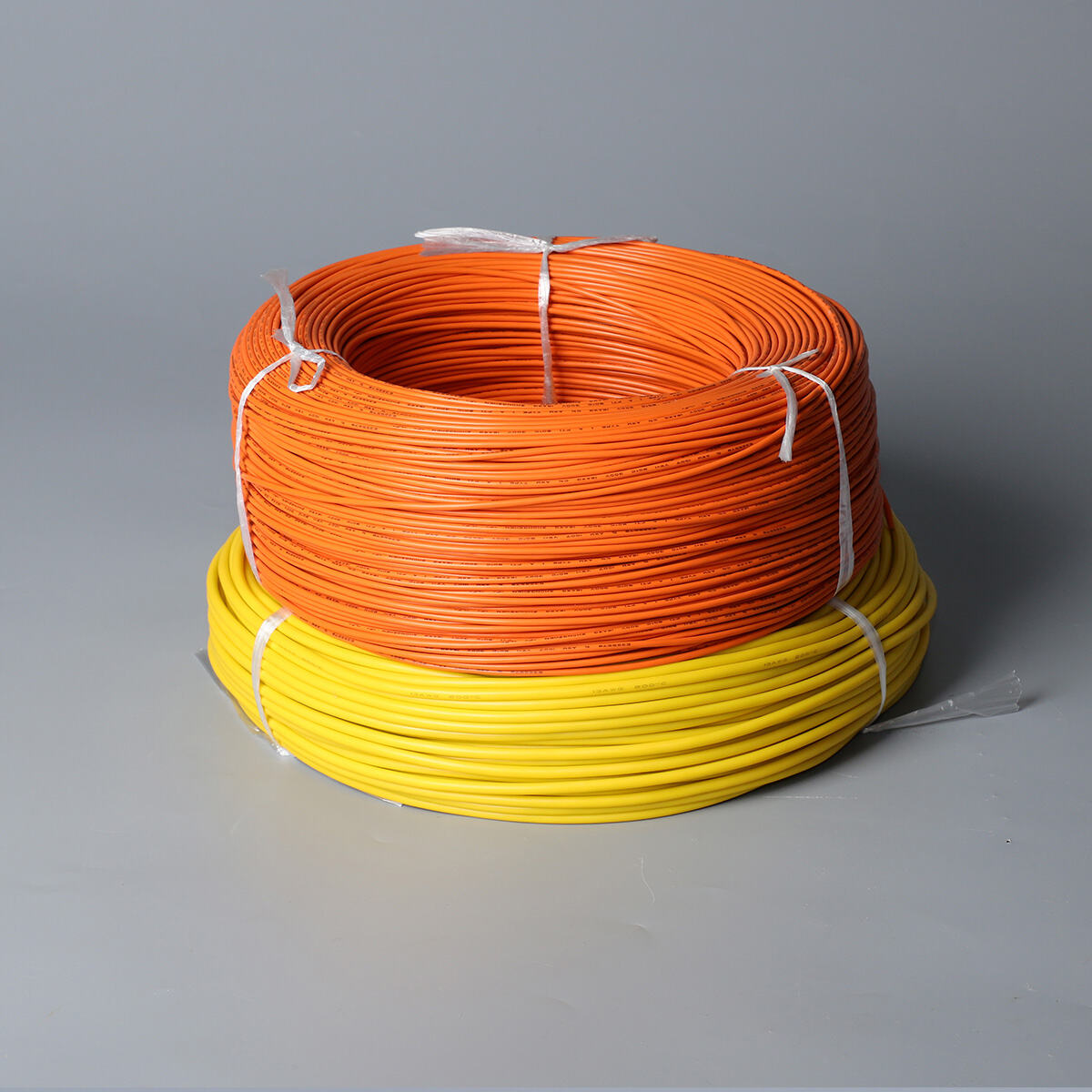
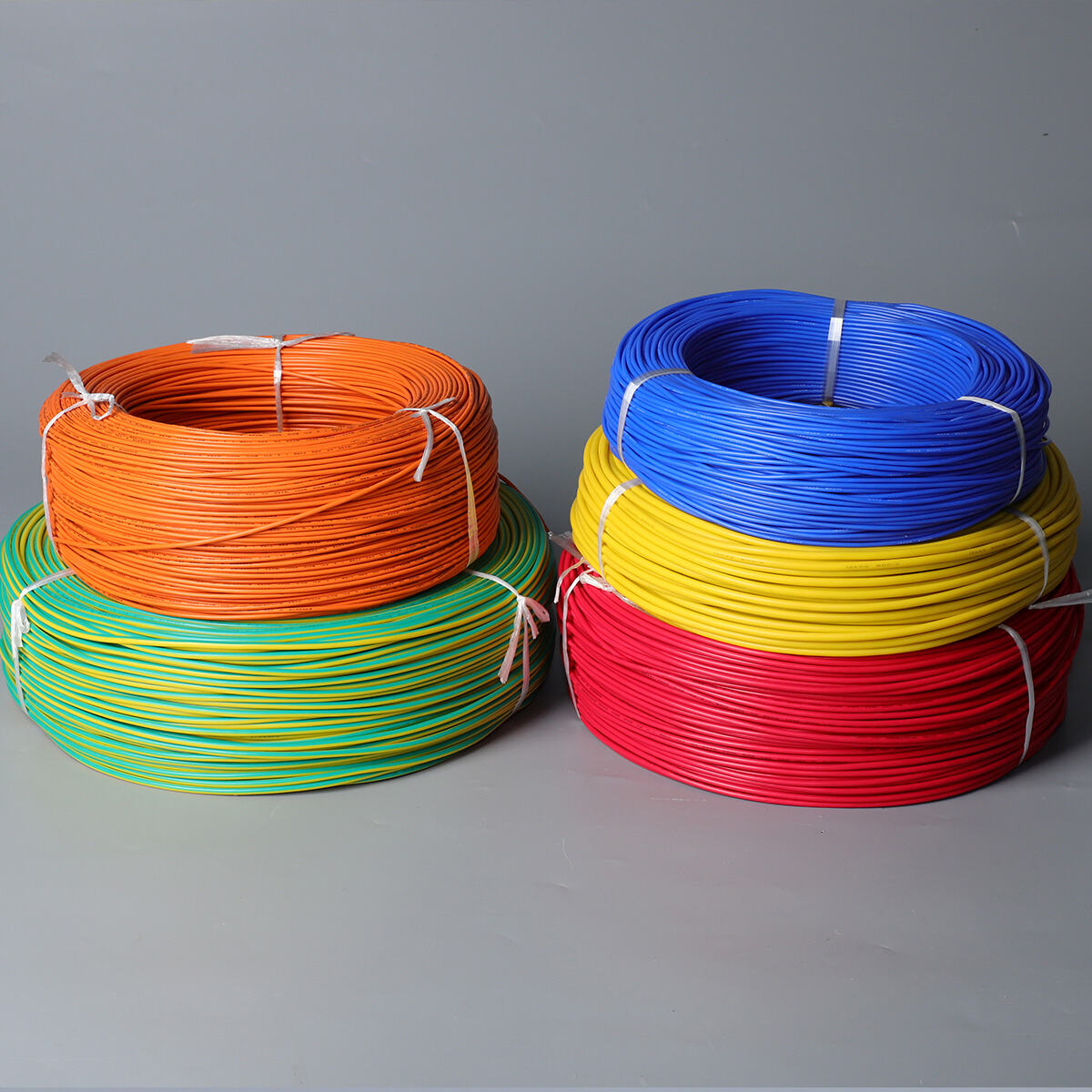
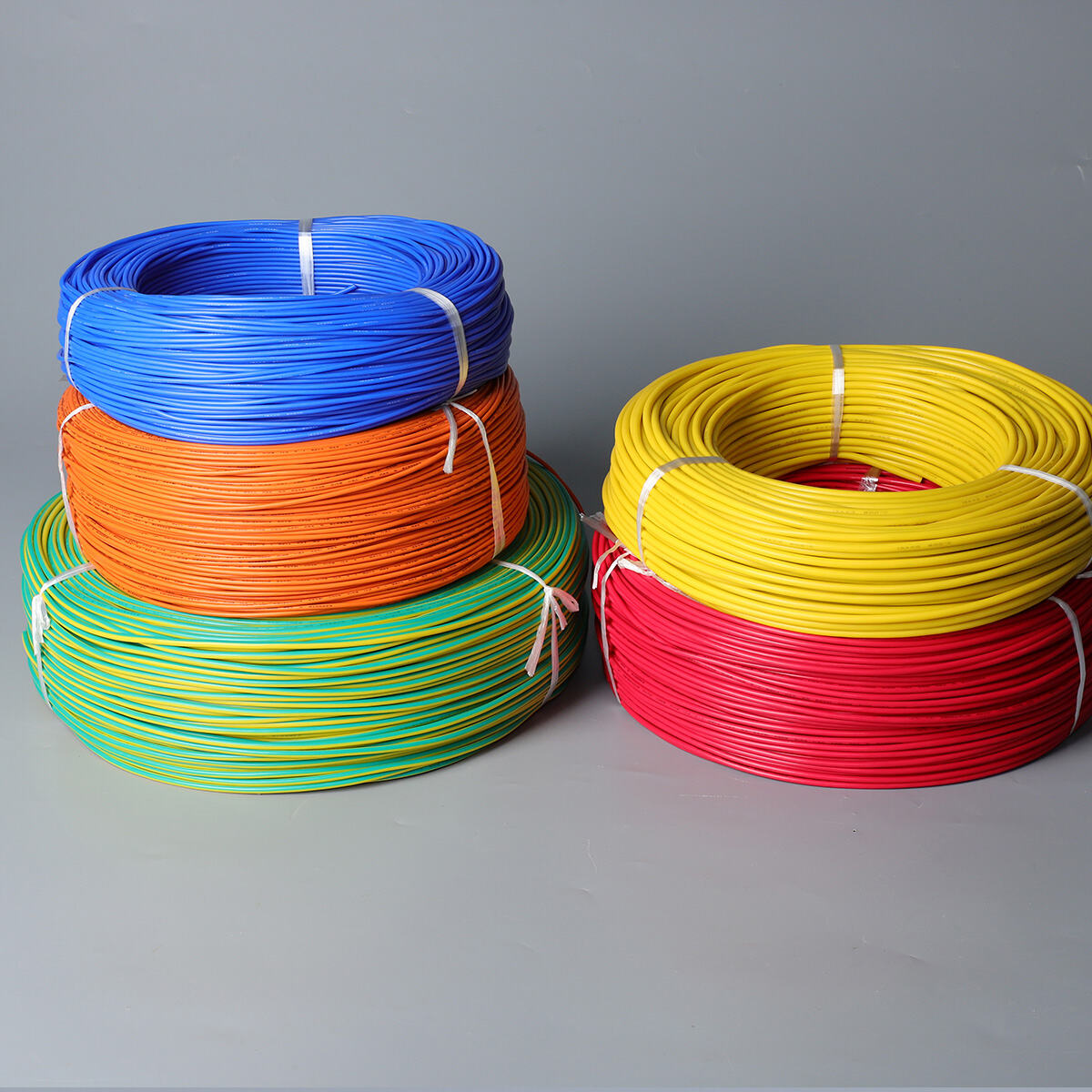
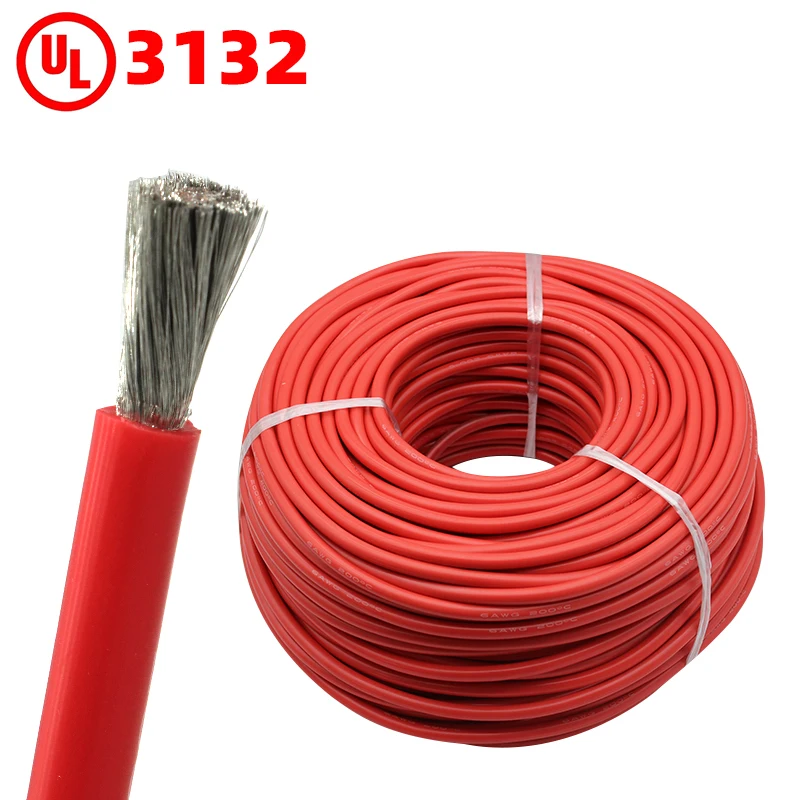
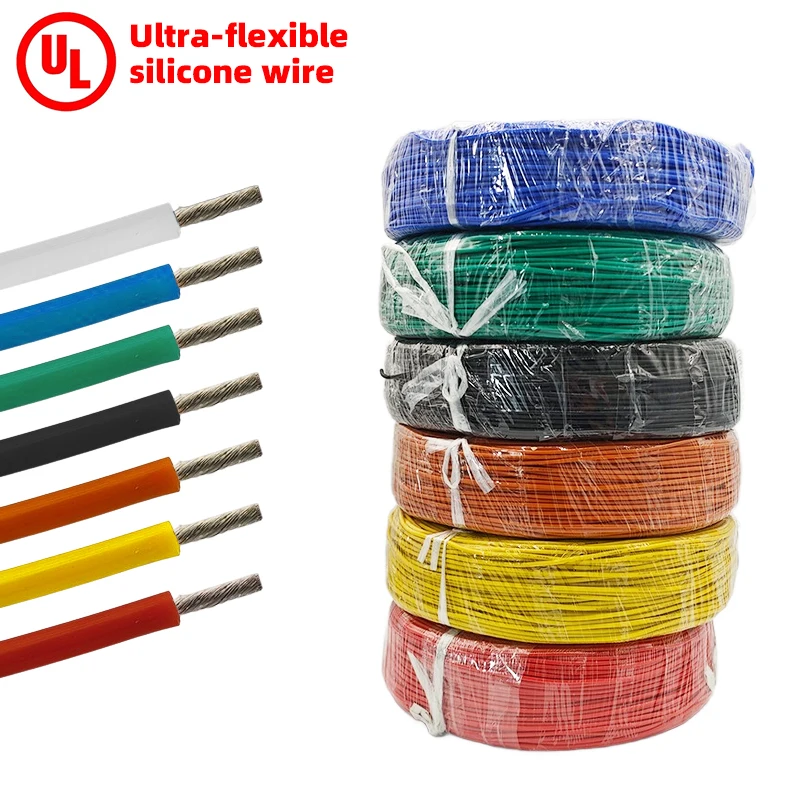
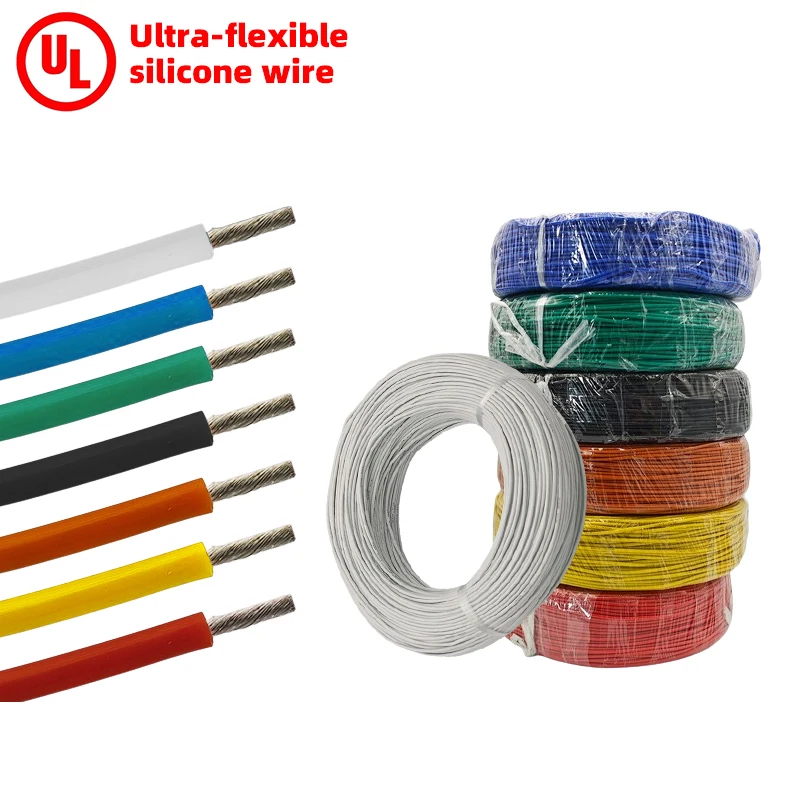
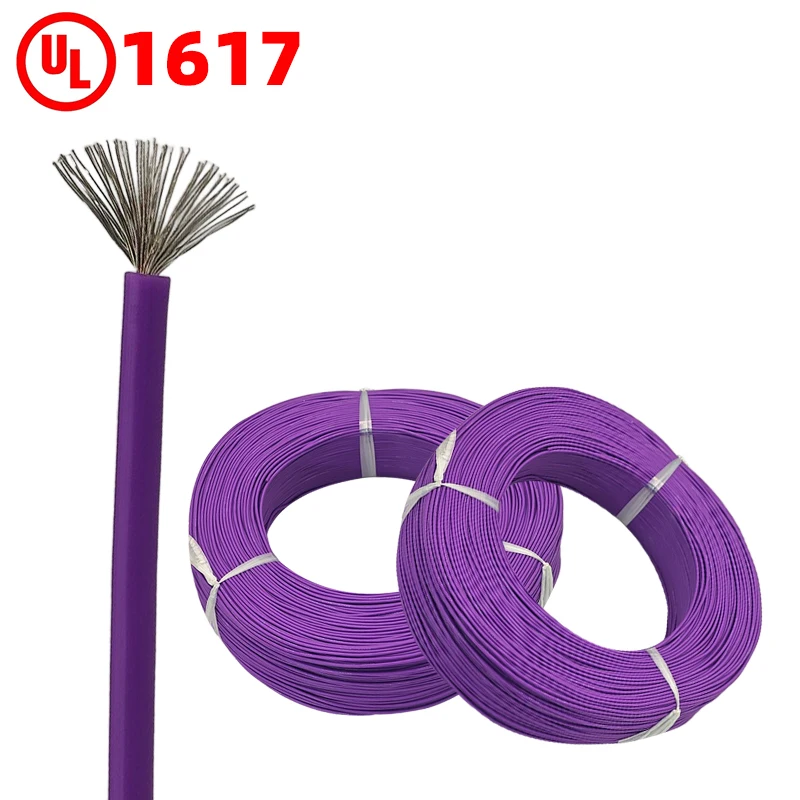
Silicone electrical wire demonstrates exceptional resistance to chemical exposure and environmental factors, making it the preferred choice for demanding industrial applications and harsh operating conditions. The inherent chemical stability of silicone polymers provides outstanding protection against acids, alkalis, oils, solvents, and various industrial chemicals that would rapidly degrade conventional wire insulation materials. This comprehensive chemical resistance ensures that silicone electrical wire maintains its electrical and mechanical properties even when exposed to aggressive chemical environments commonly found in processing plants, laboratories, and manufacturing facilities. The molecular structure of silicone creates a barrier that prevents chemical penetration and subsequent insulation breakdown, extending service life significantly compared to alternative wire types. Environmental resistance encompasses protection against ultraviolet radiation, ozone exposure, and moisture ingress, all of which can compromise electrical system integrity over time. Silicone electrical wire withstands prolonged UV exposure without cracking, discoloration, or property degradation, making it suitable for outdoor installations and solar energy applications. Ozone resistance prevents the surface cracking and deterioration that affects rubber and plastic insulated wires in high-ozone environments, such as areas with electrical equipment generating ozone or industrial processes involving oxidizing agents. The hydrophobic nature of silicone electrical wire repels moisture and prevents water absorption, maintaining insulation resistance and preventing electrical failures in humid environments or underwater applications. This moisture resistance extends to steam and high-humidity conditions, where traditional wire insulation might absorb water vapor and lose insulating properties. The combination of chemical and environmental resistance makes silicone electrical wire particularly valuable in marine applications, chemical processing facilities, wastewater treatment plants, and outdoor infrastructure projects. These resistance properties translate into reduced maintenance costs, fewer system failures, and improved safety margins for electrical installations. The long-term stability of silicone electrical wire under chemical and environmental stress provides predictable performance characteristics that engineers can rely upon for critical system design and ensures compliance with safety regulations across various industries requiring robust electrical infrastructure.
 EN
EN