EN
EN


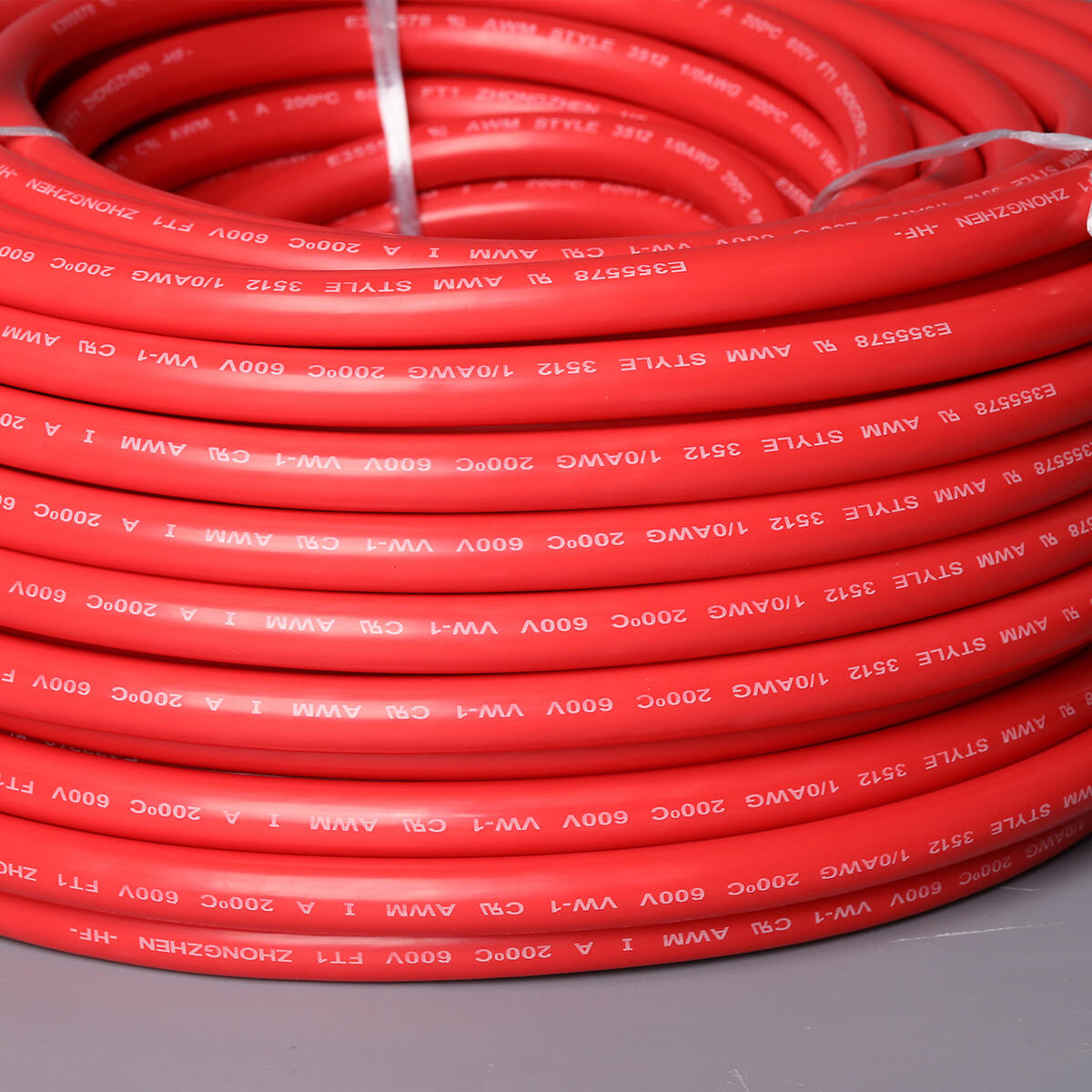
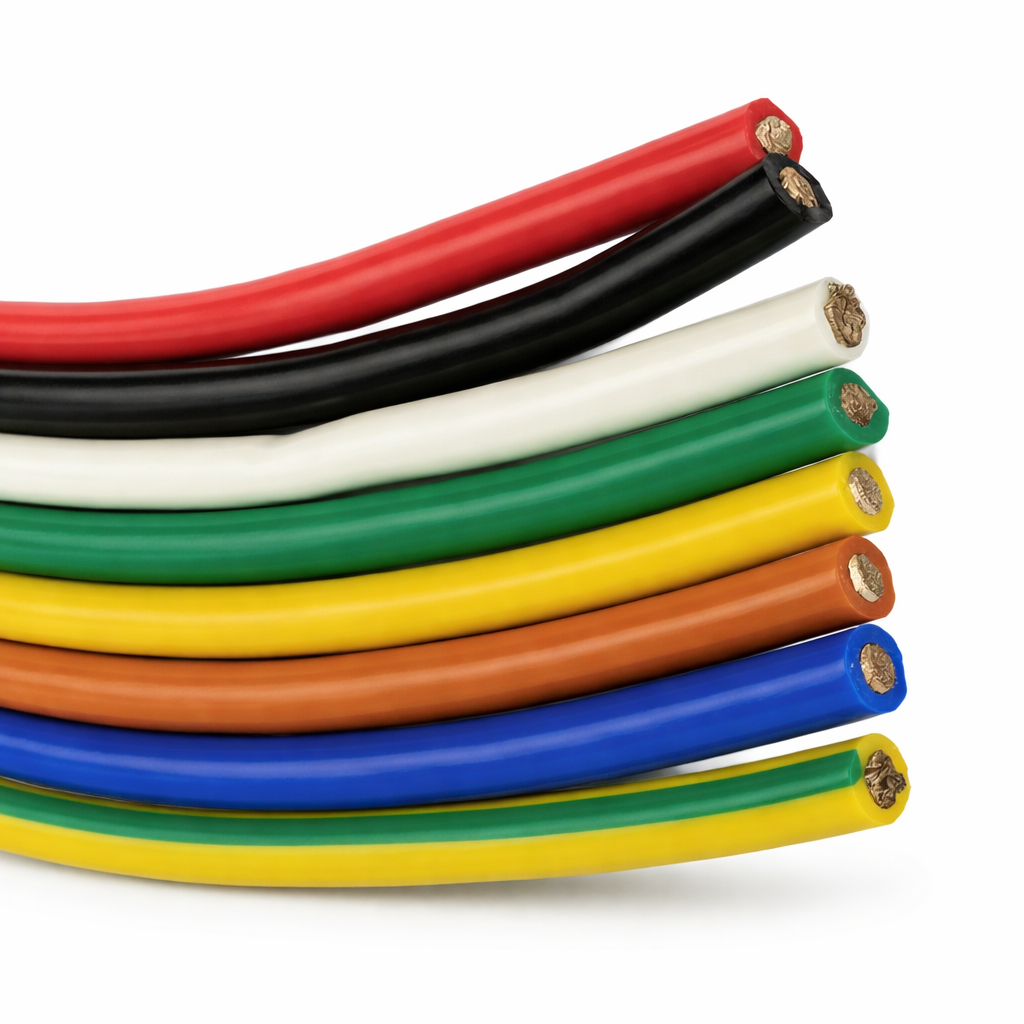
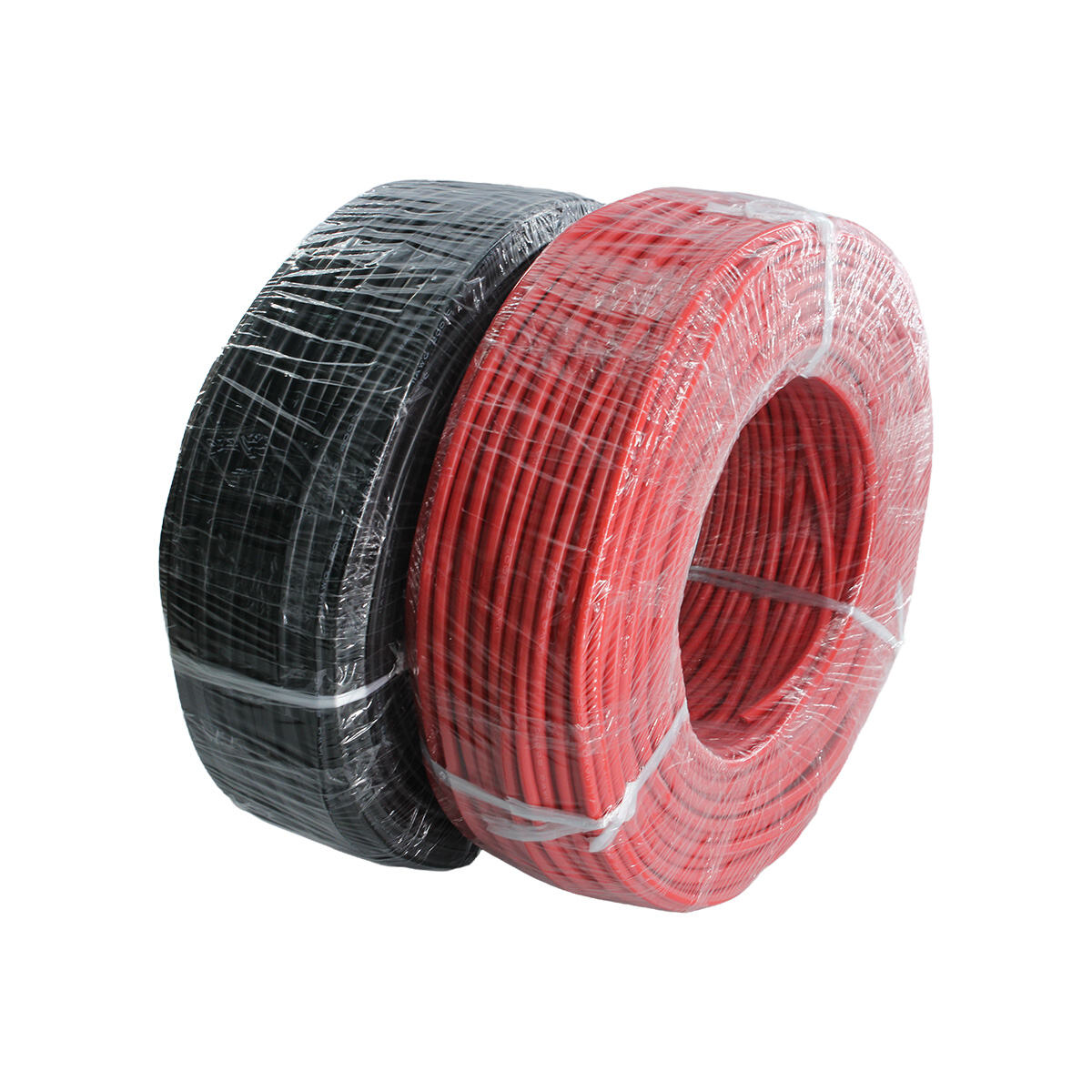
Understanding how 6 awg copper wire supports high-current applications requires examining the fundamental electrical properties and design characteristics that make this wire gauge particularly effective for demanding power transmission needs. The American Wire Gauge system designates 6 AWG as a substantial conductor size capable of handling significant electrical loads while maintaining safety and efficiency standards across various industrial and commercial applications.
The current-carrying capacity of 6 awg copper wire stems from its cross-sectional area and the inherent conductivity properties of copper as a material. This wire gauge provides approximately 13,300 circular mils of cross-sectional area, creating sufficient space for electron flow while minimizing resistance that could lead to voltage drops or heat generation during high-current operations. Professional electricians and engineers rely on these characteristics to ensure reliable power delivery in circuits requiring substantial amperage ratings.
Current Carrying Capacity and Amperage Ratings
Maximum Amperage Specifications for Different Applications
The ampacity rating of 6 awg copper wire varies depending on installation conditions, temperature ratings, and specific application requirements. Under standard conditions with THWN insulation at 90°C, this wire gauge typically supports continuous currents of 65 amperes for building wire applications. However, the actual current-carrying capacity can reach higher levels in specific scenarios, such as motor applications or temporary loads where different derating factors apply.
Temperature considerations significantly impact how 6 awg copper wire performs in high-current applications. The National Electrical Code provides ampacity tables that account for ambient temperature corrections, with higher temperatures reducing the safe current-carrying capacity. In environments exceeding 86°F (30°C), derating factors must be applied to ensure the wire operates within safe thermal limits during sustained high-current operation.
Installation method also influences the current capacity of 6 awg copper wire. When installed in conduit with multiple conductors, the wire experiences reduced heat dissipation, requiring further derating. Conversely, when installed in free air with adequate spacing, the same wire can safely carry higher currents due to improved cooling conditions.
Voltage Drop Considerations in High-Current Circuits
Voltage drop becomes a critical factor when 6 awg copper wire carries high currents over extended distances. The resistance of copper, while relatively low, still creates measurable voltage drops that can affect equipment performance and energy efficiency. For high-current applications, engineers must calculate the acceptable voltage drop percentage and ensure the wire gauge provides adequate conductance for the specific circuit length.
The relationship between current, resistance, and voltage drop follows Ohm's Law, where higher currents through the same resistance create proportionally larger voltage drops. Professional installations using 6 awg copper wire for high-current applications typically limit voltage drops to 3% for branch circuits and 5% for feeder circuits to maintain optimal equipment operation.
Power factor considerations also affect how 6 awg copper wire supports high-current applications, particularly with inductive loads such as motors and transformers. The reactive component of AC current can increase the effective current flow through the conductor, requiring careful analysis to ensure the wire gauge remains appropriate for the total current demand including both real and reactive components.
Heat Dissipation and Thermal Management
Thermal Properties of Copper Conductors
Copper's excellent thermal conductivity plays a crucial role in how 6 awg copper wire manages heat generation during high-current operation. The material's ability to conduct heat away from the conductor core helps prevent dangerous temperature buildup that could damage insulation or create fire hazards. This thermal management capability becomes increasingly important as current levels approach the wire's maximum ampacity rating.
The heat generation in 6 awg copper wire follows the I²R relationship, where power dissipation increases exponentially with current. This means that doubling the current through the conductor results in four times the heat generation, making proper thermal management essential for high-current applications. The wire's thermal mass and surface area contribute to its ability to dissipate this generated heat effectively.
Insulation materials used with 6 awg copper wire must withstand the elevated temperatures that occur during high-current operation. Modern insulation systems like XLPE (cross-linked polyethylene) and EPR (ethylene propylene rubber) provide superior thermal performance compared to older PVC insulations, allowing the copper conductor to operate closer to its thermal limits safely.
Environmental Factors Affecting Heat Dissipation
Ambient temperature significantly influences how effectively 6 awg copper wire dissipates heat during high-current operation. Higher environmental temperatures reduce the temperature differential between the conductor and surrounding air, limiting the natural convection cooling that helps maintain safe operating temperatures. This effect requires careful consideration in hot climates or enclosed installations.
Air circulation around the conductor affects heat dissipation rates, with stagnant air providing poor cooling compared to installations with adequate ventilation. When 6 awg copper wire is bundled with other conductors or installed in tight conduit fills, the reduced air circulation can significantly impact thermal performance and require current derating to maintain safety.
Soil conditions and burial depth affect the thermal performance of underground installations using 6 awg copper wire. Dry soils provide poor heat conduction compared to moist conditions, while deeper burial depths may improve thermal stability but reduce heat dissipation to the surface. These factors require specific ampacity calculations for underground high-current applications.
Mechanical Strength and Installation Considerations
Physical Properties Supporting High-Current Installation
The mechanical properties of 6 awg copper wire contribute significantly to its suitability for high-current applications, particularly regarding installation durability and long-term reliability. The conductor size provides sufficient mechanical strength to withstand pulling forces during installation while maintaining electrical integrity. This robustness becomes essential when installing wire through complex conduit systems or overhead applications where mechanical stress occurs regularly.
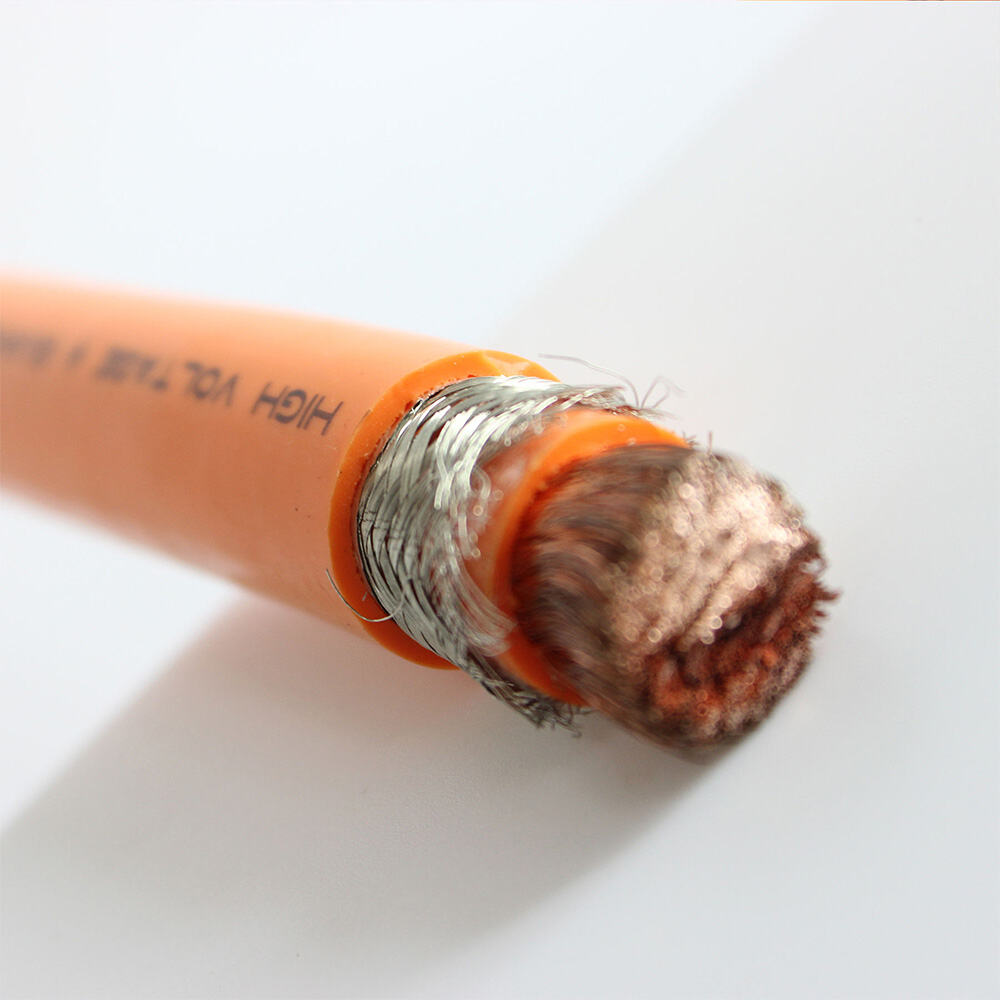
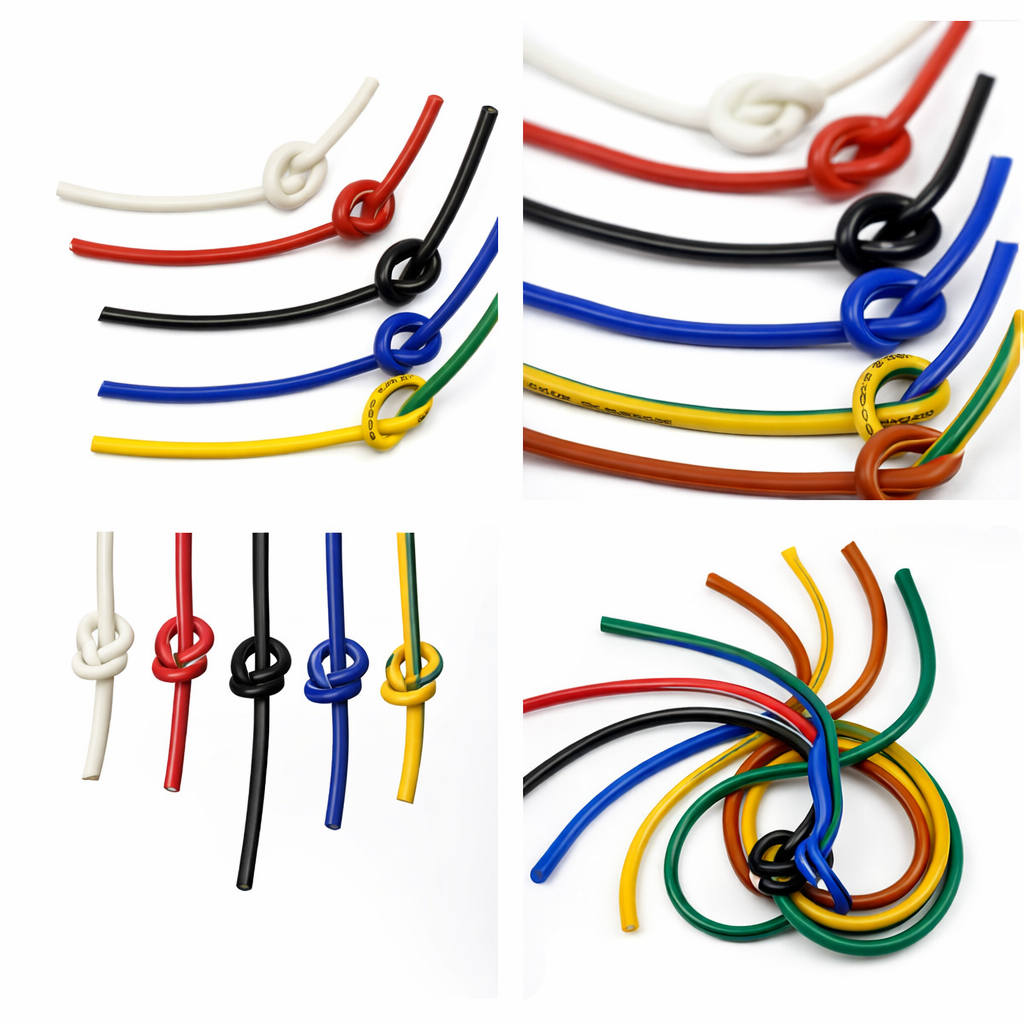
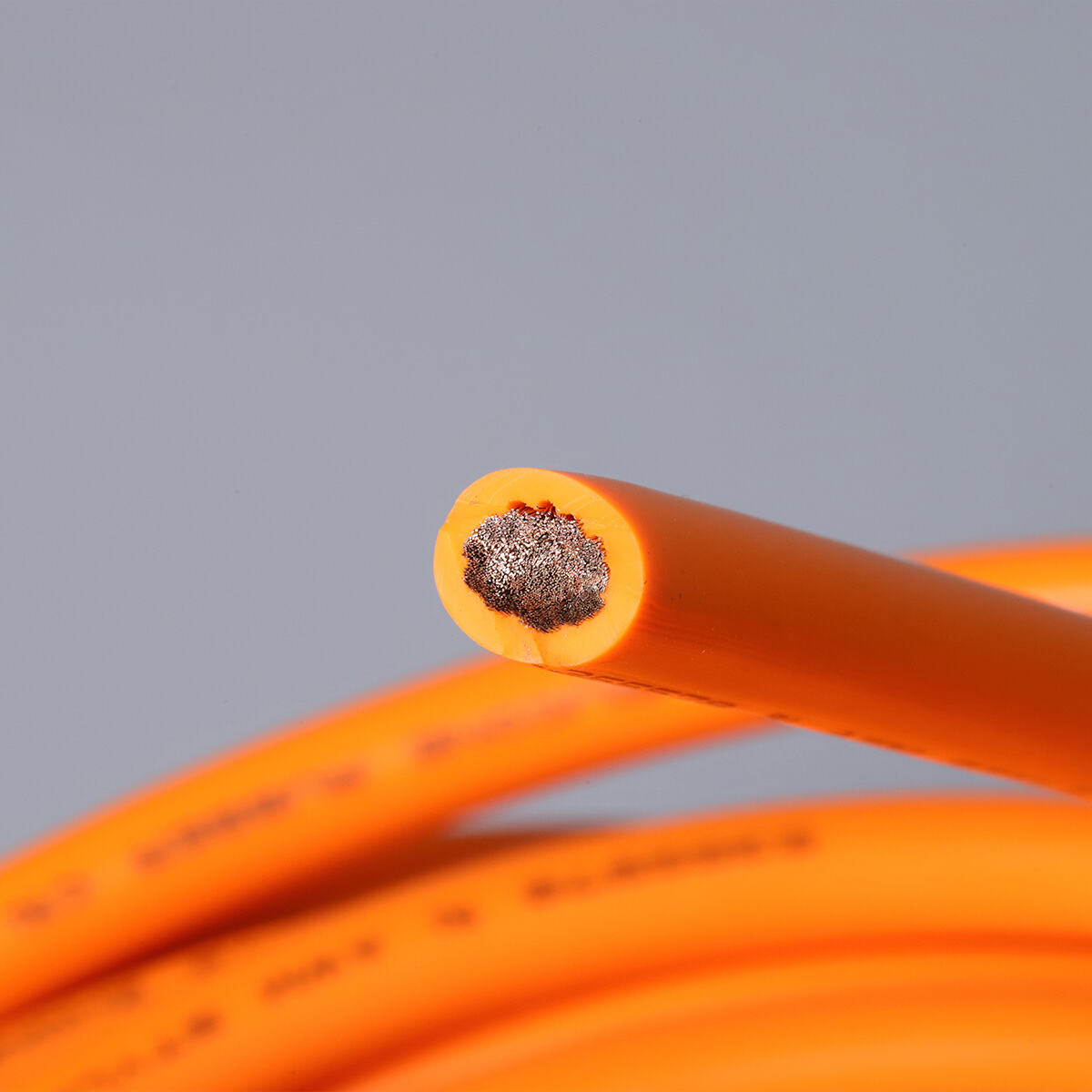
Stranding configuration affects both the electrical and mechanical performance of 6 awg copper wire in high-current applications. Stranded conductors offer superior flexibility during installation while maintaining excellent conductivity characteristics. The multiple wire strands distribute mechanical stress more evenly, reducing the risk of conductor damage during bending or pulling operations common in high-current installation projects.
Termination requirements for 6 awg copper wire in high-current applications demand proper connection techniques to ensure reliable electrical contact and prevent overheating. The conductor size requires appropriately rated terminals, lugs, and connection hardware capable of handling the full current capacity without creating high-resistance connection points that could compromise system performance.
Installation Methods for Optimal Performance
Proper bending radius during installation affects the long-term performance of 6 awg copper wire in high-current applications. Excessive bending can stress the conductor strands and potentially create high-resistance points that generate heat during operation. Industry standards specify minimum bending radii based on conductor diameter to ensure installation practices don't compromise electrical performance.
Support spacing requirements for 6 awg copper wire installations help prevent mechanical stress and maintain proper conductor positioning over time. The weight of the conductor and any connected loads requires adequate support intervals to prevent sagging or stress concentration points that could affect electrical connections or create safety hazards in high-current applications.
Protection methods during installation preserve the integrity of 6 awg copper wire conductors and their insulation systems. Proper pulling techniques, lubricants, and protection from sharp edges ensure the wire maintains its designed electrical and mechanical properties throughout the installation process and subsequent operation in high-current applications.
Applications and Industry Use Cases
Industrial Motor and Equipment Applications
Industrial motor applications represent one of the primary uses for 6 awg copper wire in high-current scenarios, where substantial starting currents and continuous operation demands require reliable conductors. Motors in the 10-20 horsepower range typically utilize this wire gauge for supply conductors, taking advantage of its current-carrying capacity while providing adequate safety margins for motor starting transients that can exceed normal operating currents by several times.
Manufacturing equipment and production machinery often incorporate 6 awg copper wire for power distribution to high-current loads such as welding equipment, large heating elements, and industrial processing equipment. These applications benefit from the wire's ability to maintain stable voltage levels under varying load conditions while providing the thermal performance necessary for continuous operation in demanding industrial environments.
HVAC systems in commercial and industrial buildings frequently employ 6 awg copper wire for connecting large compressors, air handling units, and electric heating equipment. The wire gauge provides adequate capacity for the high inrush currents typical of motor-compressor combinations while maintaining efficiency during normal operation cycles throughout extended service periods.
Residential and Commercial Power Distribution
Main electrical panels and subpanel feeders in residential applications often utilize 6 awg copper wire for circuits serving high-current loads such as electric ranges, clothes dryers, and electric vehicle charging stations. These applications require the sustained current capacity and reliability that this wire gauge provides while meeting code requirements for safety and performance in domestic electrical systems.
Commercial building electrical systems incorporate 6 awg copper wire for distribution panels, elevator systems, and large appliance connections where high current capacity combines with installation flexibility requirements. The wire's mechanical properties allow routing through complex building structures while maintaining electrical performance standards necessary for commercial code compliance and operational reliability.
Temporary power applications and construction sites benefit from the durability and current capacity of 6 awg copper wire when supplying power to temporary panels and high-current construction equipment. The wire's robust construction withstands the harsh environmental conditions typical of construction sites while providing reliable power delivery for tools and equipment requiring substantial electrical capacity.
FAQ
What is the maximum amperage rating for 6 AWG copper wire?
The maximum amperage rating for 6 AWG copper wire typically ranges from 55 to 65 amperes depending on the insulation type and installation conditions. With THWN insulation at 90°C rating, the wire can safely carry 65 amperes continuously. However, actual ampacity may be reduced due to ambient temperature corrections, conduit fill requirements, or other derating factors specified in the National Electrical Code.
How does temperature affect the performance of 6 AWG copper wire in high-current applications?
Temperature significantly impacts 6 AWG copper wire performance by affecting both its current-carrying capacity and resistance characteristics. Higher ambient temperatures require derating the wire's ampacity to prevent insulation damage and ensure safe operation. Additionally, elevated temperatures increase conductor resistance, leading to higher voltage drops and reduced efficiency in high-current applications. Proper thermal management becomes critical for maintaining optimal performance.
Can 6 AWG copper wire be used for both AC and DC high-current applications?
Yes, 6 AWG copper wire can effectively support both AC and DC high-current applications, though the specific considerations differ between the two. For DC applications, the wire's resistance and voltage drop characteristics remain constant, making calculations straightforward. In AC applications, factors such as skin effect, power factor, and reactive loads may influence the effective current capacity and require additional analysis to ensure proper performance.
What installation factors most significantly impact the high-current performance of 6 AWG copper wire?
The most significant installation factors affecting high-current performance include conduit fill percentage, ambient temperature, conductor bundling, and termination quality. Overcrowded conduits reduce heat dissipation, while poor terminations create high-resistance connections that generate heat and reduce system efficiency. Proper installation techniques, adequate spacing, and quality connections are essential for realizing the full current-carrying potential of 6 AWG copper wire in demanding applications.
Table of Contents
- Current Carrying Capacity and Amperage Ratings
- Heat Dissipation and Thermal Management
- Mechanical Strength and Installation Considerations
- Applications and Industry Use Cases
-
FAQ
- What is the maximum amperage rating for 6 AWG copper wire?
- How does temperature affect the performance of 6 AWG copper wire in high-current applications?
- Can 6 AWG copper wire be used for both AC and DC high-current applications?
- What installation factors most significantly impact the high-current performance of 6 AWG copper wire?