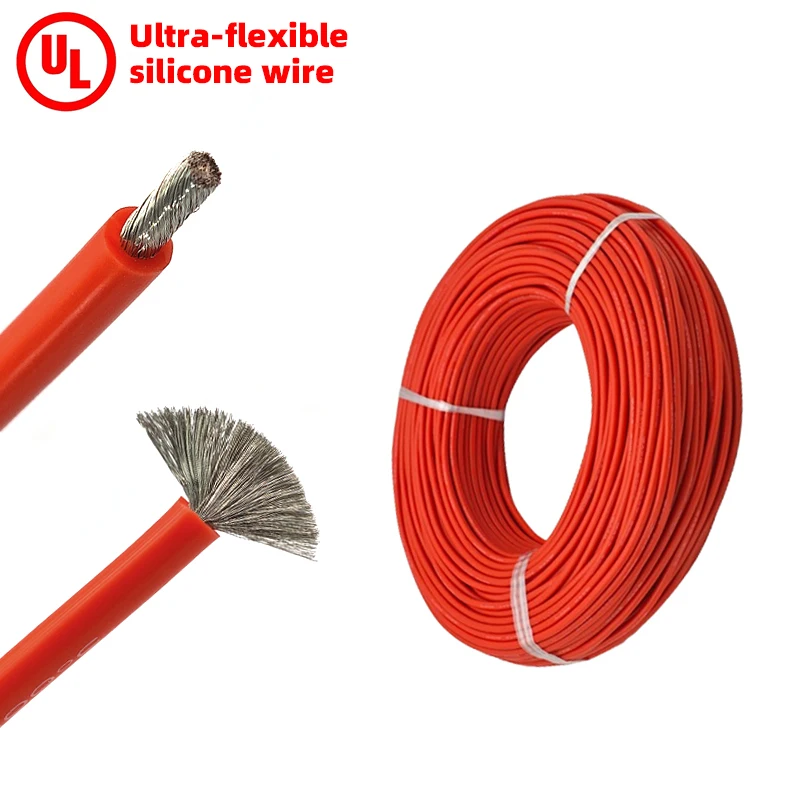
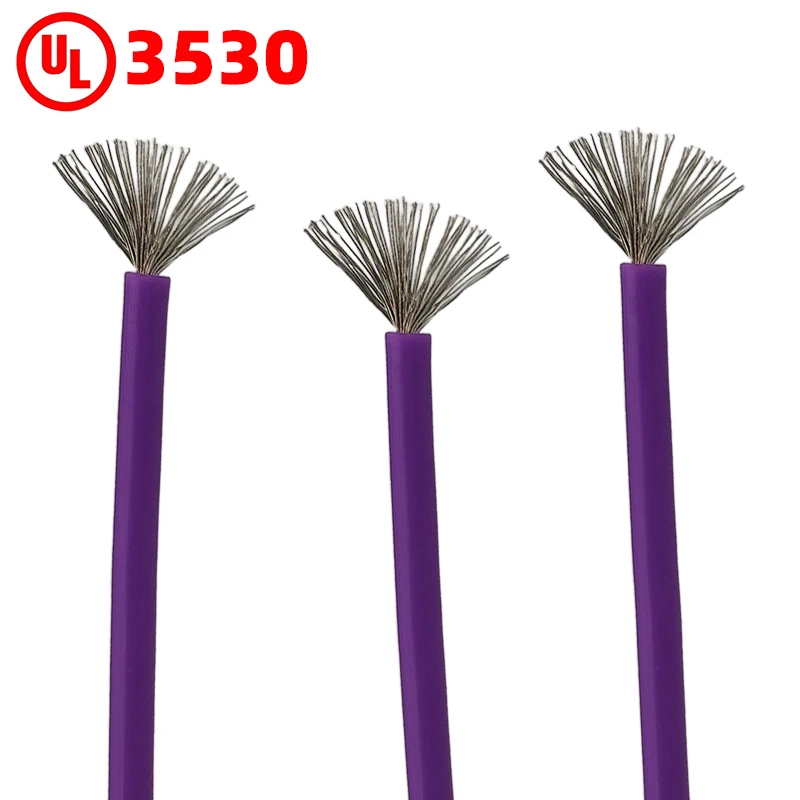
2 awg wire high temp insulation
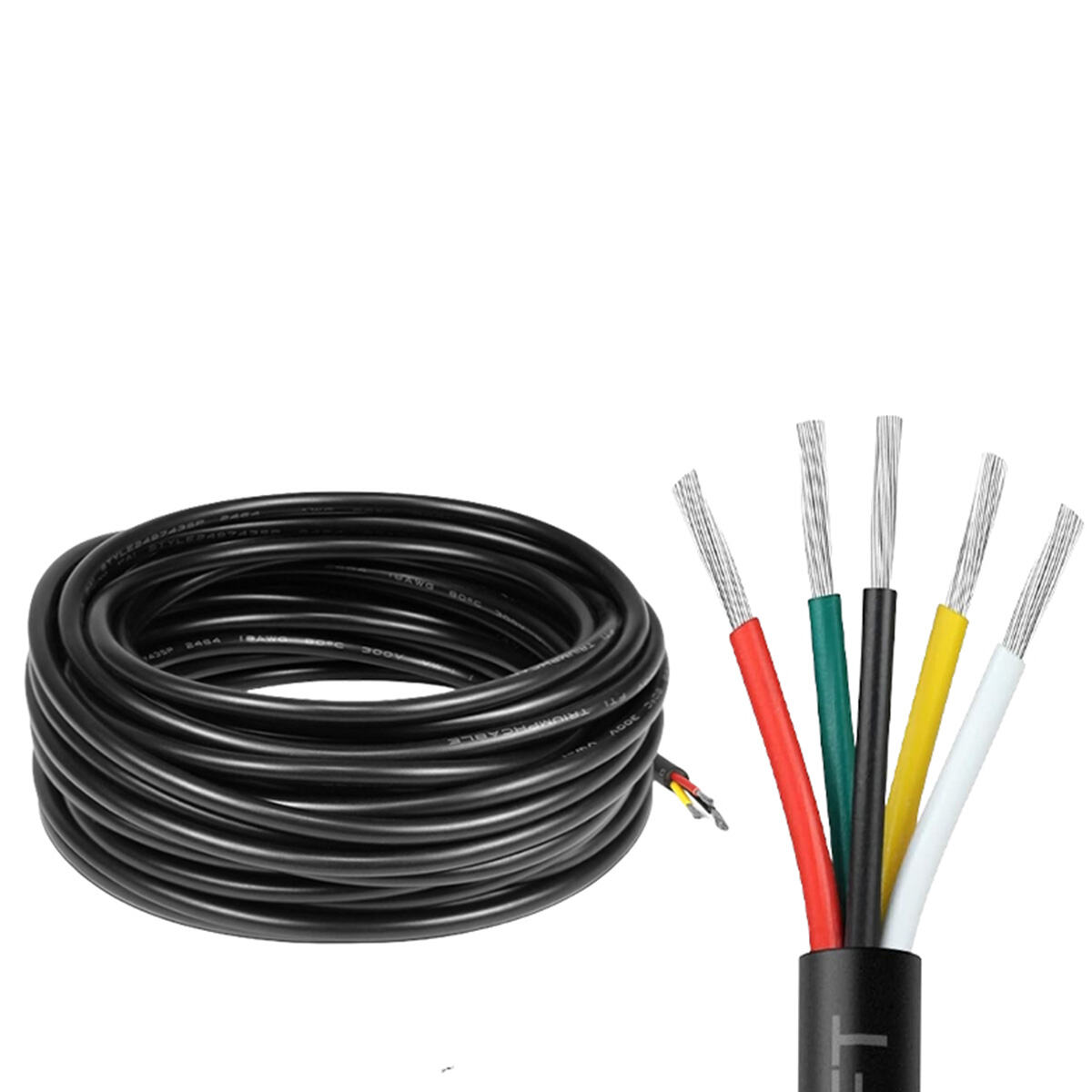
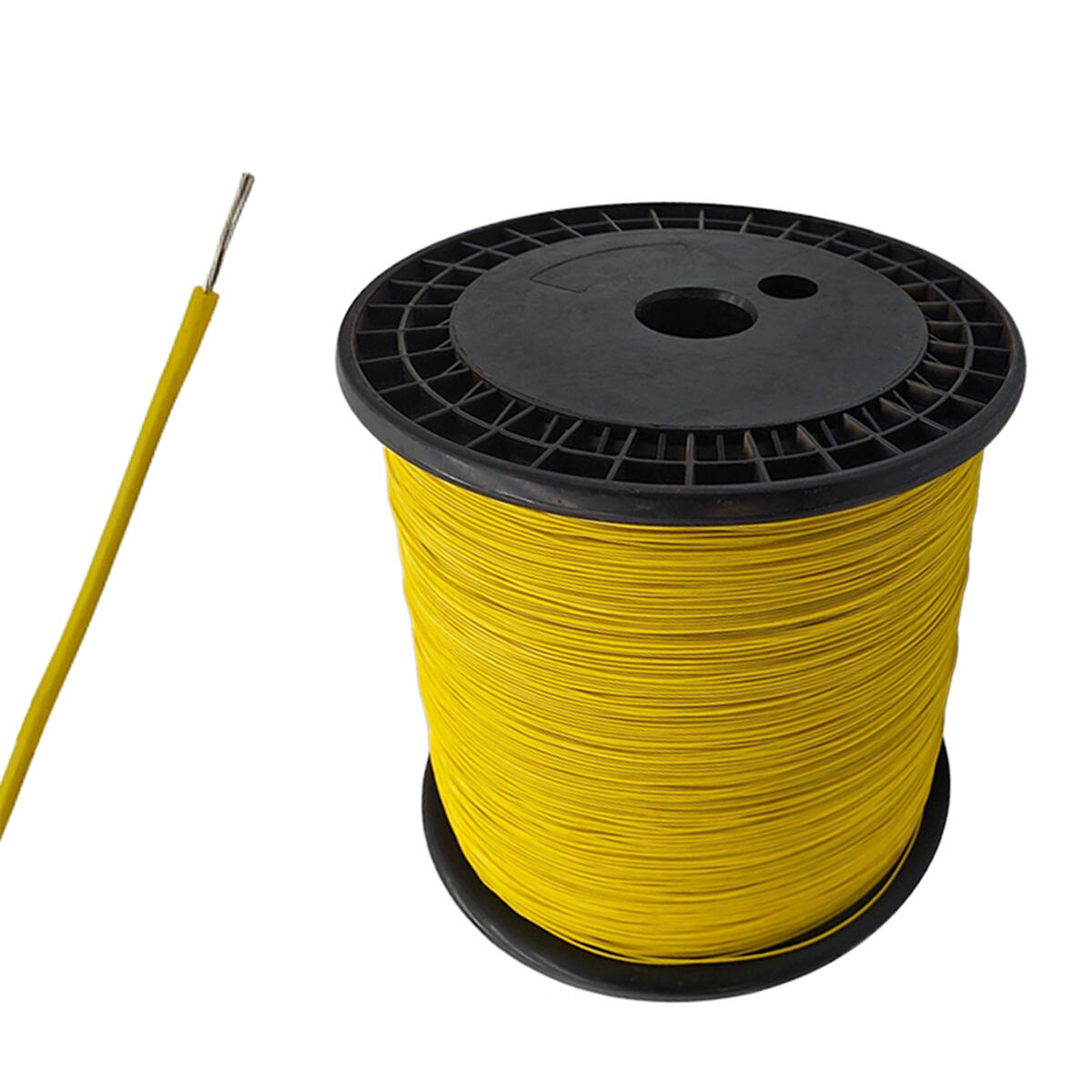
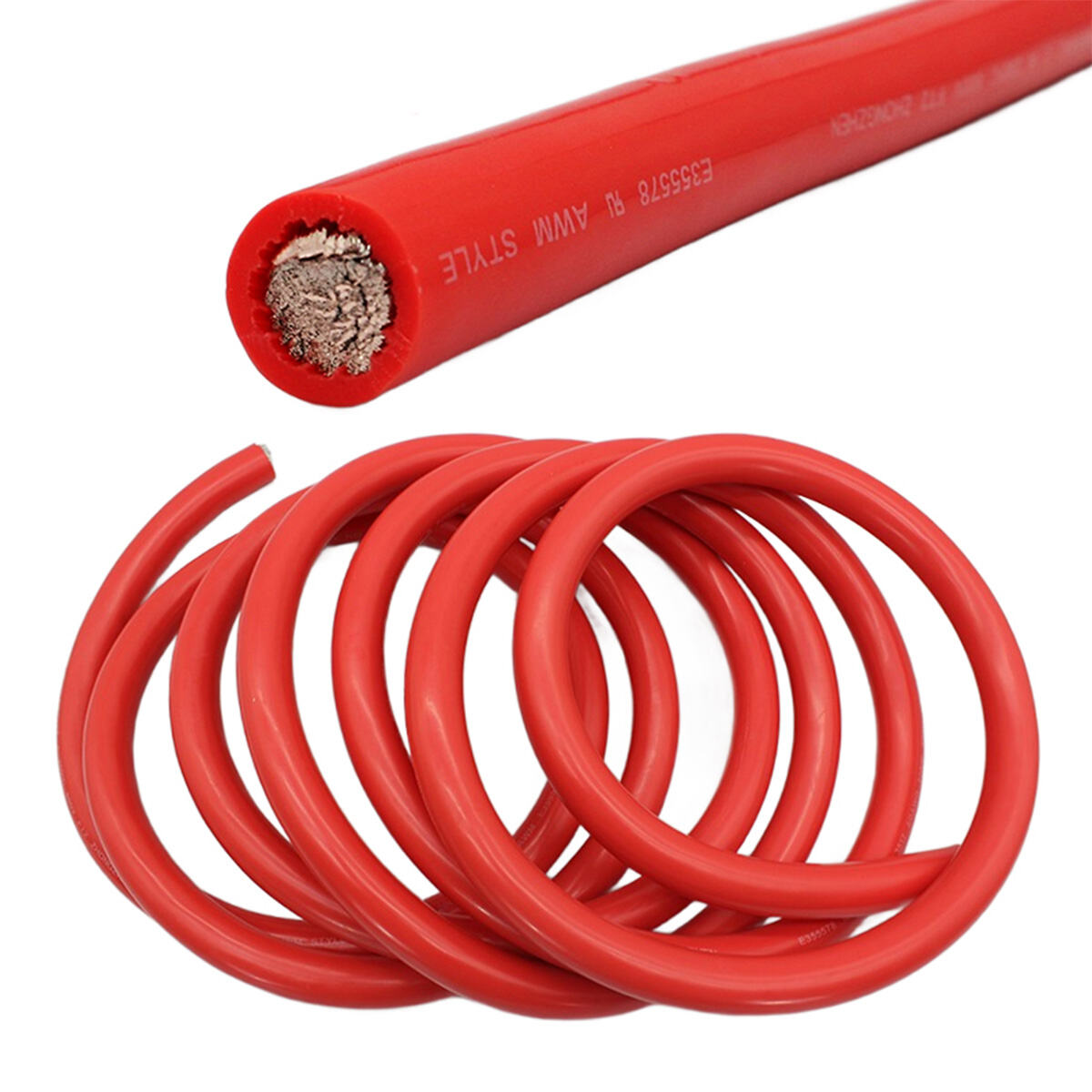
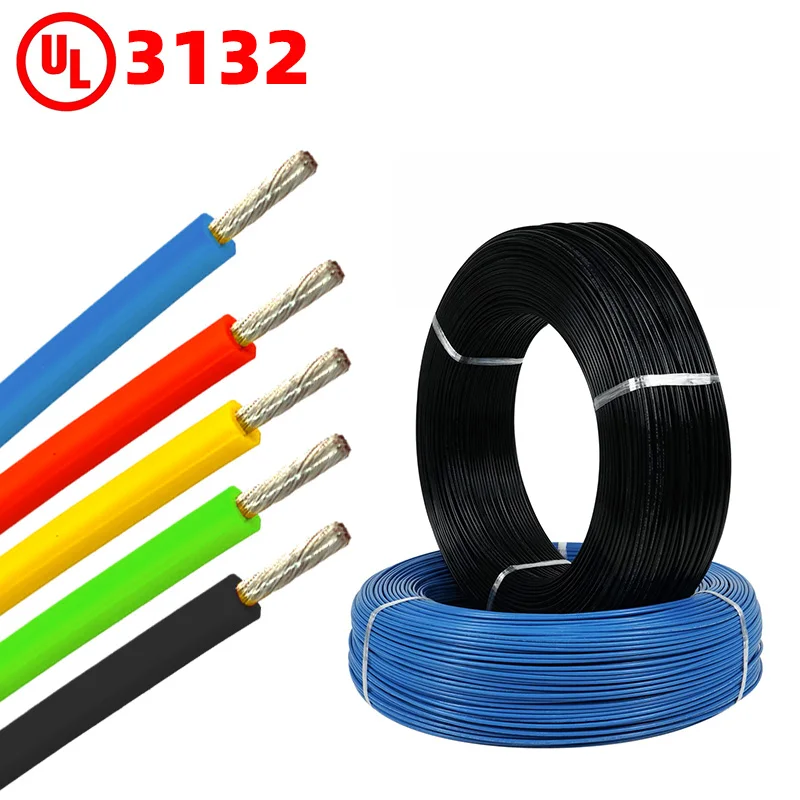
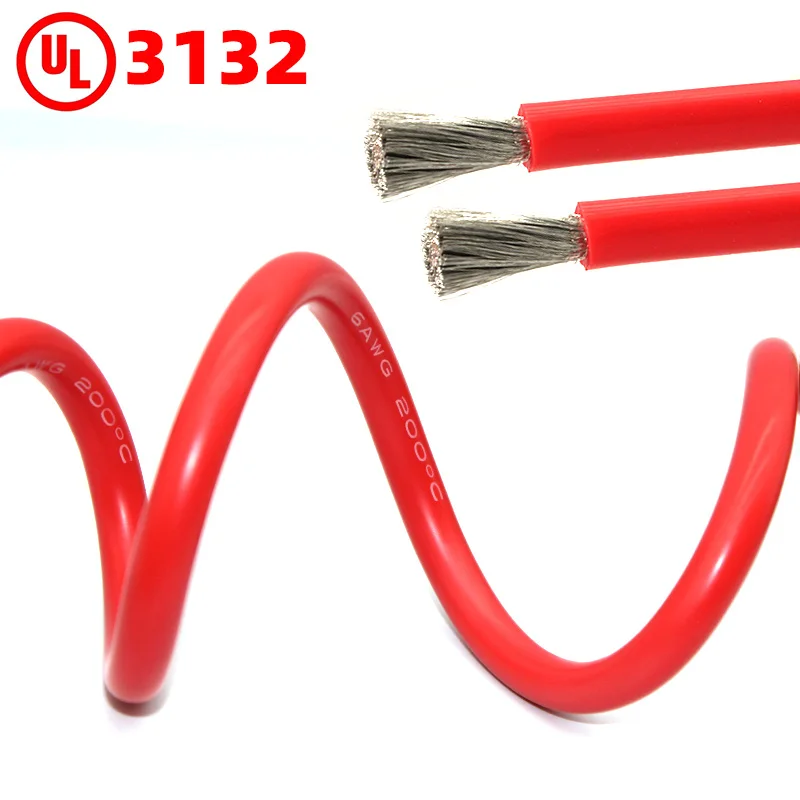
The 2 AWG wire high temp insulation represents a cutting-edge electrical conductor designed to withstand extreme thermal conditions while maintaining superior electrical performance. This specialized wire features a robust copper core construction with advanced insulation materials engineered to operate reliably in temperatures exceeding standard wire ratings. The primary function of 2 AWG wire high temp insulation involves delivering consistent electrical power transmission in demanding industrial environments where conventional wiring would fail or degrade rapidly. The technological foundation of this wire incorporates multiple layers of heat-resistant polymeric compounds, including cross-linked polyethylene (XLPE), ethylene propylene rubber (EPR), or specialized fluoropolymer materials that maintain their structural integrity under sustained high-temperature exposure. The conductor itself utilizes high-purity copper stranding that ensures optimal conductivity while the insulation system provides exceptional dielectric strength. Key applications for 2 AWG wire high temp insulation span across diverse industries including steel manufacturing, glass production facilities, automotive assembly lines, petrochemical processing plants, and commercial bakeries. In steel mills, this wire safely operates near furnaces where ambient temperatures routinely exceed 200°C. Glass manufacturing facilities rely on 2 AWG wire high temp insulation for powering equipment in proximity to molten glass operations. The automotive sector utilizes this wire in paint booth systems where high-temperature curing processes demand reliable electrical connections. Petrochemical plants incorporate this specialized wiring in refinery operations where process heating creates extreme thermal environments. The wire's construction methodology involves precision manufacturing processes that ensure uniform insulation thickness and optimal bonding between conductor and insulation layers. Quality control measures include rigorous thermal cycling tests, voltage withstand examinations, and accelerated aging protocols that verify long-term performance reliability under continuous high-temperature conditions.
 EN
EN