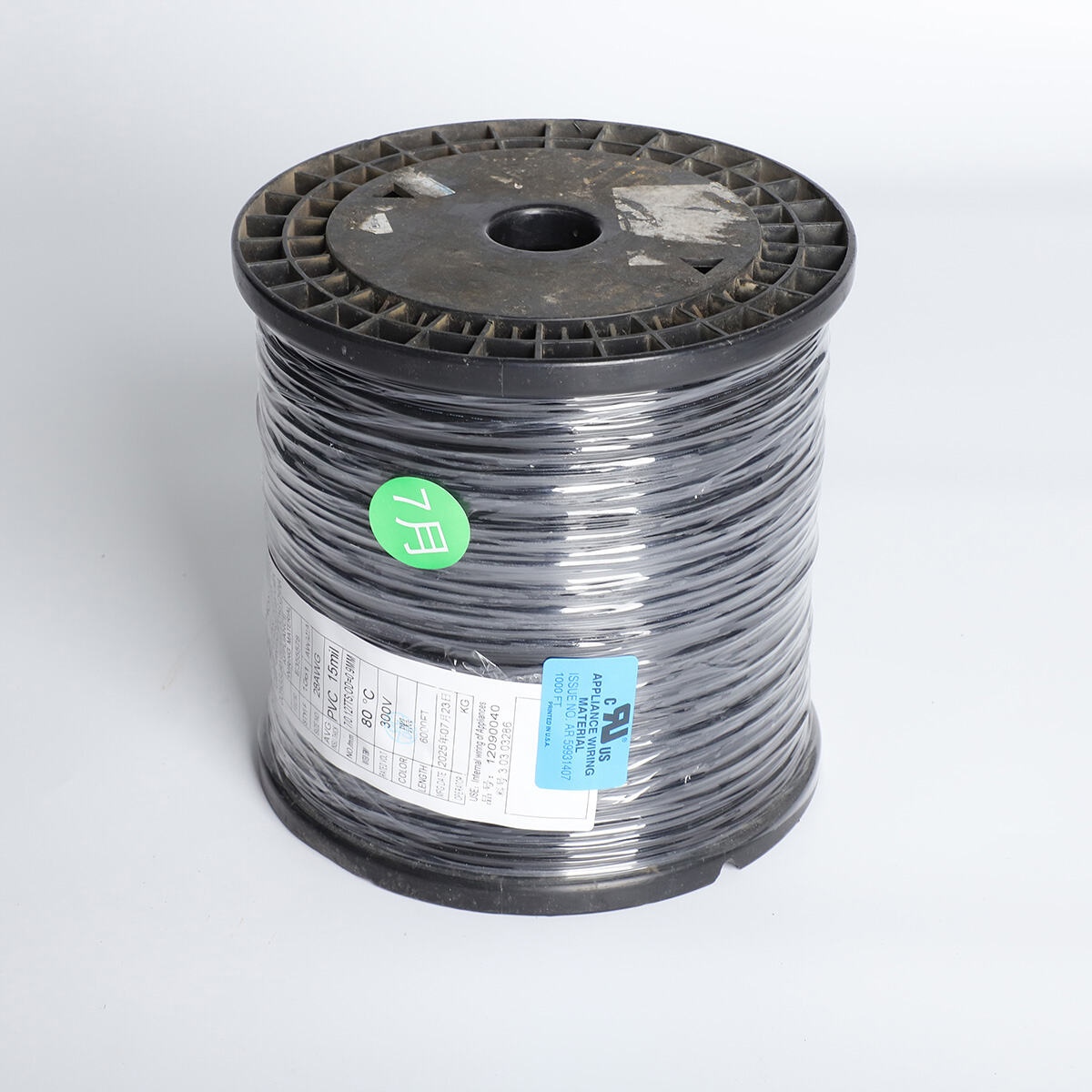
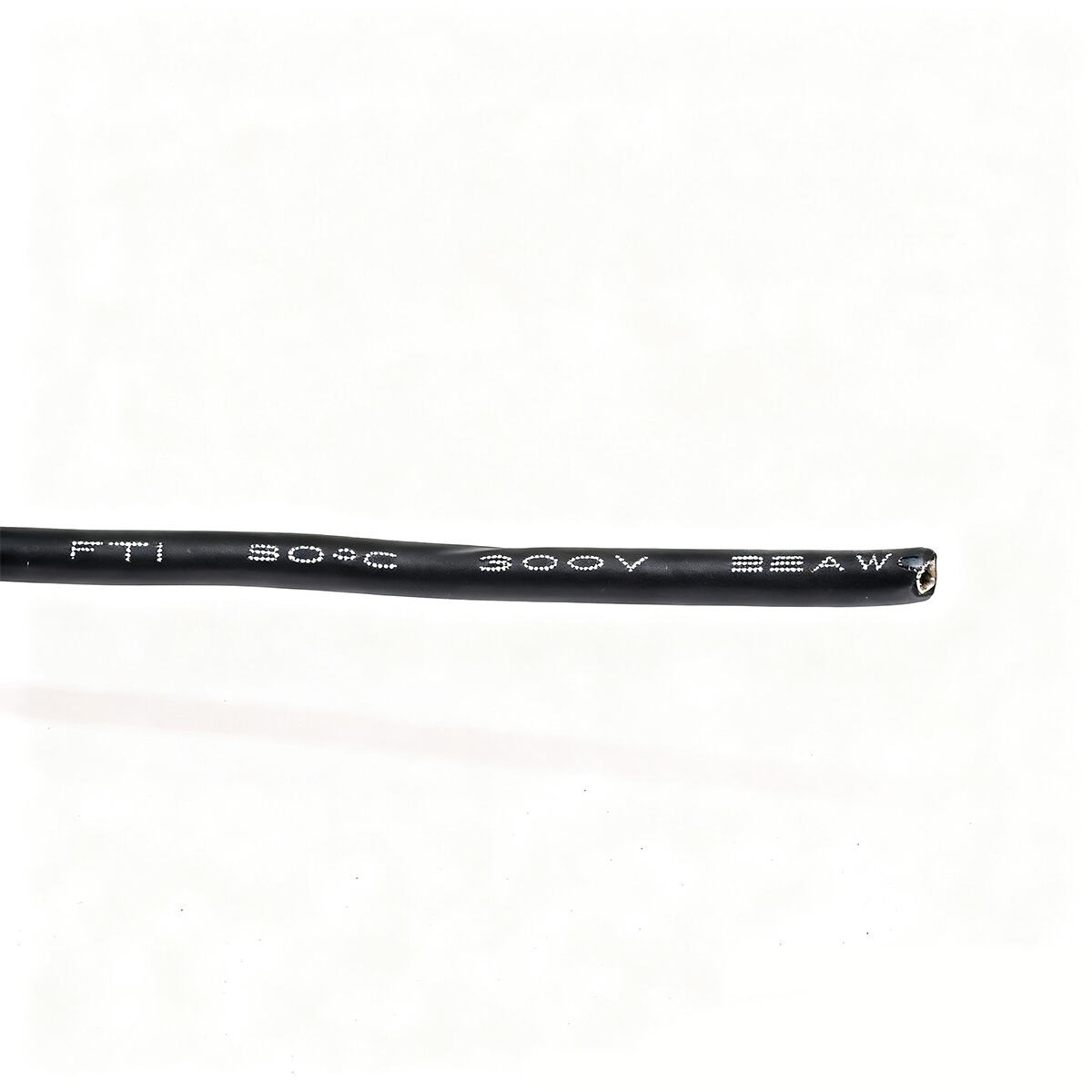
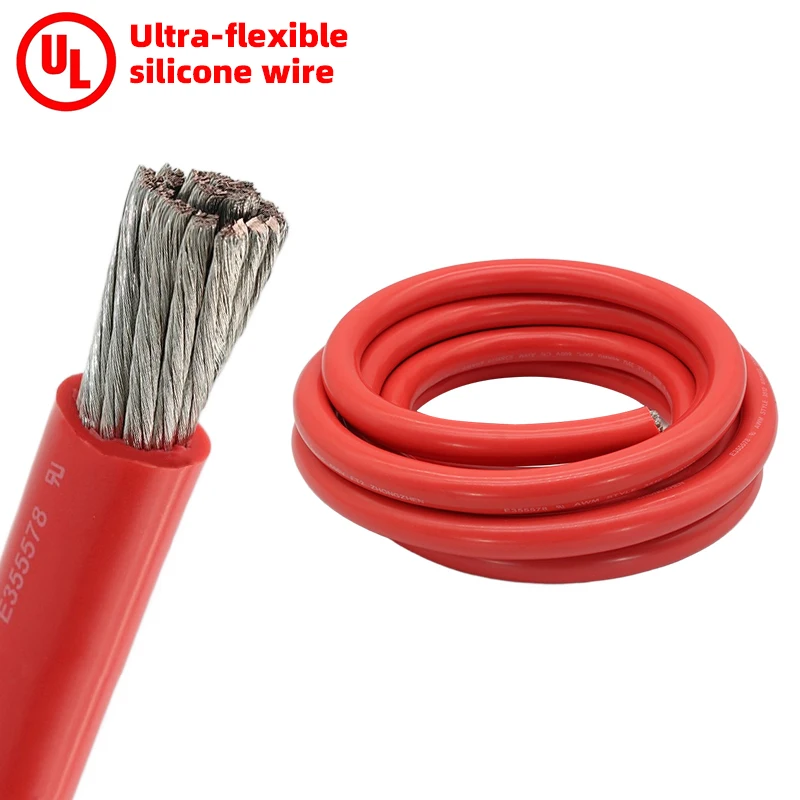
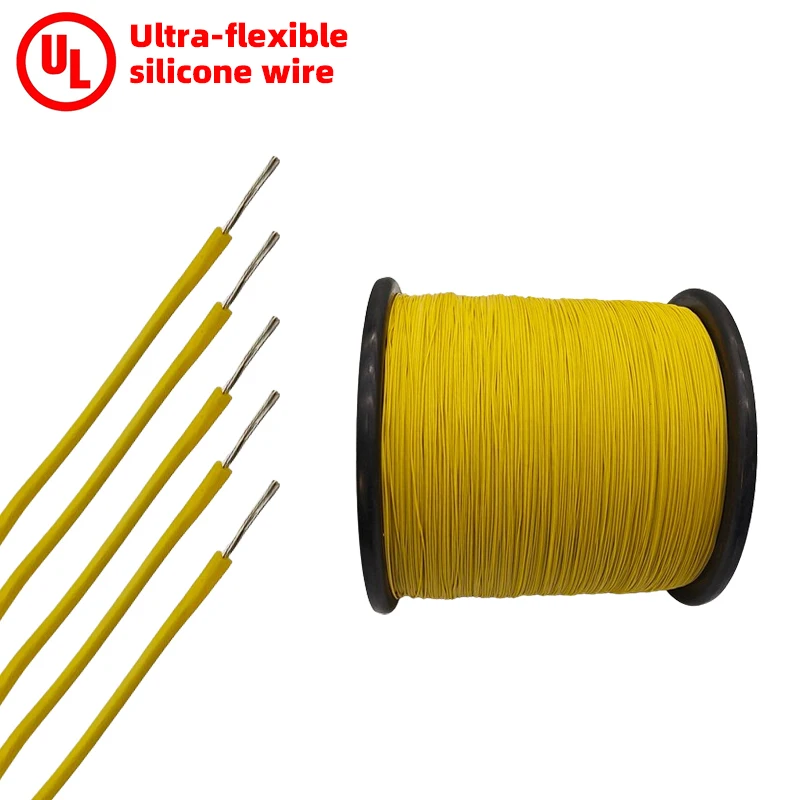
Premium Domestic Electric Wire Solutions - Safe, Reliable Residential Wiring Systems

Get a Free Quote

Our representative will contact you soon.
Email
Name
Company Name
Message
0/1000

domestic electric wire

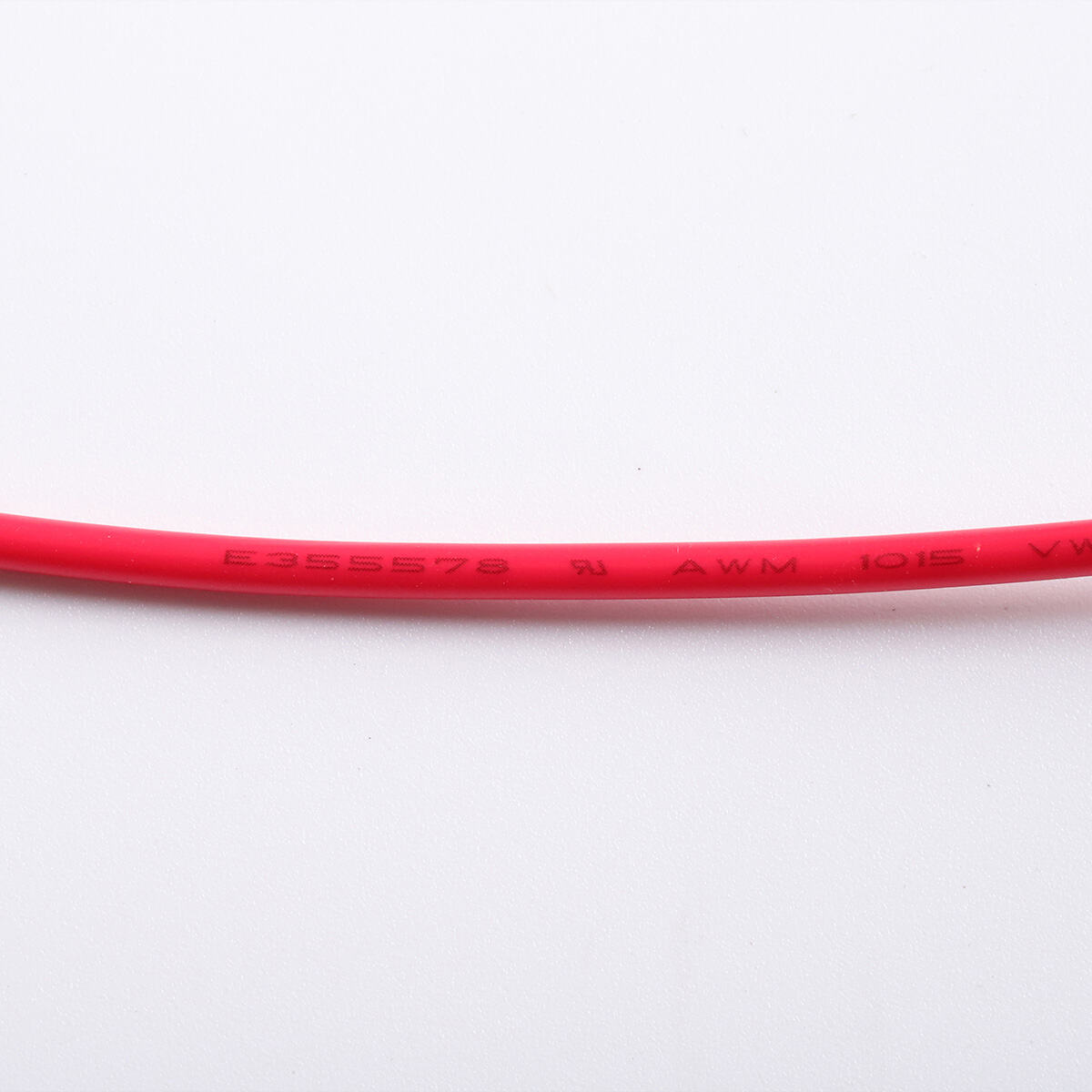
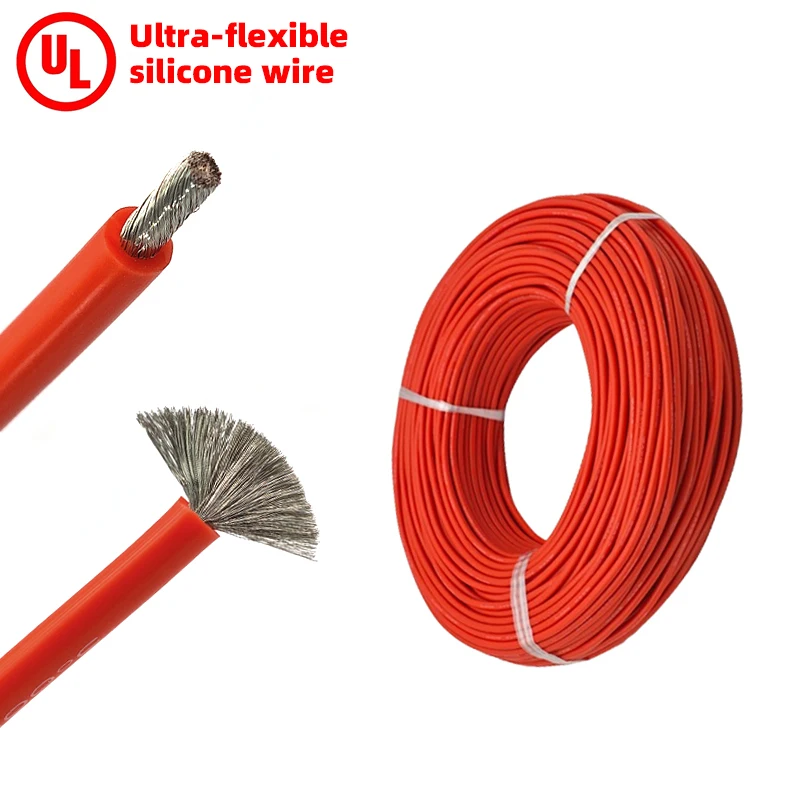
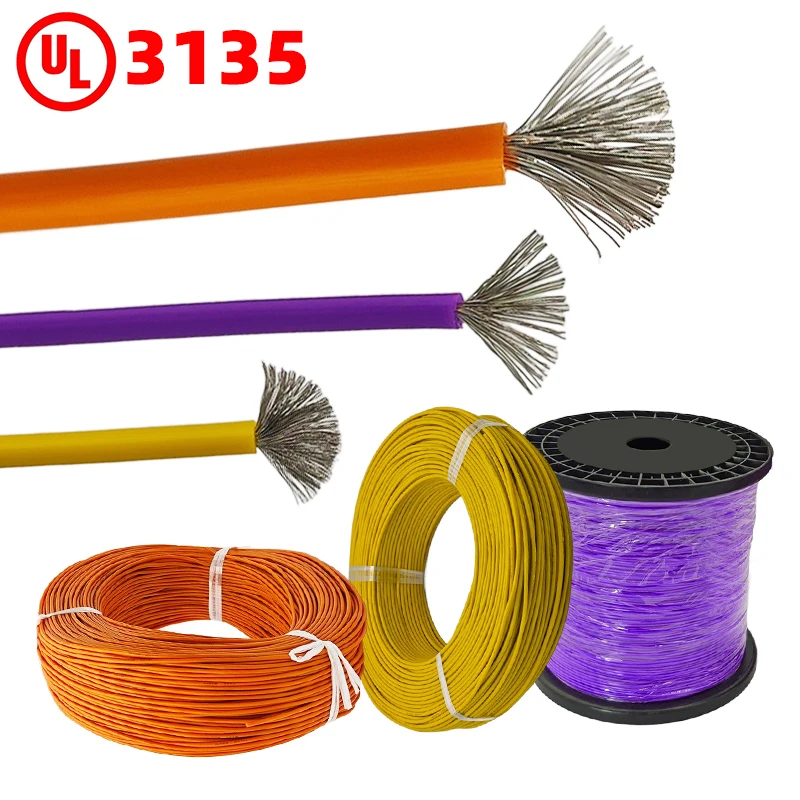
Domestic electric wire represents the backbone of residential electrical systems, serving as the critical pathway that delivers power throughout homes and buildings. This essential component connects electrical devices to power sources while ensuring safe and reliable energy distribution across various household applications. The domestic electric wire functions as a conductor that carries electrical current from the main electrical panel to outlets, switches, lighting fixtures, and appliances throughout residential spaces. Modern domestic electric wire incorporates advanced copper or aluminum conductors wrapped in protective insulation materials, typically made from PVC, XLPE, or rubber compounds that provide excellent electrical isolation and safety protection. The technological features of domestic electric wire include multiple gauge sizes ranging from 14 AWG to 12 AWG for standard household circuits, with specialized configurations for high-power applications like air conditioning units and electric ranges. These wires feature color-coded insulation systems that help electricians identify circuit functions, with black indicating hot wires, white representing neutral conductors, and green or bare copper serving as ground connections. The applications of domestic electric wire span across numerous residential electrical systems including general lighting circuits, outlet installations, appliance connections, and HVAC system wiring. Professional installations utilize domestic electric wire in both surface mounting and concealed routing through walls, ceilings, and conduit systems. The wire construction includes stranded or solid conductor options, where stranded versions offer greater flexibility for complex routing while solid conductors provide superior current carrying capacity for straight runs. Temperature ratings ensure domestic electric wire performs reliably in various environmental conditions, with standard ratings of 60°C, 75°C, and 90°C depending on specific application requirements and local electrical codes. The domestic electric wire industry continues advancing with improved insulation materials that resist moisture, chemicals, and physical damage while maintaining long-term electrical integrity throughout decades of service life.

New Products

Domestic electric wire delivers exceptional safety performance through rigorously tested insulation systems that prevent electrical hazards and protect household occupants from shock or fire risks. The robust construction standards ensure each domestic electric wire meets strict electrical codes and safety regulations, providing homeowners with reliable protection against electrical accidents. Installation flexibility represents another significant advantage, as domestic electric wire accommodates various routing methods including surface mounting, conduit installation, and direct burial applications for outdoor lighting and equipment connections. This versatility allows electricians to design optimal electrical layouts that meet specific architectural requirements while maintaining code compliance and aesthetic appeal. The cost-effectiveness of domestic electric wire makes residential electrical projects more affordable compared to specialized wiring systems, delivering excellent value through competitive pricing without compromising performance or safety standards. Homeowners benefit from reduced installation costs while gaining access to professional-grade electrical infrastructure that supports modern household power demands. Durability characteristics ensure domestic electric wire maintains electrical performance over extended service periods, typically lasting 30 years or more under normal operating conditions. The superior insulation materials resist environmental factors including temperature fluctuations, moisture exposure, and mechanical stress that could compromise electrical integrity over time. Compatibility advantages allow domestic electric wire to integrate seamlessly with standard electrical components including outlets, switches, circuit breakers, and electrical panels used in residential construction. This universal compatibility eliminates concerns about component matching while ensuring reliable electrical connections throughout the home electrical system. Energy efficiency benefits result from the low resistance characteristics of domestic electric wire conductors, minimizing power losses during electrical transmission and reducing overall energy consumption. The optimized conductor design delivers maximum electrical performance while supporting energy conservation goals that translate into lower utility bills for homeowners. Maintenance requirements remain minimal for properly installed domestic electric wire systems, reducing long-term ownership costs and eliminating frequent replacement needs. The reliable performance characteristics mean homeowners can depend on consistent electrical service without unexpected failures or costly emergency repairs, providing peace of mind and operational continuity for household electrical needs.

Latest News

Highly Flexible Wires & Cables: Superior Performance, Custom Solutions for Efficient Industrial Operations

21

Nov

Highly Flexible Wires & Cables: Superior Performance, Custom Solutions for Efficient Industrial Operations

View More
Efficient Custom Cable Assembly Solutions to Meet All Your Needs

21

Nov

Efficient Custom Cable Assembly Solutions to Meet All Your Needs

View More
Tailored Solutions: Enhancing Automotive Performance with Customized Wiring Harnesses

21

Nov

Tailored Solutions: Enhancing Automotive Performance with Customized Wiring Harnesses

View More

Get a Free Quote

Our representative will contact you soon.
Email
Name
Company Name
Message
0/1000

domestic electric wire

Superior Safety and Code Compliance

Superior Safety and Code Compliance

The paramount advantage of domestic electric wire lies in its comprehensive safety engineering and strict adherence to national electrical codes, making it the preferred choice for residential installations where occupant protection takes priority. Every domestic electric wire manufactured for household use undergoes rigorous testing protocols that verify insulation integrity, conductor performance, and flame resistance characteristics according to UL standards and NEC requirements. The insulation systems incorporate advanced polymer compounds that provide multiple layers of protection against electrical faults, preventing dangerous current leakage that could cause fires or electrocution hazards. The color-coding system integrated into domestic electric wire designs enables electricians to maintain proper circuit identification throughout installation and future maintenance procedures, reducing the risk of wiring errors that could compromise safety. Ground fault protection becomes more effective when domestic electric wire installations include properly sized equipment grounding conductors that provide reliable fault current paths back to the electrical panel. The temperature ratings built into domestic electric wire specifications ensure safe operation even under elevated ambient conditions or when multiple circuits share common raceways, preventing insulation degradation that could lead to electrical failures. Fire resistance characteristics of domestic electric wire insulation materials have been extensively tested to verify they will not propagate flames or contribute to fire spread in residential structures, providing crucial protection for families and property. The mechanical protection offered by domestic electric wire construction includes resistance to physical damage from construction activities, rodent intrusion, and environmental factors that could expose live conductors. Professional electricians rely on domestic electric wire because its predictable performance characteristics and standardized specifications eliminate guesswork during installation, ensuring every connection meets safety requirements and code compliance standards that protect homeowners throughout the electrical system's service life.
Exceptional Installation Flexibility and Compatibility

Exceptional Installation Flexibility and Compatibility

Domestic electric wire excels in providing unmatched installation flexibility that accommodates diverse residential construction methods and architectural requirements while maintaining seamless compatibility with standard electrical components. The range of conductor configurations available in domestic electric wire includes both solid and stranded options, allowing electricians to select optimal conductors based on specific installation challenges such as tight radius bends, vibration exposure, or frequent disconnection requirements. Solid conductor domestic electric wire performs exceptionally well in permanent installations where straight runs predominate, offering superior current-carrying capacity and long-term connection stability at terminal points. Stranded conductor versions provide enhanced flexibility for complex routing scenarios including curved pathways, equipment connections requiring frequent movement, and installations where wire manipulation during termination becomes critical for proper connections. The insulation thickness and material composition of domestic electric wire accommodates various installation environments including damp locations, temperature extremes, and areas requiring enhanced mechanical protection without requiring specialized conduit systems. Compatibility advantages extend beyond conductor characteristics to include terminal compatibility with standard residential electrical devices including outlets, switches, lighting fixtures, and electrical panels manufactured by different suppliers. The standardized sizing system used for domestic electric wire ensures proper fit with wire nuts, terminal screws, and other connection hardware commonly used in residential electrical installations, eliminating compatibility concerns that could delay project completion. Installation versatility allows domestic electric wire to be used in multiple wiring methods including surface mounting with appropriate protective covers, concealed installation through wall cavities and attic spaces, and underground direct burial for outdoor lighting and equipment connections. The pulling characteristics of domestic electric wire facilitate efficient installation through conduit systems, with appropriate jacket materials that resist damage during wire pulling operations while maintaining insulation integrity. Future expansion capabilities become simplified when domestic electric wire installations include adequate spare capacity and accessibility for adding new circuits or upgrading existing electrical systems without major reconstruction requirements.
Outstanding Durability and Long-Term Performance Value

Outstanding Durability and Long-Term Performance Value

The exceptional durability characteristics of domestic electric wire establish it as a superior long-term investment that delivers decades of reliable electrical service while minimizing maintenance requirements and replacement costs throughout its extended service life. Advanced insulation materials used in domestic electric wire construction resist degradation from ultraviolet exposure, ozone attack, and chemical contamination that commonly affect electrical wiring in residential environments over time. The thermal stability of domestic electric wire insulation ensures consistent electrical properties even when subjected to temperature cycling, overload conditions, and environmental temperature variations that occur naturally in residential applications. Mechanical durability features include resistance to impact damage, crushing forces, and abrasion that might occur during construction activities or routine maintenance procedures, protecting the electrical integrity of installed wiring systems. The corrosion resistance of copper conductors used in domestic electric wire prevents oxidation and connection degradation that could increase electrical resistance and create potential failure points over extended service periods. Moisture resistance characteristics built into domestic electric wire insulation systems prevent water intrusion that could compromise electrical safety or cause premature failure in damp locations such as basements, crawl spaces, and outdoor applications. The dimensional stability of domestic electric wire ensures consistent electrical performance as insulation materials maintain their thickness and dielectric properties throughout decades of service, preventing electrical faults that could result from insulation thinning or cracking. Quality control measures implemented during domestic electric wire manufacturing include comprehensive testing of raw materials, in-process monitoring of critical parameters, and final product verification that confirms each wire meets specified performance standards before shipment. The proven track record of domestic electric wire installations demonstrates reliable performance in residential applications spanning multiple decades, with minimal failure rates that translate into reduced maintenance costs and improved system reliability for homeowners. Environmental resistance capabilities allow domestic electric wire to perform consistently in various climatic conditions including high humidity, temperature extremes, and exposure to common household chemicals without experiencing premature deterioration or performance degradation that would require costly replacement before the end of its design service life.

Get a Free Quote

Our representative will contact you soon.
Email
Name
Company Name
Message
0/1000