Flexible High Voltage Cable Solutions - Advanced Power Transmission Technology

Get a Free Quote

Our representative will contact you soon.
Email
Name
Company Name
Message
0/1000

flexible high voltage cable

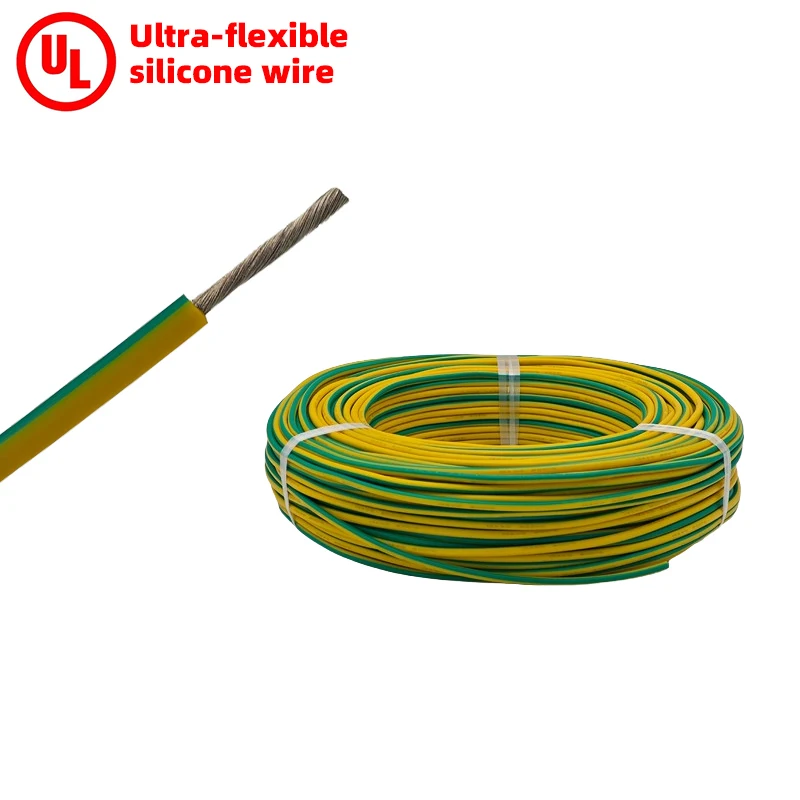
Flexible high voltage cable represents a critical advancement in electrical power transmission technology, designed to handle substantial electrical loads while maintaining exceptional bendability and durability. These specialized cables are engineered to transmit high voltage electricity safely and efficiently across various installations where traditional rigid cables would prove impractical or impossible to implement. The primary function of flexible high voltage cable involves carrying electrical current at voltages typically ranging from 1kV to 35kV or higher, depending on specific applications and industry requirements. The technological foundation of flexible high voltage cable incorporates advanced insulation materials, typically cross-linked polyethylene or ethylene propylene rubber, which provide superior dielectric properties and thermal resistance. The conductor core usually consists of stranded copper or aluminum wires, allowing for enhanced flexibility while maintaining excellent conductivity. Multi-layer construction includes semiconducting screens, metallic shielding, and protective outer jackets that ensure electrical safety and mechanical protection. Applications for flexible high voltage cable span numerous industries including renewable energy installations, mining operations, marine environments, temporary power distribution, mobile substations, and industrial machinery. Wind farms extensively utilize these cables to connect turbines to substations, as the flexibility accommodates tower movement and rotation. Mining operations depend on flexible high voltage cable for powering heavy machinery in confined spaces where cable routing requires frequent bending. Marine applications benefit from the cables water-resistant properties and flexibility needed for offshore platforms and vessels. Temporary construction sites rely on these cables for portable power distribution systems. The manufacturing process involves precise extrusion techniques, cross-linking procedures, and rigorous quality testing to ensure each flexible high voltage cable meets international safety standards and performance specifications for reliable long-term operation.

New Product Releases

Flexible high voltage cable offers remarkable installation advantages that significantly reduce project complexity and labor costs. The bendability of these cables eliminates the need for extensive conduit systems and specialized routing equipment typically required for rigid alternatives. Installation teams can navigate tight corners, confined spaces, and irregular pathways with ease, reducing installation time by up to 40 percent compared to traditional rigid cables. This flexibility translates directly into cost savings for contractors and project owners through reduced labor hours and simplified installation procedures. The lightweight construction of flexible high voltage cable further enhances installation efficiency, as workers can handle longer cable runs without heavy machinery assistance. Durability represents another major advantage of flexible high voltage cable systems. The advanced insulation materials resist environmental stressors including temperature fluctuations, moisture, chemicals, and mechanical wear. This robust construction ensures reliable performance in harsh operating conditions where standard cables might fail prematurely. The flexible design absorbs mechanical stress and vibration that would typically cause fatigue failures in rigid systems. Cable longevity extends operational lifecycles, reducing maintenance requirements and replacement costs over time. Flexible high voltage cable provides exceptional versatility across diverse applications. The same cable type can serve multiple purposes within a single facility, from permanent installations to temporary power distribution needs. This versatility reduces inventory requirements and simplifies procurement processes for maintenance teams. The cables adapt to changing operational requirements without extensive modifications to existing infrastructure. Safety benefits of flexible high voltage cable include reduced arc fault risks due to improved stress distribution along conductor paths. The flexible construction prevents stress concentration points that often lead to insulation failures in rigid systems. Enhanced grounding capabilities and electromagnetic shielding protect both equipment and personnel from electrical hazards. The cables meet stringent international safety standards while providing superior protection against electrical faults. Performance characteristics of flexible high voltage cable deliver consistent power transmission efficiency across varying operating conditions. The stable electrical properties maintain low power losses and excellent voltage regulation even under mechanical stress. Temperature stability ensures reliable operation across wide environmental ranges without performance degradation. These performance advantages make flexible high voltage cable an ideal choice for mission-critical applications where power reliability is essential.

Practical Tips

Highly Flexible Wires & Cables: Superior Performance, Custom Solutions for Efficient Industrial Operations

21

Nov

Highly Flexible Wires & Cables: Superior Performance, Custom Solutions for Efficient Industrial Operations

View More
Efficient Custom Cable Assembly Solutions to Meet All Your Needs

21

Nov

Efficient Custom Cable Assembly Solutions to Meet All Your Needs

View More
Tailored Solutions: Enhancing Automotive Performance with Customized Wiring Harnesses

21

Nov

Tailored Solutions: Enhancing Automotive Performance with Customized Wiring Harnesses

View More

Get a Free Quote

Our representative will contact you soon.
Email
Name
Company Name
Message
0/1000

flexible high voltage cable

Superior Flexibility and Mechanical Performance

Superior Flexibility and Mechanical Performance

The outstanding flexibility of flexible high voltage cable stems from its innovative construction design that incorporates specially engineered conductor configurations and advanced insulation systems. The stranded conductor core consists of multiple fine copper or aluminum wires arranged in specific geometric patterns that maximize bendability while maintaining optimal current-carrying capacity. This construction allows the flexible high voltage cable to achieve minimum bend radii significantly smaller than rigid alternatives, typically 6 to 8 times the cable diameter compared to 12 to 15 times for conventional cables. The insulation system utilizes cross-linked materials that maintain their dielectric properties even under repeated flexing cycles, ensuring long-term reliability in dynamic applications. Manufacturing processes include specialized cross-linking techniques that create molecular bonds within the insulation, providing exceptional resistance to mechanical stress and thermal cycling. The semiconducting layers surrounding the conductor and insulation create uniform electric field distribution, preventing stress concentrations that could lead to premature failure. The metallic shielding incorporates flexible braided or tape constructions that maintain electrical continuity during bending while providing effective electromagnetic interference protection. The outer jacket materials are formulated to resist abrasion, chemicals, and environmental exposure while retaining flexibility across wide temperature ranges. Quality control procedures include comprehensive flex testing that subjects each flexible high voltage cable design to thousands of bend cycles under load conditions, verifying performance longevity. The mechanical performance extends beyond basic flexibility to include superior resistance to torsional stress, compression forces, and impact damage. Installation procedures benefit significantly from this flexibility, as cables can be routed through complex pathways without intermediate junction boxes or specialized bending fixtures. The reduced installation complexity translates into faster project completion times and lower labor costs, making flexible high voltage cable an economically attractive solution for challenging installations.
Advanced Insulation Technology and Safety Features

Advanced Insulation Technology and Safety Features

The insulation technology incorporated in flexible high voltage cable represents decades of materials science advancement, utilizing cross-linked polyethylene and ethylene propylene rubber compounds specifically formulated for high voltage applications. These advanced insulation materials provide exceptional dielectric strength, maintaining their electrical properties across wide temperature ranges and under mechanical stress conditions that would compromise conventional insulation systems. The cross-linking process creates three-dimensional molecular networks that prevent thermal degradation and maintain structural integrity even at elevated operating temperatures. The multi-layer insulation design includes semiconducting screens that ensure uniform electric field distribution around the conductor, eliminating field concentrations that could cause partial discharge and insulation breakdown. The flexible high voltage cable incorporates triple extrusion manufacturing techniques that create seamless interfaces between insulation layers, preventing moisture ingress and contamination that could compromise electrical performance. Water-resistant formulations protect against hydrolysis and treeing phenomena that typically affect cables in humid environments. The insulation system includes proprietary additive packages that enhance resistance to chemical exposure, ozone degradation, and ultraviolet radiation for outdoor applications. Safety features extend beyond basic insulation to include comprehensive fault protection systems. The metallic shielding provides effective grounding paths for fault currents while offering electromagnetic compatibility benefits that protect sensitive electronic equipment. The shield construction utilizes redundant grounding connections that maintain circuit integrity even if primary grounding systems experience failures. Fire-resistant jacket materials meet stringent flame propagation standards, limiting fire spread in the unlikely event of insulation breakdown. Low smoke and halogen-free formulations ensure safe evacuation conditions in enclosed spaces. The flexible high voltage cable design incorporates fault indicators and monitoring capabilities that enable predictive maintenance programs. Partial discharge detection systems can identify developing insulation problems before they progress to complete failures, allowing scheduled maintenance that prevents costly unplanned outages.
Versatile Applications and Environmental Adaptability

Versatile Applications and Environmental Adaptability

The versatile design of flexible high voltage cable enables deployment across an extraordinary range of applications, from permanent industrial installations to temporary construction projects, each benefiting from the cables unique combination of electrical performance and mechanical adaptability. Wind energy installations represent one of the most demanding applications for flexible high voltage cable, where the cables must accommodate continuous turbine nacelle rotation while maintaining reliable power transmission from generators to ground-based transformers. The cables withstand repeated twisting motions, temperature cycling, and vibration loads that would quickly fatigue rigid alternatives. Marine applications showcase the environmental adaptability of flexible high voltage cable, where specialized jacket materials resist saltwater corrosion, marine growth, and extreme weather conditions while maintaining flexibility in cold ocean environments. Offshore drilling platforms and vessel-to-shore power connections rely on the cables ability to flex with wave motion and thermal expansion without compromising electrical integrity. Mining operations present unique challenges where flexible high voltage cable must function in confined underground spaces with limited routing options, exposure to rock dust, chemicals, and mechanical impact hazards. The cables navigate tight tunnel systems and equipment compartments while providing reliable power to heavy machinery operating in continuous duty cycles. Temporary power distribution represents another critical application area where flexible high voltage cable provides rapid deployment capabilities for construction sites, emergency power restoration, and event installations. The cables can be quickly installed without permanent mounting systems, then easily relocated as project requirements change. Entertainment venues utilize flexible high voltage cable for stage lighting and sound system power distribution, where frequent reconfiguration demands cables that maintain performance through repeated handling and positioning changes. Data center applications benefit from the electromagnetic shielding properties and space-efficient routing capabilities of flexible high voltage cable in high-density server installations. The environmental adaptability extends to extreme temperature applications, from arctic installations where cables must remain flexible at minus 40 degrees Celsius to desert solar farms where cables operate reliably at elevated temperatures exceeding 80 degrees Celsius. Chemical processing facilities require cables that resist exposure to corrosive atmospheres while maintaining safety standards in potentially explosive environments.

Get a Free Quote

Our representative will contact you soon.
Email
Name
Company Name
Message
0/1000