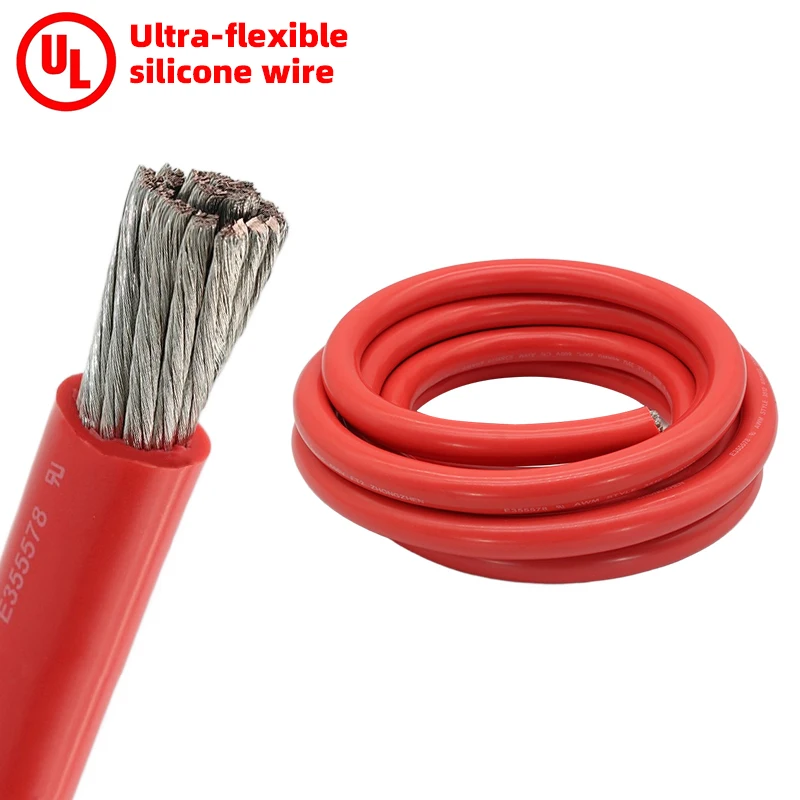
high voltage cable xlpe
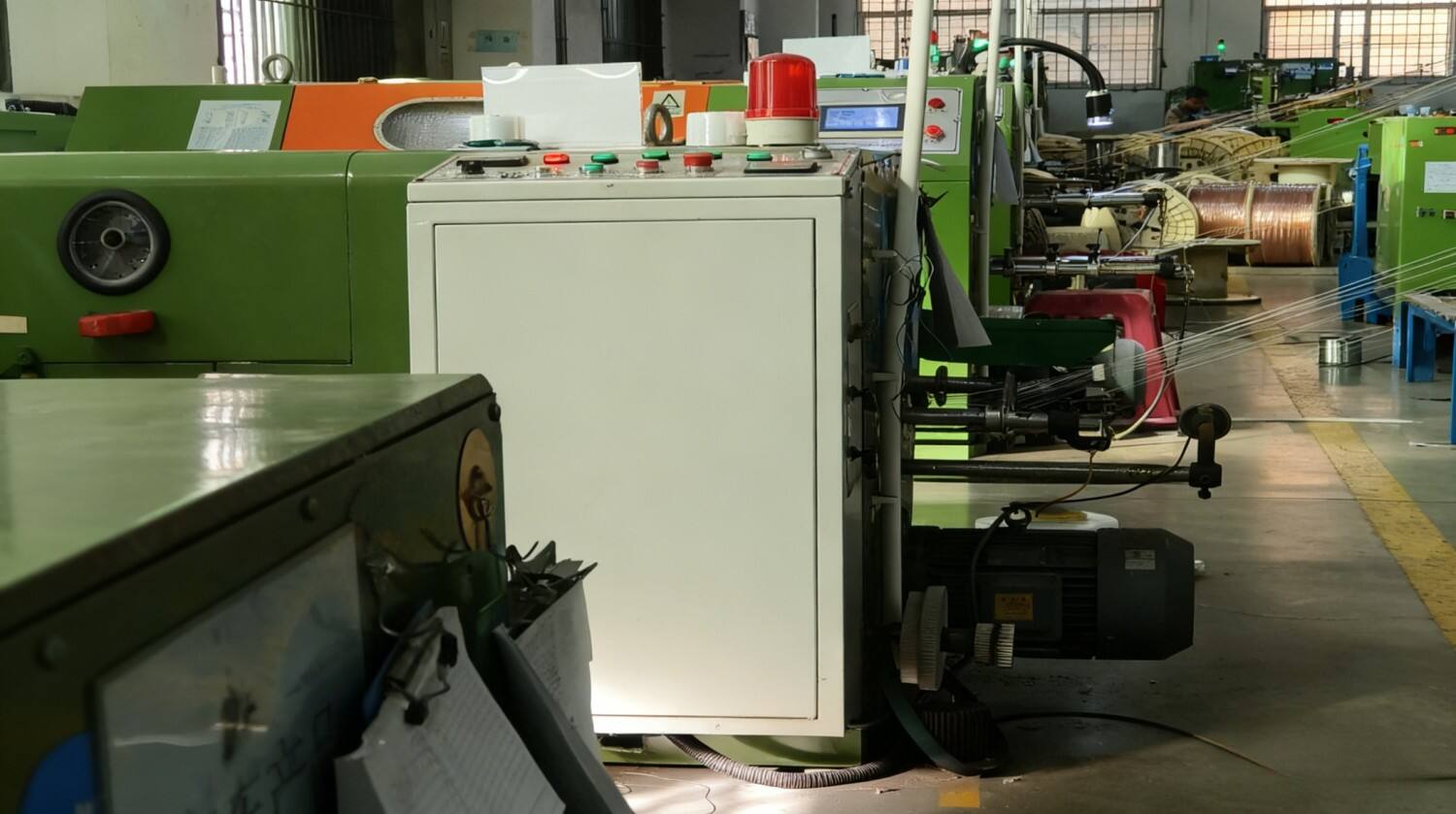
High voltage cable XLPE represents a revolutionary advancement in electrical transmission technology, utilizing cross-linked polyethylene insulation to deliver superior performance across demanding applications. This sophisticated cable system combines exceptional dielectric properties with robust mechanical characteristics, making it the preferred choice for utility companies, industrial facilities, and infrastructure projects worldwide. The high voltage cable XLPE features cross-linked polyethylene insulation that provides enhanced thermal stability and chemical resistance compared to traditional cable materials. This advanced insulation system enables the cable to operate at elevated temperatures while maintaining excellent electrical properties, resulting in increased power transmission capacity and extended service life. The cross-linking process creates a three-dimensional molecular structure that significantly improves the material's performance under stress and temperature variations. Modern high voltage cable XLPE incorporates multiple protective layers, including conductor shields, insulation shields, and metallic screens, ensuring reliable operation in harsh environmental conditions. The cable's design accommodates voltage levels ranging from medium to extra-high voltage applications, typically spanning 6kV to 500kV systems. Key technological features include superior impulse voltage withstand capability, low dielectric losses, and excellent aging characteristics that maintain performance over decades of operation. The high voltage cable XLPE finds extensive applications in power distribution networks, renewable energy installations, industrial complexes, and underground transmission systems. Electric utilities rely on these cables for grid modernization projects, where space constraints and environmental considerations favor underground installations over overhead lines. The cable's flexibility and durability make it suitable for challenging installation scenarios, including directional drilling, submarine crossings, and urban infrastructure development. Manufacturing processes ensure consistent quality through precise temperature control during cross-linking, resulting in uniform electrical and mechanical properties throughout the cable length. Quality assurance protocols include comprehensive testing for partial discharge, thermal cycling, and long-term aging to guarantee reliable performance in critical applications.
 EN
EN