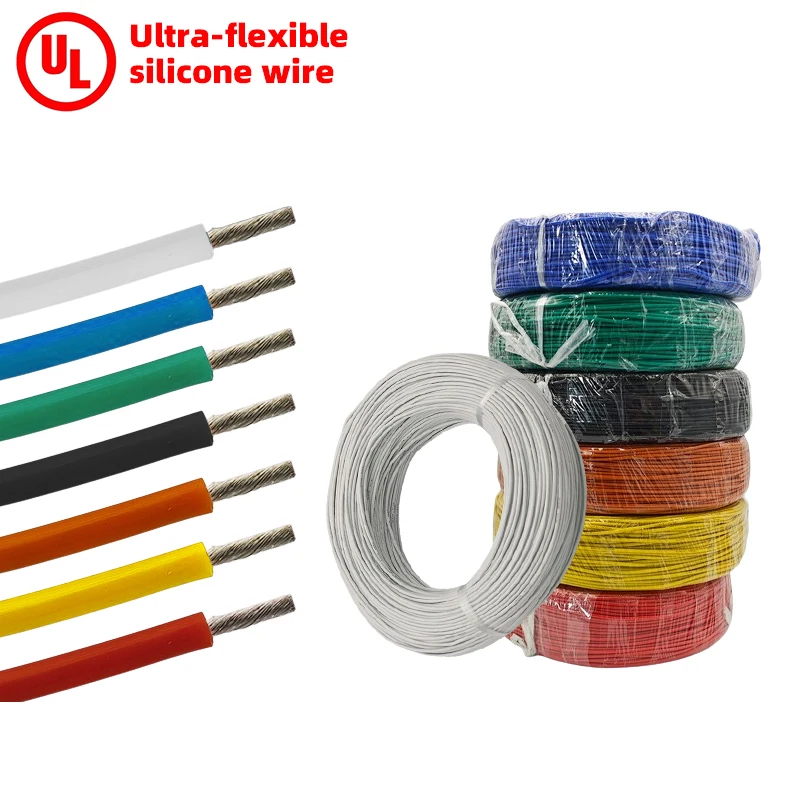
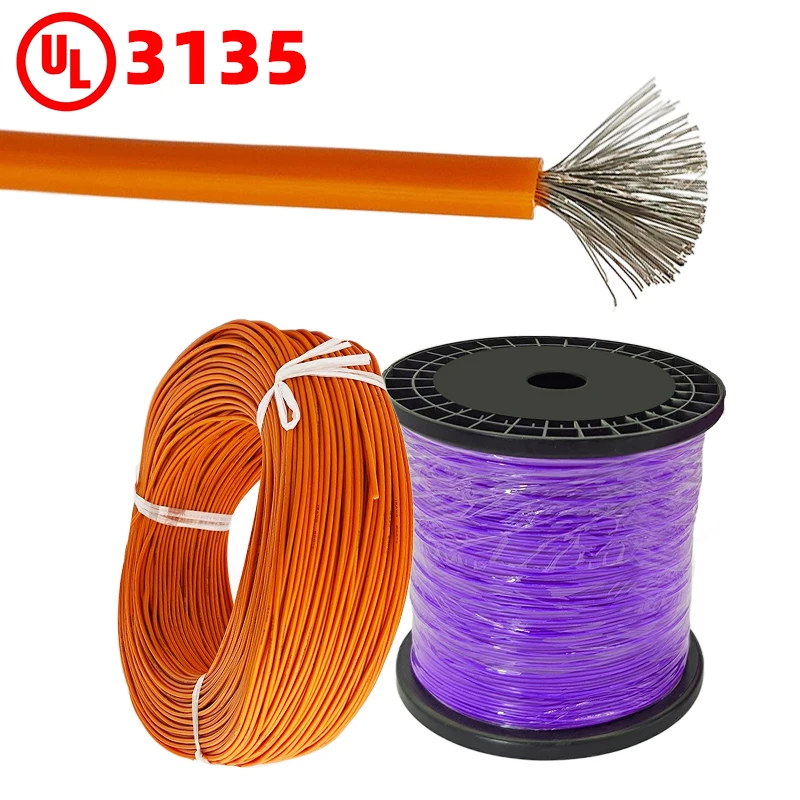
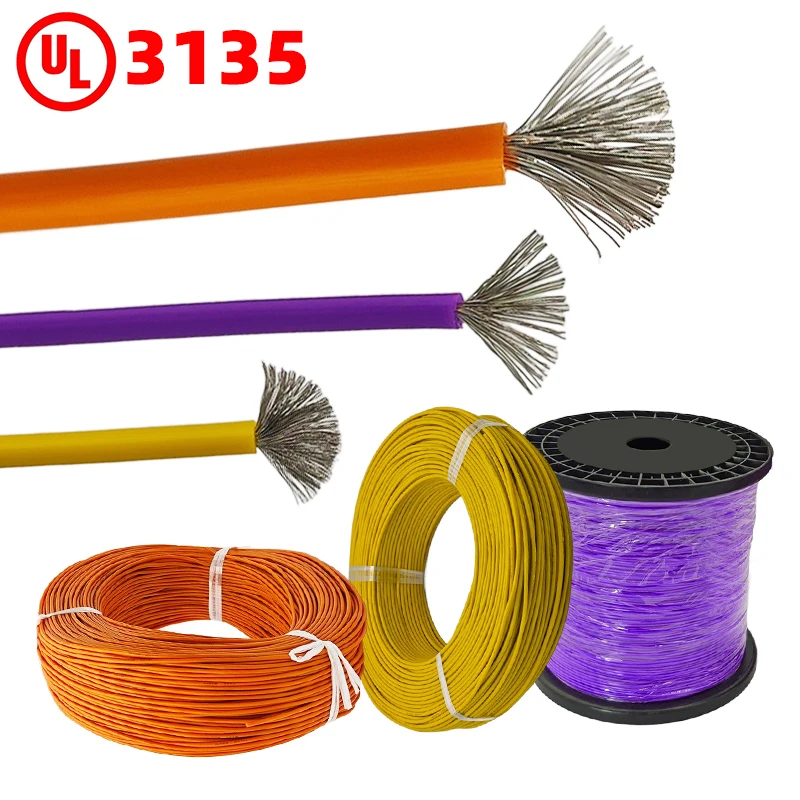
High Voltage Copper Wire: Superior Electrical Conductors for Power Transmission and Industrial Applications

Get a Free Quote

Our representative will contact you soon.
Email
Name
Company Name
Message
0/1000

high voltage copper wire

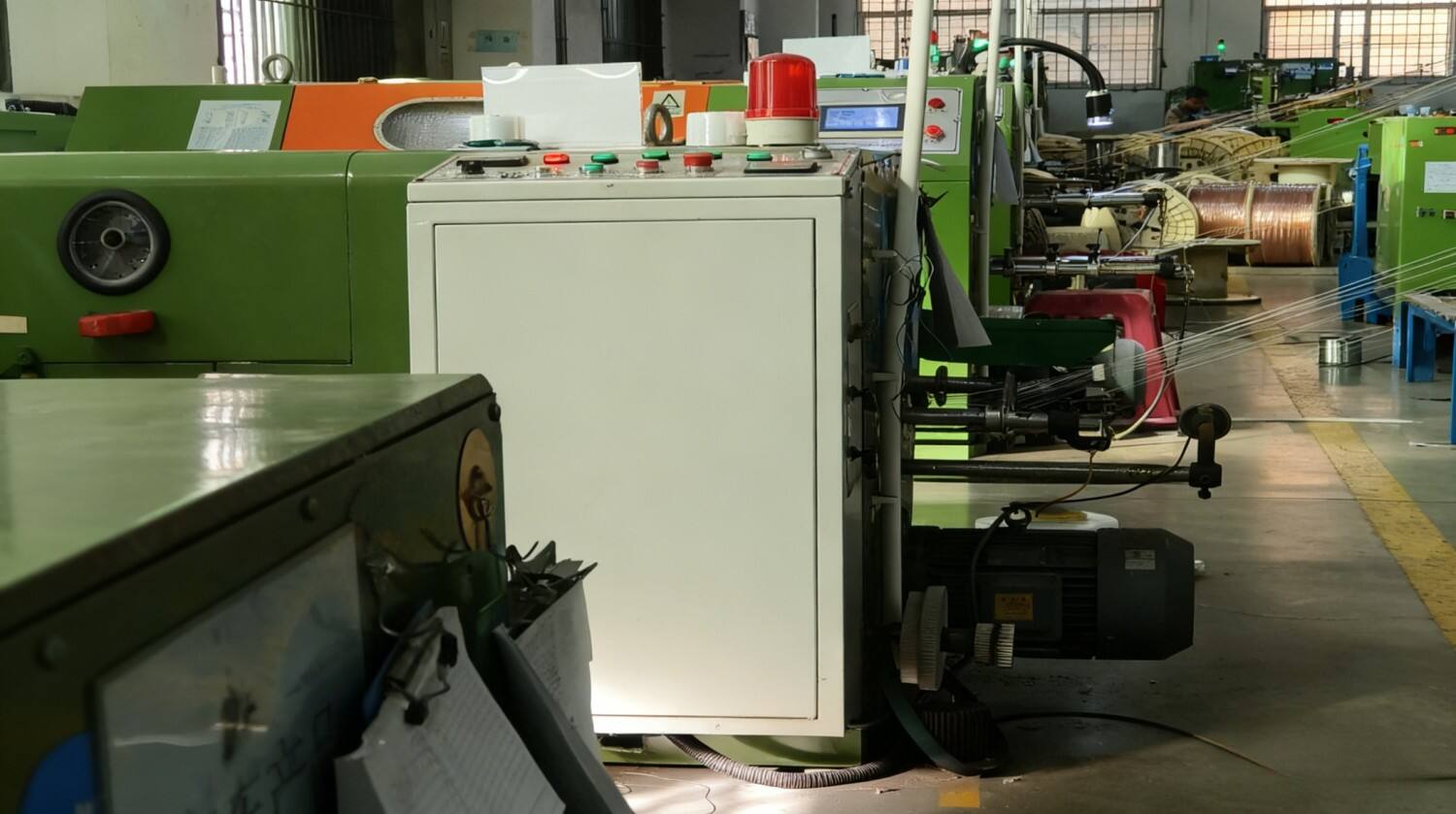
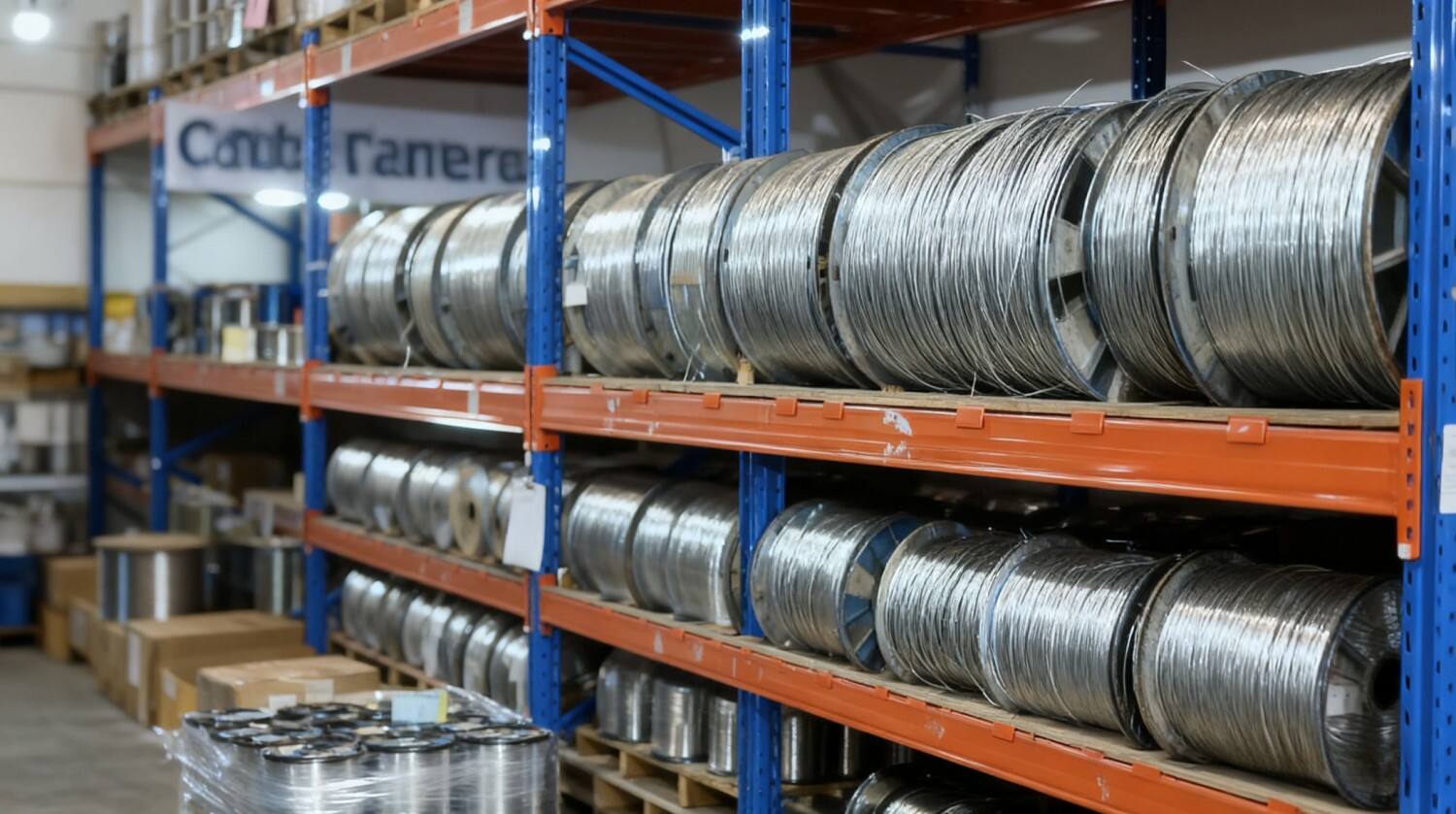
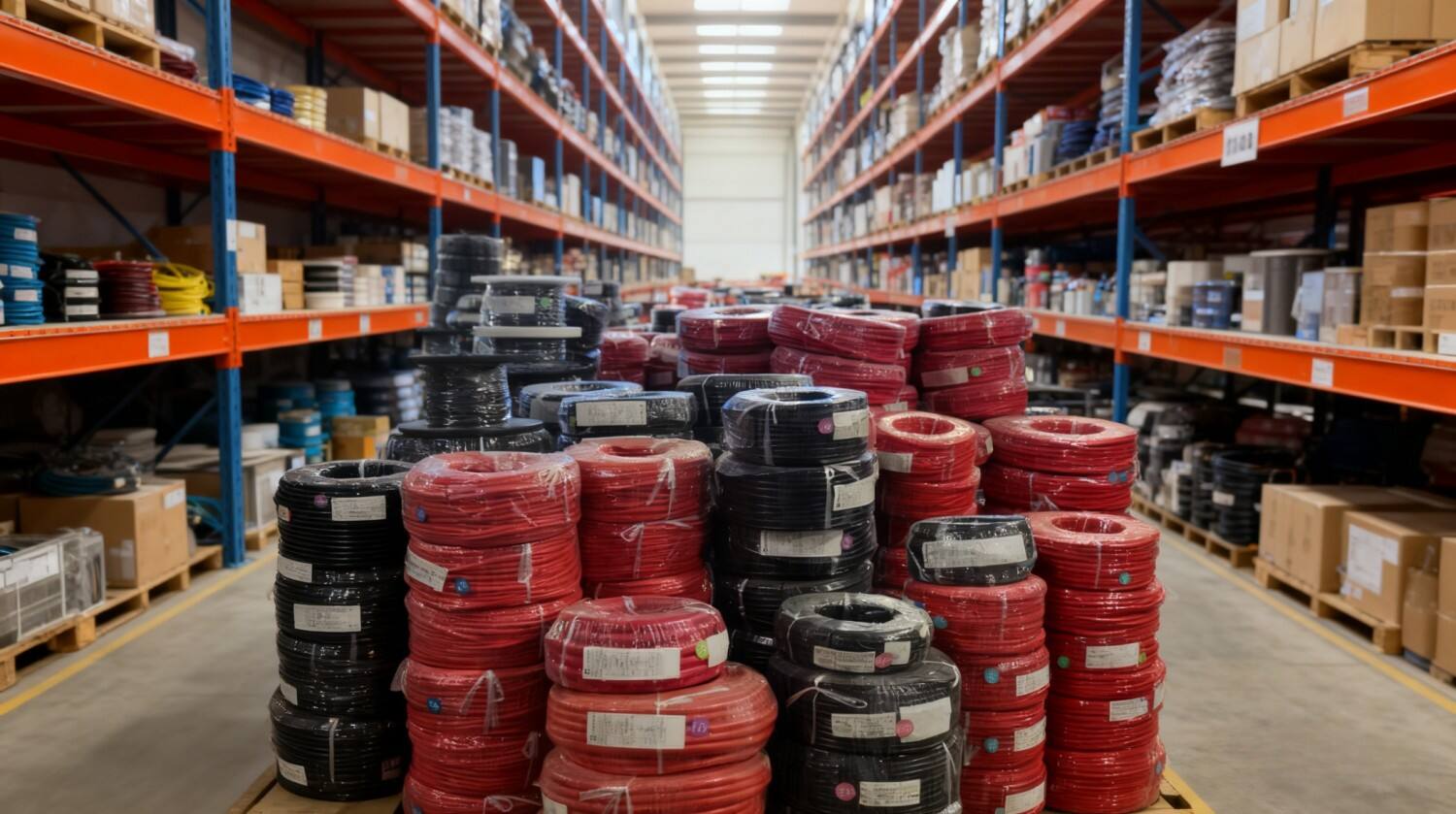
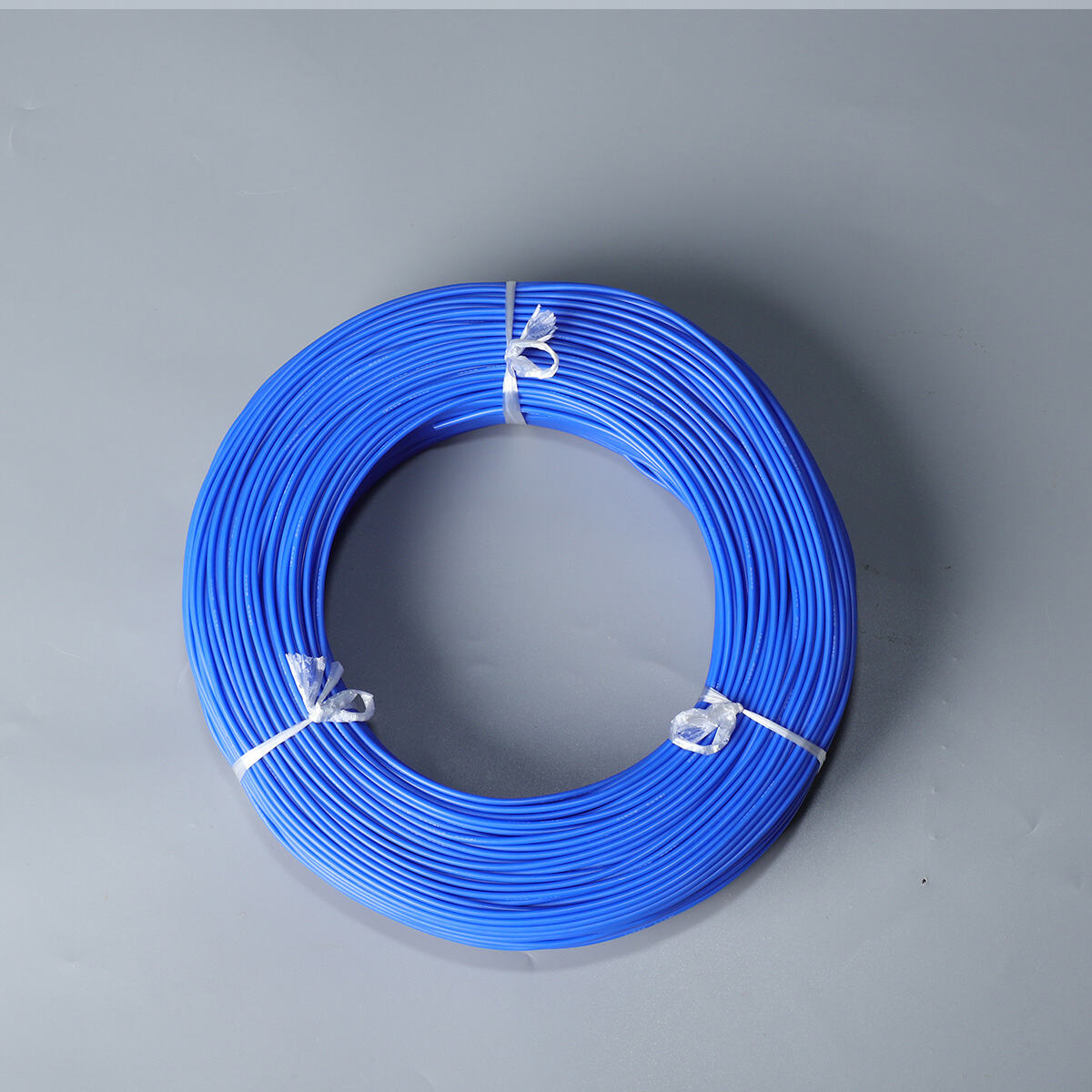
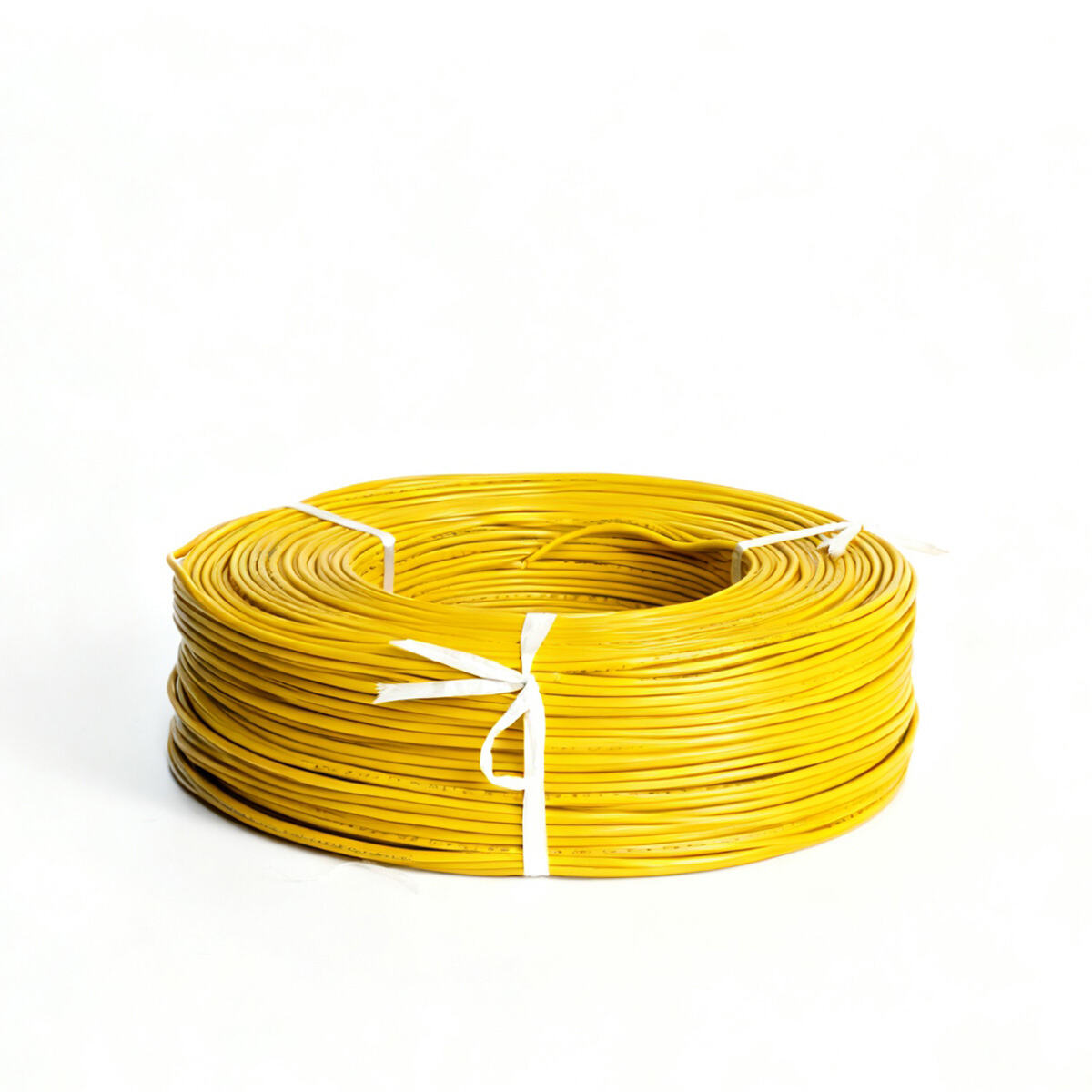
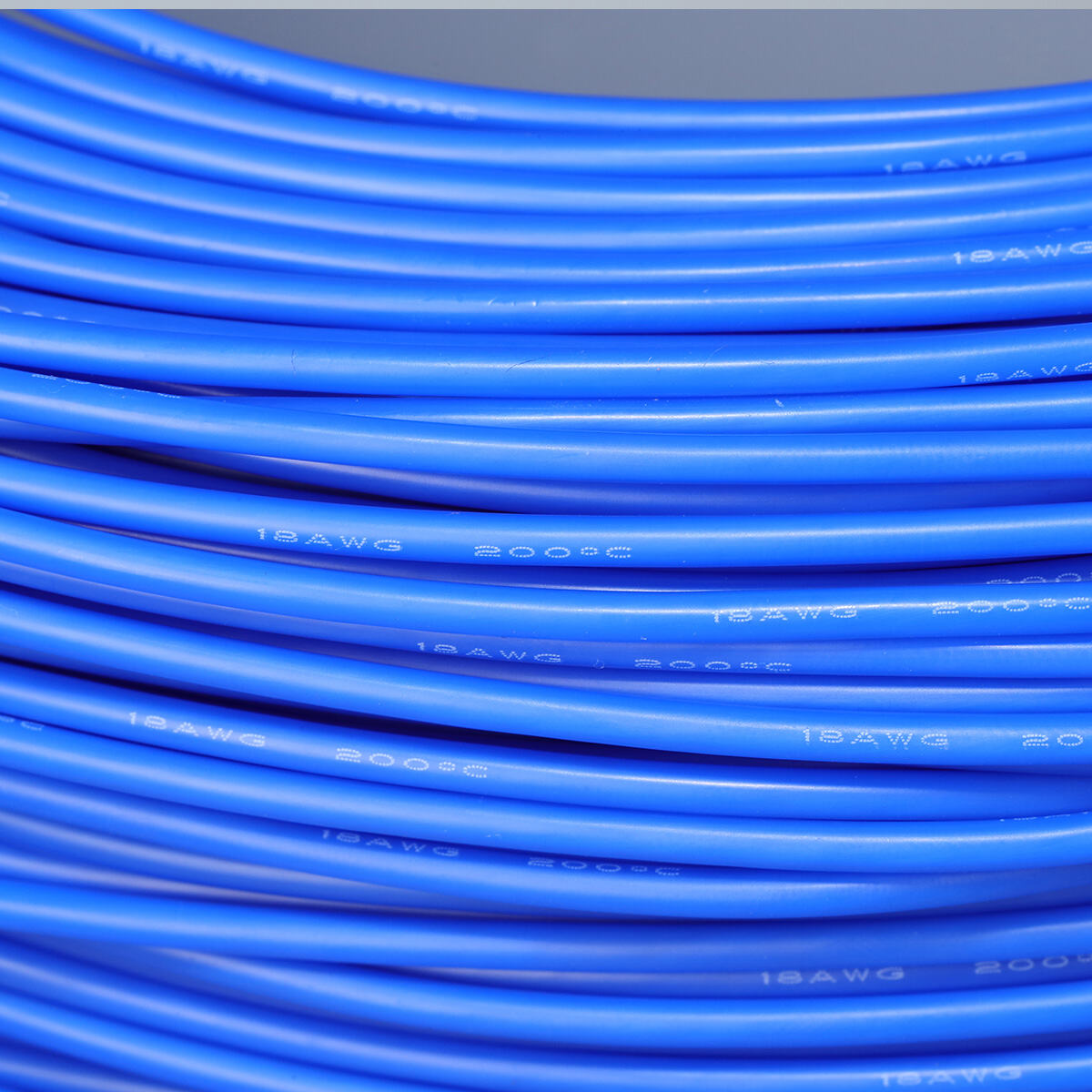
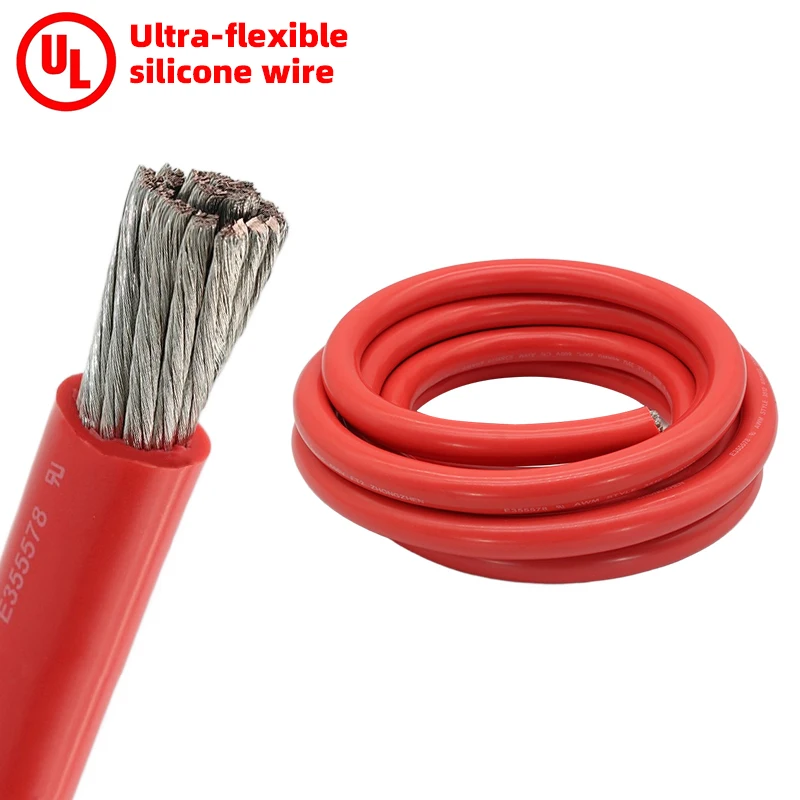
High voltage copper wire represents a critical component in modern electrical infrastructure, serving as the backbone for power transmission and distribution systems worldwide. This specialized electrical conductor combines the exceptional conductivity properties of copper with advanced insulation technologies to safely carry electrical currents at voltages typically exceeding 1000 volts. The high voltage copper wire features a multi-layered construction that includes a solid or stranded copper core, multiple insulation layers, and protective sheathing designed to withstand extreme electrical stress and environmental conditions. The copper core provides superior electrical conductivity, ensuring minimal power loss during transmission while maintaining structural integrity under high electrical loads. Advanced polymer insulation materials surround the conductor, creating multiple barriers against electrical breakdown and environmental degradation. These insulation systems often incorporate cross-linked polyethylene, ethylene propylene rubber, or other specialized compounds that offer excellent dielectric strength and thermal stability. The outer protective layers shield the high voltage copper wire from moisture, chemicals, UV radiation, and mechanical damage. Manufacturing processes for high voltage copper wire involve precise quality control measures, including conductor drawing, insulation extrusion, and comprehensive testing protocols. Each wire undergoes rigorous electrical testing, including partial discharge measurements, dielectric strength verification, and conductor resistance validation. The high voltage copper wire finds extensive applications in power generation facilities, electrical substations, underground distribution networks, industrial installations, and renewable energy systems. These cables enable efficient power transfer from generation sources to end users while maintaining safety standards and reliability requirements. The selection of appropriate high voltage copper wire depends on factors such as voltage rating, current capacity, installation environment, and regulatory compliance requirements.

New Product Releases

High voltage copper wire delivers exceptional performance benefits that make it the preferred choice for demanding electrical applications across various industries. The superior electrical conductivity of copper ensures minimal energy losses during power transmission, resulting in significant cost savings for utility companies and industrial facilities. This enhanced efficiency translates directly into reduced operating expenses and improved environmental sustainability through decreased energy waste. The high voltage copper wire demonstrates remarkable durability and longevity, withstanding harsh environmental conditions including temperature extremes, moisture exposure, and chemical contamination. This resilience reduces maintenance requirements and extends service life, providing excellent return on investment for infrastructure projects. The flexible design of high voltage copper wire facilitates easier installation in complex routing scenarios, reducing labor costs and installation time compared to rigid alternatives. Advanced insulation systems provide superior protection against electrical faults, minimizing the risk of power outages and equipment damage. This reliability ensures consistent power delivery to critical facilities and residential areas, supporting economic stability and public safety. The high voltage copper wire offers excellent thermal performance, efficiently dissipating heat generated during normal operation while maintaining structural integrity under overload conditions. This thermal management capability prevents premature aging and extends operational lifespan. The standardized manufacturing processes ensure consistent quality and compatibility with existing infrastructure, simplifying procurement and installation procedures. Copper's natural resistance to corrosion eliminates the need for extensive protective treatments, reducing initial costs and ongoing maintenance expenses. The recyclability of copper materials supports sustainable practices and provides residual value at end-of-life disposal. Testing and certification procedures for high voltage copper wire ensure compliance with international safety standards, providing confidence in system reliability and regulatory compliance. The proven track record of copper conductors in electrical applications demonstrates their reliability across diverse operating environments and load conditions.

Practical Tips

Highly Flexible Wires & Cables: Superior Performance, Custom Solutions for Efficient Industrial Operations

21

Nov

Highly Flexible Wires & Cables: Superior Performance, Custom Solutions for Efficient Industrial Operations

View More
Efficient Custom Cable Assembly Solutions to Meet All Your Needs

21

Nov

Efficient Custom Cable Assembly Solutions to Meet All Your Needs

View More
Tailored Solutions: Enhancing Automotive Performance with Customized Wiring Harnesses

21

Nov

Tailored Solutions: Enhancing Automotive Performance with Customized Wiring Harnesses

View More

Get a Free Quote

Our representative will contact you soon.
Email
Name
Company Name
Message
0/1000

high voltage copper wire

Advanced Multi-Layer Insulation Technology

Advanced Multi-Layer Insulation Technology

The high voltage copper wire incorporates state-of-the-art multi-layer insulation technology that represents a significant advancement in electrical cable design and safety engineering. This sophisticated insulation system consists of multiple specialized layers, each engineered to perform specific functions in protecting the copper conductor and ensuring safe operation at elevated voltages. The primary insulation layer, typically composed of cross-linked polyethylene or ethylene propylene rubber, provides the fundamental dielectric barrier that prevents electrical breakdown between the conductor and external components. This layer undergoes precise manufacturing processes including electron beam cross-linking or chemical cross-linking to achieve optimal electrical properties and mechanical strength. The secondary insulation layers offer additional protection against environmental factors while providing redundant safety barriers. These layers often incorporate semiconducting compounds that help distribute electrical stress uniformly across the insulation surface, preventing localized hot spots that could lead to premature failure. The outer insulation layers feature enhanced resistance to UV radiation, ozone exposure, and chemical contamination, ensuring long-term performance in outdoor installations. Advanced polymer formulations used in high voltage copper wire insulation systems provide exceptional thermal stability, maintaining their protective properties across wide temperature ranges from arctic cold to desert heat. The insulation thickness and composition are precisely calculated based on the intended voltage rating, ensuring adequate safety margins while optimizing cable diameter and flexibility. Quality control measures during insulation application include continuous monitoring of thickness uniformity, detection of voids or contaminants, and verification of adhesion between layers. This comprehensive insulation technology enables the high voltage copper wire to operate safely in demanding applications while providing reliable service for decades.
Superior Copper Conductor Performance

Superior Copper Conductor Performance

The copper conductor at the heart of high voltage copper wire delivers unmatched electrical performance that sets it apart from alternative conductor materials in power transmission applications. Copper's exceptional electrical conductivity, measuring approximately 58 million siemens per meter, ensures minimal resistance losses during power transmission, directly translating into improved energy efficiency and reduced operating costs. This superior conductivity characteristic of the high voltage copper wire enables utilities and industrial facilities to transmit more power through smaller conductor cross-sections, optimizing installation costs and space requirements. The manufacturing process for copper conductors involves multiple drawing operations that align the crystalline structure and eliminate impurities, resulting in consistent electrical properties throughout the conductor length. Stranded conductor configurations used in flexible high voltage copper wire applications provide enhanced mechanical properties while maintaining excellent electrical characteristics. The stranding process carefully controls wire gauge, lay direction, and compaction to optimize both flexibility and current-carrying capacity. Copper's natural ductility allows the high voltage copper wire to withstand repeated flexing and vibration without developing stress fractures that could compromise electrical continuity. The thermal properties of copper conductors enable efficient heat dissipation during normal operation and overload conditions, preventing dangerous temperature rises that could damage insulation systems. Copper's resistance to oxidation and corrosion ensures stable electrical properties over extended service periods, eliminating the need for protective coatings that might introduce additional resistance. The high voltage copper wire benefits from copper's proven compatibility with standard connection hardware and termination procedures, simplifying installation and maintenance operations. Quality assurance testing for copper conductors includes resistance measurements, tensile strength verification, and dimensional accuracy confirmation to ensure consistent performance characteristics.
Exceptional Environmental Durability and Longevity

Exceptional Environmental Durability and Longevity

High voltage copper wire demonstrates remarkable environmental durability that ensures reliable performance across diverse installation conditions and extended service periods, making it an ideal choice for critical infrastructure applications. The comprehensive protection system integrated into high voltage copper wire design addresses multiple environmental challenges including moisture ingress, chemical exposure, UV radiation, and mechanical stress that commonly affect electrical installations. Advanced sheathing materials provide robust barriers against water penetration, preventing moisture-related degradation that could compromise insulation integrity or conductor performance. These protective layers incorporate specialized polymer compounds that maintain their flexibility and protective properties across wide temperature ranges, ensuring consistent protection in both arctic and tropical climates. The high voltage copper wire features enhanced resistance to soil chemicals, industrial pollutants, and atmospheric contaminants that can accelerate cable degradation in harsh environments. Specialized formulations used in outer jacket materials provide excellent resistance to oils, acids, alkalis, and other aggressive substances commonly encountered in industrial installations. UV-stabilized compounds protect against solar radiation damage during overhead installations, preventing polymer degradation that could lead to cracking or brittleness over time. The mechanical design of high voltage copper wire incorporates appropriate flexibility and tensile strength to withstand installation stresses, ground movement, and thermal cycling without compromising electrical performance. Comprehensive testing protocols validate the environmental performance of high voltage copper wire under accelerated aging conditions, simulating decades of service to verify long-term reliability. These tests include thermal cycling, moisture exposure, chemical immersion, and mechanical stress evaluation to ensure consistent performance throughout the expected service life. The proven durability of high voltage copper wire reduces replacement frequency and maintenance requirements, providing excellent lifecycle value for infrastructure investments while ensuring continuous power delivery to critical facilities and communities.

Get a Free Quote

Our representative will contact you soon.
Email
Name
Company Name
Message
0/1000