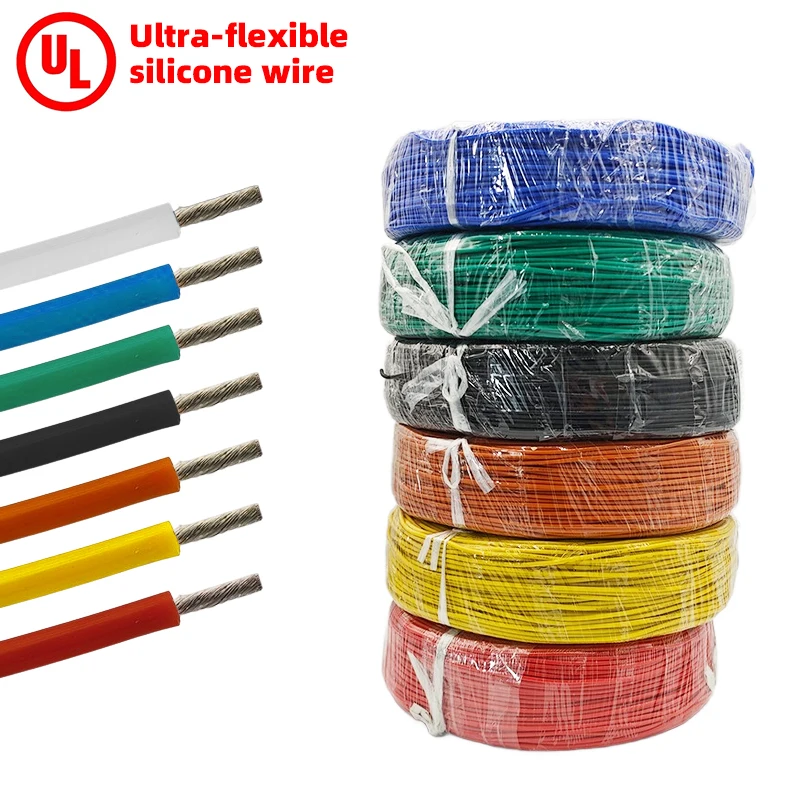
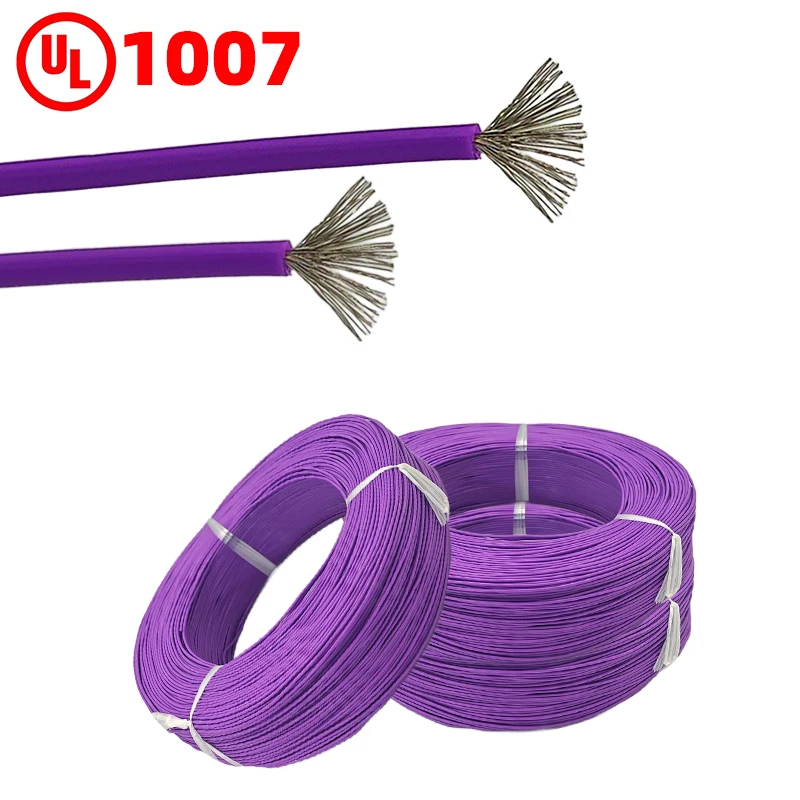
high voltage insulated cable
High voltage insulated cable represents a critical component in modern electrical infrastructure, designed specifically to transmit electrical power at voltages exceeding 35 kilovolts safely and efficiently. These specialized cables serve as the backbone of power distribution systems, connecting substations, industrial facilities, and renewable energy installations across vast distances. The primary function of high voltage insulated cable involves carrying large amounts of electrical energy while maintaining complete isolation from the surrounding environment, preventing dangerous electrical faults and ensuring reliable power delivery. The technological features of high voltage insulated cable include multiple layers of advanced insulation materials, typically consisting of cross-linked polyethylene or ethylene propylene rubber, which provide exceptional dielectric strength and thermal resistance. The conductor core, usually made from high-grade copper or aluminum, maximizes conductivity while minimizing power losses during transmission. A metallic shield surrounds the insulation layer, providing electromagnetic protection and grounding capabilities. The outer jacket, constructed from durable polymer materials, offers mechanical protection against environmental factors such as moisture, chemicals, and physical damage. Applications for high voltage insulated cable span numerous industries and infrastructure projects. Power utilities rely on these cables for underground transmission lines, connecting wind farms and solar installations to the electrical grid, and providing power to urban areas where overhead lines are impractical. Industrial facilities use high voltage insulated cable to supply power to heavy machinery, manufacturing equipment, and processing plants. Mining operations depend on these cables to deliver electricity to remote extraction sites and processing facilities. The marine industry utilizes specialized high voltage insulated cable for offshore platforms, underwater installations, and ship-to-shore power connections. Transportation infrastructure, including electric railways and subway systems, requires high voltage insulated cable for reliable power distribution throughout their networks.
 EN
EN