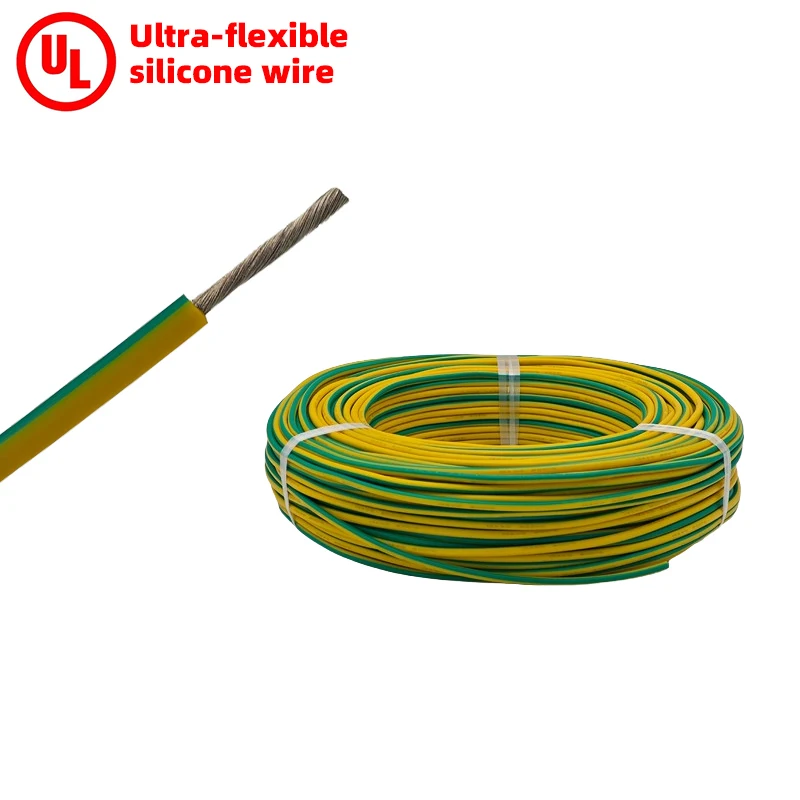
high voltage coaxial cable
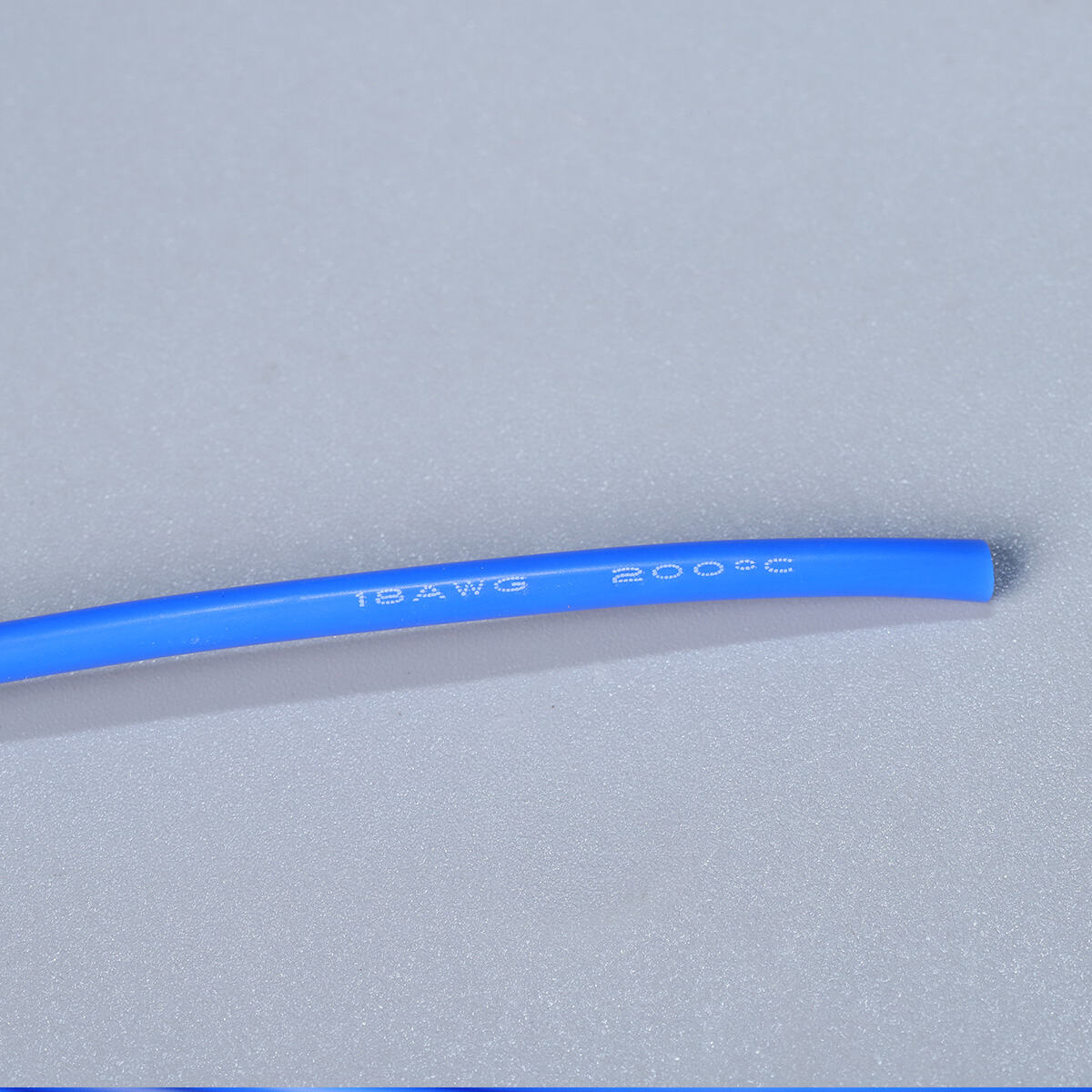
High voltage coaxial cable represents a specialized category of electrical transmission medium engineered to handle substantial electrical potential while maintaining signal integrity and safety standards. These cables feature a distinctive construction that includes a central conductor surrounded by dielectric insulation, metallic shielding, and an outer protective jacket. The design enables reliable transmission of high voltage signals across various distances while minimizing electromagnetic interference and ensuring operator safety. High voltage coaxial cable systems typically operate at voltages ranging from several hundred volts to tens of thousands of volts, making them essential components in numerous industrial and commercial applications. The technological foundation of these cables relies on advanced materials science and precision manufacturing processes that create products capable of withstanding extreme electrical stress. The central conductor, usually made from high-purity copper or aluminum, carries the electrical signal while the surrounding dielectric material provides crucial insulation properties. This dielectric layer utilizes specialized compounds such as polyethylene, PTFE, or ceramic materials that exhibit exceptional voltage withstand capabilities and low loss characteristics. The metallic shielding layer, typically constructed from braided copper or aluminum tape, provides electromagnetic protection and serves as a return path for electrical current. Applications for high voltage coaxial cable span across multiple industries including medical equipment, scientific research, aerospace systems, broadcasting infrastructure, and industrial testing equipment. In medical applications, these cables power X-ray machines and other diagnostic equipment that require precise high voltage delivery. Research facilities utilize them for particle accelerators, laser systems, and various experimental setups. The broadcasting industry employs high voltage coaxial cables in transmitter systems and antenna networks. Industrial testing environments rely on these cables for material testing, quality control processes, and calibration equipment that demands stable high voltage performance under demanding conditions.
 EN
EN