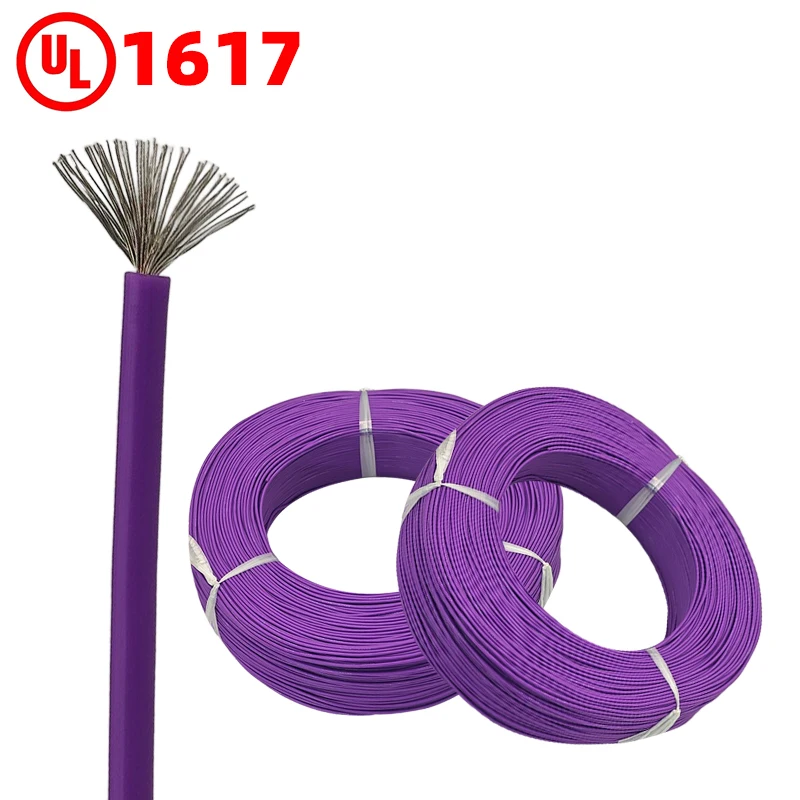
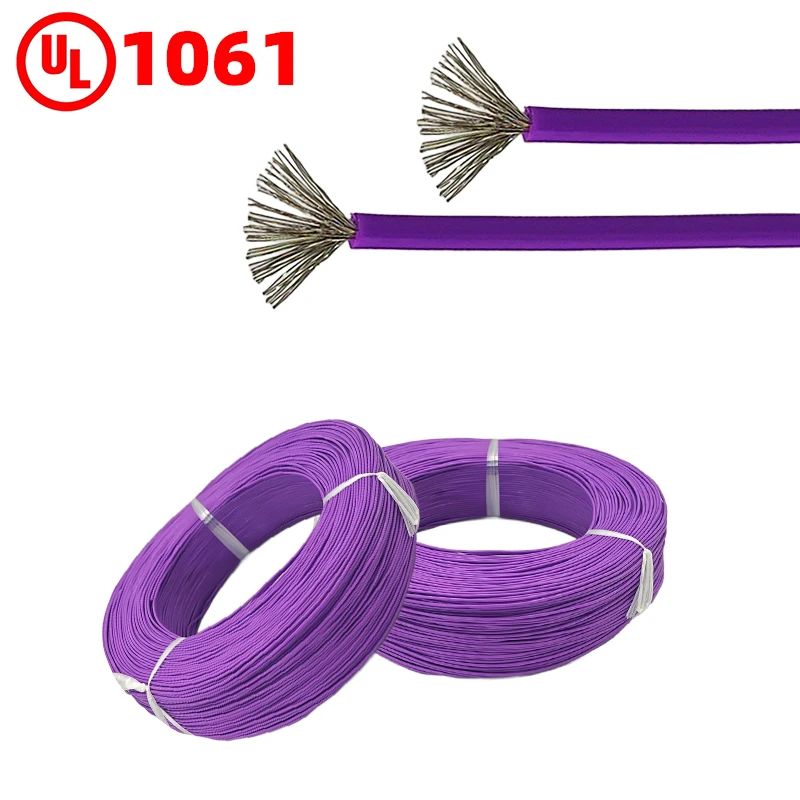
50mm high voltage cable
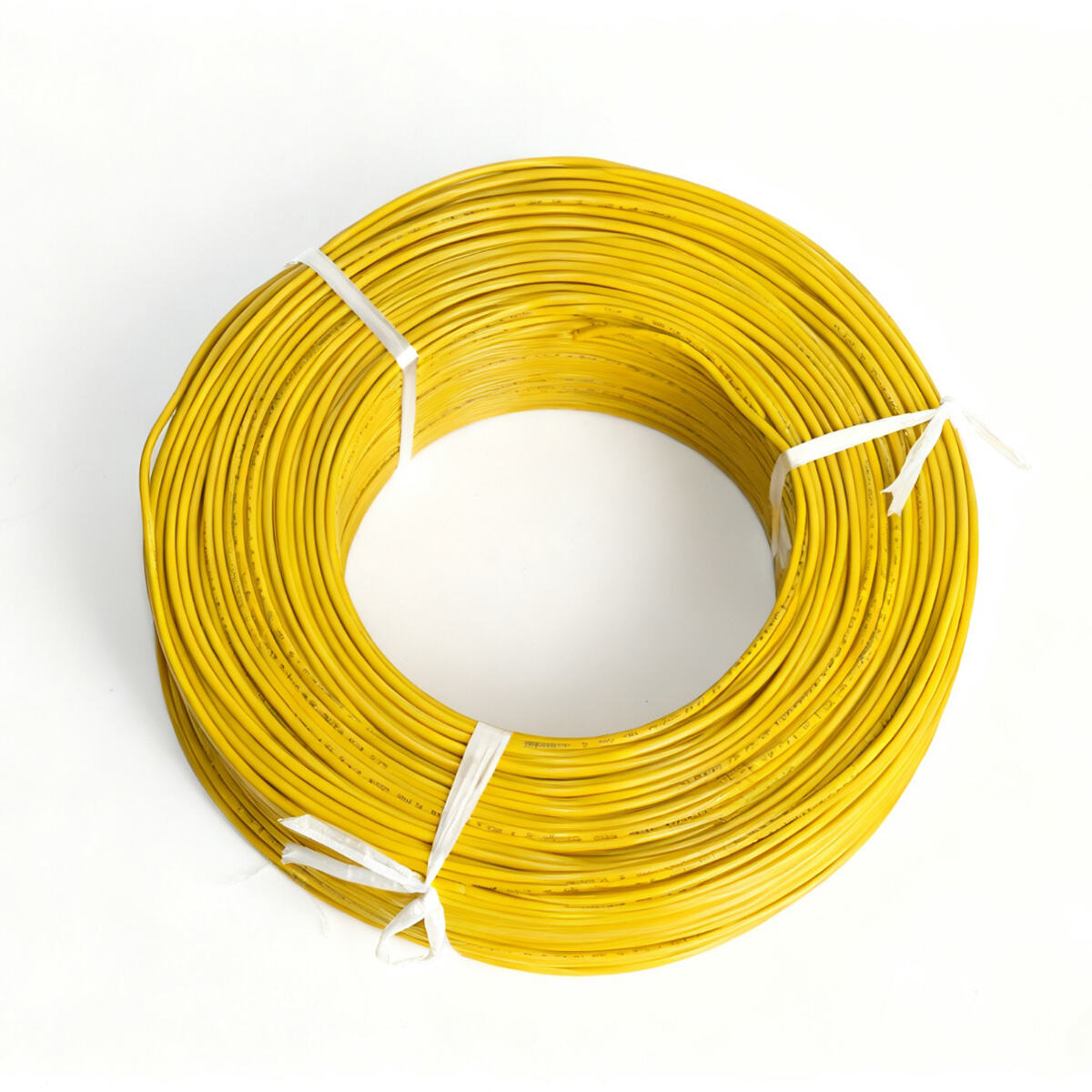
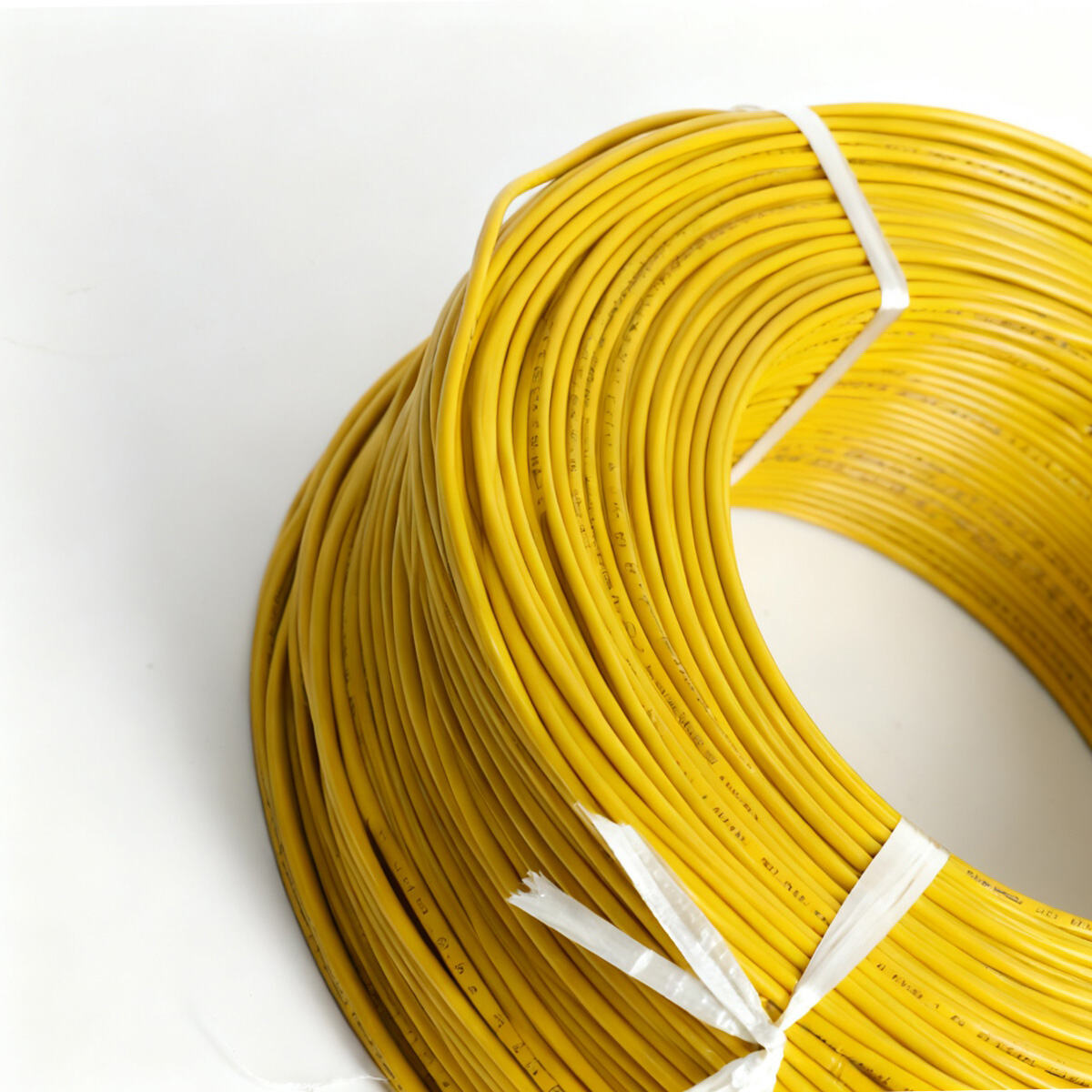
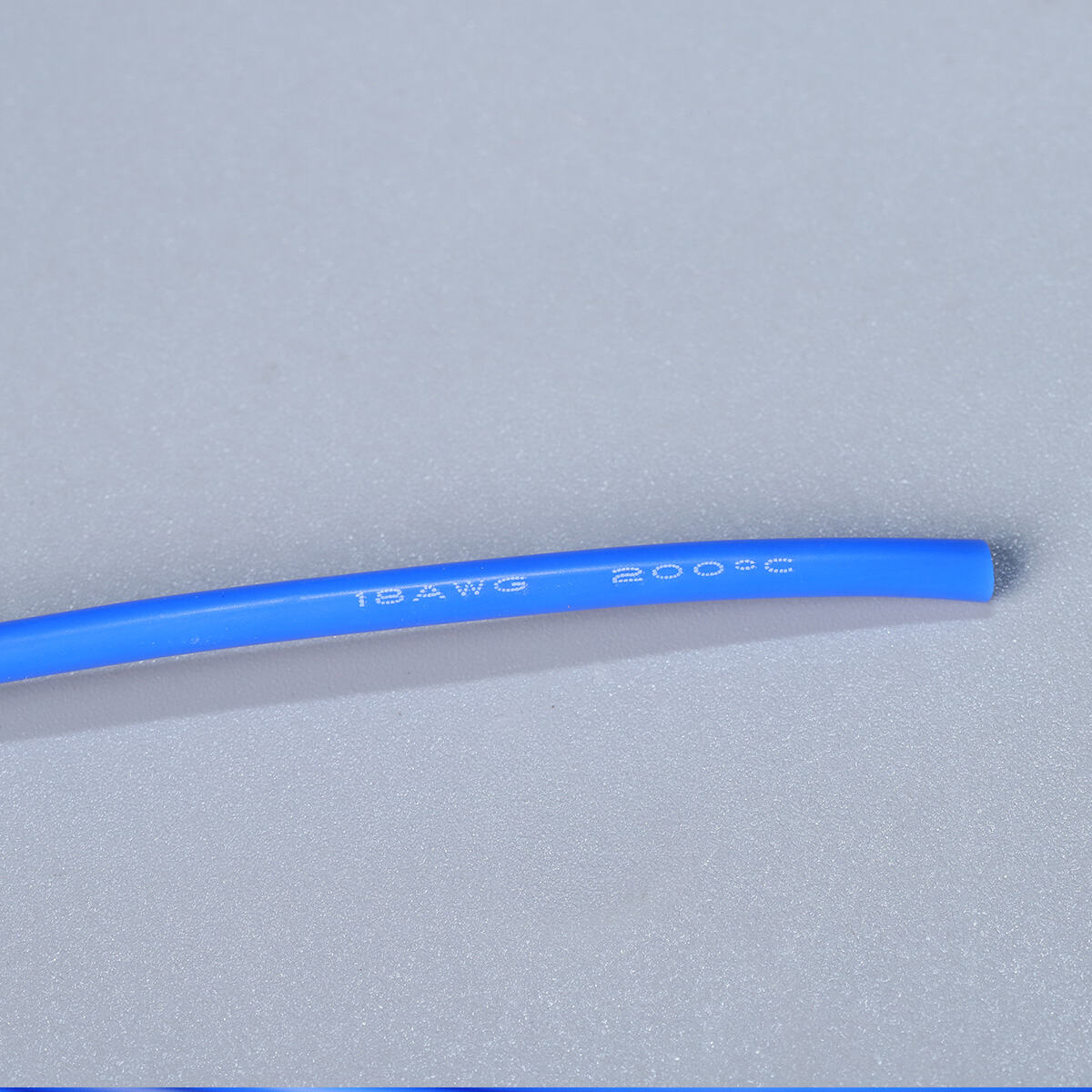
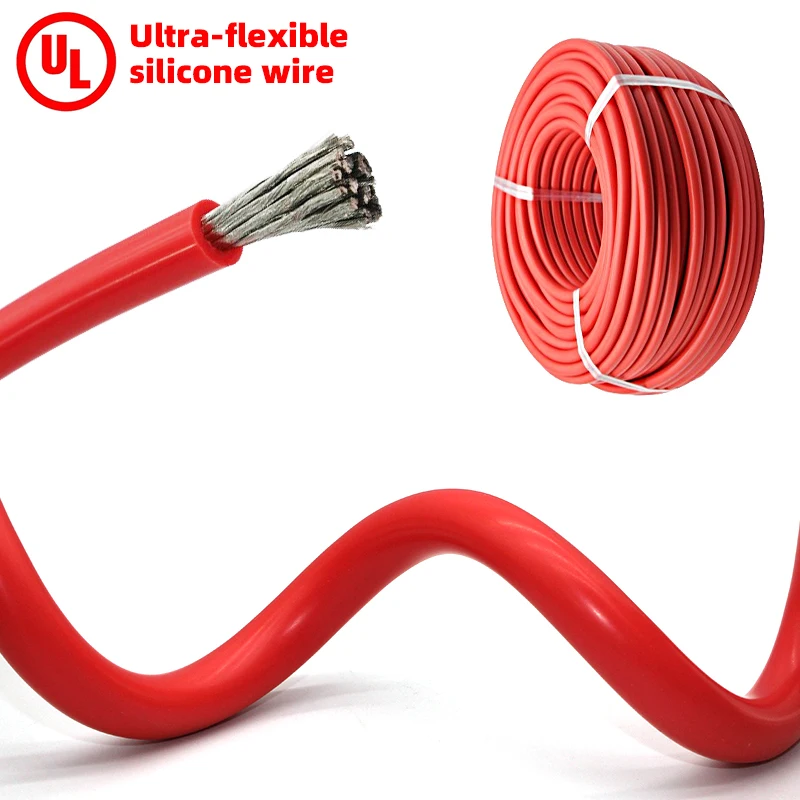
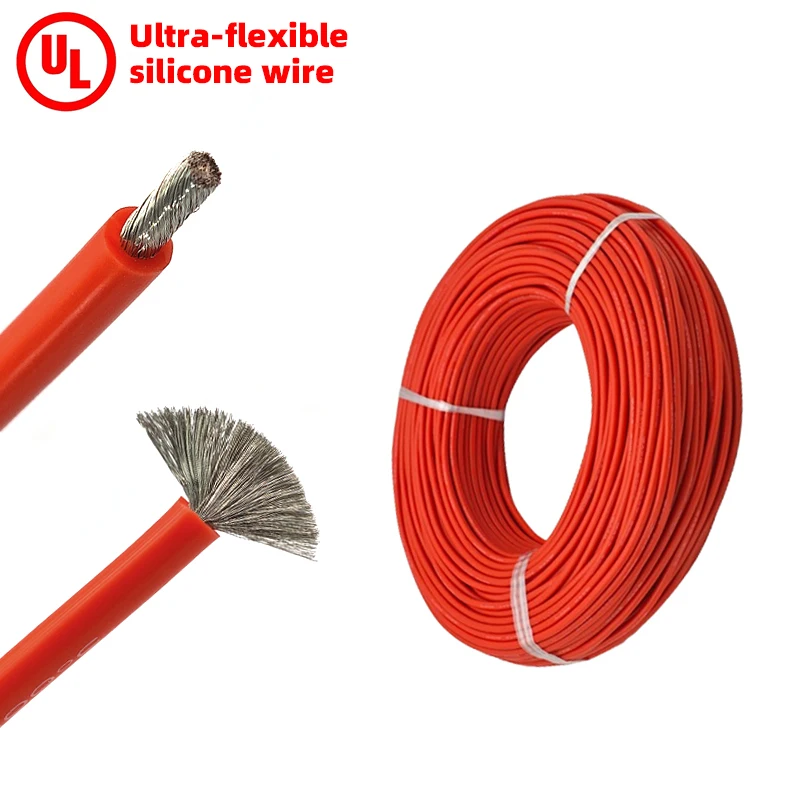
The 50mm high voltage cable represents a critical component in modern electrical infrastructure, designed to safely transmit high-voltage electricity across various industrial and commercial applications. This robust cable features a 50mm cross-sectional area, making it suitable for handling substantial electrical loads while maintaining optimal safety standards. The 50mm high voltage cable incorporates advanced insulation technology, typically utilizing XLPE (Cross-Linked Polyethylene) or EPR (Ethylene Propylene Rubber) insulation materials that provide exceptional dielectric strength and thermal resistance. The cable's construction includes a solid or stranded copper conductor core, surrounded by multiple protective layers including semiconductive screens, insulation, metallic shielding, and an outer protective jacket. These technological features ensure reliable power transmission in demanding environments, from underground installations to overhead power lines. The 50mm high voltage cable operates effectively at voltage levels ranging from 6kV to 35kV, depending on the specific design and application requirements. Its applications span across power distribution networks, industrial facilities, renewable energy installations, and infrastructure projects. The cable's design incorporates flame-retardant properties and moisture resistance, making it suitable for both indoor and outdoor installations. Manufacturing standards for the 50mm high voltage cable adhere to international regulations such as IEC, BS, and ASTM specifications, ensuring consistent quality and performance. The cable's flexibility and durability make it an ideal choice for complex routing requirements while maintaining structural integrity under mechanical stress. Temperature ratings typically range from -40°C to +90°C, allowing for reliable operation in diverse climatic conditions. The 50mm high voltage cable's versatility extends to various installation methods, including direct burial, conduit installation, and cable tray mounting, providing engineers and contractors with flexible deployment options that meet specific project requirements and environmental considerations.
 EN
EN