EN
EN


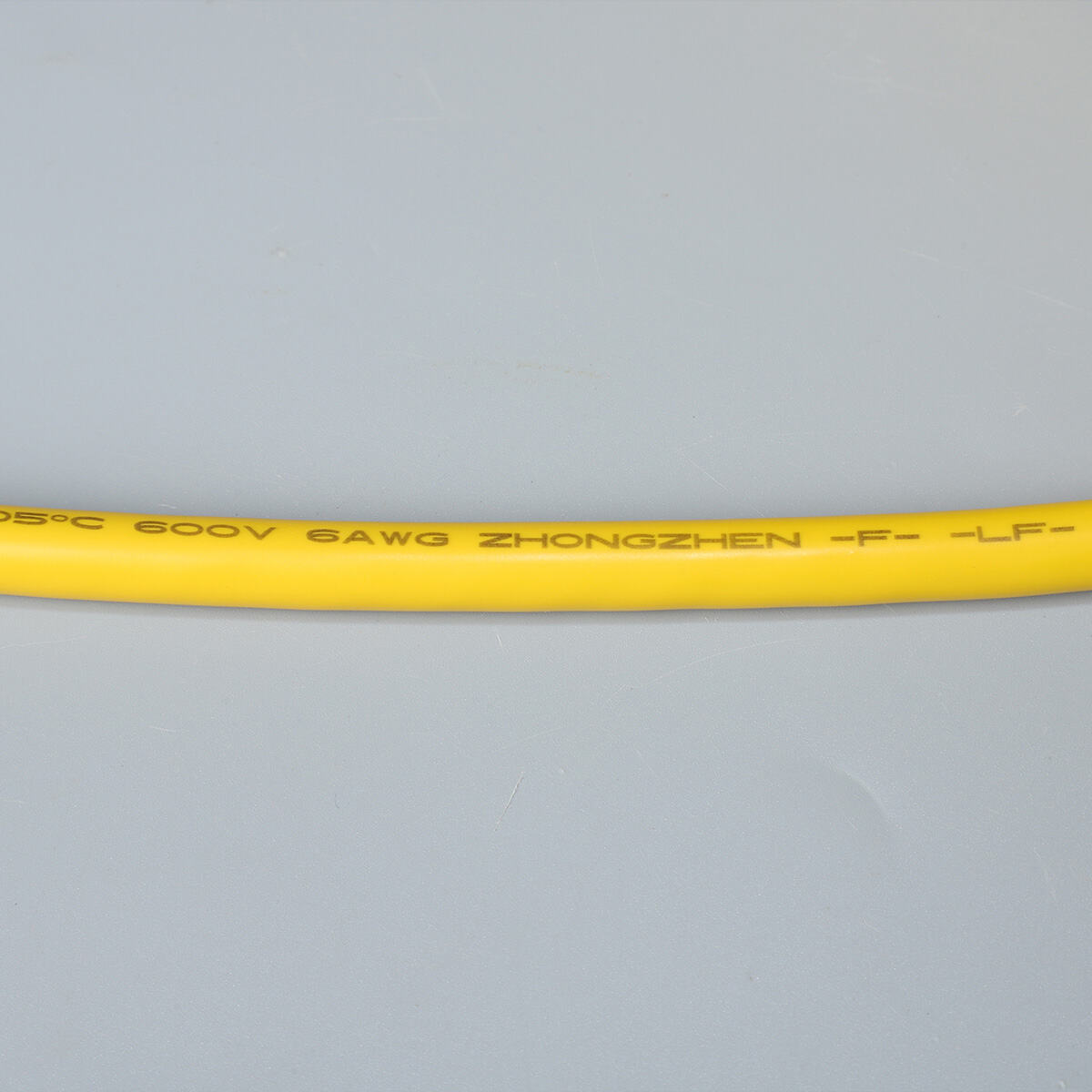
Understanding how 10 gauge electrical wire handles current load is essential for electrical engineers, contractors, and facility managers who need to ensure safe and efficient power distribution. The current-carrying capacity of 10 gauge electrical wire depends on several critical factors including conductor material, insulation type, ambient temperature, installation method, and the specific application environment where the wire operates.
The ampacity rating of 10 gauge electrical wire typically ranges from 30 to 40 amperes under standard conditions, but this baseline figure requires careful consideration of derating factors and specific installation requirements. Professional electrical installations demand precise calculations to prevent overheating, voltage drop issues, and potential safety hazards that can result from improper current load management.
Current Carrying Capacity Fundamentals
Basic Ampacity Ratings for 10 Gauge Wire
The fundamental ampacity of 10 gauge electrical wire varies based on the conductor material and insulation rating. Copper 10 gauge electrical wire with THWN-2 insulation typically carries 30 amperes at 60°C, 35 amperes at 75°C, and 40 amperes at 90°C temperature ratings. These ratings assume installation in conduit or cable with not more than three current-carrying conductors and an ambient temperature of 30°C (86°F).
Aluminum conductors in the same gauge configuration carry approximately 25 amperes at 60°C, 30 amperes at 75°C, and 35 amperes at 90°C. The reduced ampacity of aluminum compared to copper reflects the different electrical and thermal properties of these conductor materials. Professional installations must account for these material differences when specifying 10 gauge electrical wire for specific applications.
Temperature coefficient calculations become critical when ambient conditions exceed standard rating assumptions. Each 10°C increase in ambient temperature above the baseline can reduce the effective ampacity by 8-12%, requiring careful derating calculations to maintain safe operating conditions.
Conductor Material Impact on Current Handling
Copper conductors in 10 gauge electrical wire demonstrate superior current-handling characteristics due to their lower electrical resistance and better thermal conductivity. The resistance of copper 10 AWG wire measures approximately 0.999 ohms per 1000 feet at 25°C, while aluminum of the same gauge measures about 1.59 ohms per 1000 feet, directly affecting current-carrying efficiency.
Tinned copper conductors offer enhanced performance in corrosive environments while maintaining the excellent electrical properties of pure copper. The thin tin coating prevents oxidation and corrosion without significantly impacting the ampacity ratings of 10 gauge electrical wire. This makes tinned copper particularly valuable in marine, chemical processing, and outdoor applications where environmental exposure could compromise conductor integrity.
Stranded versus solid conductor configurations also influence current distribution and heat dissipation characteristics. Stranded 10 gauge electrical wire provides better flexibility and vibration resistance, while solid conductors offer slightly lower resistance values and simplified termination procedures for permanent installations.
Environmental and Installation Factors
Temperature Derating Requirements
Ambient temperature significantly affects how 10 gauge electrical wire handles current load, requiring systematic derating calculations for installations outside standard temperature ranges. When ambient temperatures exceed 30°C, the effective ampacity must be reduced using National Electrical Code (NEC) derating factors to prevent insulation degradation and conductor overheating.
For installations where 10 gauge electrical wire operates in ambient temperatures of 40°C, the ampacity must be derated to 82% of the baseline rating. At 50°C ambient conditions, derating drops to 58% of the standard ampacity, significantly reducing the safe current-carrying capacity and requiring larger conductor sizes for the same electrical load.
Conversely, installations in cooler environments may allow higher current loads, but practical design considerations typically use standard ratings to provide safety margins. Professional electrical design accounts for seasonal temperature variations and heat-generating equipment proximity when determining appropriate current loads for 10 gauge electrical wire installations.
Bundling and Conduit Fill Effects
The number of current-carrying conductors bundled together or installed in the same conduit directly impacts how effectively 10 gauge electrical wire can dissipate heat and handle current load. Standard ampacity ratings assume three or fewer current-carrying conductors, with additional derating required for larger conductor groups.
When four to six current-carrying conductors are bundled together, 10 gauge electrical wire ampacity must be derated to 80% of the baseline rating. Installations with seven to nine conductors require derating to 70%, while ten to twenty conductors necessitate derating to 50% of the standard ampacity rating.
Conduit fill calculations must consider both the physical space occupied by conductors and the thermal effects of multiple wires carrying current simultaneously. Proper conduit sizing ensures adequate heat dissipation while maintaining the current-handling capability of 10 gauge electrical wire within safe operating parameters.
Voltage Drop and Load Calculations
Calculating Voltage Drop for Current Loads
Voltage drop calculations are essential when determining how effectively 10 gauge electrical wire handles current load over specific distances. The NEC recommends limiting voltage drop to 3% for branch circuits and 5% total for feeders and branch circuits combined to maintain proper equipment operation and energy efficiency.
For a 30-ampere load carried by copper 10 gauge electrical wire over 100 feet, the voltage drop calculation yields approximately 3.6 volts on a 120-volt circuit, representing a 3% voltage drop that meets NEC recommendations. However, longer runs or higher current loads may exceed acceptable voltage drop limits, requiring larger conductor sizes despite adequate ampacity ratings.
Professional installations often use 10 gauge electrical wire with enhanced conductor materials or larger sizes when voltage drop considerations outweigh pure ampacity requirements. This approach ensures both adequate current-carrying capacity and acceptable voltage regulation for sensitive electrical equipment.
Load Diversity and Demand Factors
Real-world current loads on 10 gauge electrical wire rarely operate at continuous maximum ampacity due to load diversity and demand factors that reflect actual usage patterns. Residential and commercial electrical systems typically experience peak loads for limited periods, allowing higher connected loads than continuous ratings might suggest.
Demand factor calculations permit 10 gauge electrical wire installations to serve connected loads exceeding the continuous ampacity rating when proper load analysis demonstrates that simultaneous maximum operation is unlikely. Kitchen appliance circuits, HVAC systems, and motor loads often benefit from demand factor applications that optimize conductor sizing.
However, continuous loads such as lighting systems, servers, and industrial process equipment require 10 gauge electrical wire sizing based on 125% of the continuous current to ensure safe operation without exceeding temperature limits. This conservative approach prevents insulation degradation and maintains long-term system reliability.
Safety Considerations and Protection Methods
Overcurrent Protection Requirements
Proper overcurrent protection ensures that 10 gauge electrical wire operates safely within its current-handling limits while protecting against short circuits and overload conditions. Circuit breakers or fuses must be sized appropriately to protect the conductor without nuisance tripping during normal operation.
For 10 gauge electrical wire with 30-ampere ampacity, overcurrent protection typically uses 30-ampere breakers or fuses, though specific applications may require different protection sizing based on connected loads and equipment requirements. Motor circuits often use dual-element time-delay fuses or motor circuit protectors that accommodate inrush currents while providing effective overload protection.
Ground fault circuit interrupter (GFCI) and arc fault circuit interrupter (AFCI) protection may be required for certain 10 gauge electrical wire installations, particularly in residential applications and areas where personnel safety considerations mandate enhanced protection beyond standard overcurrent devices.
Installation Best Practices
Proper installation techniques significantly impact how effectively 10 gauge electrical wire handles current load throughout its service life. Correct termination procedures, appropriate torque specifications, and proper connection methods prevent hot spots and resistance increases that can compromise current-carrying capacity.
Cable pulling techniques must avoid excessive tension and sharp bends that can damage conductor strands or insulation, potentially reducing the safe current-carrying capacity of 10 gauge electrical wire. Industry standards specify minimum bend radii and pulling tensions to preserve conductor integrity during installation.
Regular inspection and maintenance procedures help ensure that 10 gauge electrical wire installations continue to handle specified current loads safely over time. Thermal imaging, resistance measurements, and visual inspections can identify potential problems before they compromise system performance or safety.
FAQ
What is the maximum current a 10 gauge electrical wire can safely carry?
A 10 gauge electrical wire can safely carry 30-40 amperes depending on the conductor material, insulation type, and installation conditions. Copper conductors typically handle 30 amperes at 60°C, 35 amperes at 75°C, and 40 amperes at 90°C temperature ratings, while aluminum conductors carry approximately 25-35 amperes across the same temperature ranges.
How does ambient temperature affect 10 gauge wire current capacity?
Ambient temperature significantly impacts current capacity through derating factors. Standard ratings assume 30°C ambient temperature, with capacity reduced to 82% at 40°C and 58% at 50°C. Higher temperatures require larger wire sizes to maintain safe current-carrying capacity, while cooler conditions may allow slightly higher loads within design safety margins.
Can 10 gauge wire handle 40 amps continuously?
Yes, 10 gauge copper wire with 90°C insulation can handle 40 amperes continuously under standard conditions with three or fewer current-carrying conductors. However, continuous loads require 125% capacity margin, so the connected load should not exceed 32 amperes for true continuous operation to maintain safety and prevent overheating.
What happens if you exceed the current rating of 10 gauge wire?
Exceeding the current rating causes excessive heat generation that can degrade insulation, create fire hazards, and lead to conductor failure. Overcurrent conditions may cause voltage drop issues, equipment malfunction, and potential electrical fires. Proper overcurrent protection devices should trip before dangerous conditions develop, but sustained overloading can damage the wire even within protection device response times.