EN
EN


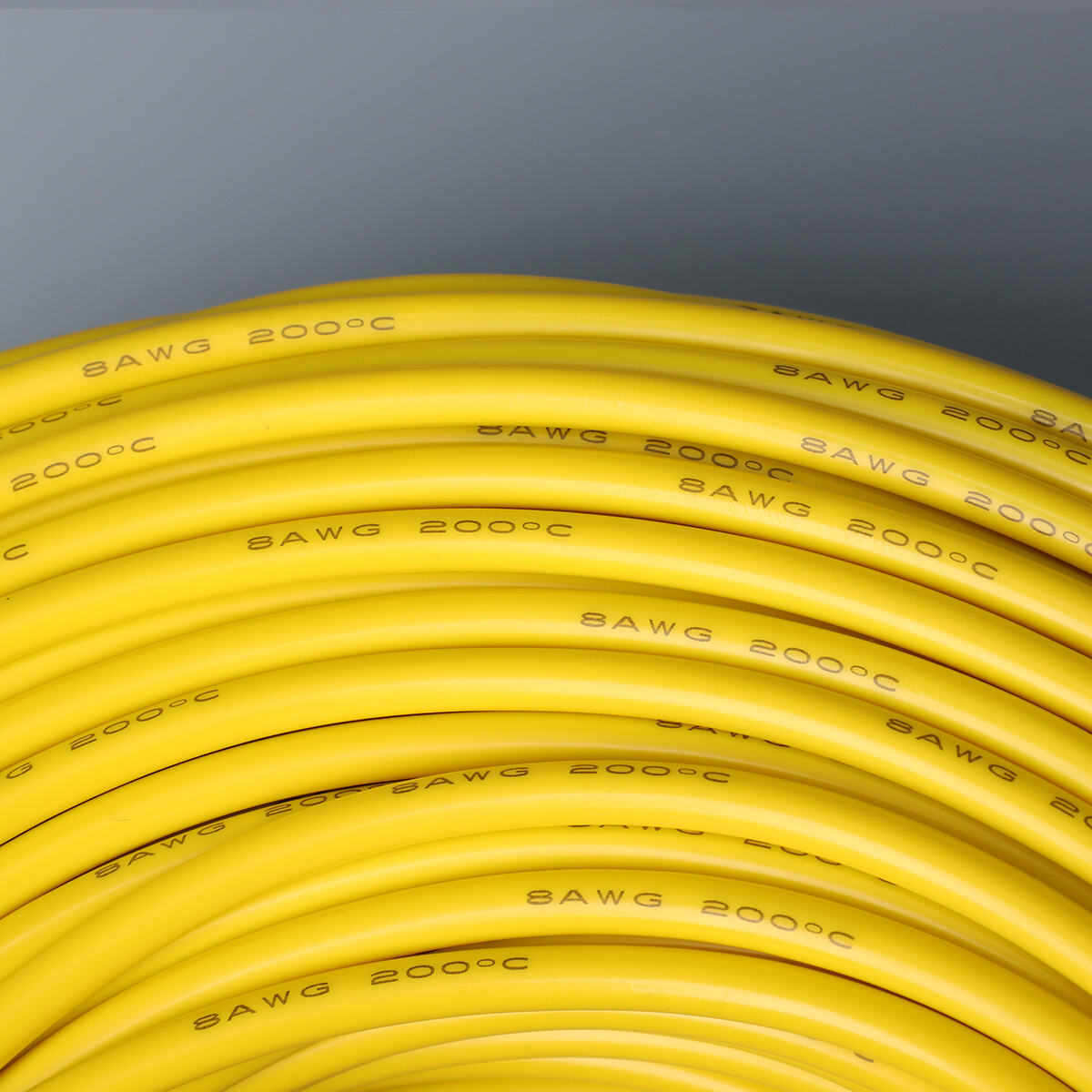
Choosing the right wire gauge for electrical projects is a critical decision that directly impacts safety, performance, and long-term reliability. While both 10 gauge and 12 gauge wires serve important roles in electrical installations, understanding when and why to select 10 gauge electrical wire over its thinner counterpart can make the difference between optimal performance and potential electrical hazards. The primary advantage of 10 gauge electrical wire lies in its superior current-carrying capacity, which translates to enhanced safety margins and better performance under demanding electrical loads.
The decision between wire gauges involves understanding ampacity ratings, voltage drop characteristics, and specific application requirements. Professional electricians and engineers consistently recommend 10 gauge electrical wire for applications requiring higher current capacity, improved voltage stability, and enhanced safety factors. This choice becomes particularly crucial in commercial installations, heavy-duty residential circuits, and industrial applications where electrical performance cannot be compromised.

Superior Current Handling Capacity
Ampacity Advantages of Thicker Wire
The fundamental reason to choose 10 gauge electrical wire centers on its superior ampacity rating compared to 12 gauge wire. While 12 gauge wire typically handles 20 amperes safely, 10 gauge electrical wire can carry 30 amperes under standard conditions. This 50% increase in current-carrying capacity provides significant advantages in applications requiring higher power loads.
The increased ampacity of 10 gauge electrical wire stems from its larger cross-sectional area, which reduces electrical resistance per unit length. Lower resistance means less heat generation during current flow, allowing the wire to carry more current without reaching dangerous temperatures. This physical principle makes 10 gauge electrical wire the preferred choice for circuits powering high-demand appliances, motor loads, and multiple outlet circuits.
Industrial applications particularly benefit from the enhanced current capacity of 10 gauge electrical wire. Manufacturing equipment, commercial HVAC systems, and heavy machinery often require sustained high-current operation that would overload 12 gauge wire. The safety margin provided by 10 gauge electrical wire ensures reliable operation even when electrical loads fluctuate or increase over time.
Heat Dissipation and Thermal Management
Heat management represents another critical advantage of 10 gauge electrical wire over smaller gauges. The larger conductor cross-section distributes heat more effectively, maintaining lower operating temperatures even under heavy electrical loads. This thermal advantage directly translates to improved safety and extended wire life in demanding applications.
When electrical current flows through wire, resistance causes energy conversion to heat according to the I²R principle. Since 10 gauge electrical wire has lower resistance than 12 gauge wire, it generates less heat per ampere of current flow. This reduced heat generation becomes particularly important in enclosed spaces, bundled cable runs, and high-ambient-temperature environments.
The superior heat dissipation characteristics of 10 gauge electrical wire also provide protection against thermal cycling stress. Repeated heating and cooling can degrade wire insulation over time, but the lower operating temperatures of thicker wire reduce this thermal stress. This advantage makes 10 gauge electrical wire more suitable for applications with frequent load cycling or variable current demands.
Enhanced Voltage Stability and Performance
Reduced Voltage Drop Characteristics
Voltage drop represents one of the most compelling reasons to select 10 gauge electrical wire for longer circuit runs or higher current applications. The lower resistance of 10 gauge electrical wire significantly reduces voltage drop compared to 12 gauge alternatives, ensuring that connected equipment receives proper operating voltage even at the end of extended circuits.
Voltage drop calculations clearly demonstrate the advantage of 10 gauge electrical wire in maintaining electrical performance. For a 100-foot circuit carrying 20 amperes, 12 gauge wire might experience 4-5 volts of drop, while 10 gauge electrical wire would show only 2-3 volts of drop under identical conditions. This reduction ensures better equipment performance and prevents issues associated with undervoltage operation.
The voltage stability provided by 10 gauge electrical wire becomes critical in applications requiring precise voltage regulation. Sensitive electronic equipment, motor-driven machinery, and lighting systems all benefit from the reduced voltage drop characteristics of thicker wire. Professional installations often specify 10 gauge electrical wire specifically to maintain voltage within acceptable tolerances throughout the electrical system.
Power Quality and Equipment Protection
Power quality improvements represent an often-overlooked benefit of choosing 10 gauge electrical wire over smaller alternatives. The lower impedance of thicker wire helps maintain cleaner power delivery with reduced harmonic distortion and improved power factor characteristics. These improvements directly benefit connected equipment performance and longevity.
Modern electrical equipment increasingly incorporates sensitive electronic components that require stable, clean power for optimal operation. The superior electrical characteristics of 10 gauge electrical wire help protect these components from voltage fluctuations, transients, and other power quality issues that can cause premature failure or performance degradation.
In commercial and industrial settings, the power quality benefits of 10 gauge electrical wire can translate to measurable improvements in equipment efficiency and reduced maintenance costs. Motor-driven equipment operates more efficiently with stable voltage, while electronic controllers and variable frequency drives perform better when supplied through properly sized conductors like 10 gauge electrical wire.
Safety Advantages and Code Compliance
Enhanced Safety Margins
Safety considerations strongly favor choosing 10 gauge electrical wire in applications where electrical performance is critical. The higher ampacity rating provides built-in safety margins that protect against overcurrent conditions and reduce fire hazards associated with overloaded circuits. This safety advantage becomes particularly important in commercial and industrial installations where electrical failures can have serious consequences.
The National Electrical Code and other safety standards recognize the importance of proper wire sizing for safety. Using 10 gauge electrical wire in applications that might push the limits of 12 gauge wire ensures compliance with safety requirements while providing additional protection against unforeseen electrical loads or circuit modifications.
Professional electricians often recommend 10 gauge electrical wire as a proactive safety measure, particularly in residential applications where homeowners might add electrical loads over time. The additional current capacity provides a safety buffer that accommodates future electrical needs without requiring rewiring or circuit modifications.
Long-term Reliability and Durability
The durability advantages of 10 gauge electrical wire extend beyond immediate electrical performance to long-term reliability and maintenance considerations. Thicker wire construction provides better mechanical strength, improved resistance to damage, and enhanced longevity under normal operating conditions.
Installation benefits also favor 10 gauge electrical wire in many applications. The thicker construction provides better pull strength during installation, reducing the risk of conductor damage during wire pulling operations. This mechanical advantage becomes particularly important in commercial installations with long conduit runs or challenging routing requirements.
Maintenance considerations further support choosing 10 gauge electrical wire for critical applications. The enhanced safety margins and superior electrical characteristics reduce the likelihood of electrical problems, resulting in lower maintenance costs and improved system reliability over the installation lifecycle.
Application-Specific Benefits
High-Demand Electrical Circuits
Specific applications clearly demonstrate why 10 gauge electrical wire represents the better choice over 12 gauge alternatives. Kitchen circuits serving multiple high-wattage appliances benefit significantly from the increased current capacity and voltage stability of 10 gauge electrical wire. Commercial food service operations, in particular, require the reliability and performance that only properly sized conductors can provide.
HVAC applications represent another area where 10 gauge electrical wire delivers clear advantages. Air conditioning systems, heat pumps, and large ventilation fans often require starting currents that exceed the safe capacity of 12 gauge wire. The enhanced current-carrying capacity of 10 gauge electrical wire ensures reliable operation even during peak demand periods.
Workshop and garage circuits benefit from the flexibility and safety margins provided by 10 gauge electrical wire. Power tools, welding equipment, and machinery often require more current than standard household circuits can safely provide. Installing 10 gauge electrical wire ensures adequate capacity for both current and future electrical needs in these demanding applications.
Commercial and Industrial Advantages
Commercial installations consistently specify 10 gauge electrical wire for applications requiring reliable electrical performance under varying load conditions. Office buildings, retail spaces, and manufacturing facilities all benefit from the enhanced current capacity and voltage stability that thicker conductors provide.
Industrial motor applications particularly benefit from choosing 10 gauge electrical wire over smaller alternatives. Motor starting currents can be several times the running current, requiring conductors capable of handling these temporary overloads safely. The superior current capacity of 10 gauge electrical wire provides the necessary safety margin for reliable motor operation.
Data center and telecommunications applications increasingly specify 10 gauge electrical wire for power distribution circuits serving sensitive electronic equipment. The improved power quality and voltage stability characteristics help ensure reliable operation of critical systems while providing adequate capacity for future expansion needs.
FAQ
What is the main difference in current capacity between 10 gauge and 12 gauge electrical wire?
10 gauge electrical wire can safely carry 30 amperes compared to 20 amperes for 12 gauge wire under standard conditions. This represents a 50% increase in current-carrying capacity, making 10 gauge wire suitable for higher-demand applications and providing better safety margins for electrical circuits.
When should I definitely choose 10 gauge electrical wire over 12 gauge?
Choose 10 gauge electrical wire for circuits longer than 50 feet, applications requiring more than 20 amperes, high-wattage appliance circuits, motor loads, and any situation where voltage drop must be minimized. Commercial and industrial applications typically require 10 gauge electrical wire for reliable performance and code compliance.
Does using 10 gauge electrical wire cost significantly more than 12 gauge?
While 10 gauge electrical wire costs approximately 30-40% more than 12 gauge wire initially, the long-term benefits often justify the additional expense. Enhanced safety, improved performance, future expansion capability, and reduced voltage drop typically provide better value over the installation lifecycle, especially in demanding applications.
Can I use 10 gauge electrical wire on a 20-amp breaker circuit?
Yes, using 10 gauge electrical wire on a 20-amp circuit is not only acceptable but often recommended for improved performance and safety. The thicker wire provides better voltage regulation, reduced heat generation, and enhanced safety margins. This configuration is particularly beneficial for long circuit runs or high-demand applications within the 20-amp limit.
Table of Contents
- Superior Current Handling Capacity
- Enhanced Voltage Stability and Performance
- Safety Advantages and Code Compliance
- Application-Specific Benefits
-
FAQ
- What is the main difference in current capacity between 10 gauge and 12 gauge electrical wire?
- When should I definitely choose 10 gauge electrical wire over 12 gauge?
- Does using 10 gauge electrical wire cost significantly more than 12 gauge?
- Can I use 10 gauge electrical wire on a 20-amp breaker circuit?