EN
EN


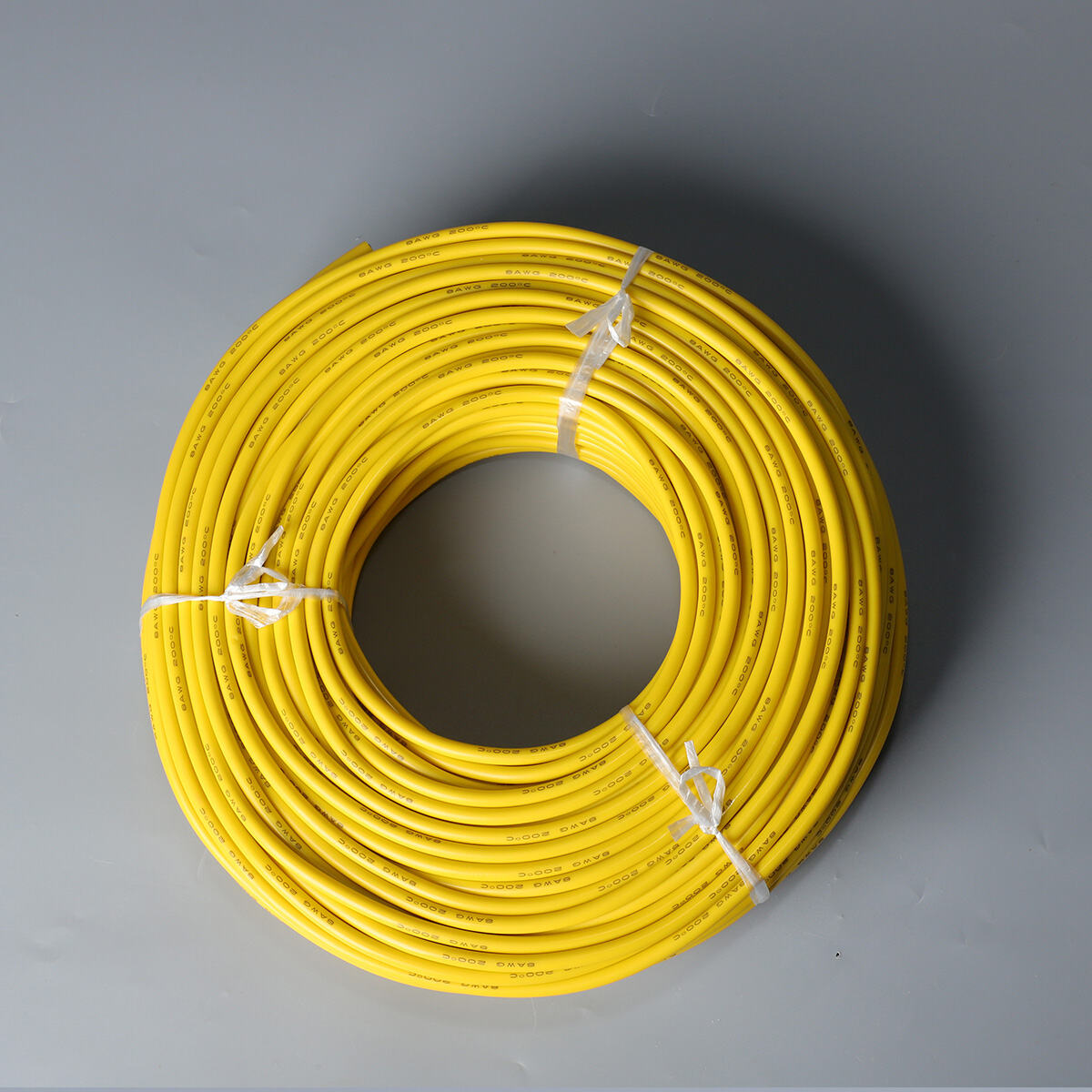
Choosing the right electrical wire gauge is a critical safety and performance decision that directly impacts your electrical system's reliability and code compliance. Understanding when to install 10 gauge electrical wire requires knowledge of specific amperage requirements, circuit applications, and electrical code standards that govern wire sizing for different installations.
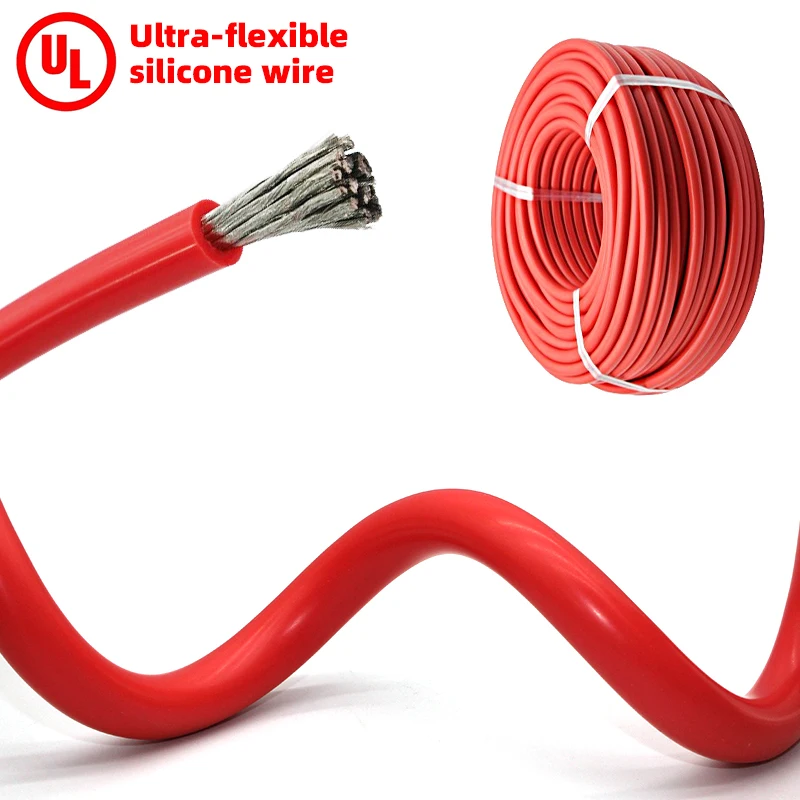
The decision to use 10 gauge electrical wire typically centers on amperage capacity and load requirements that exceed what smaller wire gauges can safely handle. This wire gauge serves as the standard choice for 30-amp circuits and specific high-demand electrical applications where safety margins and thermal performance are paramount considerations for electrical contractors and facility managers.
Understanding 10 Gauge Wire Specifications and Applications
Amperage Capacity and Load Requirements
10 gauge electrical wire carries a maximum amperage rating of 30 amps under standard residential and commercial electrical codes, making it suitable for circuits that demand higher current flow than typical household applications. This amperage capacity positions 10 gauge wire as the minimum requirement for electric water heaters, electric clothes dryers, and window air conditioning units that operate at 240 volts.
The wire's copper conductor cross-sectional area provides the necessary current-carrying capacity while maintaining safe operating temperatures under continuous load conditions. When electrical loads approach or exceed 24 amps continuously, electrical codes typically require 10 gauge electrical wire to ensure adequate safety margins and prevent overheating that could lead to fire hazards or equipment damage.
Commercial and industrial applications often specify 10 gauge electrical wire for motor circuits, lighting panels, and equipment feeders where consistent power delivery and thermal stability are essential for operational reliability. The wire's robust construction handles the electromagnetic stresses and thermal cycling common in heavy-duty electrical environments.
Voltage Drop Considerations and Distance Factors
Voltage drop calculations play a crucial role in determining when 10 gauge electrical wire becomes necessary for maintaining proper voltage levels at load endpoints. For circuits exceeding 100 feet in length, 10 gauge wire helps minimize voltage drop that could impair equipment performance or violate electrical code requirements for voltage stability.
The lower resistance characteristics of 10 gauge electrical wire compared to smaller gauges make it essential for long cable runs where maintaining voltage within acceptable tolerances requires larger conductor cross-sections. This becomes particularly important in industrial facilities, large commercial buildings, and outdoor installations where circuit lengths often exceed standard residential distances.
Electrical engineers frequently specify 10 gauge electrical wire for subpanel feeders and branch circuits where voltage drop calculations indicate that smaller wire gauges would result in unacceptable power quality issues or code violations related to voltage regulation requirements.
Specific Installation Scenarios Requiring 10 Gauge Wire
Electric Water Heater Installations
Electric water heaters represent one of the most common applications requiring 10 gauge electrical wire installation due to their high power consumption and continuous duty cycle requirements. Most residential electric water heaters operate at 240 volts and draw between 18 to 25 amps, necessitating the use of 10 gauge wire to meet electrical code requirements and ensure safe operation.
The installation of 10 gauge electrical wire for water heater circuits must include proper circuit protection through a 30-amp double-pole breaker, ensuring that the wire's ampacity matches the overcurrent protection device rating. This configuration provides the necessary safety margin while allowing the water heater to operate at full capacity without thermal stress on the electrical conductors.
Commercial electric water heaters and tankless units often require multiple 10 gauge electrical wire circuits due to their higher power demands, with some units requiring dedicated 40-amp or 50-amp circuits that necessitate even larger wire gauges depending on specific load calculations and manufacturer requirements.
Electric Dryer and High-Power Appliance Circuits
Electric clothes dryers typically require 10 gauge electrical wire installation to handle their 240-volt, 30-amp power requirements safely and efficiently. The high heat generation and motor loads associated with electric dryers create demanding electrical conditions that require the current-carrying capacity and thermal characteristics of 10 gauge wire.
Air conditioning systems, particularly window units and mini-split systems operating at higher BTU ratings, often specify 10 gauge electrical wire for their dedicated circuits. These systems combine motor loads, compressor starting currents, and continuous operation demands that exceed the capabilities of smaller wire gauges under sustained operation conditions.
Electric range and cooktop installations frequently require 10 gauge electrical wire for individual circuit branches, even when the main appliance circuit uses larger conductors. Separate circuits for electric ovens, cooktops, or high-power kitchen equipment often specify 10 gauge wire to ensure adequate power delivery and code compliance for commercial-grade cooking equipment.
Code Compliance and Safety Requirements
National Electrical Code Standards
The National Electrical Code establishes specific requirements for when 10 gauge electrical wire must be used based on circuit amperage ratings, conductor ampacity tables, and installation conditions that affect wire current-carrying capacity. NEC Table 310.15(B)(16) defines the ampacity ratings for different wire gauges under standard installation conditions, with 10 gauge copper wire rated for 30 amps in most residential and commercial applications.
Code compliance requires that 10 gauge electrical wire be protected by overcurrent devices rated at no more than 30 amps, ensuring coordination between conductor capacity and circuit protection. This requirement prevents overloading that could compromise wire insulation, create fire hazards, or damage connected equipment through excessive current flow.
Special installation conditions, including high ambient temperatures, conduit fill requirements, and bundling with other conductors, may require derating factors that effectively mandate 10 gauge electrical wire use even for lower amperage circuits to maintain code compliance and safety margins.
Local Code Variations and Inspection Requirements
Local electrical codes often impose additional requirements for 10 gauge electrical wire installation beyond NEC minimums, particularly in areas with extreme climate conditions, seismic considerations, or specific fire safety concerns. These local amendments may require larger wire gauges, special insulation ratings, or installation methods that influence wire selection decisions.
Electrical inspection processes typically scrutinize wire gauge selections for amperage compliance, ensuring that 10 gauge electrical wire installations meet both load requirements and safety standards. Inspectors verify proper circuit protection coordination, grounding requirements, and installation workmanship that affects long-term reliability and safety performance.
Commercial and industrial installations often face more stringent local code requirements for 10 gauge electrical wire use, including specifications for wire insulation temperature ratings, conduit fill calculations, and installation methods that exceed residential standards due to higher risk exposure and occupancy classifications.
Installation Timing and Planning Considerations
New Construction Installation Windows
New construction projects provide the optimal timing for 10 gauge electrical wire installation, allowing for proper planning, routing, and integration with building systems before walls and ceilings are closed. The rough-in electrical phase represents the most cost-effective time to install 10 gauge circuits for anticipated high-power loads and future electrical needs.
Coordination with other building trades during new construction ensures that 10 gauge electrical wire routing accommodates HVAC systems, plumbing installations, and structural elements without compromising installation quality or creating interference issues that could affect long-term performance and maintenance access.
Building permit processes for new construction typically require electrical plans showing 10 gauge electrical wire circuits for specific applications, allowing for proper review and approval before installation begins. This advance planning prevents costly changes and ensures compliance with applicable electrical codes and local requirements.
Retrofit and Upgrade Installation Scenarios
Electrical system upgrades often necessitate 10 gauge electrical wire installation when existing circuits prove inadequate for new equipment loads or code compliance requirements. Panel upgrades, service increases, and appliance replacements frequently trigger the need for new 10 gauge circuits to meet current electrical standards.
Retrofit installations of 10 gauge electrical wire require careful evaluation of existing electrical infrastructure, including panel capacity, conduit availability, and routing options that may influence installation complexity and cost. Existing buildings may present challenges for wire routing that affect the feasibility and timing of 10 gauge wire installations.
Energy efficiency upgrades and electrification projects increasingly require 10 gauge electrical wire installation to support heat pumps, electric vehicle charging stations, and high-efficiency appliances that exceed the capacity of existing electrical circuits designed for lower power loads.
FAQ
What is the maximum amperage rating for 10 gauge electrical wire?
10 gauge electrical wire has a maximum amperage rating of 30 amps under standard installation conditions according to the National Electrical Code. This rating applies to copper conductors in typical residential and commercial applications with standard insulation types and normal ambient temperatures.
Can 10 gauge wire be used for 20 amp circuits?
Yes, 10 gauge electrical wire can be used for 20 amp circuits and provides additional safety margin and capacity for future load growth. While 12 gauge wire is typically sufficient for 20 amp circuits, using 10 gauge wire offers benefits for long circuit runs, high-temperature environments, or applications where voltage drop must be minimized.
How far can you run 10 gauge electrical wire?
The maximum distance for 10 gauge electrical wire depends on voltage drop requirements and load characteristics, but generally extends to approximately 150-200 feet for 30 amp circuits while maintaining acceptable voltage drop levels. Longer runs may require voltage drop calculations to ensure proper performance at the load endpoint.
Is 10 gauge wire required for electric vehicle charging stations?
10 gauge electrical wire may be required for Level 2 electric vehicle charging stations depending on the charging amperage and circuit requirements. Most residential EV chargers operating at 30 amps require 10 gauge wire, while higher amperage chargers need larger conductor sizes to meet code requirements and ensure safe operation.