EN
EN


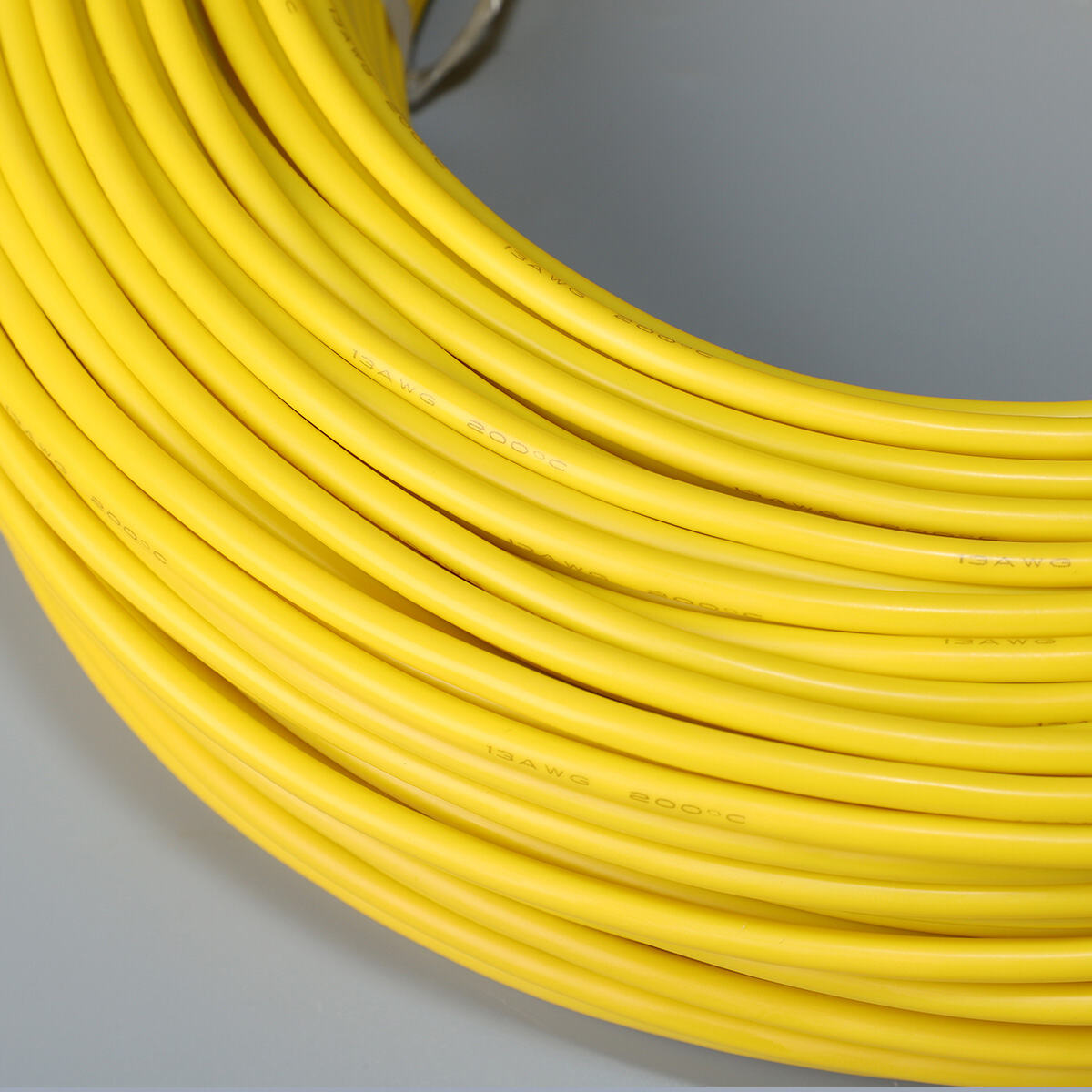
The investment in quality 10 gauge electrical wire often raises questions about cost justification, especially when budget constraints drive purchasing decisions. Understanding the specific value proposition of 10 gauge electrical wire requires examining its unique electrical characteristics, safety benefits, and long-term performance advantages that directly impact operational efficiency and project success.
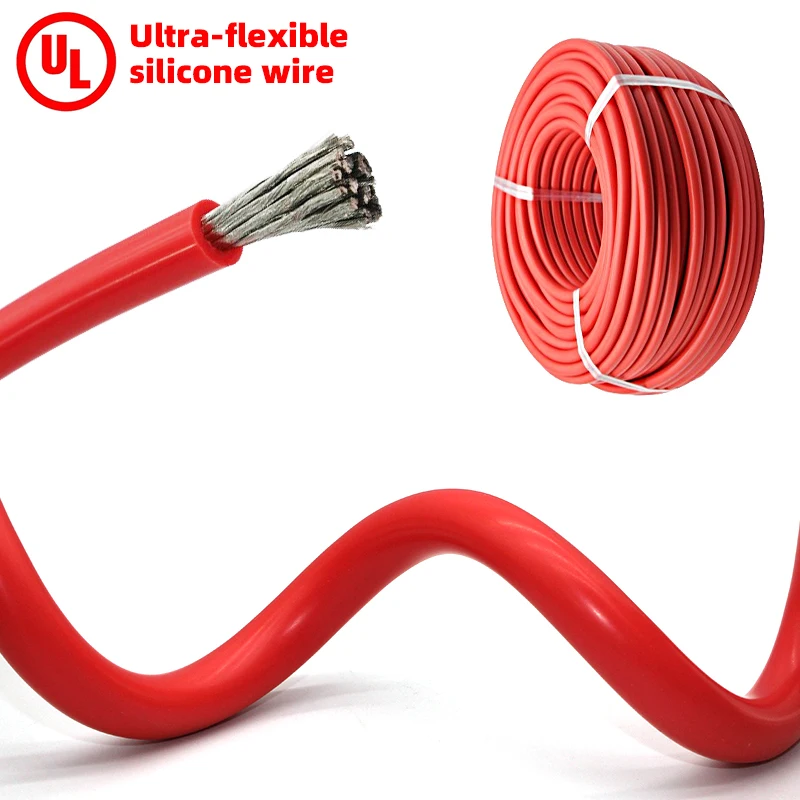
The price premium associated with 10 gauge electrical wire reflects several critical engineering and manufacturing factors that translate into measurable benefits for industrial applications. From enhanced current-carrying capacity to superior thermal management, the investment in 10 gauge electrical wire delivers quantifiable returns through reduced maintenance costs, improved system reliability, and extended operational lifespan that justify the initial cost differential.
Superior Current Handling Capabilities
Enhanced Amperage Capacity
The fundamental value of 10 gauge electrical wire stems from its ability to safely carry 30 amperes of current under standard conditions, significantly exceeding the capacity of thinner alternatives. This robust current-handling capability eliminates the risk of overheating and voltage drop issues that plague undersized conductors, ensuring consistent power delivery across demanding industrial applications.
Manufacturing quality 10 gauge electrical wire requires precise copper purity standards and controlled drawing processes that maintain uniform conductor cross-sections throughout the entire length. These stringent manufacturing requirements contribute to higher production costs but result in predictable electrical performance that meets or exceeds rated specifications consistently.
The copper content in premium 10 gauge electrical wire typically exceeds 99.9% purity, providing optimal conductivity characteristics that minimize resistive losses and heat generation. This high-purity copper construction ensures efficient power transmission while reducing energy waste that can accumulate into significant operational costs over time.
Reduced Voltage Drop Performance
Professional-grade 10 gauge electrical wire maintains voltage levels within acceptable tolerances across extended circuit runs, preventing the performance degradation associated with inadequate conductor sizing. This voltage stability protects sensitive equipment from damage while ensuring optimal operational efficiency across all connected devices and systems.
The larger cross-sectional area of 10 gauge electrical wire reduces electrical resistance proportionally, resulting in lower voltage drop calculations compared to smaller gauge alternatives. This physical advantage translates into improved power quality and reduced stress on electrical components throughout the distribution system.
Extended circuit runs benefit significantly from 10 gauge electrical wire implementation, as the reduced resistance characteristics maintain acceptable voltage levels even over distances that would cause smaller conductors to fail voltage drop requirements established by electrical codes and standards.
Enhanced Safety and Reliability Features
Thermal Management Advantages
The robust construction of 10 gauge electrical wire provides superior thermal dissipation characteristics that prevent dangerous overheating conditions under normal and overload scenarios. This thermal management capability reduces fire risk while protecting surrounding infrastructure from heat-related damage that can result from inadequately sized conductors.
Premium insulation materials used in quality 10 gauge electrical wire maintain their dielectric properties across wide temperature ranges, ensuring consistent performance under varying environmental conditions. These advanced insulation systems contribute to higher material costs but provide essential safety margins that protect against electrical faults and system failures.
The thermal capacity of 10 gauge electrical wire allows for temporary overload conditions without immediate failure, providing system designers with operational flexibility while maintaining safety compliance. This overload tolerance proves invaluable during startup sequences and peak demand periods when brief current spikes occur naturally.
Long-Term Durability Characteristics
Quality 10 gauge electrical wire incorporates corrosion-resistant conductor treatments and UV-stable insulation compounds that maintain performance characteristics throughout extended service life cycles. These durability enhancements require premium materials and specialized manufacturing processes that increase initial costs while delivering superior long-term value.
The mechanical strength of properly manufactured 10 gauge electrical wire withstands installation stresses and operational vibrations without conductor damage or insulation degradation. This mechanical resilience prevents premature failures that can result in costly downtime and emergency repair situations.
Environmental resistance features built into premium 10 gauge electrical wire protect against moisture infiltration, chemical exposure, and temperature cycling that can compromise lesser quality alternatives. These protective characteristics ensure reliable operation across diverse industrial environments without frequent replacement requirements.
Economic Value Through Operational Efficiency
Reduced Maintenance Requirements
The superior construction quality of 10 gauge electrical wire translates into significantly reduced maintenance intervals compared to marginal alternatives that operate near their capacity limits. This maintenance reduction generates substantial labor cost savings while minimizing production interruptions associated with electrical system servicing.
Connection integrity remains stable with quality 10 gauge electrical wire due to consistent conductor dimensions and superior material properties that resist oxidation and thermal expansion effects. These stable connections eliminate the loose connection problems that plague inferior products and require frequent inspection and retightening.
The reliability of properly installed 10 gauge electrical wire reduces emergency service calls and unplanned downtime events that can cost thousands of dollars per incident. This operational stability provides predictable maintenance schedules that support efficient facility management practices.
Energy Efficiency Benefits
The lower resistance characteristics of 10 gauge electrical wire reduce I²R losses throughout the electrical distribution system, resulting in measurable energy savings that accumulate over the system's operational lifetime. These efficiency gains often offset the initial cost premium within the first few years of operation.
Power factor improvements associated with proper conductor sizing using 10 gauge electrical wire reduce reactive power demand charges while improving overall system efficiency. These power quality benefits translate into direct utility cost reductions that continue throughout the installation's service life.
The thermal efficiency of appropriately sized 10 gauge electrical wire reduces cooling system loads by minimizing waste heat generation within electrical enclosures and cable runs. This secondary benefit compounds energy savings while extending the life of associated cooling equipment.
Application-Specific Value Propositions
Industrial Equipment Compatibility
Modern industrial equipment increasingly requires the current-carrying capacity and reliability that 10 gauge electrical wire provides, making it essential for maintaining equipment warranties and operational specifications. The compatibility with high-performance equipment justifies the investment through preserved warranty coverage and optimal equipment performance.
Variable frequency drives and other power electronics benefit significantly from the stable power delivery characteristics of properly sized 10 gauge electrical wire, reducing harmonic distortion and improving control system performance. These benefits translate into improved product quality and reduced manufacturing defects.
The surge handling capability of robust 10 gauge electrical wire protects connected equipment from transient voltage events that can damage sensitive electronic components. This protection value often exceeds the wire cost differential when considering potential equipment replacement expenses.
Code Compliance and Safety Standards
Electrical code compliance requirements often mandate 10 gauge electrical wire for specific applications, making the cost comparison moot when regulatory compliance is required. The investment in code-compliant installations prevents costly retrofits and potential liability issues associated with substandard electrical systems.
Insurance considerations increasingly favor installations using appropriately sized conductors like 10 gauge electrical wire, potentially reducing premium costs while ensuring coverage validity. These insurance benefits provide ongoing value that supports the initial investment decision.
Safety margin calculations built into electrical designs typically require 10 gauge electrical wire for applications where smaller conductors might technically suffice, providing essential protection against unforeseen load increases and operational changes. This safety investment prevents future upgrade costs and potential safety incidents.
FAQ
How much more expensive is 10 gauge electrical wire compared to smaller gauges?
The cost premium for 10 gauge electrical wire typically ranges from 25% to 40% above 12 gauge alternatives, depending on insulation type and manufacturer specifications. However, this initial cost difference is often recovered through reduced energy losses, lower maintenance requirements, and extended service life that can span decades in properly designed installations.
Can I use 12 gauge wire instead to save money on my project?
Using 12 gauge wire instead of specified 10 gauge electrical wire can create safety hazards, code violations, and equipment damage that far exceed any initial cost savings. The smaller conductor may overheat under normal loads, cause voltage drop issues, and void equipment warranties, resulting in significantly higher total costs over the system's lifetime.
What applications specifically require 10 gauge electrical wire to justify the cost?
Applications requiring 30-amp circuits, such as large motors, welding equipment, electric vehicle charging, and high-power tools, specifically benefit from 10 gauge electrical wire investment. Additionally, long circuit runs over 50 feet often require 10 gauge electrical wire to maintain acceptable voltage drop levels, making the premium cost essential for proper system operation.
How long does quality 10 gauge electrical wire typically last in industrial environments?
Premium 10 gauge electrical wire designed for industrial applications typically provides 20-30 years of reliable service when properly installed and maintained. This extended service life, combined with consistent performance characteristics throughout its lifetime, delivers superior value compared to frequent replacement of cheaper alternatives that may require replacement every 5-10 years.
Table of Contents
- Superior Current Handling Capabilities
- Enhanced Safety and Reliability Features
- Economic Value Through Operational Efficiency
- Application-Specific Value Propositions
-
FAQ
- How much more expensive is 10 gauge electrical wire compared to smaller gauges?
- Can I use 12 gauge wire instead to save money on my project?
- What applications specifically require 10 gauge electrical wire to justify the cost?
- How long does quality 10 gauge electrical wire typically last in industrial environments?