EN
EN


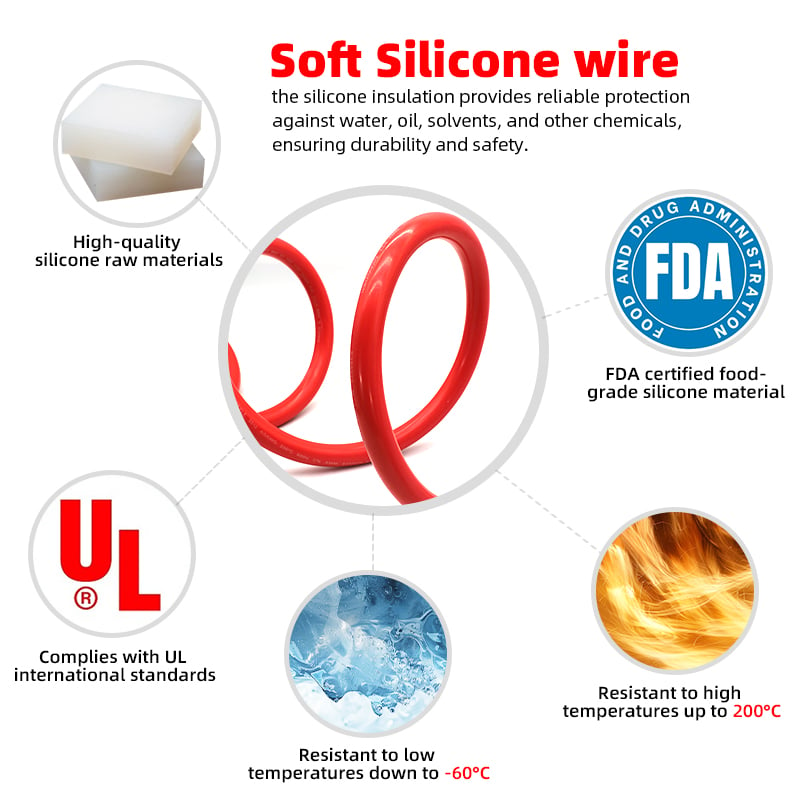
In industrial equipment, electronic manufacturing, and OEM product development, wire selection is not simply a matter of transmitting electrical current. The right cable solution directly affects equipment reliability, assembly efficiency, production consistency, and long-term maintenance costs.
For engineers, purchasing managers, and project teams, selecting a suitable wire requires more than comparing basic specifications. Factors such as conductor material, insulation performance, flexibility, operating temperature, certification requirements, and supplier capability all influence the final product performance.
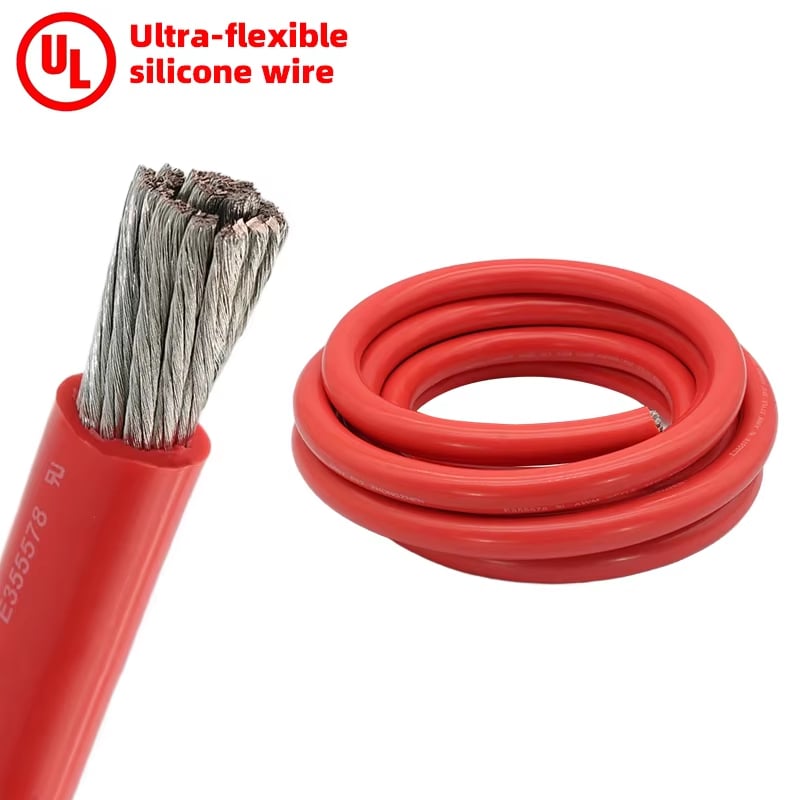
UL3512 silicone wire is widely selected for applications requiring excellent temperature resistance, flexibility, and reliable electrical insulation. However, choosing the right specification requires a detailed understanding of the application environment and project requirements.
This guide explains the key factors to consider when selecting UL3512 wire, helping engineers and purchasing teams make better decisions during product development and supplier evaluation.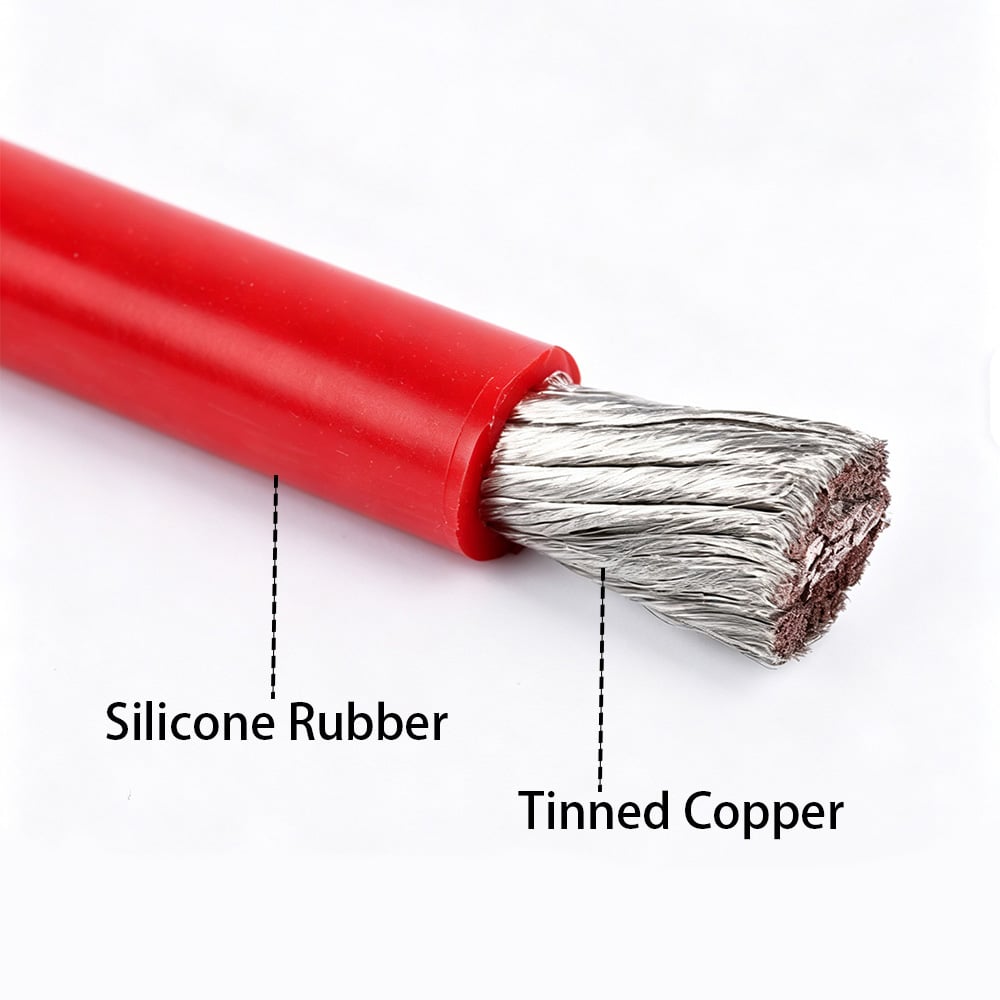
The conductor is the core component that determines electrical performance, flexibility, and connection reliability.
When selecting UL3512 silicone wire, engineers should evaluate not only the conductor material but also the strand structure and mechanical requirements of the application.
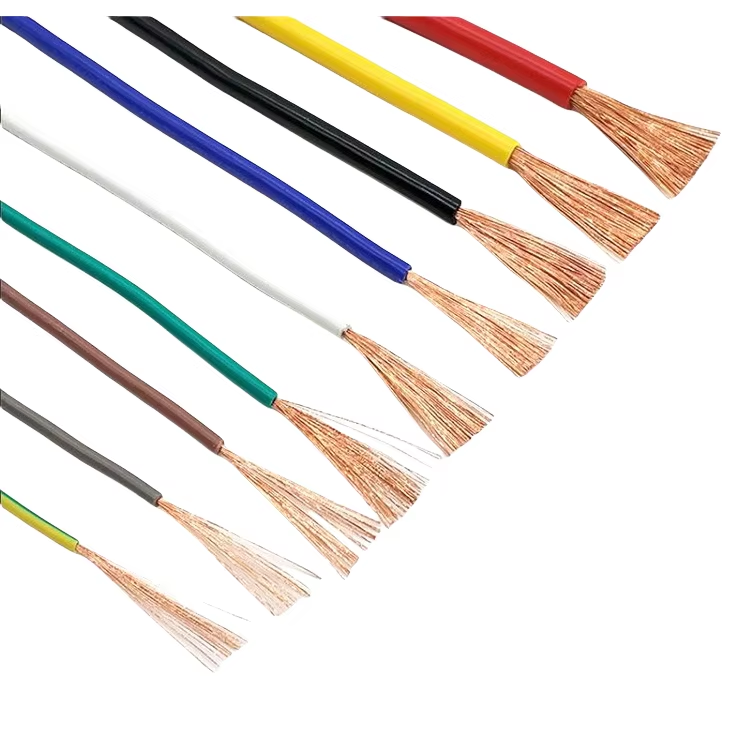
The two most common conductor options are bare copper and tin plated copper.
Bare copper provides excellent electrical conductivity and is often selected for applications where:
It is commonly used in general electrical connections where cost efficiency is an important consideration.
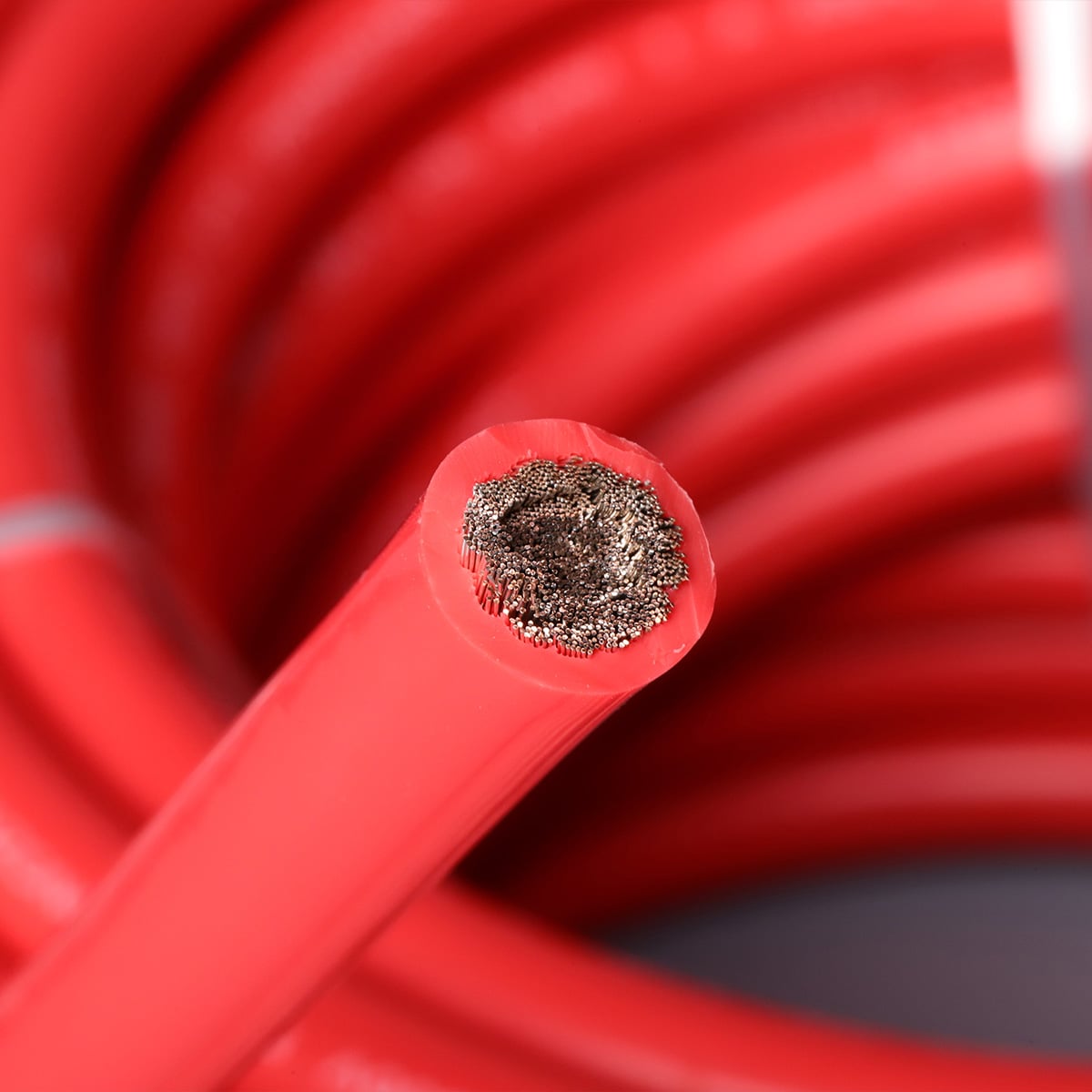
Tin plated copper is widely used in applications requiring improved environmental resistance and long-term reliability.
The tin coating can provide:
For applications such as battery systems, industrial equipment, and electronic devices exposed to changing environmental conditions, tin plated copper can provide additional protection for long-term operation.
When selecting a supplier, purchasing teams should pay attention to conductor consistency, plating quality, and manufacturing control, as these factors directly influence connection reliability.
It is commonly used in general electrical connections where cost efficiency is an important consideration.
Tin plated copper is widely used in applications requiring improved environmental resistance and long-term reliability.
The tin coating can provide:
For applications such as battery systems, industrial equipment, and electronic devices exposed to changing environmental conditions, tin plated copper can provide additional protection for long-term operation.
When selecting a supplier, purchasing teams should pay attention to conductor consistency, plating quality, and manufacturing control, as these factors directly influence connection reliability.
The insulation layer plays an important role in determining temperature performance, flexibility, and service life.
Compared with traditional insulation materials, silicone rubber provides excellent elasticity and maintains stable performance across a wide temperature range.
The main advantages of silicone insulation include:
These characteristics make UL3512 silicone wire suitable for applications where cables must maintain reliable performance under demanding conditions.
Temperature resistance is one of the most important factors when selecting a high temperature silicone wire.
Before choosing a cable solution, engineers should evaluate:
Typical applications requiring heat-resistant wire include:
However, the actual service performance depends on multiple factors, including current load, ventilation conditions, and installation environment.
Selecting a cable based only on temperature rating may not fully reflect the actual working conditions.
For OEM customers, insulation performance also affects manufacturing efficiency.
During production, cable characteristics can influence:
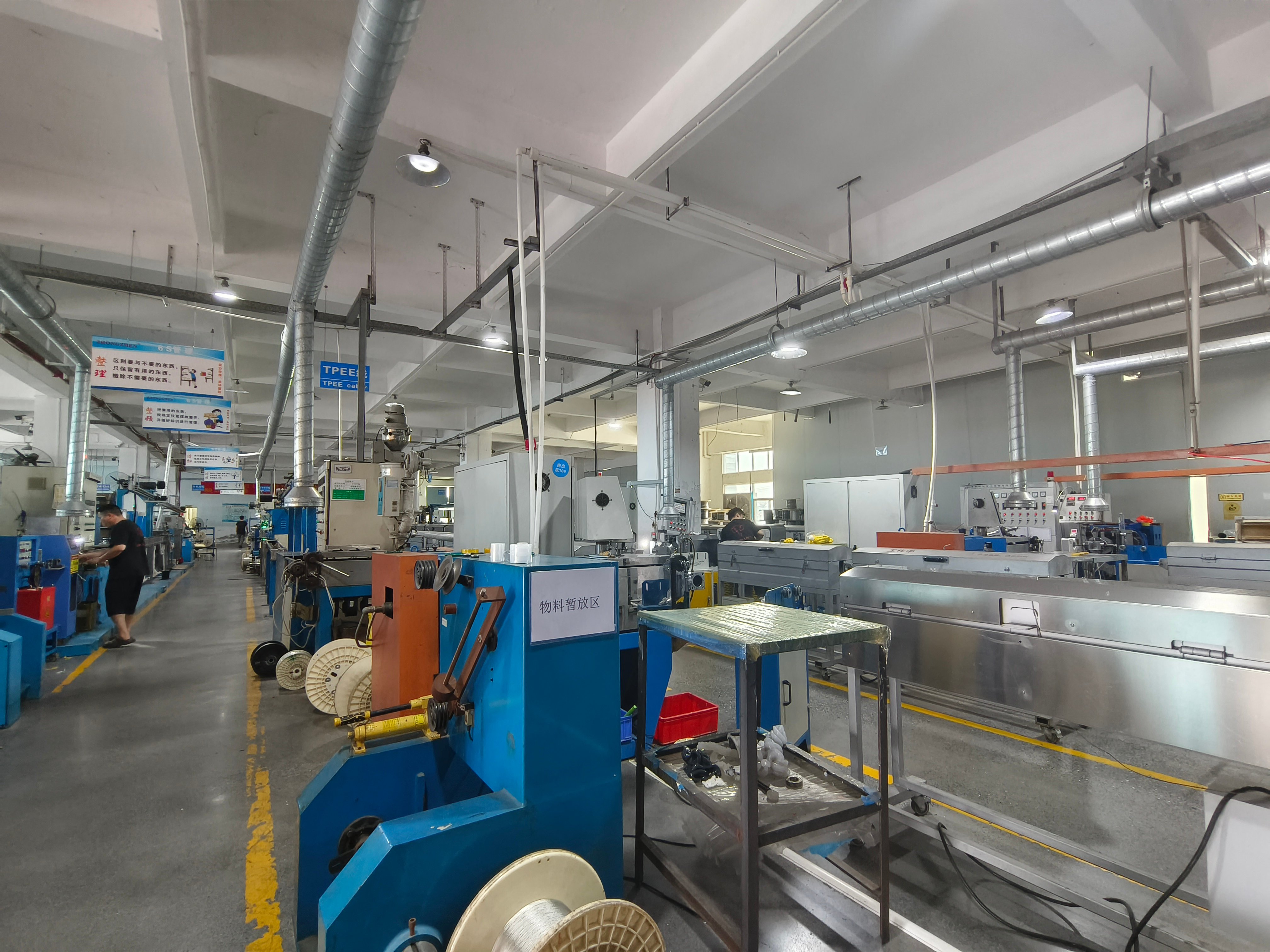
A reliable wire manufacturer should understand different processing requirements and provide suitable solutions according to customer production methods.
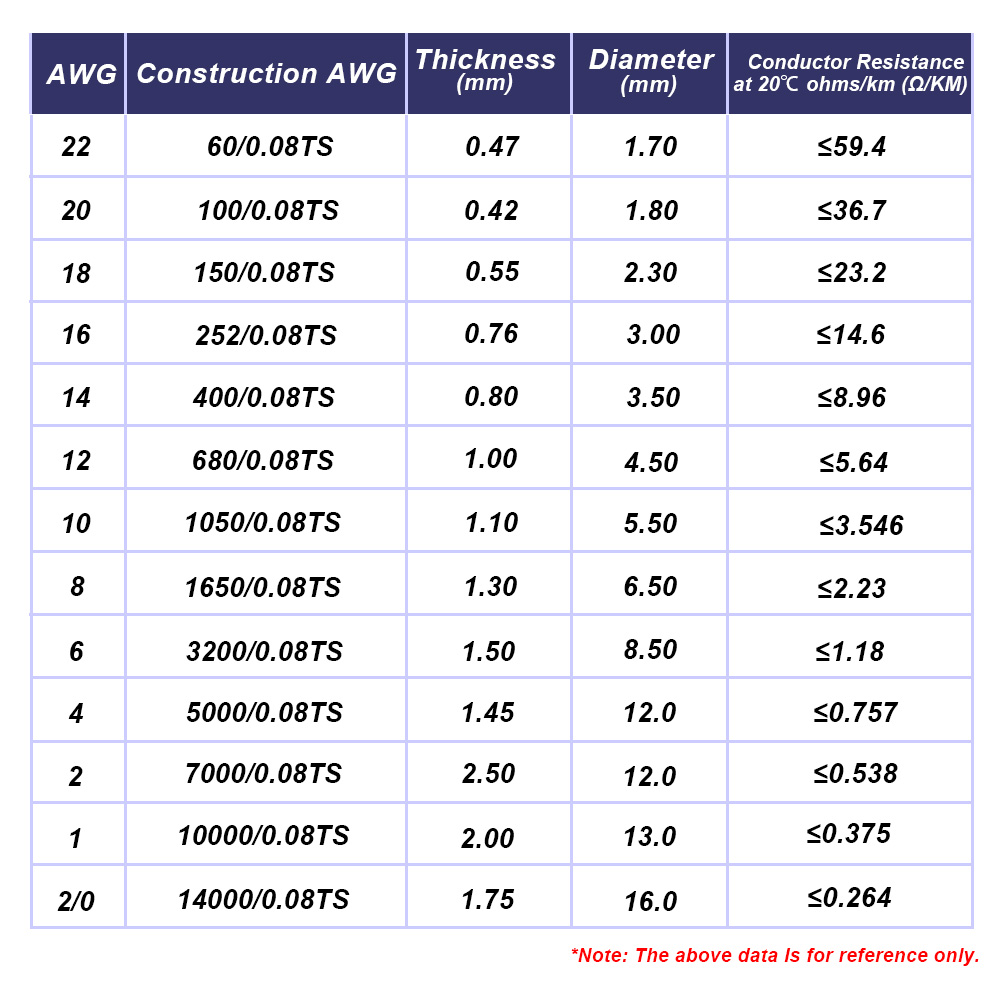
Selecting the correct wire size is essential for ensuring electrical safety and preventing unnecessary cost increases.
A suitable wire specification should consider:
An undersized conductor may lead to:
An oversized conductor may result in:
Therefore, the optimal wire size should balance electrical performance and practical installation requirements.
3.2 Key Factors for Wire Selection
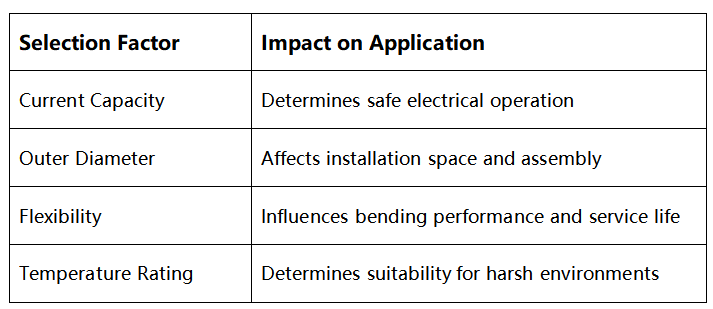
For customized projects, professional suppliers can help customers select suitable specifications according to actual operating conditions.
For global OEM customers and industrial equipment manufacturers, certification compliance is an important factor when selecting a cable supplier.
A suitable wire solution should not only meet electrical performance requirements but also satisfy the standards required for the final application.
When evaluating UL3512 silicone wire, customers should consider:
Certification helps ensure product consistency and provides confidence during product development and mass production.
However, certification alone is not the only factor determining product reliability. Manufacturing capability, quality control procedures, and production consistency are equally important.
A professional wire manufacturer should be able to provide relevant technical documents and support customers during product validation.
Choosing the right supplier is an important part of selecting a reliable UL3512 wire solution.
For OEM projects, the supplier should provide more than a standard product. Technical support, customization capability, and stable production capacity can directly influence project success.
Different applications may require different cable specifications.
A reliable manufacturer should support customization options such as:
Customized solutions allow customers to optimize cable performance according to their equipment design.
For long-term cooperation, production consistency is essential.
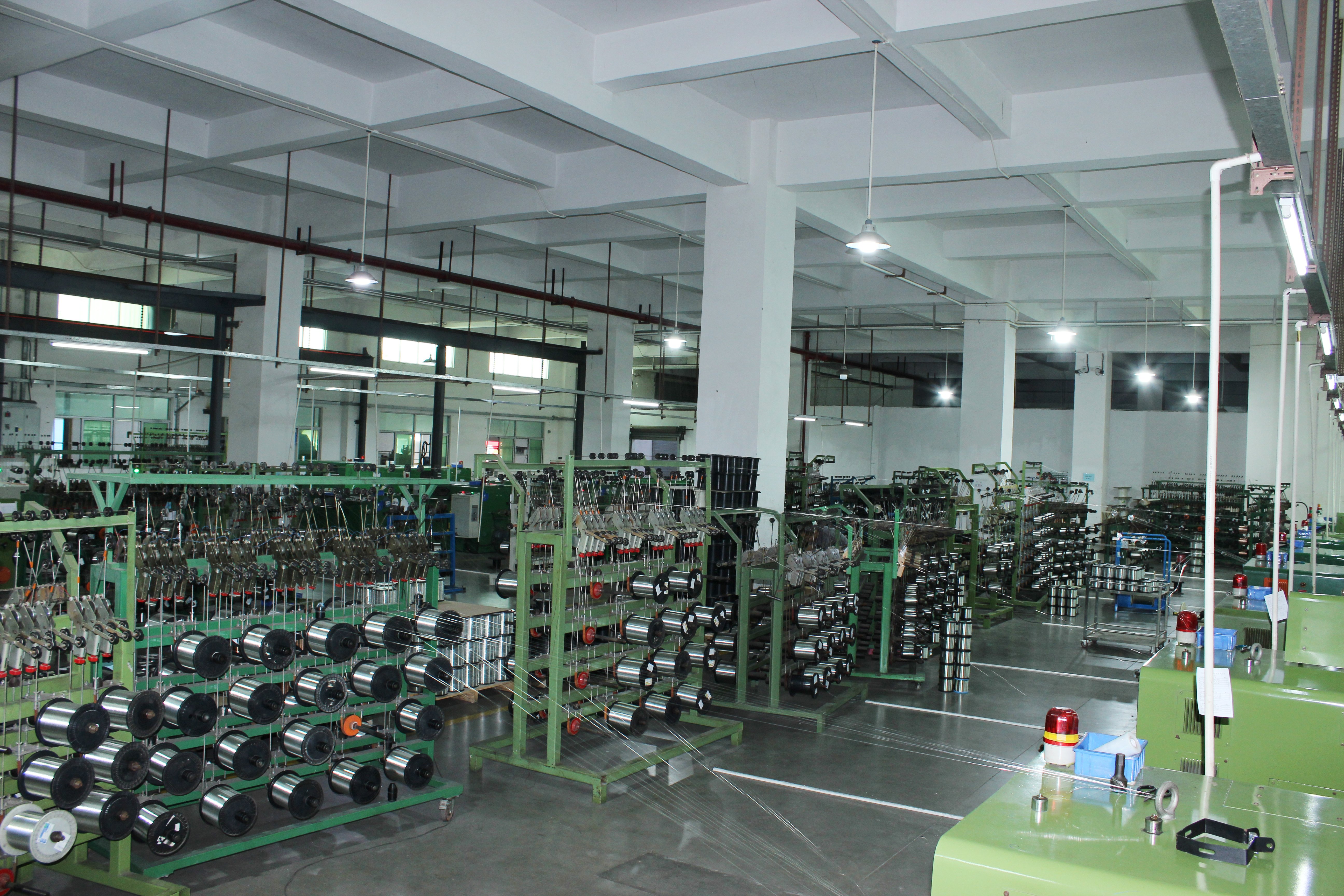
Important supplier capabilities include:
For manufacturers purchasing cables for mass production, stable quality can help reduce production interruptions and after-sales risks.
An experienced cable supplier should be able to support customers during different project stages.
This includes:
A supplier that participates early in the product development process can help customers avoid unnecessary redesign and improve production efficiency.
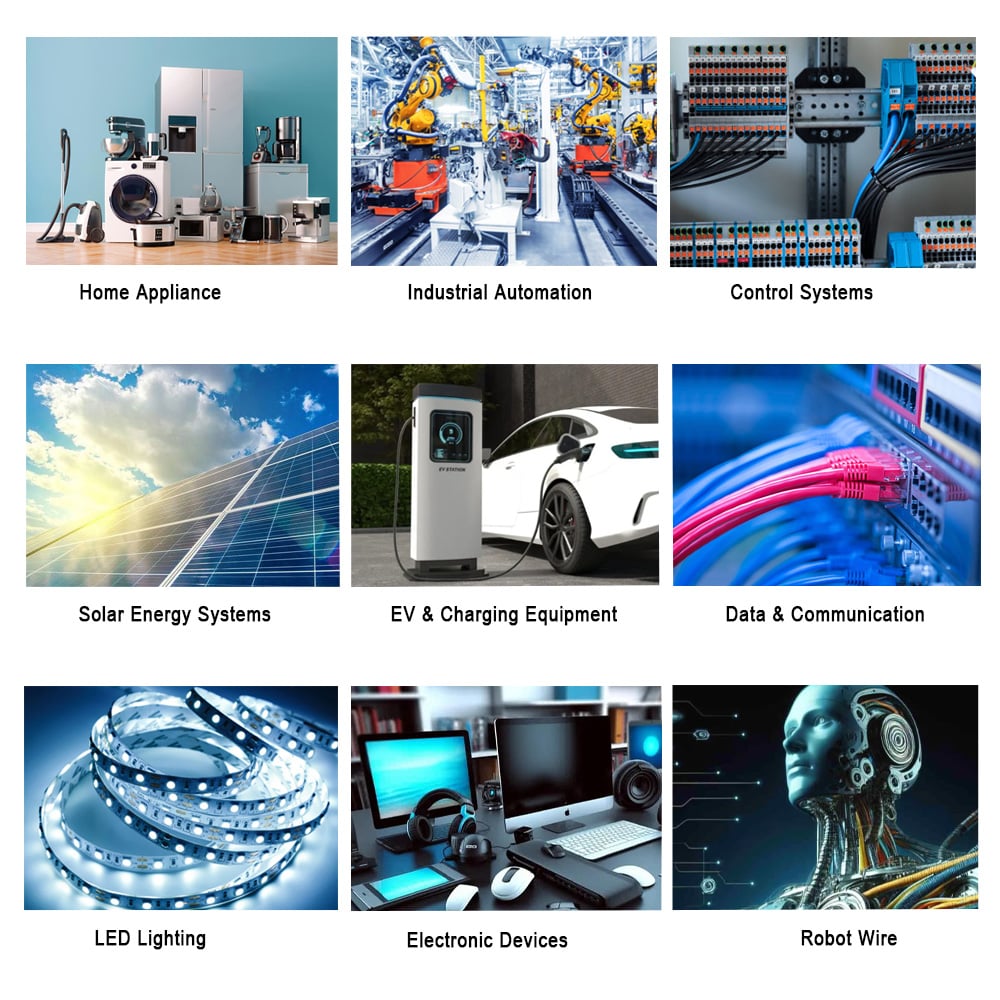
Due to its flexibility, temperature resistance, and stable insulation performance, UL3512 silicone wire is widely used in various industrial and electronic applications.
In battery-related applications, cables need to provide:
Silicone insulated wire is commonly used in electronic products where space limitations and flexibility are important.
Applications include:
Industrial environments often require cables that can withstand vibration, heat, and continuous operation.
Typical applications include:
The flexibility of silicone insulation makes it suitable for compact installations and applications requiring easy routing.
Applications include:
During the purchasing process, some common mistakes may affect product performance and project costs.
The lowest-cost option may not always provide the best long-term value.
Important factors should also include:
A cable suitable for one environment may not perform well in another.
Before selecting a wire, customers should confirm:
Mistake 3: Choosing Specifications Without Testing
For customized projects, sample testing is an important step before mass production.
Recommended validation includes:
Electrical testing
Assembly testing
Temperature evaluation
Actual application testing
Every application has different requirements.
A standard cable may not always provide the best solution for specific projects.
Customized wire solutions allow customers to optimize:
By working with an experienced silicone wire manufacturer, companies can receive technical guidance and customized cable solutions based on their application requirements.
For OEM customers, early communication with a professional supplier can help improve product reliability and shorten development cycles.
UL3512 silicone wire is commonly used in applications requiring high temperature resistance, flexibility, and reliable insulation performance, including battery systems, electronic equipment, industrial machinery, and lighting applications.
The correct wire size depends on several factors, including current requirement, voltage rating, cable length, installation environment, and temperature conditions.
Yes. Professional manufacturers can customize conductor materials, AWG sizes, colors, lengths, packaging, and other specifications according to customer requirements.
Silicone insulation generally provides better flexibility and temperature resistance, making it suitable for applications requiring frequent bending or high-temperature operation.
Selecting the right UL3512 wire requires a comprehensive evaluation of electrical performance, temperature requirements, mechanical conditions, certification needs, and supplier capability.
For engineers, distributors, and OEM customers, the best cable solution is not always the one with the highest specification, but the one that provides the right balance between performance, reliability, and cost.
Working with an experienced silicone wire manufacturer can help customers develop reliable cable solutions, improve production efficiency, and reduce long-term project risks.
Dongguan Zhongzhen is a professional manufacturer of custom wire, cable and wire harness solutions. We provide UL-certified products for automotive, industrial, energy storage and electronic applications worldwide. OEM and ODM services available.