EN
EN


In the world of industrial wiring and electronics manufacturing, the materials and standards behind a cable matter just as much as its physical dimensions. A ul flexible silicone cable represents a specific category of wire that combines the mechanical advantages of silicone insulation with the safety assurance of UL certification. Understanding what this product actually is — and why engineers, procurement specialists, and manufacturers consistently choose it — requires looking at both its physical construction and its regulatory standing.
The demand for ul flexible silicone cable has grown steadily across industries ranging from medical devices and automotive assemblies to LED lighting and consumer electronics. This growth is not accidental. It reflects a genuine need for wiring solutions that can perform reliably in challenging environments while meeting internationally recognized safety benchmarks. This article defines what ul flexible silicone cable is, breaks down its core properties, and explains the practical and regulatory reasons it continues to be specified across so many applications.
Defining UL Flexible Silicone Cable
The Basic Construction
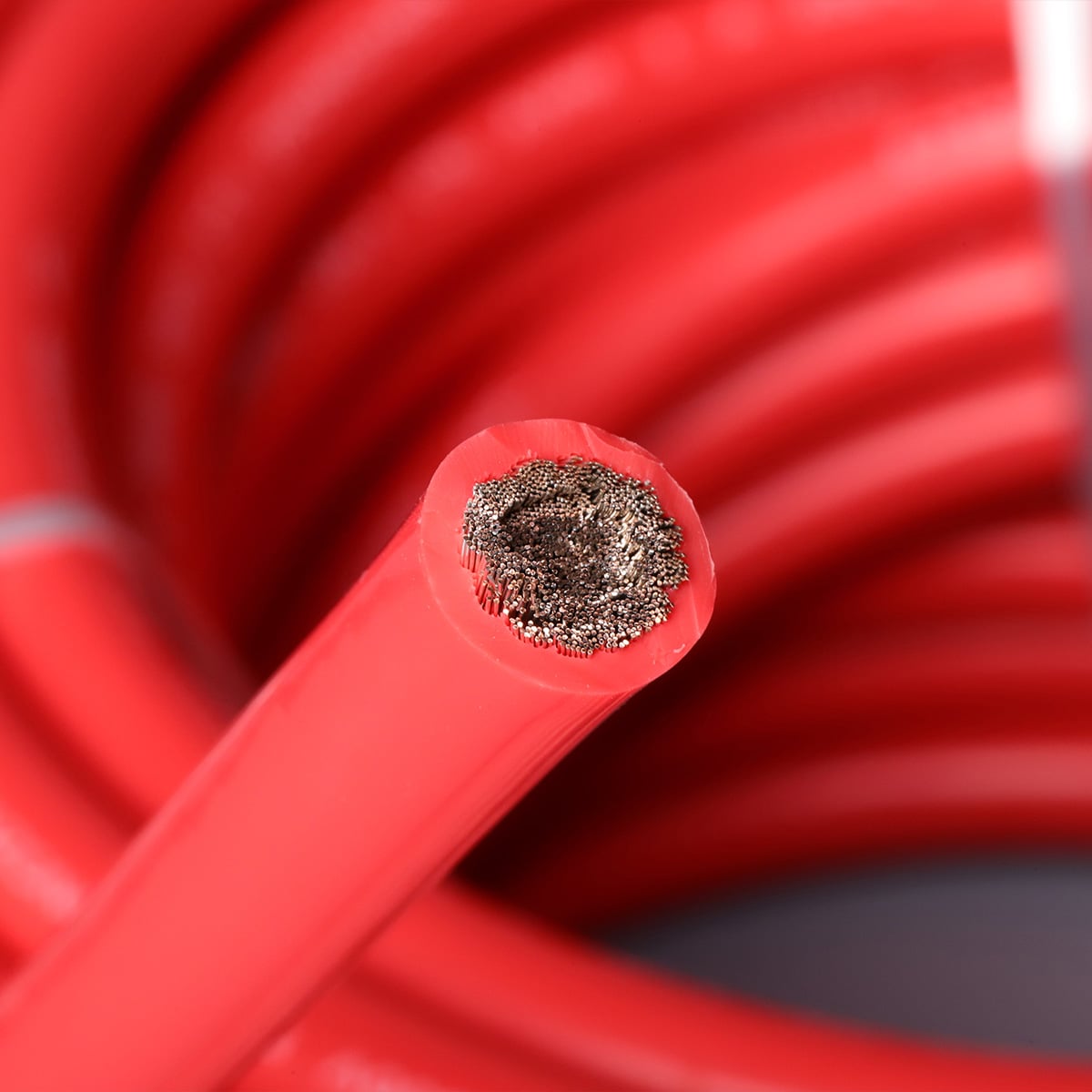
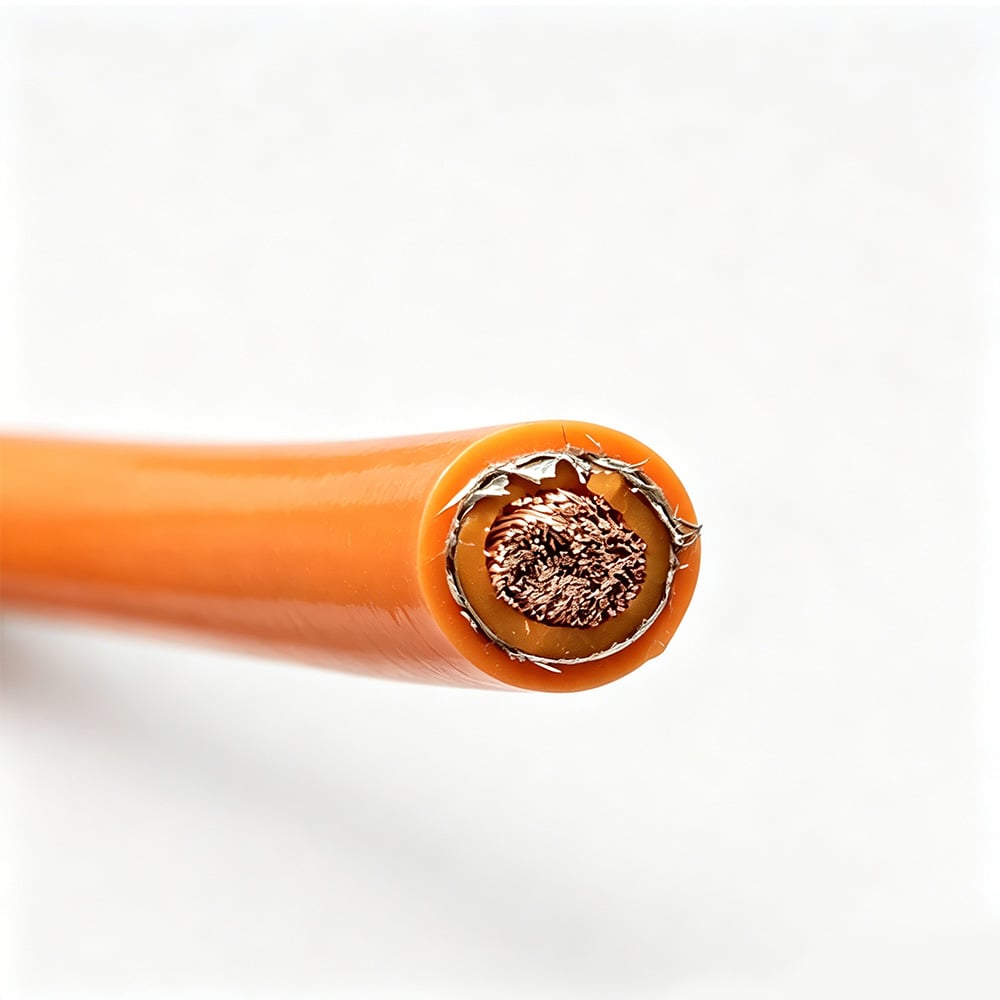
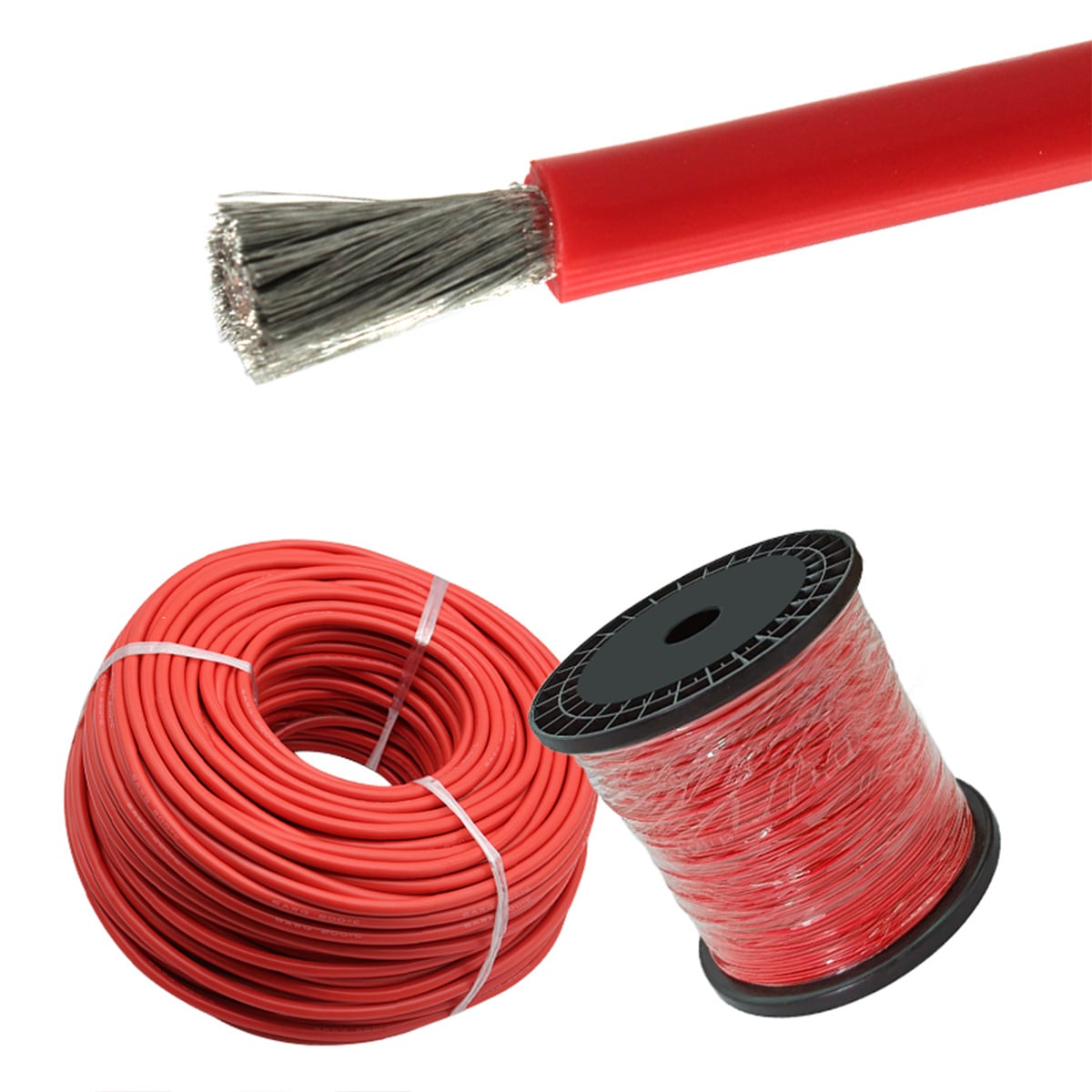
A ul flexible silicone cable is a type of insulated electrical wire or cable in which the outer jacket and insulation layer are made from silicone rubber rather than standard PVC or thermoplastic materials. At its core, the conductor is typically made from tinned copper strands, which enhances both conductivity and resistance to oxidation over time. The tinning process also makes the conductor easier to solder, which is a practical benefit in precision assembly environments.
The silicone insulation is applied over these stranded conductors using an extrusion process, resulting in a smooth, flexible outer layer that retains its properties across a very wide temperature range. The combination of fine-stranded tinned copper with silicone insulation is what gives ul flexible silicone cable its characteristic softness and bendability. This structure is intentionally engineered to support repeated flexing without cracking, splitting, or losing dielectric integrity.
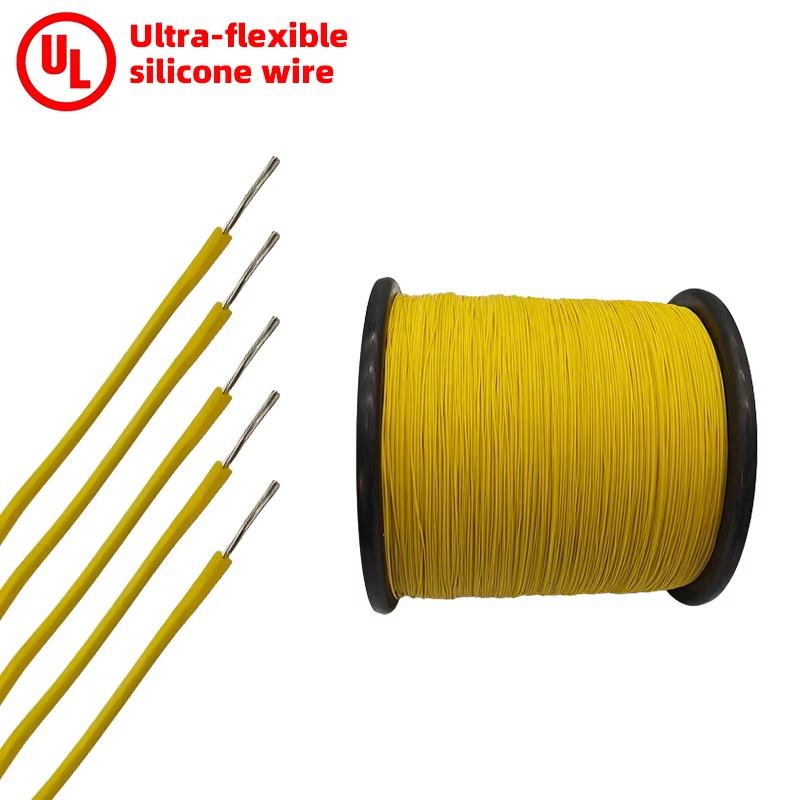
Gauge sizes for ul flexible silicone cable typically range from 20 AWG down to 30 AWG and sometimes finer, depending on the application. Smaller gauge wires are commonly used in compact electronics, sensors, and medical probes, while slightly larger gauges appear in power leads, control wiring, and heating elements. The flexibility of the cable does not diminish at smaller gauges because the fine-strand conductor design maintains pliability regardless of diameter.
The Role of UL Certification
The 'UL' in ul flexible silicone cable refers to certification by Underwriters Laboratories, one of the most widely recognized independent safety certification organizations in the world. UL certification is not simply a marketing label — it means the cable has been tested and found to comply with specific performance and safety standards covering voltage rating, temperature resistance, flame retardancy, and insulation integrity. For a product to carry the UL mark, its manufacturer must submit samples for testing and agree to ongoing factory audits.
Common UL designations seen on ul flexible silicone cable include styles such as UL 3132, UL 3135, UL 3239, and related standards. Each designation specifies a particular voltage rating, temperature class, and allowable application environment. For example, UL 3135 is a widely used style rated for 150°C and 600 volts, making it suitable for high-temperature environments. These designations help procurement engineers confirm at a glance that a specific ul flexible silicone cable meets the requirements of their application without performing additional testing themselves.
It is worth noting that the UL mark does not simply certify the insulation material — it certifies the entire cable construction as a system. This means the conductor type, strand count, insulation thickness, and overall build must all conform to the tested specification. A cable that uses silicone insulation but has not passed UL testing cannot be called a certified ul flexible silicone cable, even if it visually resembles one. This distinction matters significantly in regulated industries.
Key Physical and Chemical Properties
Temperature Performance
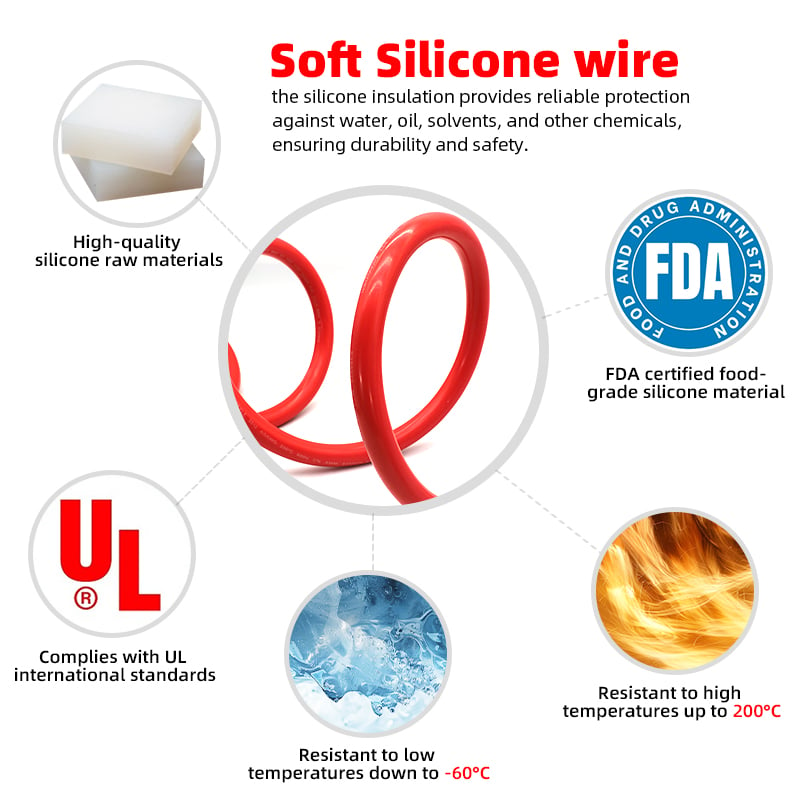
One of the most frequently cited advantages of ul flexible silicone cable is its exceptional temperature range. Silicone rubber maintains its flexibility and insulating properties from approximately -60°C to as high as 200°C or above, depending on the specific compound formulation. This means the cable can function reliably in freezing outdoor environments, inside industrial ovens, near engine compartments, and in medical sterilization equipment — all without hardening, cracking, or losing dielectric strength.
By contrast, standard PVC-insulated cables become brittle at low temperatures and can soften or emit toxic fumes at high temperatures. The thermal stability of ul flexible silicone cable is therefore not just a performance feature — it is also a safety feature in environments where cable failure could have serious consequences. This is one reason why the cable is so prevalent in applications involving proximity to heat sources, repeated thermal cycling, or continuous high-temperature operation.
Flexibility and Mechanical Durability
The 'flexible' designation in ul flexible silicone cable is not merely descriptive — it reflects a deliberate engineering choice. Silicone rubber has a naturally low modulus of elasticity, which means it deforms easily under mechanical stress and returns to its original shape without permanent deformation. Combined with a fine-stranded conductor, this produces a cable that can be bent, coiled, twisted, and routed through tight spaces repeatedly without developing fatigue cracks or conductor breaks.
This property is especially valuable in applications involving moving parts, articulating joints, or hand-held devices. Robotic arm wiring, flexible heater leads, portable diagnostic equipment, and wearable medical sensors all place significant mechanical demands on their cables. A ul flexible silicone cable can typically withstand tens of thousands of flex cycles under specified test conditions, making it far more durable than rigid alternatives in dynamic environments.
The silicone jacket also resists tearing, abrasion, and surface damage better than many thermoplastic alternatives in light-duty mechanical contact scenarios. While it is not designed for heavy industrial abrasion, it handles the incidental contact, rubbing, and movement common in equipment interiors with reasonable resilience. This mechanical profile reduces the risk of insulation damage during installation and in service, which contributes to overall system reliability.
Chemical and Environmental Resistance
Silicone rubber is inherently resistant to ozone, UV radiation, and a broad range of chemicals including many oils, mild acids, and cleaning agents. A ul flexible silicone cable used in outdoor equipment, laboratory instruments, or food processing machinery benefits from this resistance because the insulation will not degrade quickly when exposed to environmental stressors that would accelerate the deterioration of conventional plastics.
The non-toxic and biocompatible properties of silicone also make ul flexible silicone cable a natural fit for medical and food-contact applications. Unlike PVC, which can release plasticizers and other chemical additives over time, silicone is chemically stable and does not leach harmful substances under normal operating conditions. This characteristic is why medical device manufacturers frequently specify ul flexible silicone cable for patient-contact equipment, internal leads, and sterilizable assemblies.
Why UL Flexible Silicone Cable Is Specified in Industrial and Commercial Applications
Regulatory and Compliance Drivers
In many markets, particularly the United States and Canada, electrical equipment sold to end users or installed in commercial or industrial facilities must comply with established safety codes. The National Electrical Code (NEC) and various product safety standards referenced by regulatory bodies require that wiring components within finished equipment carry appropriate certifications. Specifying ul flexible silicone cable is a direct way for equipment manufacturers to satisfy these requirements without needing to test the cable themselves.
For product manufacturers seeking UL listing or certification for their entire finished device, using certified components including ul flexible silicone cable simplifies the certification process. UL and similar bodies often accept or prefer certified sub-components within a larger system, reducing the scope of additional testing required. This practical benefit translates directly into faster time-to-market and lower certification costs for manufacturers operating in regulated categories.
Beyond the United States, UL certification is recognized or accepted in many other markets as evidence of a baseline safety standard. International buyers and distributors often request UL-certified components as part of their procurement criteria, meaning that a manufacturer using ul flexible silicone cable can more easily serve global markets without having to maintain multiple separately certified cable inventories.
Application-Specific Suitability
The physical properties of ul flexible silicone cable align naturally with the demands of several high-value application categories. In LED lighting fixtures, for example, internal wiring must withstand elevated temperatures generated by the driver and heat sink assembly over thousands of operating hours. A ul flexible silicone cable rated for 150°C or higher is ideally suited for this environment, whereas a standard PVC wire would risk insulation degradation over time.
In automotive and EV-related applications, wiring must tolerate both mechanical vibration and thermal extremes, particularly in under-hood or battery-adjacent locations. The combination of flexibility, temperature resistance, and certified safety performance makes ul flexible silicone cable a preferred choice for harness designers in this sector. Similarly, in HVAC equipment, appliances with heating elements, and industrial control panels, the cable's ability to function continuously near heat sources without compromising safety justifies its selection over alternatives.
Medical device manufacturers represent another key user group for ul flexible silicone cable. Devices that are sterilized using steam autoclaves, ethylene oxide, or gamma radiation must contain materials that survive those processes without degrading. Silicone's thermal and chemical stability makes it one of very few insulation materials that can withstand autoclaving, and the UL certification adds the necessary safety documentation required by medical regulatory pathways such as FDA 510(k) submissions and ISO 13485 quality systems.
Selecting the Right UL Flexible Silicone Cable for Your Application
Understanding AWG Gauge and Conductor Specification
Choosing the correct gauge of ul flexible silicone cable begins with understanding the current-carrying requirements and the physical constraints of the installation. AWG (American Wire Gauge) is an inverse scale, meaning that a lower number indicates a larger conductor. In the typical range of ul flexible silicone cable from 20 AWG to 30 AWG, the 20 AWG size handles more current and is used in power-carrying leads, while 28 AWG and 30 AWG sizes are appropriate for signal, sensor, and control lines where current is minimal.
The strand count within each conductor also affects the flexibility and solderability of the finished ul flexible silicone cable. A 30 AWG conductor made from seven strands will be stiffer than one made from forty or more ultra-fine strands of equivalent cross-section. For applications requiring extreme flexibility or very small bend radii, specifying a higher strand count is advisable even if the AWG remains constant. Reviewing the technical datasheet for strand configuration is therefore an important part of cable selection.
Matching UL Style to Application Requirements
As mentioned earlier, different UL style numbers specify different performance classes for ul flexible silicone cable. Selecting the correct UL style requires matching the cable's rated voltage and temperature class to the maximum values expected in the application, with an appropriate safety margin. Using a cable rated for 300 volts in a 600-volt application would be a code violation and a safety hazard, even if the cable physically fits the installation.
Temperature class selection should account for both ambient temperature and any localized heating from nearby components or current-induced self-heating within the conductor. Industry practice generally involves selecting a cable with a temperature rating at least 20°C above the expected maximum operating temperature to ensure a conservative safety margin. Consulting the technical requirements of the applicable UL style and the equipment's thermal analysis is the recommended approach when specifying ul flexible silicone cable for new designs.
Color coding is another practical consideration. ul flexible silicone cable is available in a range of jacket colors, and using consistent color assignments for polarity, phase, ground, and signal lines simplifies assembly, reduces wiring errors, and aids maintenance technicians in troubleshooting. Many suppliers offer custom color options for volume orders, which allows manufacturers to maintain standardized internal wiring schemes across product lines.
FAQ
What does the UL certification on a flexible silicone cable actually mean?
UL certification on a ul flexible silicone cable means that the cable construction — including its conductor, insulation material, and overall dimensions — has been independently tested by Underwriters Laboratories and found to comply with specific safety and performance standards. The UL style number printed on the cable jacket identifies which standard it meets, including details about voltage rating, temperature class, and approved applications. This certification gives engineers and regulatory inspectors confidence that the cable has been verified by a third party rather than relying solely on the manufacturer's claims.
Can ul flexible silicone cable be used outdoors?
Silicone rubber is naturally resistant to UV radiation, ozone, moisture, and temperature extremes, which makes ul flexible silicone cable well-suited for outdoor use in many scenarios. However, the suitability for any specific outdoor application also depends on the UL style designation, the mechanical protection available, and any additional environmental exposures such as chemical splash or heavy abrasion. For outdoor installations requiring continuous direct sunlight exposure or burial, confirming that the specific UL style and cable construction are rated for those conditions is important before specifying.
How does ul flexible silicone cable differ from standard PVC wire?
The primary differences between ul flexible silicone cable and standard PVC wire lie in temperature performance, flexibility, and chemical stability. Silicone insulation handles a much wider temperature range — typically from -60°C to 200°C — compared to PVC, which is usually limited to around -20°C to 80°C. Silicone is also softer and more pliable, making it easier to route in tight spaces and more resistant to fatigue cracking under repeated bending. Additionally, silicone does not contain halogens or plasticizers, making it a cleaner choice for medical, food-contact, and low-emission environments.
Is ul flexible silicone cable suitable for medical device applications?
Yes, ul flexible silicone cable is widely used in medical device applications because its material properties align well with the requirements of that industry. Silicone insulation is biocompatible, chemically stable, and capable of surviving steam sterilization processes such as autoclaving. The UL certification adds the documentation layer needed to support regulatory submissions under frameworks such as FDA 510(k) or CE marking under the EU Medical Device Regulation. Device designers should still verify that the specific cable construction meets any additional material standards or biocompatibility testing requirements applicable to their device classification.