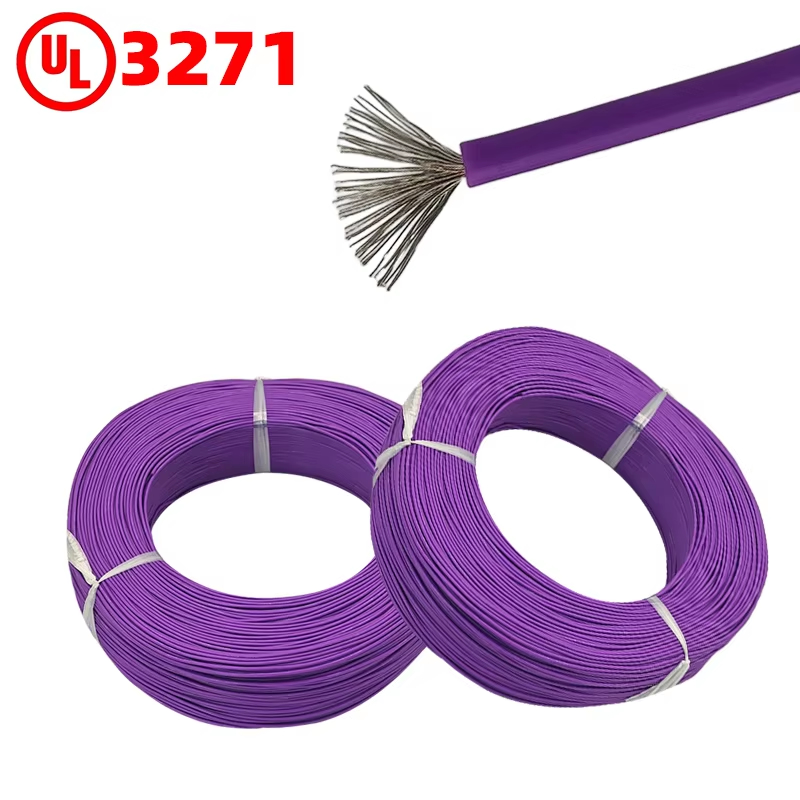
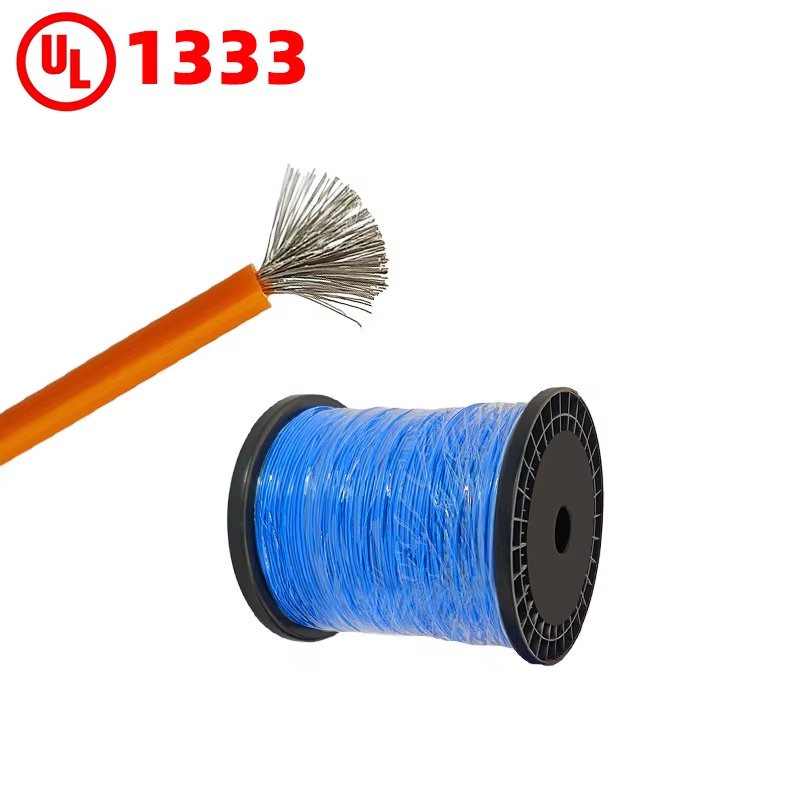
Many customers want to buy standard robotic cables online for convenience—but choosing the right robotic cable is far from simple. Unlike ordinary cables, robotic cables must withstand the complex movements of robots: repeated flexing, torsion, and bending. Standard cables lack the durability for these demands, often leading to premature failure and costly equipment downtime.
The truth is: robotic cables must be customized to match your robot’s actual motion and application scenario. Material selection and structural design are critical—get these wrong, and you risk frequent equipment breakdowns, wasted time, and extra costs.
To make customizing your robotic cable seamless, please clearly provide these key requirements:
Movement type and required flex cycle life (how often the cable bends/twists)
Working environment: operating temperature range, oil resistance, moisture resistance, and abrasion resistance needs
Electrical specifications: voltage rating, EMI shielding requirements, flame resistance, and other special needs
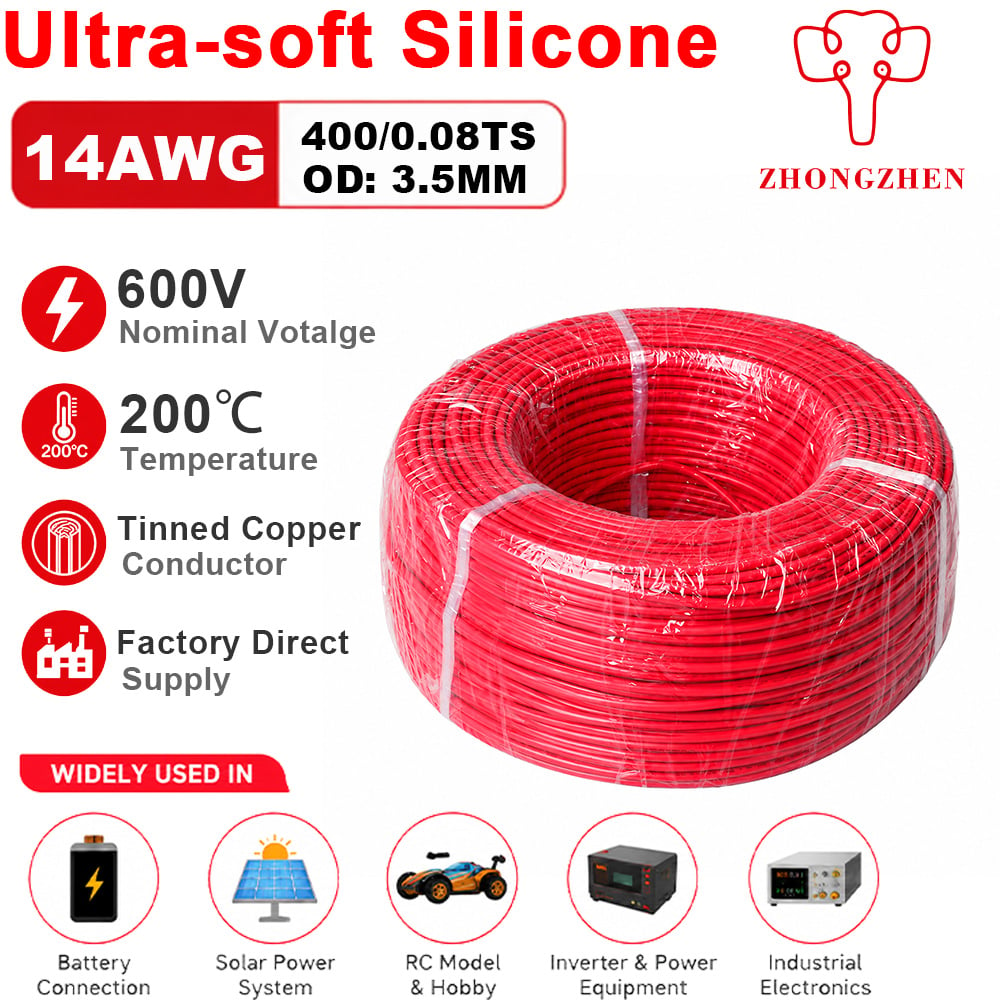
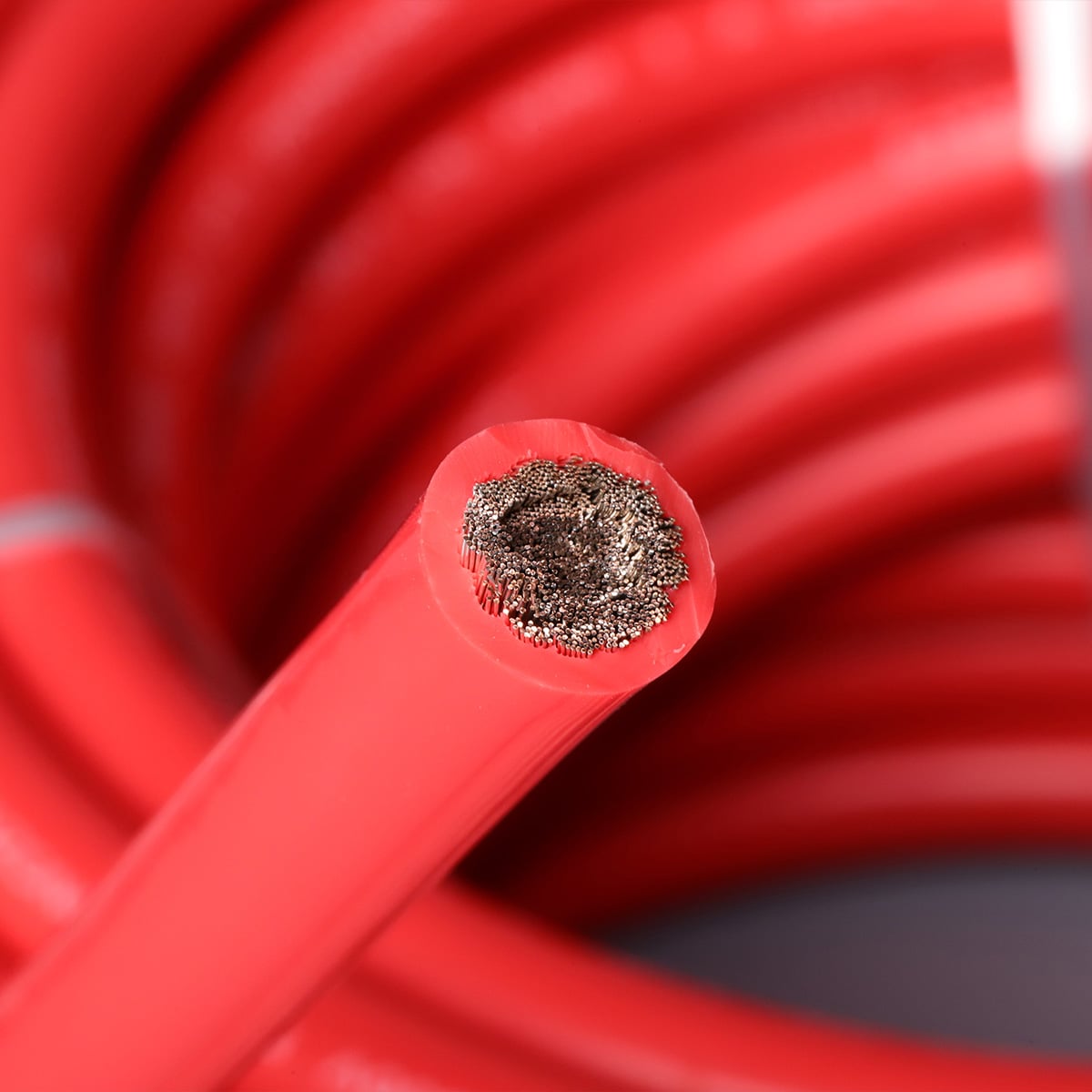
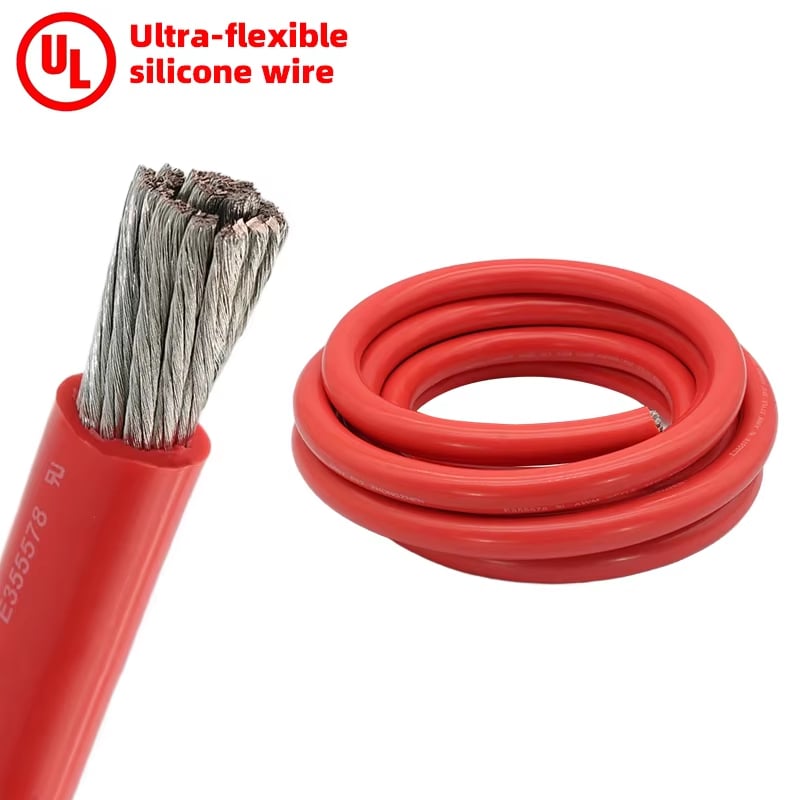
For optimal performance, we recommend high-strand-count alloy conductors for high-flex and torsion applications—they offer superior flexibility and long-term durability. For insulation and jacketing, materials like silicone are selected based on your specific needs for heat resistance, chemical resistance, and abrasion protection.
Beyond materials, cable structure, stranding design, and shielding also directly impact service life. Improper design can lead to conductor damage, poor EMI performance, and unexpected failures.
The best way to avoid these issues? Partner with a professional robotic cable manufacturer early in the design phase. This not only prevents costly mistakes but also saves you time and reduces long-term costs.
Found this helpful? Feel free to share the article. Let us know if you need more professional cable guides or advice!
 EN
EN