EN
EN


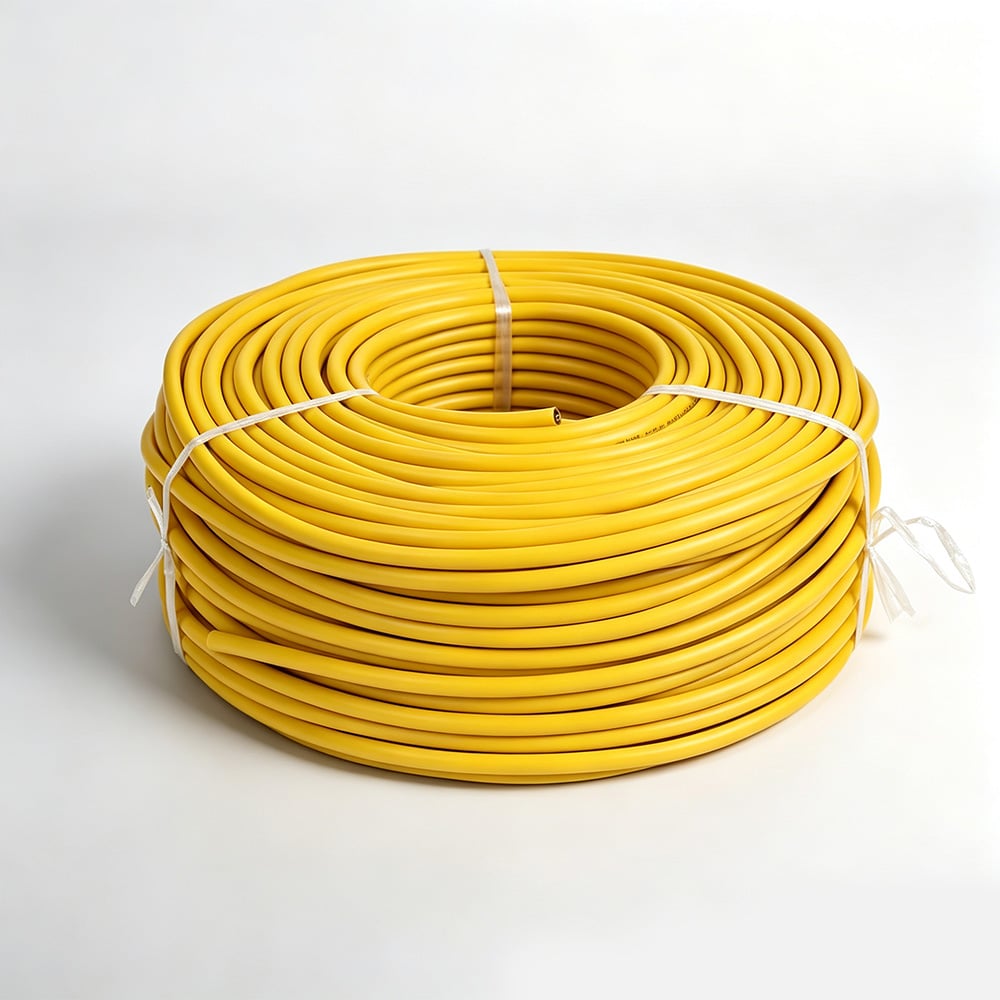
When selecting the right wire for industrial, electronic, or energy applications, choosing the correct insulation material is essential. Among the many options available, silicone wire and PVC wire are two commonly used types of electrical cables. Although both can provide reliable electrical insulation, they have significant differences in temperature resistance, flexibility, durability, and application areas.
Understanding the differences between these two types of wires can help engineers and buyers select the most suitable solution for their projects.
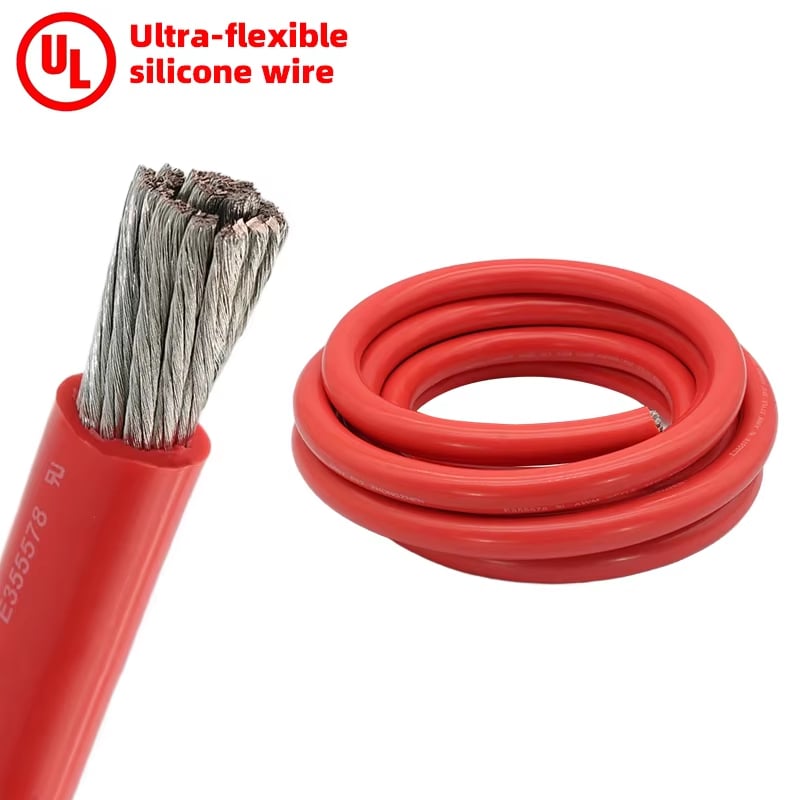
Silicone wire is an electrical wire that uses silicone rubber as its insulation material. It is known for its excellent flexibility, high-temperature performance, and resistance to harsh environments.
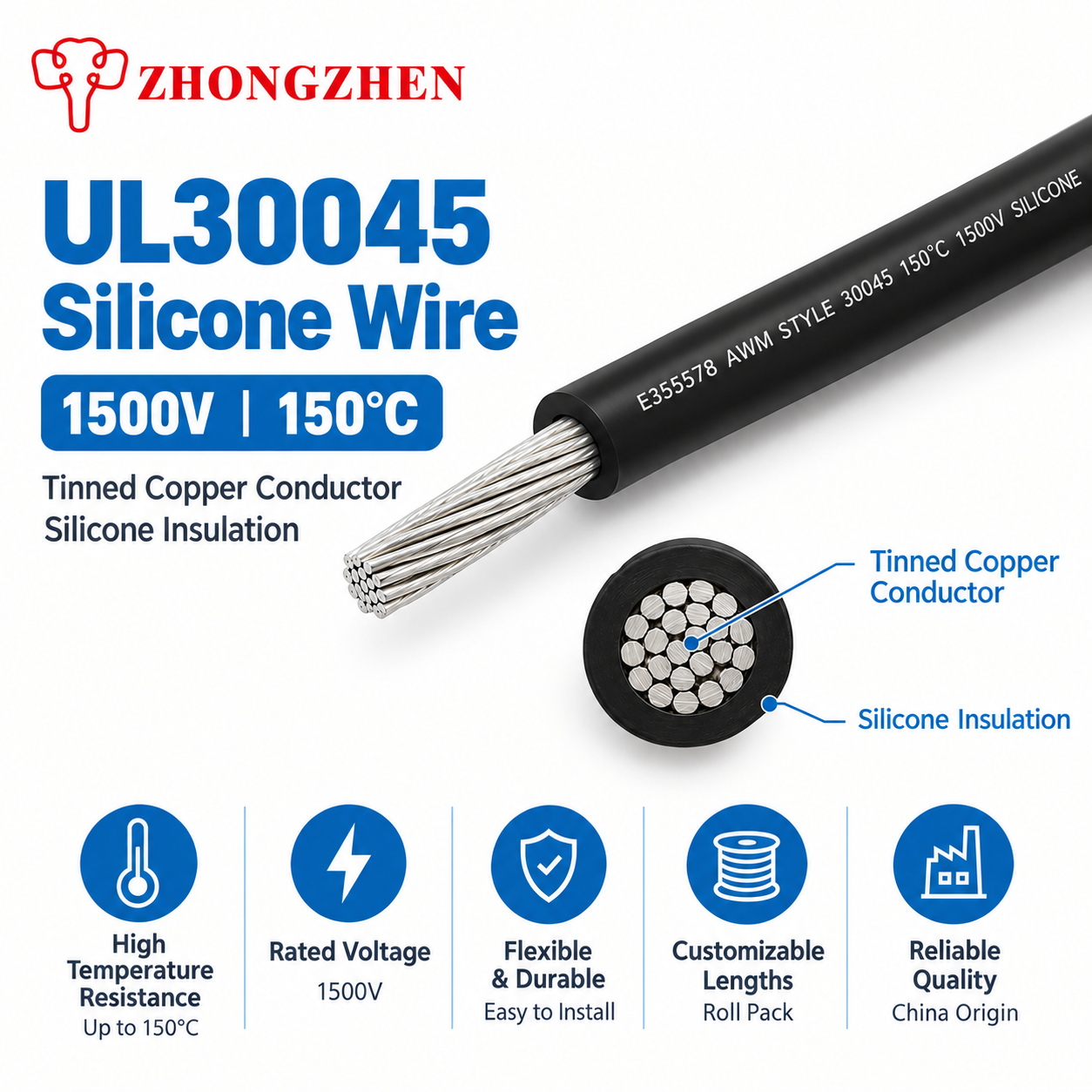
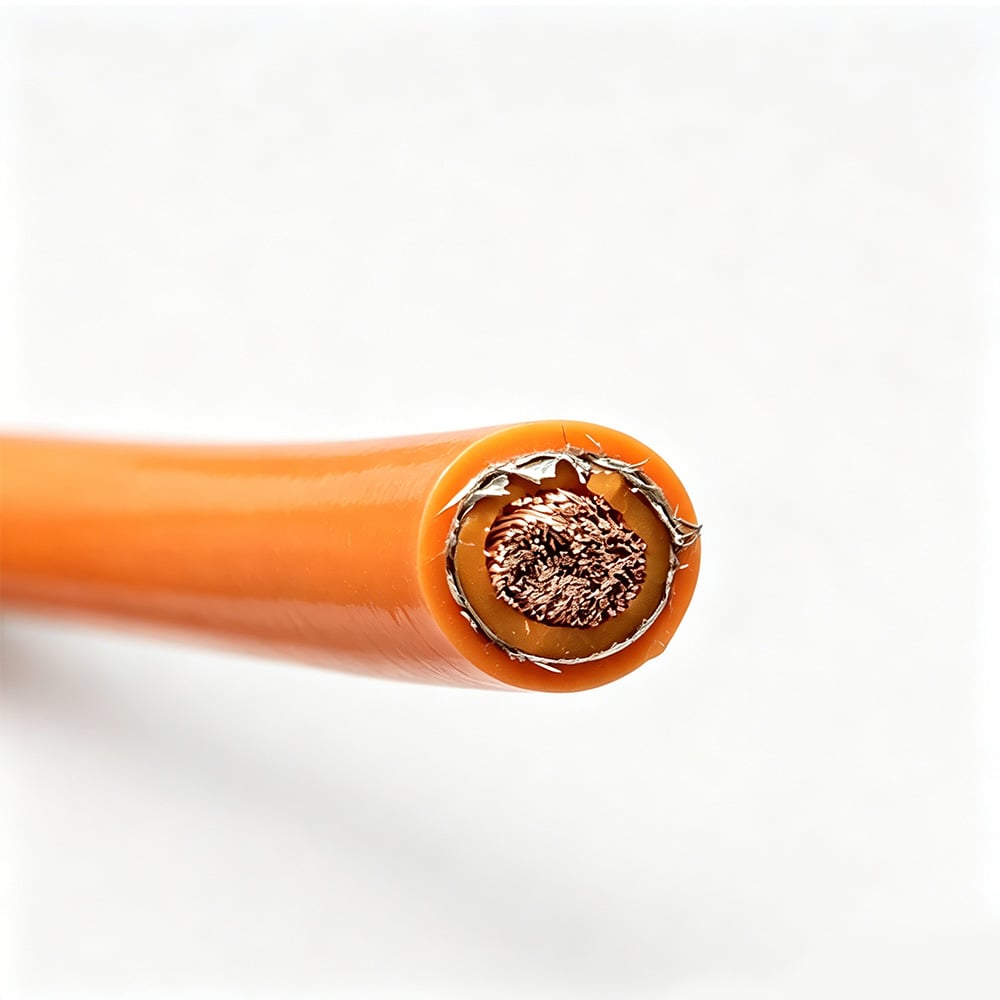
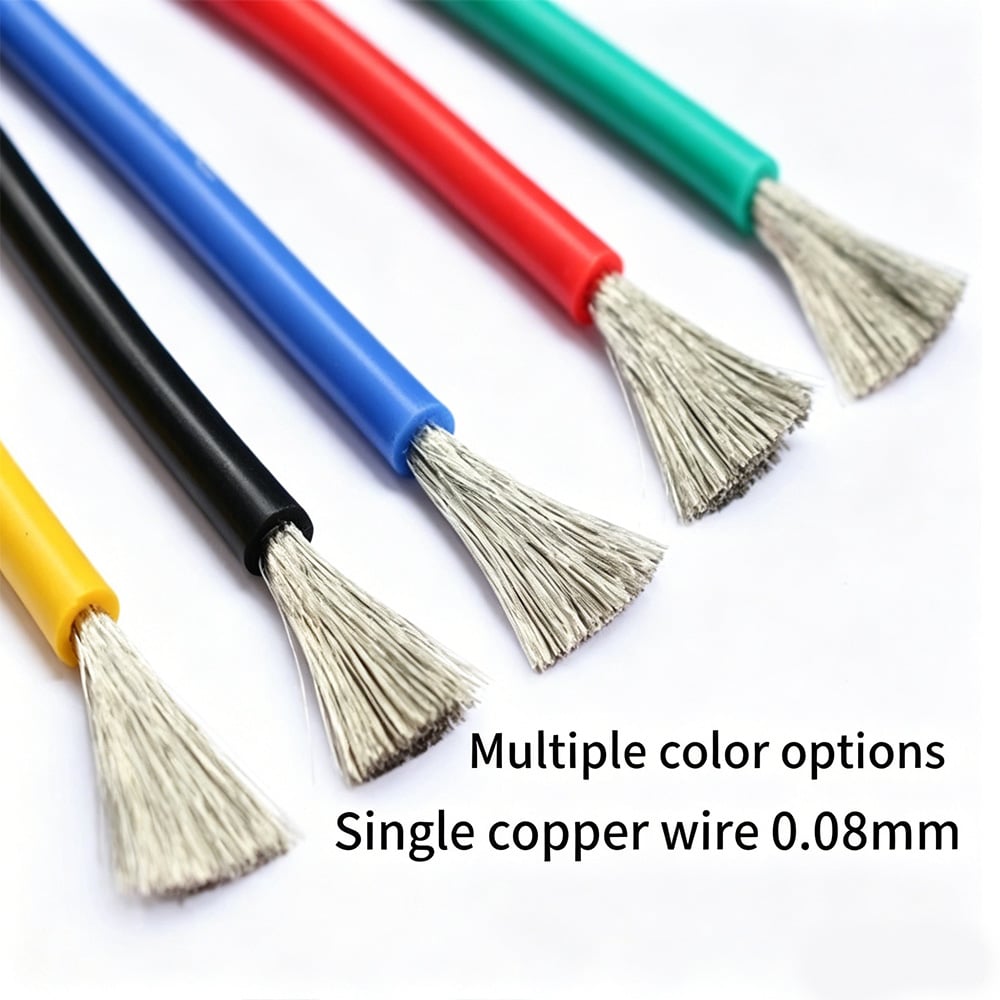
The silicone insulation remains soft even under extreme temperature conditions, making it suitable for applications where the cable needs frequent bending or exposure to heat. Many silicone insulated cables use tinned copper conductors, which provide good corrosion resistance and stable electrical performance.
Typical applications include battery systems, electric vehicles, energy storage equipment, industrial machinery, motors, and high-temperature electrical assemblies.
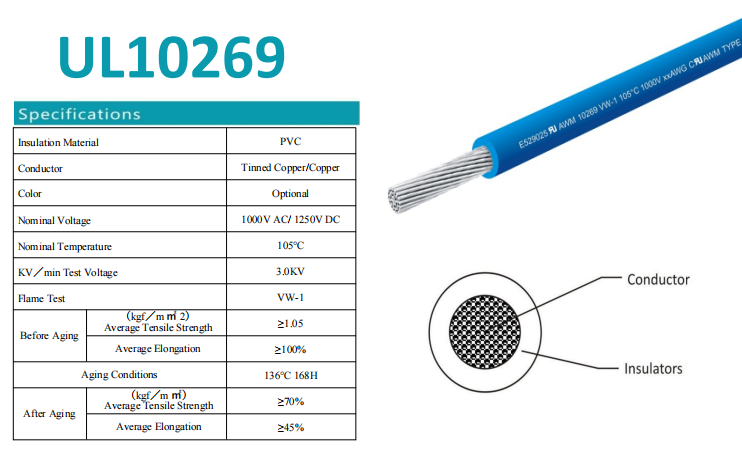
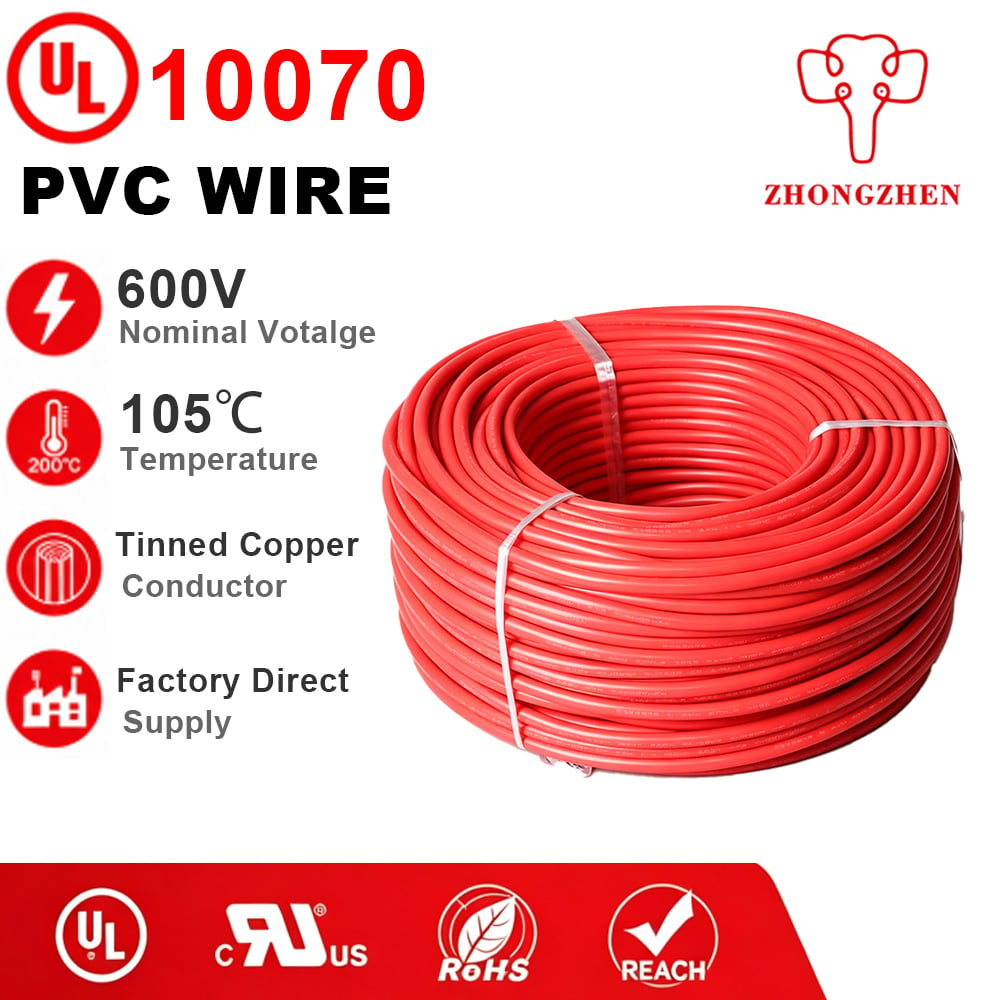
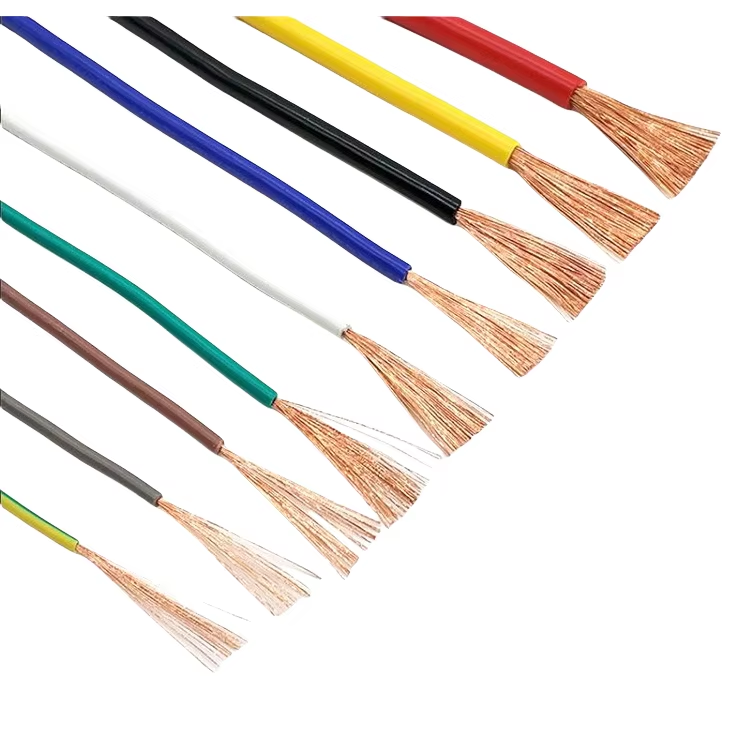
PVC wire uses polyvinyl chloride as the insulation material. It is one of the most widely used electrical wires because of its cost-effectiveness, good mechanical protection, and general electrical performance.
PVC insulation provides sufficient protection for many standard applications, including household appliances, control systems, general electronics, and low-cost wiring projects.
Compared with silicone insulation, PVC is usually harder and less flexible, especially when exposed to very low or high temperatures.
1. Temperature Resistance
Temperature capability is one of the biggest differences between these two materials.
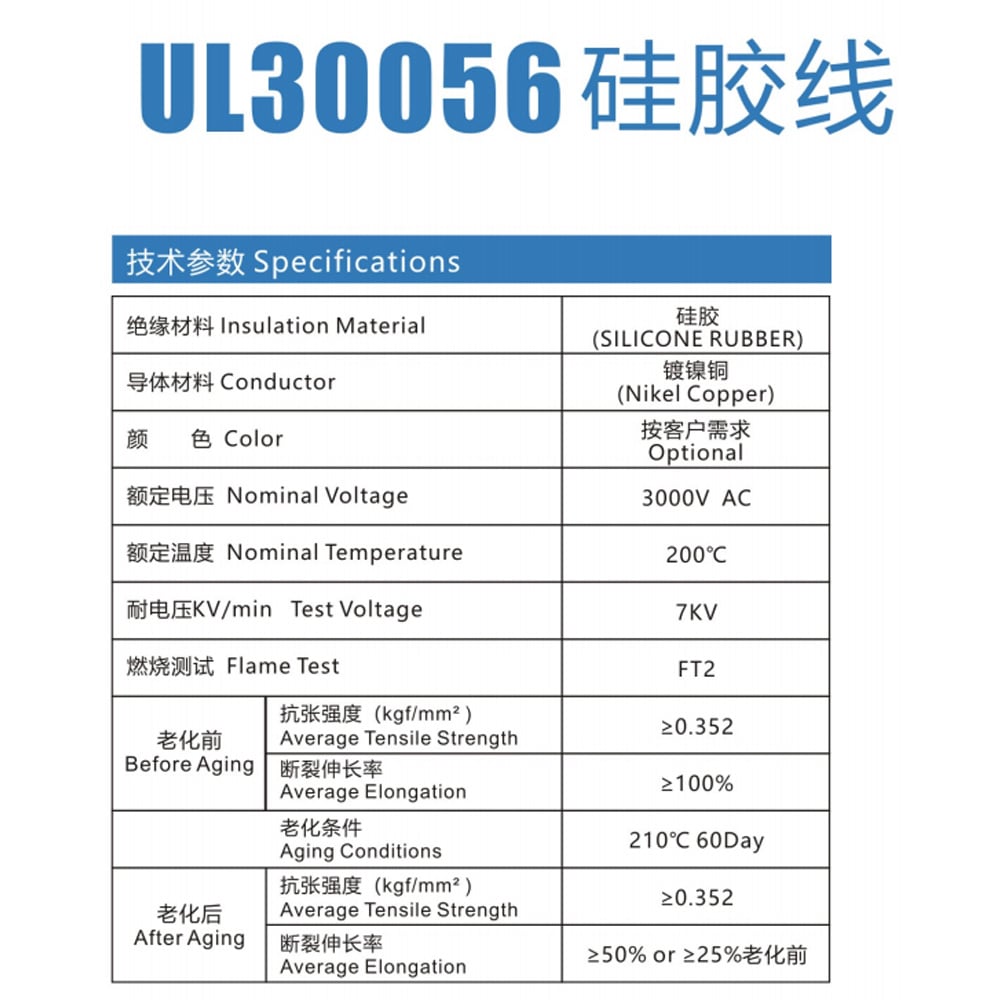
Silicone insulated cables are designed for environments requiring excellent heat resistance. They can typically operate at higher temperatures and maintain stable performance in applications involving heat sources or temperature fluctuations.
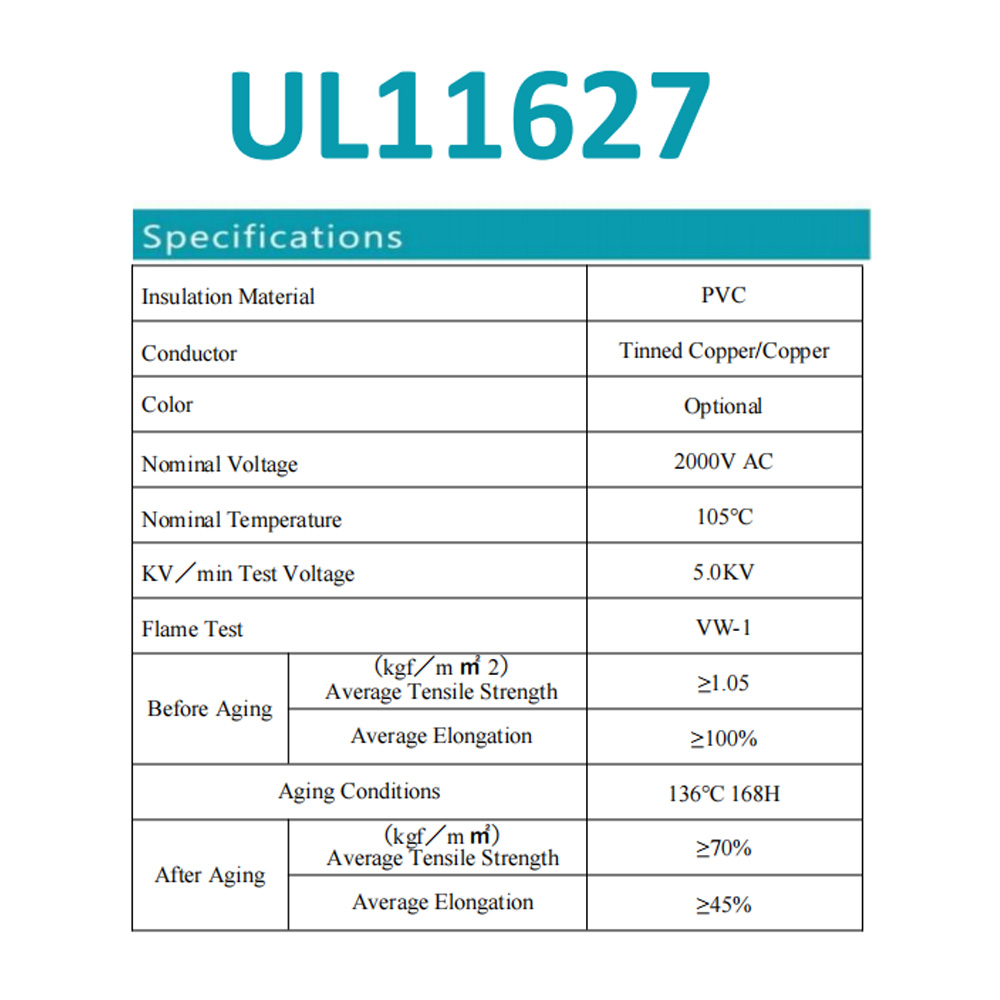
PVC cables generally have a lower temperature range, making them more suitable for normal indoor and standard industrial environments.
Flexibility is another important factor when selecting a cable.
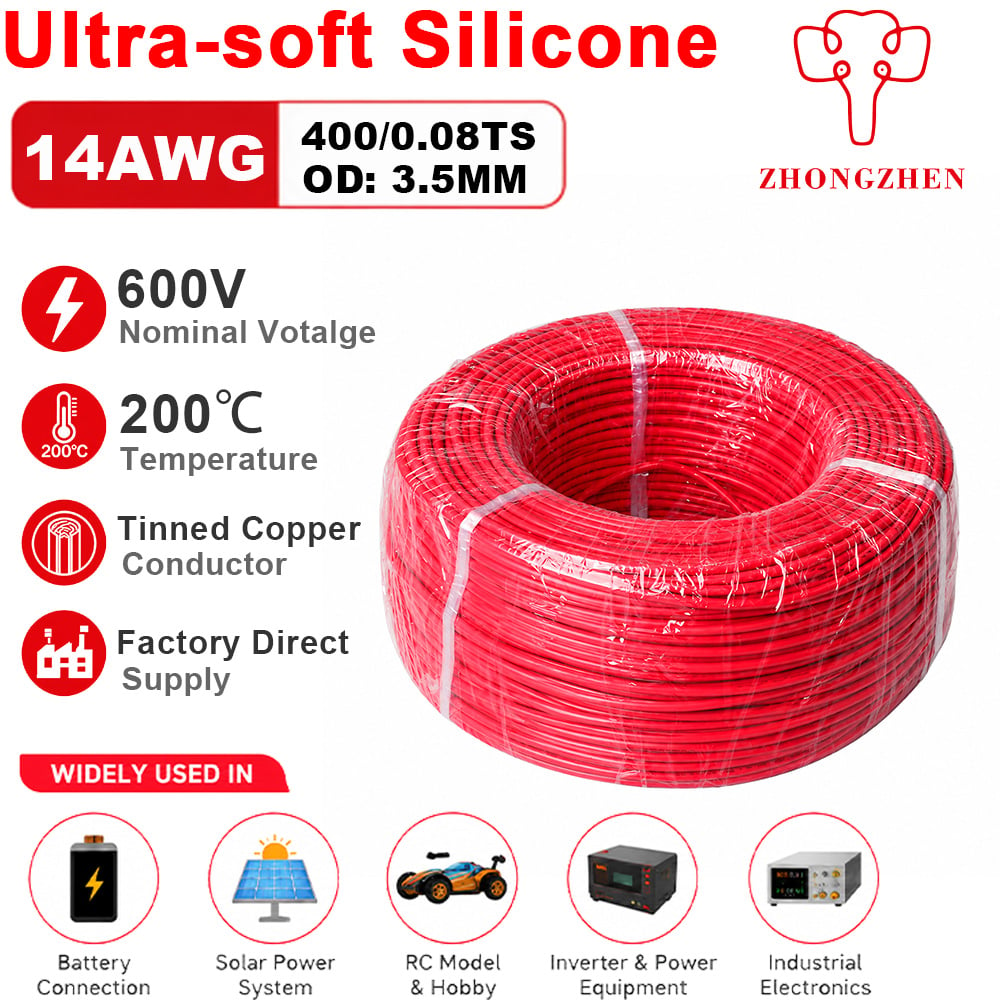
Due to the soft silicone rubber insulation, silicone wire can withstand repeated bending and movement without easily cracking. This makes it a preferred choice for robotics, battery connections, and compact electrical assemblies.
PVC wire is more rigid and may become harder in cold environments, which limits its use in applications requiring continuous movement.
Silicone insulation offers excellent resistance against aging, weather conditions, ozone, and extreme temperatures. It can maintain reliable performance for long-term use in demanding environments.
PVC insulation provides good abrasion resistance and mechanical protection but may have limitations when exposed to extreme heat or harsh conditions for extended periods.
PVC wire usually has a lower production cost, making it suitable for projects where budget is a primary consideration.
Silicone wire generally costs more due to its advanced material properties and higher performance. However, its longer service life and reliability can make it a more economical choice for demanding applications.
The choice between silicone wire and PVC wire depends on the working environment and application requirements.
For standard electrical installations, appliances, and cost-sensitive projects, PVC wire can provide a practical solution.
For applications requiring high flexibility, high temperature resistance, frequent movement, or operation in challenging environments, silicone wire is usually the better choice.
Industries such as renewable energy, electric vehicles, battery storage, and automation equipment increasingly prefer silicone insulated cables because of their reliability and durability.
Both silicone wire and PVC wire have their own advantages. PVC wire is a cost-effective option for general electrical applications, while silicone wire provides superior flexibility, temperature resistance, and long-term performance in demanding environments.
Before choosing a wire solution, buyers should consider factors such as operating temperature, mechanical movement, installation conditions, and expected service life.
Selecting the right insulation material can significantly improve system safety, efficiency, and reliability.
Dongguan Zhongzhen is a professional manufacturer of custom wire, cable and wire harness solutions. We provide UL-certified products for automotive, industrial, energy storage and electronic applications worldwide. OEM and ODM services available.