EN

Choosing the right electrical wire is essential for reliable performance in electrical and electronic equipment. Insulation material, conductor construction, rated voltage, operating temperature, and flame-test requirements are all important factors when selecting a wire for a specific application.
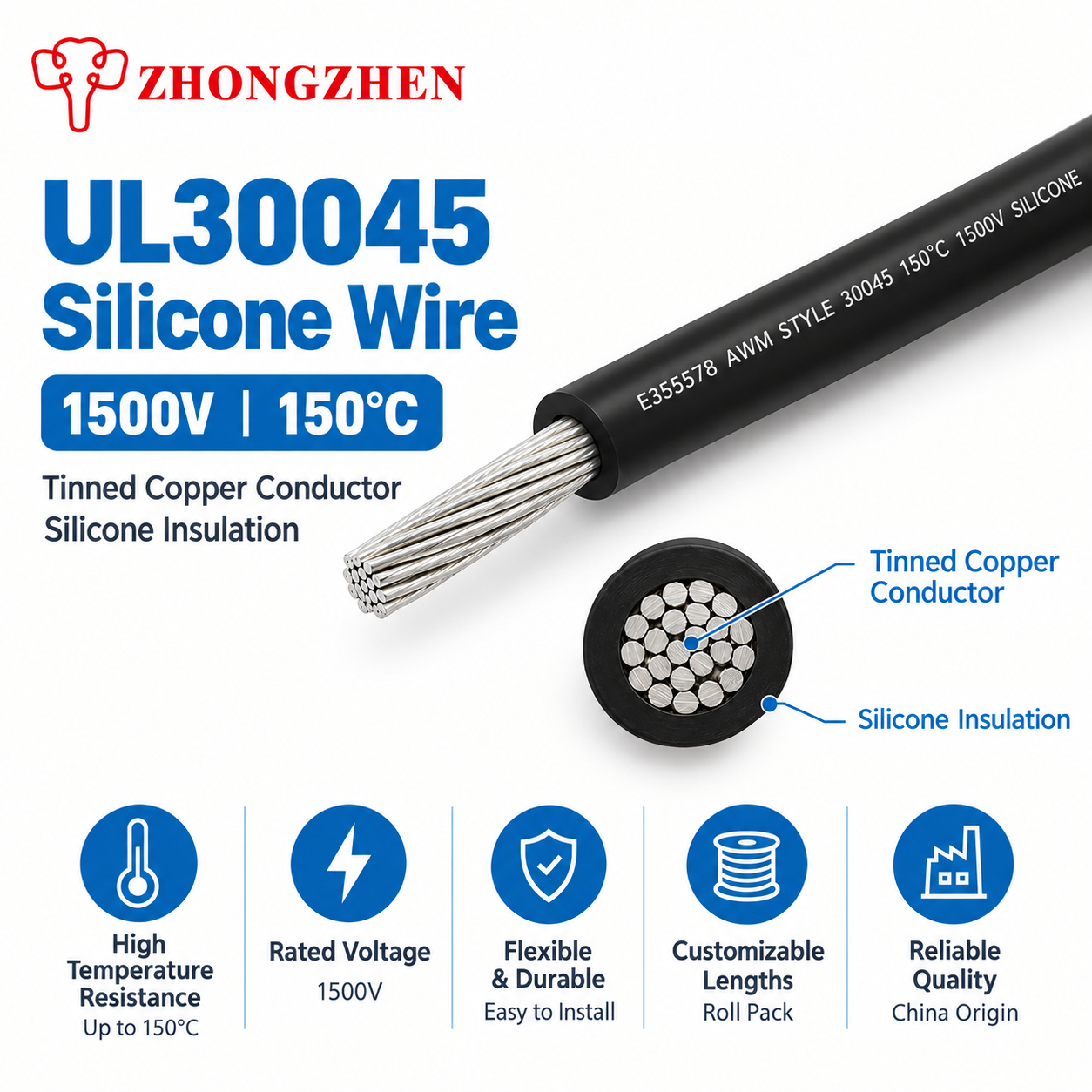
UL30045 silicone wire is a single-conductor wire style featuring extruded silicone rubber insulation. According to UL's historical Style 30045 reference, it has a rated temperature of 150°C and a rated voltage of 1500V AC, with a horizontal flame requirement. The referenced construction uses stranded conductors and follows UL 758 Appliance Wiring Material requirements.
In this guide, we explain the key specifications of UL30045 silicone wire, its material characteristics, typical applications, and the factors buyers should consider when sourcing it for their projects.
UL30045 is a wire style designation associated with a defined construction and set of requirements for appliance wiring material.
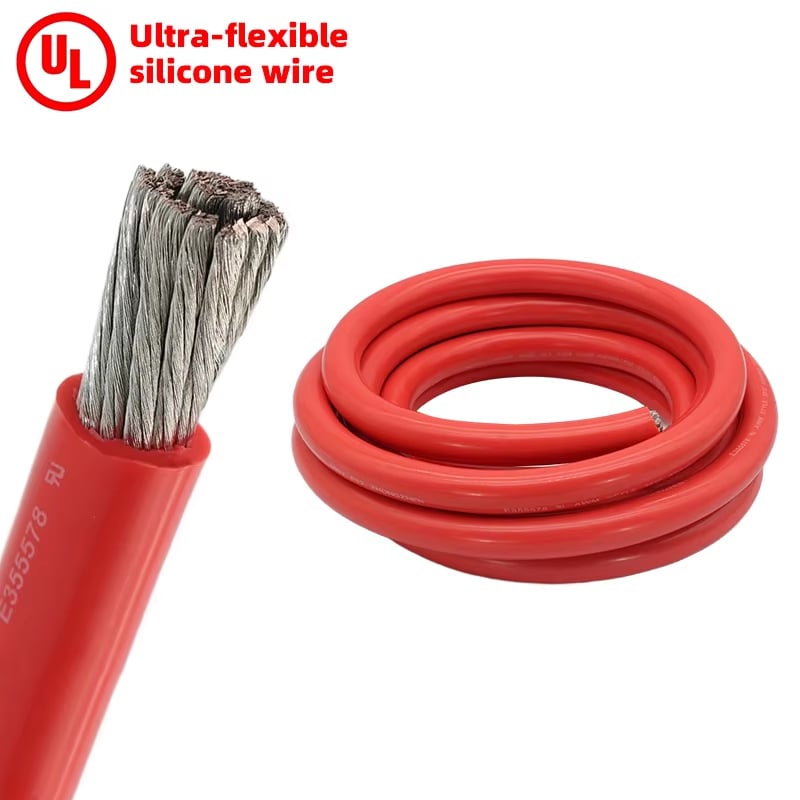
The wire features extruded silicone rubber (SR) insulation over a single conductor. Depending on the manufacturer's product specification, conductor options may include tinned copper or bare copper.
Silicone rubber is commonly selected for applications requiring heat-resistant insulation and flexibility. UL30045 is particularly associated with special-test probe leads for electrical and electronic measuring and test equipment where the wire is not subject to mechanical abuse.
Before ordering, buyers should verify the applicable UL certification record and confirm that the offered wire matches their required conductor, insulation, dimensions, and electrical ratings.
The following table summarizes the key reference parameters for UL30045 silicone wire. Actual available specifications should be confirmed against the manufacturer's current datasheet and applicable certification records.
Parameter |
Specification |
|---|---|
UL Style |
UL30045 |
Product Type |
Single-Conductor Silicone Wire |
Insulation Material |
Silicone Rubber (SR) |
Rated Temperature |
150°C |
Rated Voltage |
1500V AC |
Conductor Construction |
Stranded Conductor |
Conductor Options |
Tinned Copper or Bare Copper, subject to availability |
Flame Requirement |
Horizontal Flame, according to the UL historical style reference |
Applicable Standard |
UL 758 Appliance Wiring Material |
Typical Referenced Application |
Special-Test Probe Leads for Electrical and Electronic Measuring and Test Equipment |
Important: The specifications above are based on UL's historical Style 30045 reference. UL indicates that this historical page is no longer being updated. Buyers should verify the current certification status, applicable flame-test requirements, and actual product construction before placing an order.
UL30045 is rated for operation at temperatures up to 150°C under its applicable specifications.
Silicone rubber insulation is commonly used in applications where conventional insulation materials may not meet the required temperature conditions. It also offers flexibility that can help simplify wire routing and equipment assembly.
The actual operating conditions must remain within the applicable product ratings and installation requirements.
UL30045 has a rated voltage of 1500V AC in the historical UL style reference.
This rating helps buyers assess whether the wire may be suitable for the intended electrical design. Rated operating voltage should not be confused with dielectric withstand or test voltage.
For high-voltage equipment, purchasers should confirm the required voltage rating, insulation dimensions, electrical clearances, and applicable end-product safety standards.
Silicone rubber is valued for its flexibility and suitability for wiring applications that require easier routing around components.
This characteristic can be useful in measuring equipment, electronic instruments, and other assemblies where the wire must follow a defined routing path.
Flexibility depends on the conductor stranding, wire size, insulation thickness, and overall construction.
Stranded conductors consist of multiple smaller wires assembled into a conductor. Compared with a solid conductor of equivalent cross-sectional area, stranded construction generally offers greater flexibility.
Depending on the product specification, buyers may choose tinned copper or bare copper conductors.
The appropriate choice depends on electrical requirements, termination methods, environmental conditions, and the intended service life of the finished equipment.
Flame-test performance is an important consideration when selecting electrical wire.
UL's historical Style 30045 reference specifies a horizontal flame requirement. Buyers should verify the applicable test method and certification before making a purchasing decision.
A horizontal flame requirement should not automatically be described as VW-1 or FT2. These are different flame-test designations, and the applicable rating must be confirmed through the relevant product documentation.
UL30045 is associated with special-test probe leads for electrical and electronic measuring and test equipment, provided the wire is not subjected to mechanical abuse.
Depending on the certified construction and equipment requirements, buyers may evaluate this wire for the following applications.
Measuring instruments and electronic test equipment may require insulated conductors for internal connections or dedicated test leads. The wire's electrical rating, insulation dimensions, and mechanical requirements should be checked against the equipment design.
Test probe assemblies may require flexible insulated conductors to connect measuring components. UL's historical Style 30045 reference specifically identifies this application, subject to the stated mechanical-use limitation.
Some equipment designs require single-conductor wire with silicone rubber insulation for internal connections. The wire must be suitable for the actual operating environment and the requirements of the finished product.
Where elevated temperatures are present, silicone rubber insulation may be considered for wiring applications within its rated operating conditions. Buyers should verify the suitability of the complete wire construction rather than relying on temperature rating alone.
Application note: UL30045 should not automatically be treated as a general-purpose battery cable, energy-storage power cable, or outdoor high-voltage cable. Suitability depends on the specific certified construction and the requirements of the intended installation.
Both tinned copper and bare copper are used in electrical wire manufacturing, but their surface finishes differ.
Tinned Copper Conductor
Tinned copper has a tin coating over the copper surface. The coating can help reduce surface oxidation under suitable conditions and may be beneficial for certain termination and manufacturing processes.
Potential advantages include:
Bare Copper Conductor
Bare copper has no tin coating. It is widely used in electrical conductors where the specified electrical, environmental, and termination requirements permit its use.
Potential advantages include:
The final selection should be based on the product datasheet, conductor resistance requirements, termination process, and operating environment.
Before requesting a quotation, purchasing teams and engineers should confirm the following details:
Providing these details helps the manufacturer check the required construction and prepare a more accurate quotation.
When sourcing UL30045 silicone wire, buyers should evaluate more than the product name. The offered product should match the required electrical ratings, conductor construction, insulation material, dimensions, and certification requirements.
Before placing a bulk order, purchasing and engineering teams should:
1. Request the latest product specification sheet.
2. Verify the applicable UL certification and wire style.
3. Confirm the required conductor material and wire size.
4. Check the applicable flame-test requirements.
5. Evaluate samples when necessary to confirm dimensional and assembly compatibility.
6. Confirm MOQ, production lead time, and packaging details.
At Dongguan Zhongzhen New Energy Technology Co., Ltd., we manufacture wires and cables for electrical and industrial applications. If you are sourcing UL30045 silicone wire, share your required wire size, conductor material, insulation color, and estimated order quantity so our team can review the applicable specifications.
Looking for a UL30045 silicone wire supplier for your electrical or electronic equipment project?
Contact our team with your required wire size, conductor material, color, estimated quantity, and application. We will review your requirements, check the corresponding product specifications, and provide a quotation based on the confirmed construction.
Contact us today to discuss your UL30045 silicone wire requirements and request product specifications or samples.
Dongguan Zhongzhen is a professional manufacturer of custom wire, cable and wire harness solutions. We provide UL-certified products for automotive, industrial, energy storage and electronic applications worldwide. OEM and ODM services available.