EN
EN

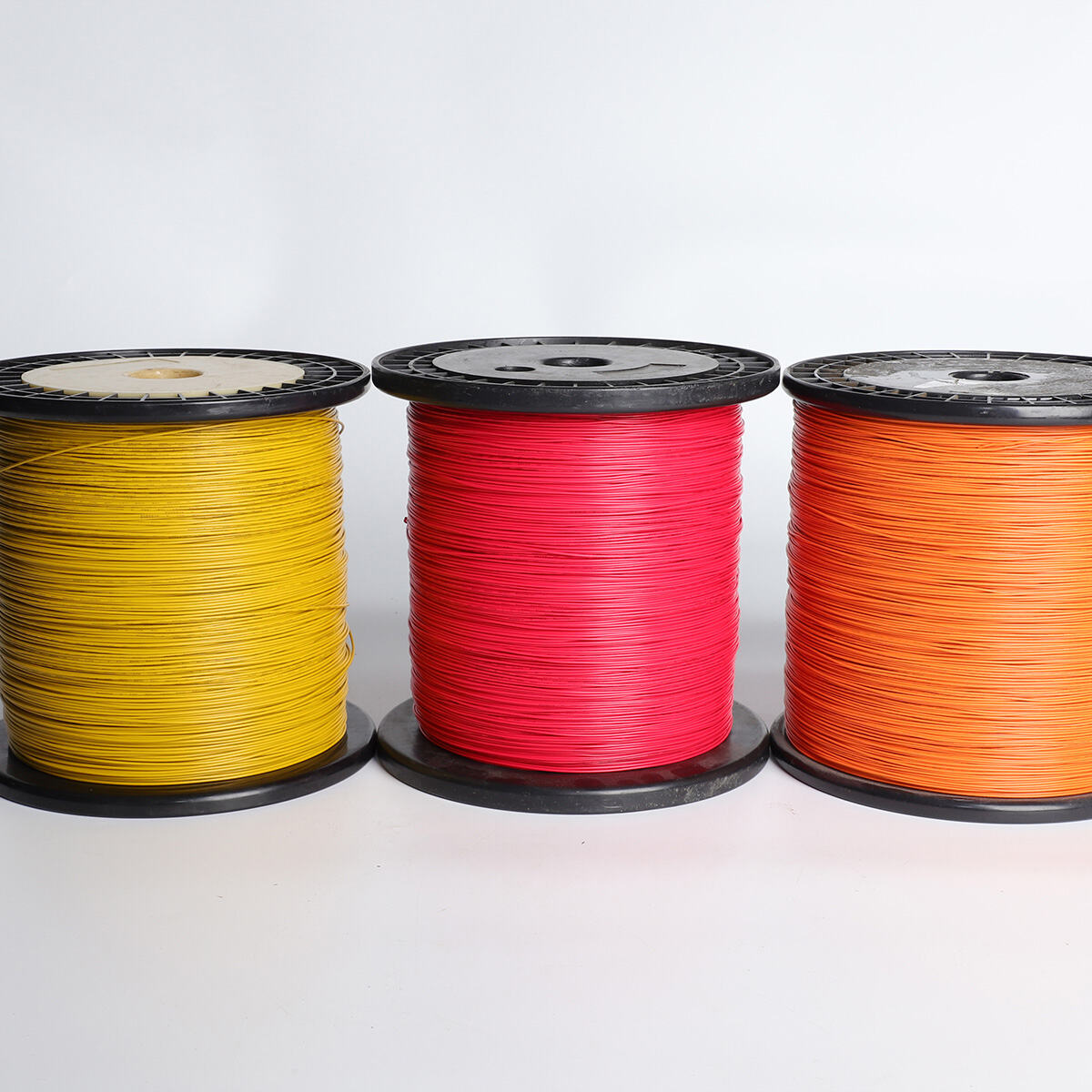
Industrial applications demand exceptional reliability and performance from every component, making wire selection a critical decision that can impact operational efficiency, safety, and long-term costs. Whether you're designing power distribution systems, manufacturing equipment, or energy storage solutions, understanding the key factors that influence wire performance will help ensure your project meets both current requirements and future demands. The complexity of modern industrial environments requires careful consideration of multiple variables, from electrical specifications to environmental conditions and regulatory compliance.
Understanding Electrical Specifications and Performance Requirements
Current Carrying Capacity and Voltage Ratings
The foundation of proper wire selection begins with understanding the electrical load requirements of your application. Current carrying capacity, measured in amperes, determines how much electrical current the wire can safely handle without overheating or degrading performance. This specification directly correlates with wire gauge, where larger gauge numbers indicate smaller wire diameters and reduced current capacity. Industrial applications often require precise calculations that account for ambient temperature, bundling effects, and duty cycles to ensure safe operation under all conditions.
Voltage ratings represent another fundamental consideration that affects both safety and performance. Industrial systems frequently operate at voltages ranging from low-voltage control circuits at 24V to high-voltage power distribution at 480V or higher. The wire insulation must be rated for the maximum voltage present in the system, with appropriate safety margins to account for voltage transients and surges. Understanding the relationship between voltage stress and insulation breakdown helps prevent costly failures and ensures reliable long-term operation.
Resistance and Power Loss Considerations
Wire resistance plays a crucial role in system efficiency and performance, particularly in applications where power loss translates directly to operating costs. Copper wire offers excellent conductivity with relatively low resistance, while aluminum alternatives provide cost benefits at the expense of higher resistance and special connection requirements. The resistance characteristics of wire become increasingly important in long cable runs, where voltage drop calculations determine whether the selected wire gauge will maintain acceptable voltage levels at the load.
Power loss in wire manifests as heat generation, which can create cascading effects throughout the system. Higher temperatures accelerate insulation aging, increase cooling requirements, and may necessitate derating of electrical components. Modern industrial facilities often implement energy efficiency programs that scrutinize every source of power loss, making wire selection an important factor in overall system optimization and operational cost reduction.
Environmental Factors and Installation Conditions
Temperature Extremes and Thermal Cycling
Industrial environments subject wire to temperature extremes that can significantly impact performance and longevity. High-temperature applications, such as those found in steel mills or chemical processing plants, require wire with specialized insulation materials that maintain their properties at elevated temperatures. Conversely, cold storage facilities and outdoor installations in northern climates demand wire that remains flexible and maintains electrical properties at sub-zero temperatures.
Thermal cycling presents additional challenges as repeated heating and cooling cycles create mechanical stress on both conductors and insulation. The expansion and contraction of materials with different thermal coefficients can lead to connection loosening, insulation cracking, and eventual failure. Selecting wire with appropriate temperature ratings and thermal stability ensures reliable operation throughout the expected service life of the installation.
Chemical Resistance and Contamination Protection
Chemical exposure represents a significant threat to wire integrity in many industrial applications. Manufacturing processes involving acids, bases, solvents, or other aggressive chemicals require wire with specialized jacket materials that resist chemical attack. Fluoropolymer jackets offer exceptional chemical resistance but come with higher costs, while cross-linked polyethylene provides good general-purpose protection at moderate temperatures and chemical exposures.
Contamination from oils, coolants, and cleaning solvents can gradually degrade standard wire insulation, leading to premature failure and potential safety hazards. Food processing facilities face additional challenges with cleaning chemicals and sanitizing agents that must be considered in wire selection. Understanding the specific chemical environment and selecting appropriate protective materials prevents costly replacements and maintains system reliability.
Mechanical Properties and Installation Requirements
Flexibility and Bend Radius Considerations
Mechanical flexibility becomes critical in applications involving moving machinery, vibration, or frequent reconfiguration. Stranded conductors offer superior flexibility compared to solid conductors, with finer stranding providing increased flexibility at higher cost. The minimum bend radius specification determines how tightly wire can be routed without damaging the conductor or insulation, which directly impacts installation design and space requirements.
Dynamic applications, such as robot cables or crane control systems, require specialized flexible wire designed to withstand millions of flex cycles without degradation. These applications often specify torsion resistance, which measures the wire's ability to withstand twisting motions without internal damage. Standard building wire may fail quickly in dynamic applications, making proper selection essential for reliable operation and maintenance cost control.
Abrasion Resistance and Physical Protection
Industrial environments frequently expose wire to mechanical abuse from personnel traffic, equipment movement, and contact with sharp edges or rough surfaces. Abrasion-resistant jackets protect the underlying insulation from gradual wear that could lead to ground faults or short circuits. Some applications require wire with integral armor or the use of protective conduit systems to prevent physical damage during normal operations.
Impact resistance becomes important in areas where falling objects or equipment collisions might occur. Heavy-duty industrial wire often incorporates reinforced jackets or armor systems that provide protection against crushing forces and sharp object penetration. The trade-off between protection level and installation complexity requires careful evaluation of the specific hazards present in each application.
Regulatory Compliance and Safety Standards
Industry-Specific Certifications and Requirements
Different industrial sectors impose specific requirements on wire selection based on safety considerations and operational demands. The petroleum industry requires wire with intrinsically safe ratings for use in explosive atmospheres, while food processing facilities need wire that meets FDA requirements for food contact applications. Understanding these sector-specific requirements ensures compliance and avoids costly retrofits or regulatory violations.
International standards organizations provide frameworks for wire selection in various applications. IEC standards govern industrial wire in many countries, while UL listings are required for most commercial installations in North America. These certifications verify that wire meets specific performance criteria and has undergone rigorous testing for safety and reliability under defined conditions.
Fire Safety and Smoke Generation Properties
Fire safety requirements significantly influence wire selection in industrial facilities, particularly in occupied buildings or critical infrastructure applications. Low-smoke zero-halogen wire prevents the generation of toxic gases during fire conditions, protecting personnel and sensitive equipment. Flame-retardant properties slow fire propagation, providing additional time for emergency response and evacuation procedures.
Plenum-rated wire meets stringent fire and smoke requirements for installation in air handling spaces, where smoke generation could contaminate building ventilation systems. These specialized wire types often command premium prices but provide essential safety benefits in appropriate applications. Understanding local fire codes and building requirements ensures proper specification and regulatory compliance.
Cost Considerations and Total Ownership Economics
Initial Purchase Price Versus Lifecycle Costs
Wire procurement decisions often focus on initial purchase price, but total cost of ownership provides a more accurate economic analysis. Higher-quality wire with superior insulation materials and construction may cost more initially but deliver longer service life and reduced maintenance requirements. The frequency of replacement and associated labor costs can make premium wire more economical over the system's operational life.
Energy efficiency considerations add another dimension to economic analysis, as wire resistance directly impacts operating costs in high-current applications. Upgrading to larger wire gauge reduces power losses and may provide measurable energy savings that justify the increased material cost. Load growth projections should also factor into wire sizing decisions, as undersized wire may require replacement as systems expand.
Installation Labor and Accessibility Factors
Installation complexity significantly impacts total project costs, making wire characteristics an important factor beyond material price. Flexible wire installs more easily in tight spaces and complex routing paths, potentially reducing labor hours and installation time. Pre-fabricated wire assemblies may cost more per foot but eliminate field termination work and reduce installation errors.
Accessibility for future maintenance and modification should influence wire selection decisions. Easily replaceable wire in accessible locations may justify lower initial investment, while wire in difficult-to-reach locations warrants premium materials to maximize service life. The cost of system downtime during wire replacement often exceeds the material cost differential, making reliability the primary economic driver.
FAQ
How do I determine the correct wire gauge for my industrial application?
Wire gauge selection requires calculating the maximum current load, determining the installation conditions including ambient temperature and bundling factors, and applying appropriate derating factors. Most applications follow National Electrical Code guidelines or equivalent international standards that specify minimum wire sizes based on circuit protection and load characteristics. Professional electrical engineers should perform these calculations for critical applications to ensure safety and code compliance.
What environmental factors most commonly cause wire failure in industrial settings?
Temperature extremes, chemical exposure, mechanical stress, and moisture represent the most frequent causes of industrial wire failure. High temperatures accelerate insulation aging while low temperatures can cause brittleness and cracking. Chemical contamination from process fluids or cleaning agents gradually degrades insulation materials. Mechanical stress from vibration, flexing, or physical impact creates connection problems and conductor breaks.
Are there specific wire types recommended for renewable energy applications?
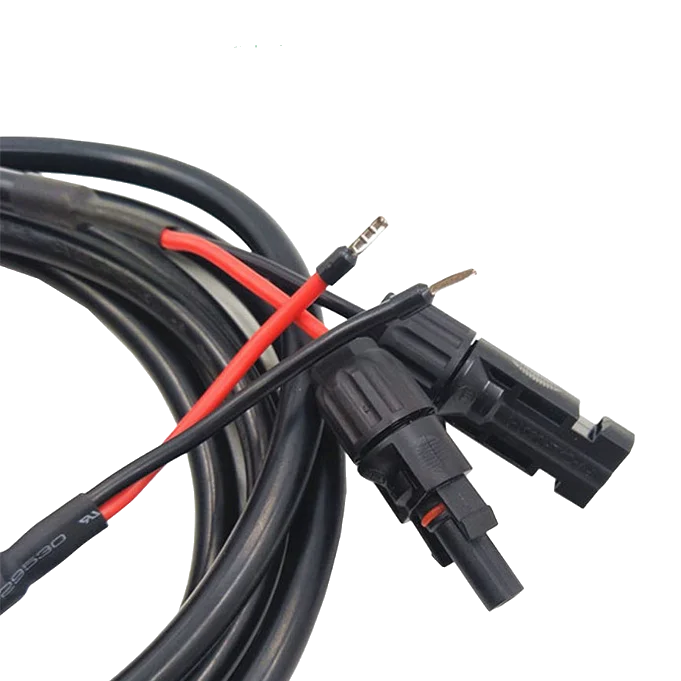
Solar photovoltaic and wind energy applications require wire with enhanced UV resistance, temperature ratings suitable for outdoor exposure, and often require special certifications for wet location use. Photovoltaic wire typically features cross-linked insulation materials that resist degradation from constant UV exposure and temperature cycling. Energy storage systems may require wire with specific fire safety ratings due to the concentrated energy density of battery installations.
How often should industrial wire installations be inspected and potentially replaced?
Inspection frequency depends on the application severity and environmental conditions, but most industrial installations benefit from annual visual inspections and periodic electrical testing. Critical applications may require more frequent monitoring, while protected indoor installations might extend inspection intervals. Wire should be replaced when insulation shows signs of degradation, electrical tests indicate deterioration, or when system modifications exceed the wire's design capabilities.
Table of Contents
- Understanding Electrical Specifications and Performance Requirements
- Environmental Factors and Installation Conditions
- Mechanical Properties and Installation Requirements
- Regulatory Compliance and Safety Standards
- Cost Considerations and Total Ownership Economics
-
FAQ
- How do I determine the correct wire gauge for my industrial application?
- What environmental factors most commonly cause wire failure in industrial settings?
- Are there specific wire types recommended for renewable energy applications?
- How often should industrial wire installations be inspected and potentially replaced?