EN
EN


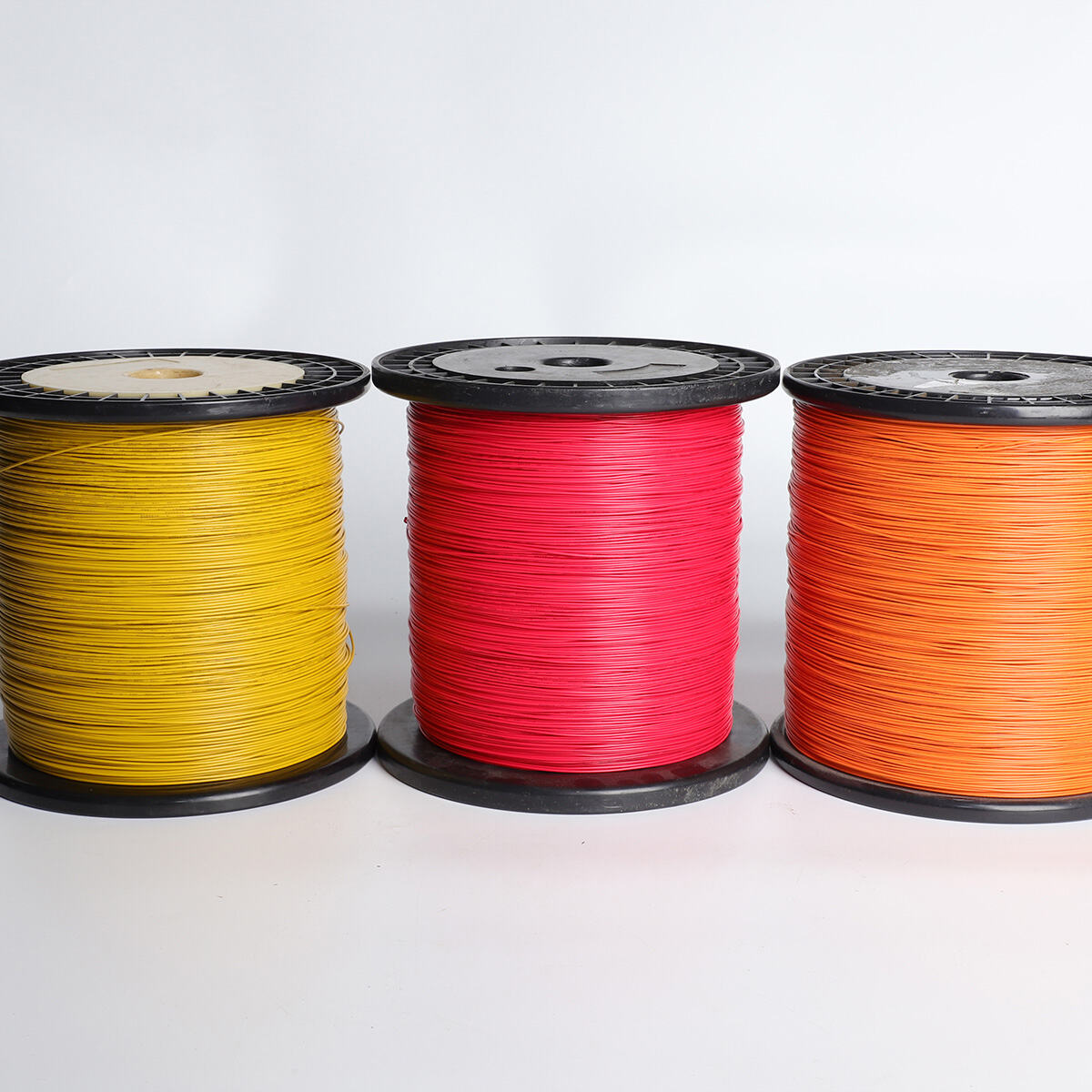
Electrical system safety depends fundamentally on the quality and reliability of every component, with wire selection playing a crucial role in preventing hazards and ensuring optimal performance. Modern electrical installations face increasing demands for power distribution, making the choice of appropriate wire materials and specifications more critical than ever. High-quality wire not only enhances system reliability but also provides essential protection against electrical failures that could lead to fires, equipment damage, or personal injury.
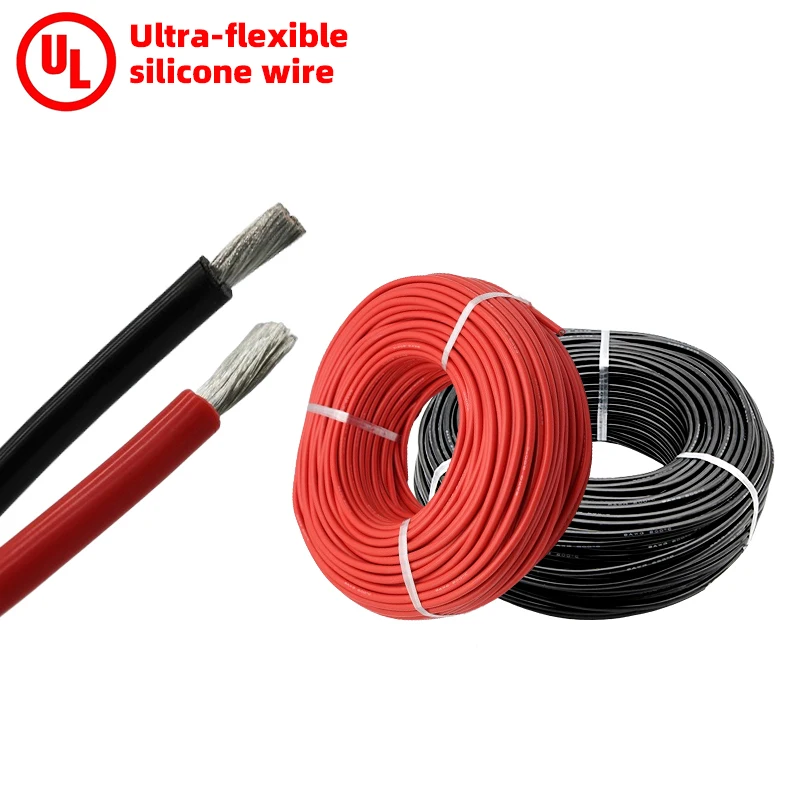
The integration of premium wire solutions in electrical systems directly correlates with reduced maintenance costs, improved operational efficiency, and enhanced safety margins. Professional electricians and engineers recognize that investing in superior wire products ultimately delivers long-term value through decreased downtime, lower replacement frequencies, and improved system performance. Understanding the relationship between wire quality and electrical safety enables informed decision-making for both residential and commercial applications.
Understanding Wire Quality Standards and Safety Implications
Material Composition and Conductivity Performance
The foundation of electrical safety begins with the conductor material used in wire manufacturing, where copper and aluminum represent the primary options for most applications. Copper wire demonstrates superior electrical conductivity, corrosion resistance, and mechanical durability compared to aluminum alternatives, making it the preferred choice for critical electrical installations. High-purity copper conductors provide consistent electrical performance over extended periods, reducing the risk of resistance buildup that could generate excessive heat and potential fire hazards.
Tinned copper wire offers additional protection against oxidation and corrosion, particularly in humid or marine environments where standard copper might deteriorate over time. The tin coating creates a protective barrier that maintains electrical integrity while preventing the formation of copper oxide that can increase resistance and generate heat. This enhanced protection proves especially valuable in automotive, marine, and outdoor applications where environmental factors pose significant challenges to wire longevity.
Insulation Materials and Temperature Ratings
Premium insulation materials play a vital role in electrical safety by providing reliable protection against short circuits, ground faults, and electrical shock hazards. High-quality wire typically features advanced insulation compounds such as cross-linked polyethylene, thermoplastic elastomers, or specialized rubber formulations that maintain their protective properties across wide temperature ranges. These materials resist degradation from heat, moisture, chemicals, and ultraviolet radiation that could compromise electrical safety over time.
Temperature ratings directly impact wire safety performance, with higher-rated insulation materials providing greater protection against thermal stress and potential failure. Wire designed for elevated temperature applications incorporates specialized compounds that maintain flexibility and dielectric strength even under extreme thermal conditions. Understanding temperature derating factors helps ensure proper wire selection for specific applications, preventing overheating that could lead to insulation failure and electrical hazards.
Advanced Manufacturing Processes and Quality Control
Precision Manufacturing Techniques
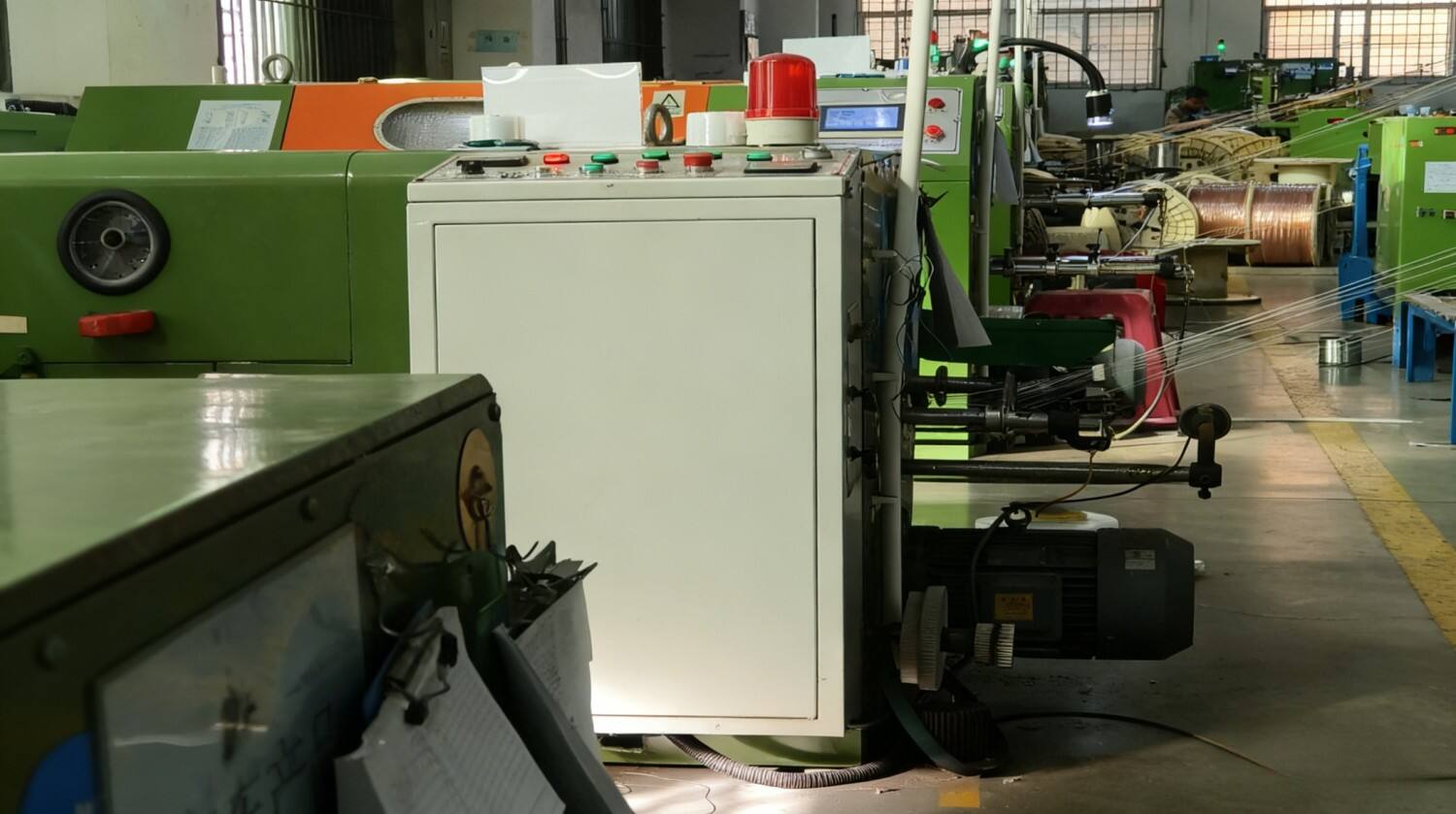
State-of-the-art wire manufacturing employs sophisticated production methods that ensure consistent quality and reliability across every product batch. Advanced drawing processes create uniform conductor dimensions while maintaining optimal grain structure in copper conductors, resulting in predictable electrical characteristics and mechanical properties. Precise control over manufacturing parameters eliminates variations that could affect wire performance or create potential safety risks in electrical installations.
Modern extrusion technology enables the production of insulation layers with exceptional uniformity and adhesion to conductor surfaces, eliminating air gaps or inconsistencies that might compromise electrical integrity. Computer-controlled manufacturing systems monitor critical parameters throughout production, ensuring that every length of wire meets stringent quality standards before packaging and distribution. This level of manufacturing precision directly translates to improved safety margins and reduced risk of field failures.
Testing and Certification Standards
Comprehensive testing protocols verify that high-quality wire products meet or exceed industry safety standards established by organizations such as Underwriters Laboratories, the National Electrical Manufacturers Association, and international certification bodies. These rigorous testing procedures evaluate electrical properties, mechanical strength, flame resistance, and environmental durability under simulated real-world conditions. Wire products undergo extensive validation testing including high-voltage breakdown tests, flame spread analysis, and accelerated aging studies to ensure long-term safety performance.
Third-party certification provides independent verification of wire quality and safety characteristics, giving electrical contractors and system designers confidence in product performance. Certified wire products display clear markings indicating compliance with relevant standards, voltage ratings, temperature limits, and application restrictions. This transparent labeling system enables proper wire selection for specific applications while ensuring compliance with electrical codes and safety regulations.
Installation Benefits and System Protection
Reduced Installation Time and Labor Costs
High-quality wire products typically feature enhanced flexibility and handling characteristics that streamline installation processes while reducing labor requirements. Superior insulation materials resist damage during pulling operations, minimizing the risk of nicks or cuts that could create safety hazards or require costly repairs. Consistent wire dimensions and improved bend radius capabilities allow for easier routing through conduits and cable trays, reducing installation time and associated costs.
Premium wire construction incorporates design features that facilitate proper termination techniques, ensuring reliable connections that maintain electrical integrity over time. Enhanced stranding configurations and optimized conductor surfaces promote secure mechanical connections while reducing the likelihood of loose terminations that could generate heat and potential fire hazards. These installation advantages translate directly to improved system safety through reduced human error and enhanced connection reliability.
Long-term System Reliability and Maintenance
Investing in high-quality wire significantly reduces long-term maintenance requirements while extending overall system lifespan through superior material durability and performance characteristics. Premium wire products demonstrate exceptional resistance to environmental factors such as moisture, temperature cycling, and chemical exposure that typically cause degradation in lower-quality alternatives. This enhanced durability translates to fewer replacement cycles and reduced system downtime for maintenance activities.
Superior wire construction provides inherent protection against common failure modes including conductor corrosion, insulation cracking, and thermal degradation that could compromise electrical safety over time. The improved reliability of premium wire products reduces the frequency of electrical faults and associated safety risks while maintaining consistent system performance throughout the installation's operational lifespan. This reliability proves particularly valuable in critical applications where electrical failures could result in significant safety hazards or operational disruptions.
Application-Specific Safety Considerations
Residential and Commercial Building Applications
Building wire applications require specific attention to fire safety characteristics, with high-quality products incorporating flame-retardant materials that limit fire spread in the event of electrical faults. Premium building wire typically exceeds minimum code requirements for flame resistance, providing additional safety margins that protect occupants and property. Low-smoke formulations reduce toxic gas emissions during fire conditions, improving evacuation safety and reducing property damage from smoke contamination.
High-quality wire designed for concealed building applications features enhanced insulation systems that maintain integrity over decades of service while withstanding thermal cycling and mechanical stress. These products incorporate advanced materials that resist degradation from common building chemicals, moisture infiltration, and temperature variations that could compromise safety over time. Proper wire selection for specific building zones ensures compliance with electrical codes while providing optimal safety protection for occupants.
Industrial and Harsh Environment Applications
Industrial environments present unique challenges requiring wire products with specialized characteristics to ensure safe operation under demanding conditions. High-quality industrial wire incorporates robust insulation systems designed to withstand exposure to oils, solvents, abrasion, and extreme temperatures commonly encountered in manufacturing facilities. These enhanced protection features prevent premature failure and maintain electrical safety in environments where standard wire products might fail catastrophically.
Specialized wire constructions for hazardous locations incorporate additional safety features such as increased insulation thickness, flame-retardant jackets, and enhanced mechanical protection to prevent ignition sources in potentially explosive atmospheres. Premium wire products designed for these applications undergo rigorous testing and certification to ensure compliance with safety standards for hazardous location installations. This specialized engineering provides essential protection for personnel and equipment in high-risk industrial environments.
FAQ
What makes high-quality wire safer than standard alternatives
High-quality wire incorporates superior materials, advanced manufacturing processes, and rigorous testing that result in enhanced electrical performance, improved durability, and reduced failure risk compared to standard products. Premium wire features better conductor purity, advanced insulation compounds, and consistent manufacturing quality that provide greater safety margins and longer service life. These improvements translate directly to reduced fire risk, fewer electrical faults, and enhanced protection against electrical hazards in both residential and commercial applications.
How does wire quality affect electrical system maintenance requirements
Premium wire products significantly reduce maintenance requirements through superior durability and resistance to environmental factors that typically cause wire degradation over time. High-quality wire maintains electrical integrity longer, requires fewer inspections, and demonstrates lower failure rates compared to standard alternatives. This improved reliability reduces system downtime, maintenance costs, and safety risks associated with electrical failures, providing long-term value that often exceeds the initial investment premium for quality products.
What safety certifications should I look for when selecting wire products
Look for wire products certified by recognized testing organizations such as Underwriters Laboratories (UL), Canadian Standards Association (CSA), or equivalent international bodies that verify compliance with safety standards. These certifications ensure that wire products have undergone comprehensive testing for electrical performance, fire resistance, environmental durability, and mechanical strength. Certified products display clear marking indicating voltage ratings, temperature limits, and application suitability, enabling proper selection for specific electrical installations while ensuring code compliance.
Can using high-quality wire prevent electrical fires in my facility
While high-quality wire significantly reduces fire risk through superior materials and construction, fire prevention requires proper installation practices, appropriate circuit protection, and regular maintenance in addition to quality wire selection. Premium wire products provide enhanced protection against common fire causes including overheating, insulation failure, and arcing faults through improved conductor materials and advanced insulation systems. Combining quality wire with proper electrical design and installation practices creates multiple layers of protection that substantially reduce the likelihood of electrical fires and associated safety hazards.