EN
EN

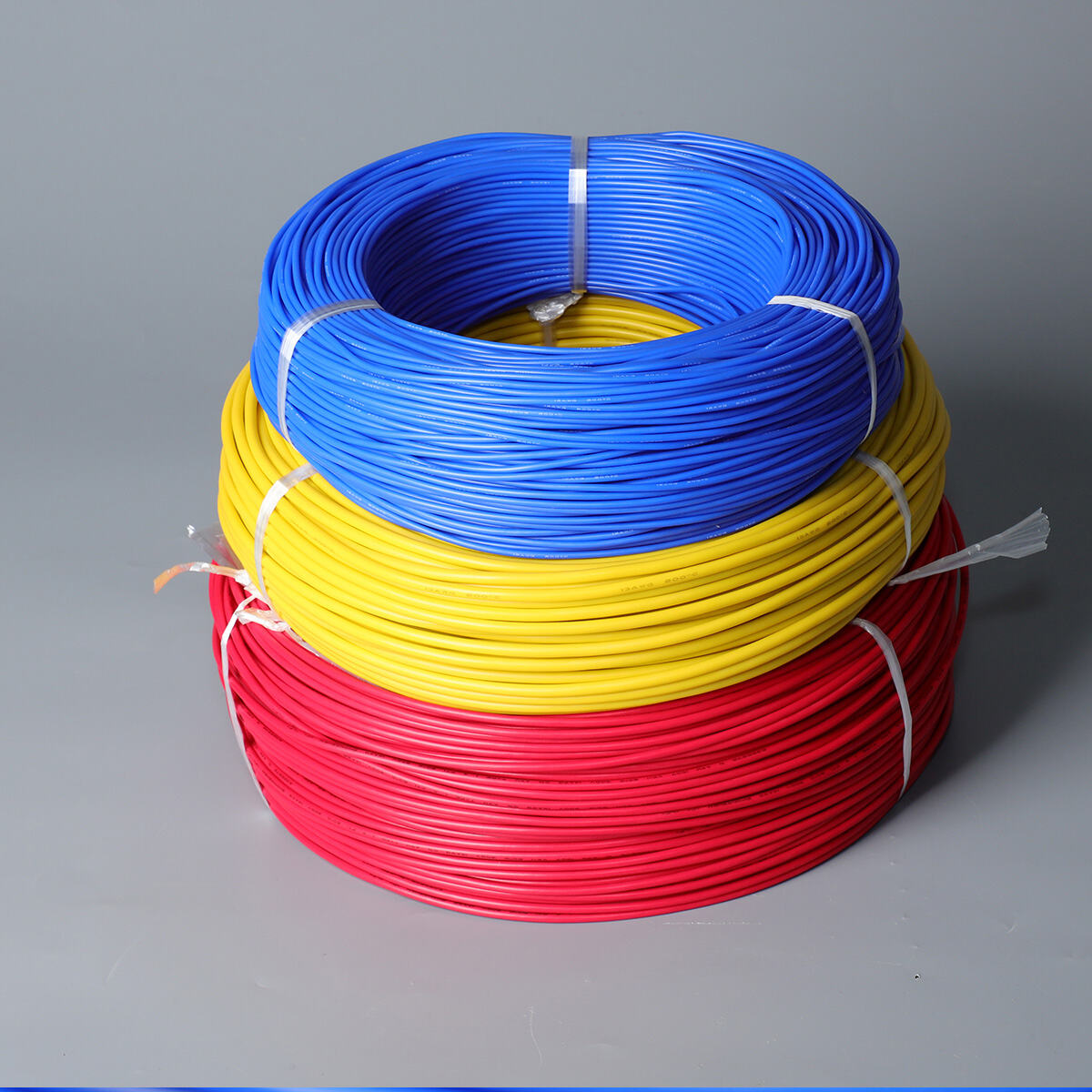
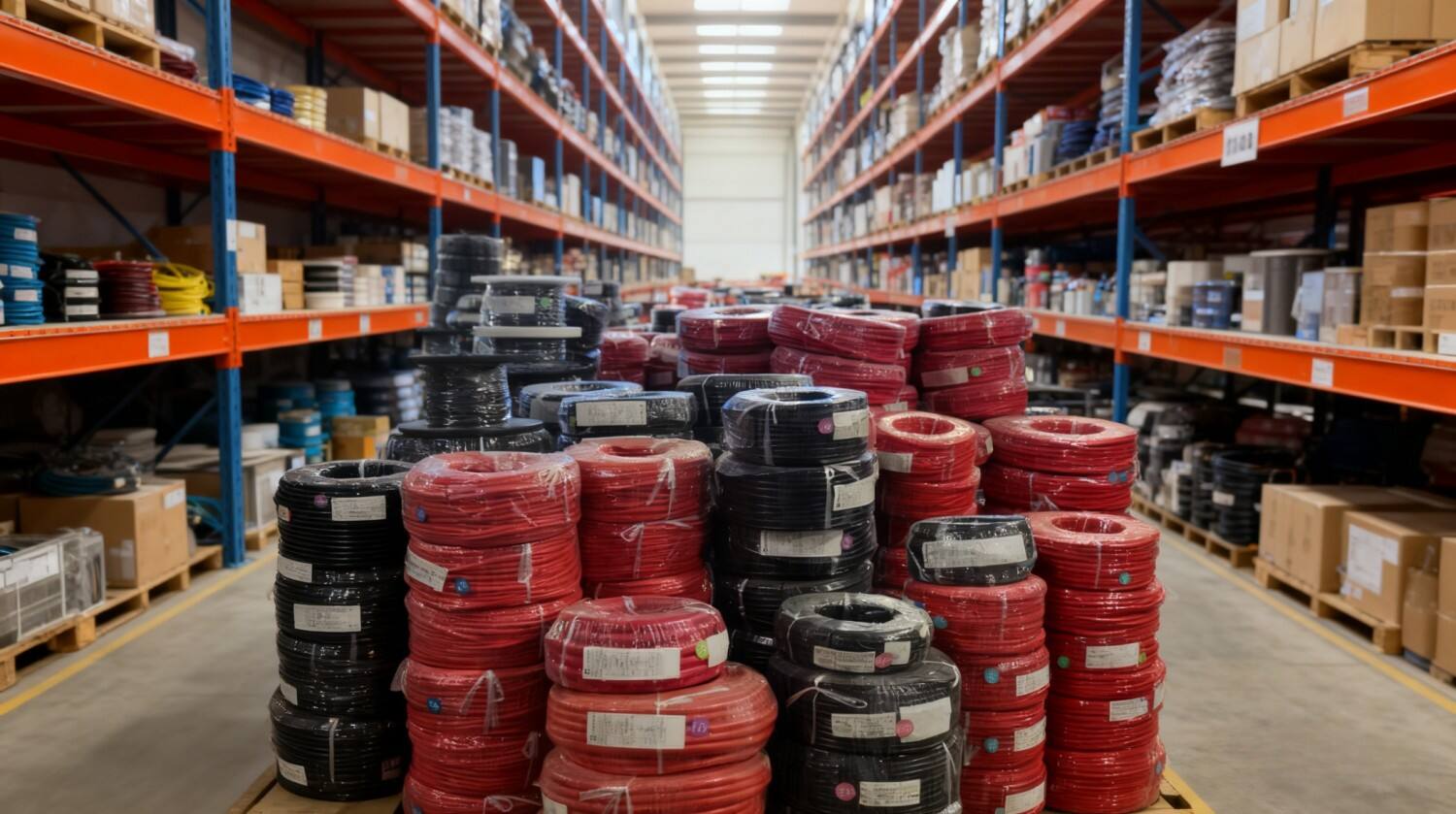
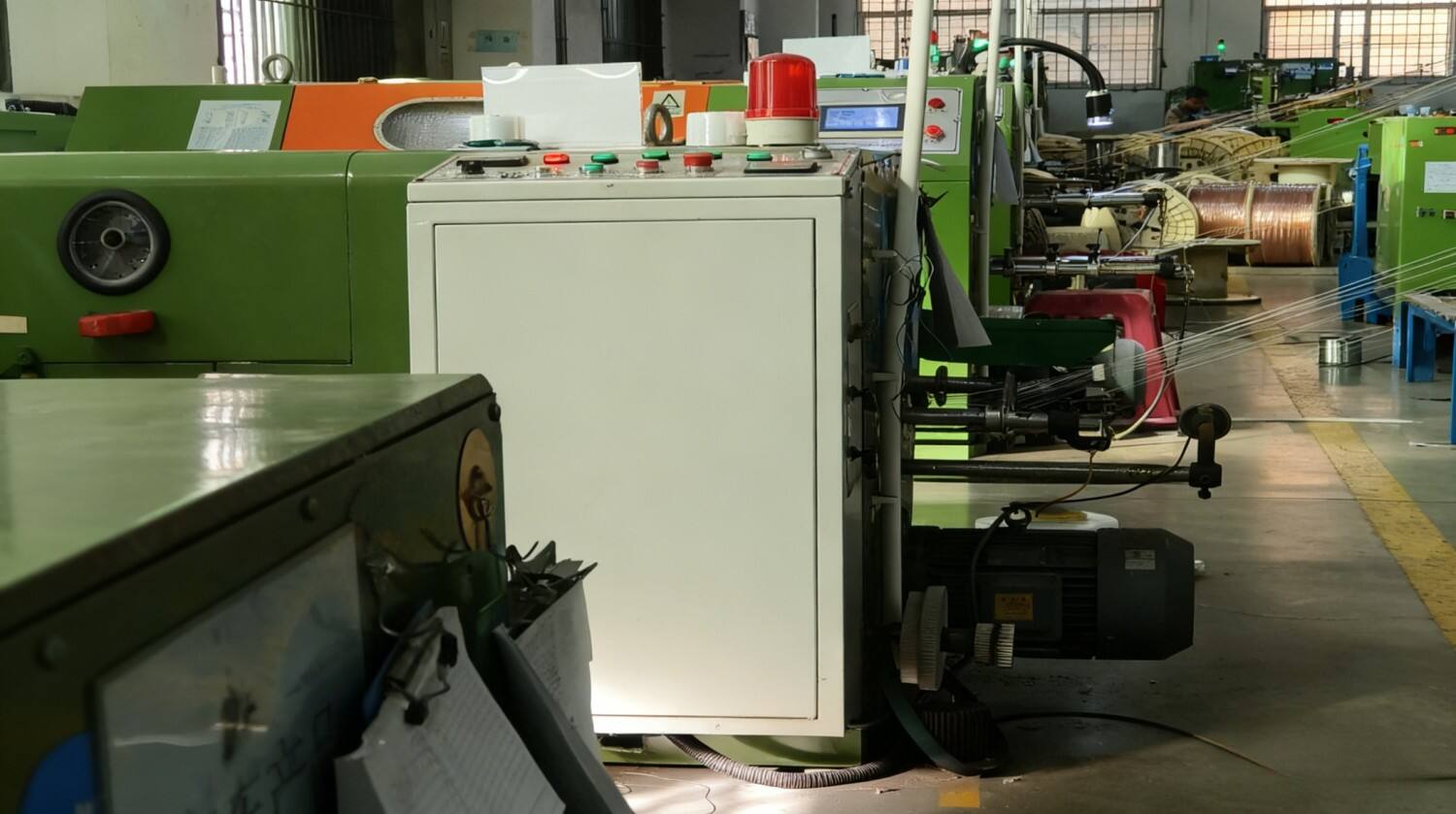
Manufacturing industries across the globe face increasing pressure to maintain operational efficiency while reducing long-term maintenance costs. The selection of high-quality wire components plays a crucial role in achieving these objectives, as electrical systems form the backbone of modern industrial operations. Manufacturers who prioritize durability in their wire selection often experience significant improvements in equipment reliability, reduced downtime, and enhanced overall productivity. Understanding the factors that drive these preferences helps illuminate why durable wire solutions have become essential for sustainable manufacturing success.
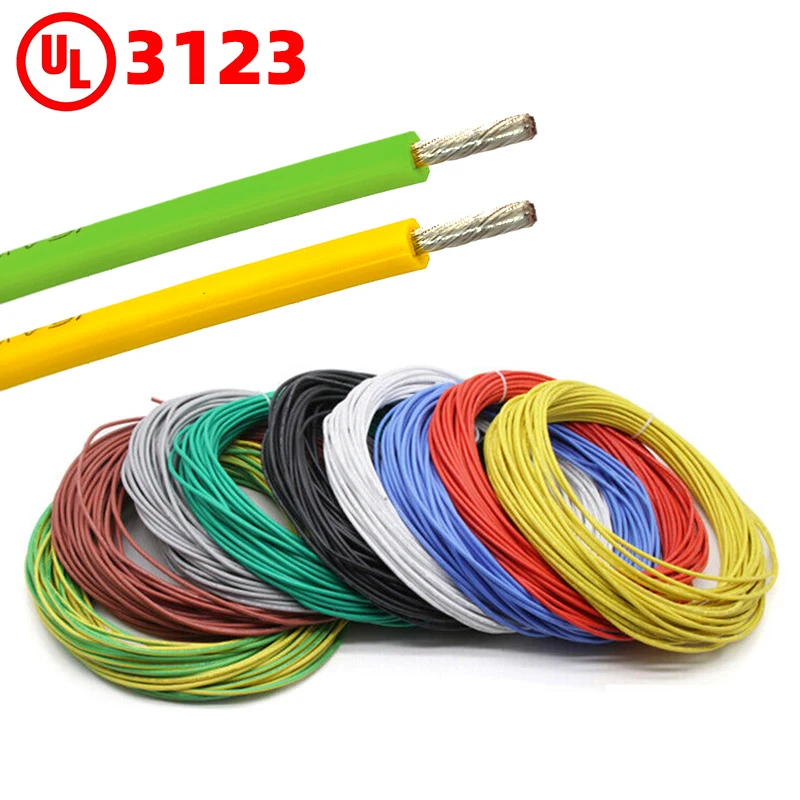
Material Composition and Performance Characteristics
Conductor Materials and Their Impact
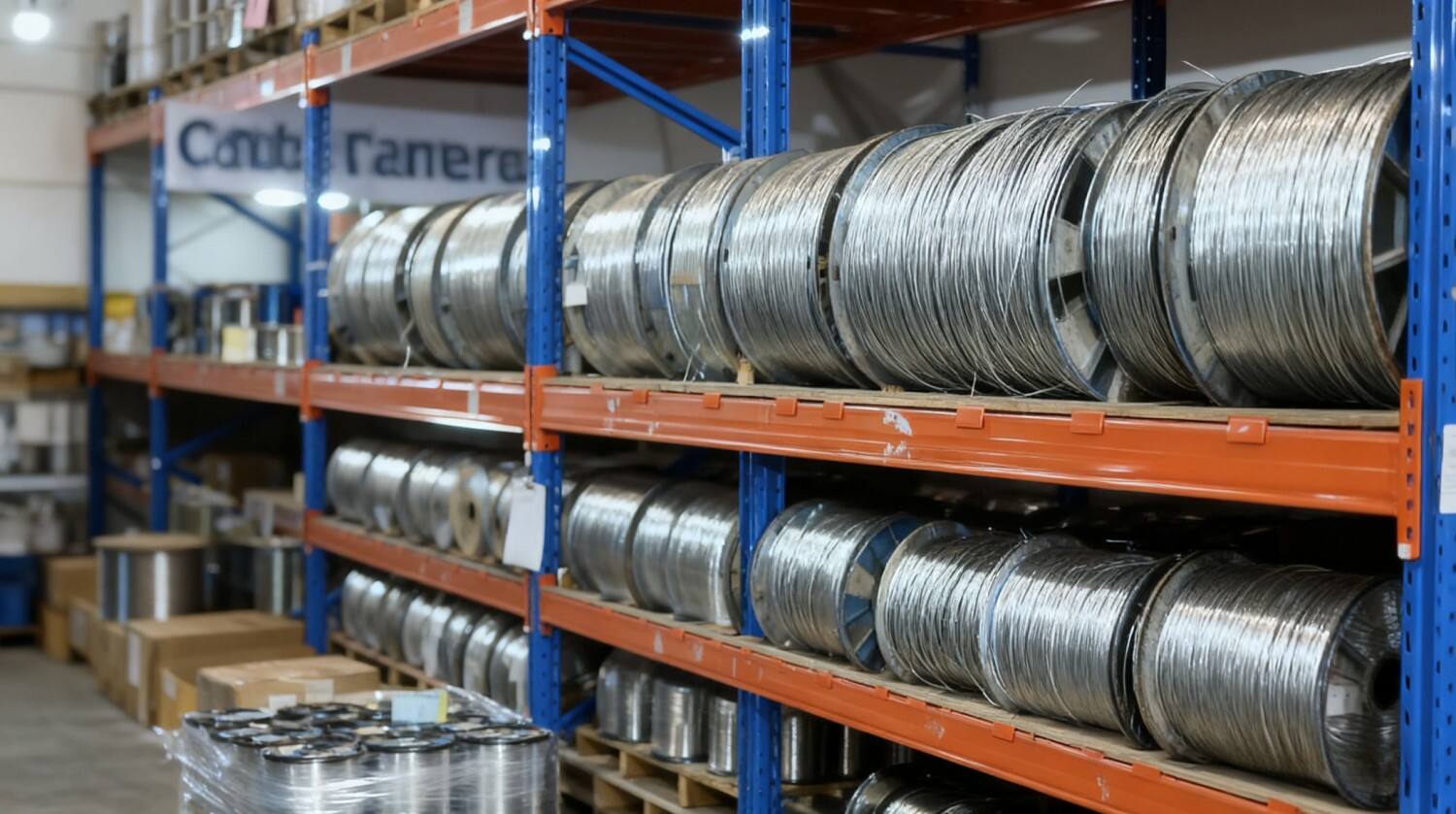
The choice of conductor material significantly influences the long-term performance of electrical systems in manufacturing environments. Copper remains the preferred conductor material due to its excellent electrical conductivity and resistance to corrosion. Tinned copper conductors offer enhanced protection against oxidation and moisture infiltration, extending service life in harsh industrial conditions. Silver-plated copper provides superior conductivity for high-frequency applications, while aluminum conductors offer cost advantages in specific applications where weight reduction is prioritized.
High-purity copper conductors demonstrate superior electrical performance compared to alternatives with lower copper content. The crystalline structure of pure copper allows for efficient electron flow, minimizing energy losses and heat generation during operation. This characteristic becomes particularly important in high-current applications where energy efficiency directly impacts operational costs. Manufacturers investing in quality conductor materials typically observe measurable improvements in system efficiency and reduced energy consumption over the product lifecycle.
Insulation Materials for Enhanced Durability
Modern insulation materials play a critical role in protecting conductors from environmental hazards and electrical faults. Silicone rubber insulation offers exceptional temperature stability, maintaining flexibility across extreme temperature ranges from -60°C to +200°C. This temperature tolerance makes silicone-insulated products ideal for applications involving thermal cycling or exposure to high-temperature processes. Cross-linked polyethylene provides excellent chemical resistance and mechanical strength for demanding industrial environments.
Advanced polymer compounds incorporate flame-retardant additives that meet stringent safety standards while maintaining electrical properties. These materials resist degradation from ultraviolet radiation, ozone exposure, and chemical contamination commonly found in manufacturing facilities. The selection of appropriate insulation materials directly correlates with the expected service life and maintenance requirements of electrical installations. Manufacturers who specify high-quality insulation materials often achieve service lives exceeding 20 years in properly designed systems.
Environmental Resistance and Reliability Factors
Temperature Cycling and Thermal Stability
Manufacturing processes often subject electrical components to repeated temperature variations that can stress materials and connections over time. Quality wire products incorporate materials and construction methods that accommodate thermal expansion and contraction without compromising electrical integrity. Flexible stranded conductors distribute mechanical stress more effectively than solid conductors, reducing the risk of fatigue failures in applications with frequent temperature cycling.
Thermal aging tests demonstrate the superior performance of premium wire products under accelerated aging conditions. These tests simulate decades of service life in compressed timeframes, revealing how materials respond to prolonged thermal stress. Products that maintain their electrical and mechanical properties through extended thermal cycling provide manufacturers with confidence in long-term performance predictions. This reliability enables more accurate maintenance scheduling and reduces the likelihood of unexpected system failures.
Chemical Resistance and Environmental Protection
Industrial environments expose electrical components to various chemicals, solvents, and cleaning agents that can degrade standard materials over time. Specialized wire products incorporate chemical-resistant materials that maintain their properties when exposed to oils, acids, bases, and industrial solvents. Fluoropolymer materials offer exceptional chemical inertness, while specialized rubber compounds provide resistance to specific chemical classes commonly encountered in manufacturing processes.
Moisture ingress represents another significant threat to electrical system reliability in manufacturing environments. Quality wire products feature moisture-resistant barriers and sealing systems that prevent water penetration into conductor areas. Hydrophobic materials and specialized jacket compounds create effective barriers against humidity, condensation, and direct water exposure. These protective features become particularly important in food processing, pharmaceutical manufacturing, and other industries requiring frequent washdown procedures.
Performance Benefits in Manufacturing Applications
Reduced Maintenance Requirements
Durable wire installations significantly reduce the frequency and complexity of maintenance activities in manufacturing facilities. High-quality products resist common failure modes such as insulation cracking, conductor corrosion, and connection degradation that plague inferior alternatives. This reliability translates into reduced maintenance labor costs and fewer production interruptions for electrical system repairs. Predictive maintenance programs become more effective when based on reliable components with known performance characteristics.
Maintenance scheduling benefits from the consistent performance of quality electrical components over extended periods. Facilities managers can develop confidence intervals for replacement timing based on documented performance histories of premium products. This predictability enables more efficient inventory management and maintenance crew allocation. The reduced frequency of emergency repairs also minimizes safety risks associated with unplanned electrical work in active manufacturing environments.
Enhanced System Reliability and Uptime
Manufacturing productivity depends heavily on electrical system reliability, making wire quality a critical factor in operational success. Premium products demonstrate lower failure rates across various operating conditions, contributing to improved overall equipment effectiveness. System designers can achieve higher reliability targets when incorporating components with proven performance records in similar applications. This reliability advantage becomes particularly valuable in continuous process industries where unplanned downtime carries significant financial penalties.
Redundancy requirements may be reduced when using highly reliable components, potentially offsetting initial cost premiums through simplified system designs. The improved mean time between failures of quality products allows for longer maintenance intervals and more efficient resource allocation. Process engineers increasingly recognize that electrical system reliability directly impacts production capacity and product quality metrics throughout manufacturing operations.
Cost-Benefit Analysis and Return on Investment
Initial Investment Versus Lifecycle Costs
While premium wire products typically command higher initial purchase prices, comprehensive lifecycle cost analysis often reveals significant long-term savings. The extended service life of durable products reduces replacement frequency and associated installation labor costs. Material waste from premature failures decreases substantially when using components designed for extended service life. These factors combine to create favorable return on investment calculations for quality-focused procurement decisions.
Energy efficiency improvements from superior conductor materials provide ongoing operational savings throughout the product lifecycle. Lower electrical resistance translates directly into reduced energy consumption and decreased heat generation in electrical systems. These efficiency gains become particularly significant in high-current applications where even small resistance improvements generate substantial energy savings over time. Environmental benefits from reduced energy consumption also support corporate sustainability initiatives increasingly important to modern manufacturers.
Risk Mitigation and Insurance Considerations
Insurance providers increasingly recognize the value of quality electrical installations in risk assessment and premium calculation. Facilities with documented quality standards for electrical components may qualify for reduced insurance rates due to lower fire and equipment damage risks. The improved safety record of premium products supports these risk reductions through demonstrated performance in similar applications. Comprehensive documentation of component specifications and installation practices facilitates insurance underwriting processes.
Business continuity planning benefits from the predictable performance of reliable electrical components throughout manufacturing operations. Quality products reduce the likelihood of cascading failures that can impact multiple production lines or facility systems. This reliability supports more accurate business risk assessments and enables more effective contingency planning for operational disruptions. The reduced variability in system performance facilitates more accurate production forecasting and capacity planning activities.
FAQ
What factors determine the expected service life of electrical wire in manufacturing applications
Service life depends on conductor material quality, insulation type, environmental conditions, and installation practices. High-purity copper conductors with premium insulation materials typically achieve 20-25 year service lives in properly designed installations. Environmental factors such as temperature cycling, chemical exposure, and mechanical stress significantly impact longevity. Regular inspection and maintenance practices also influence actual service life outcomes.
How do manufacturers evaluate the quality of wire products before making purchasing decisions
Quality evaluation involves reviewing technical specifications, certification standards, and performance test data from independent laboratories. Manufacturers often request samples for internal testing under actual operating conditions before committing to large purchases. Vendor audits and quality system certifications provide additional assurance regarding manufacturing consistency and quality control processes. Historical performance data from similar applications offers valuable insights into expected reliability.
What role does conductor stranding play in wire durability and performance
Stranded conductors offer superior flexibility and fatigue resistance compared to solid conductors in applications involving vibration or movement. The multiple small strands distribute mechanical stress more effectively, reducing the likelihood of conductor fracture over time. Stranding also provides redundancy, as individual strand failures rarely compromise overall conductor integrity. Fine stranding becomes particularly important in applications requiring frequent flexing or tight bend radii.
How do environmental certifications impact wire selection for industrial applications
Environmental certifications ensure products meet specific performance standards for temperature, chemical resistance, and flame retardancy required in industrial settings. UL listings, CSA approvals, and international standards provide standardized benchmarks for comparing products from different manufacturers. These certifications often specify installation requirements and application limitations that must be considered during system design. Compliance with relevant standards also supports regulatory requirements and insurance obligations for manufacturing facilities.
Table of Contents
- Material Composition and Performance Characteristics
- Environmental Resistance and Reliability Factors
- Performance Benefits in Manufacturing Applications
- Cost-Benefit Analysis and Return on Investment
-
FAQ
- What factors determine the expected service life of electrical wire in manufacturing applications
- How do manufacturers evaluate the quality of wire products before making purchasing decisions
- What role does conductor stranding play in wire durability and performance
- How do environmental certifications impact wire selection for industrial applications