EN
EN


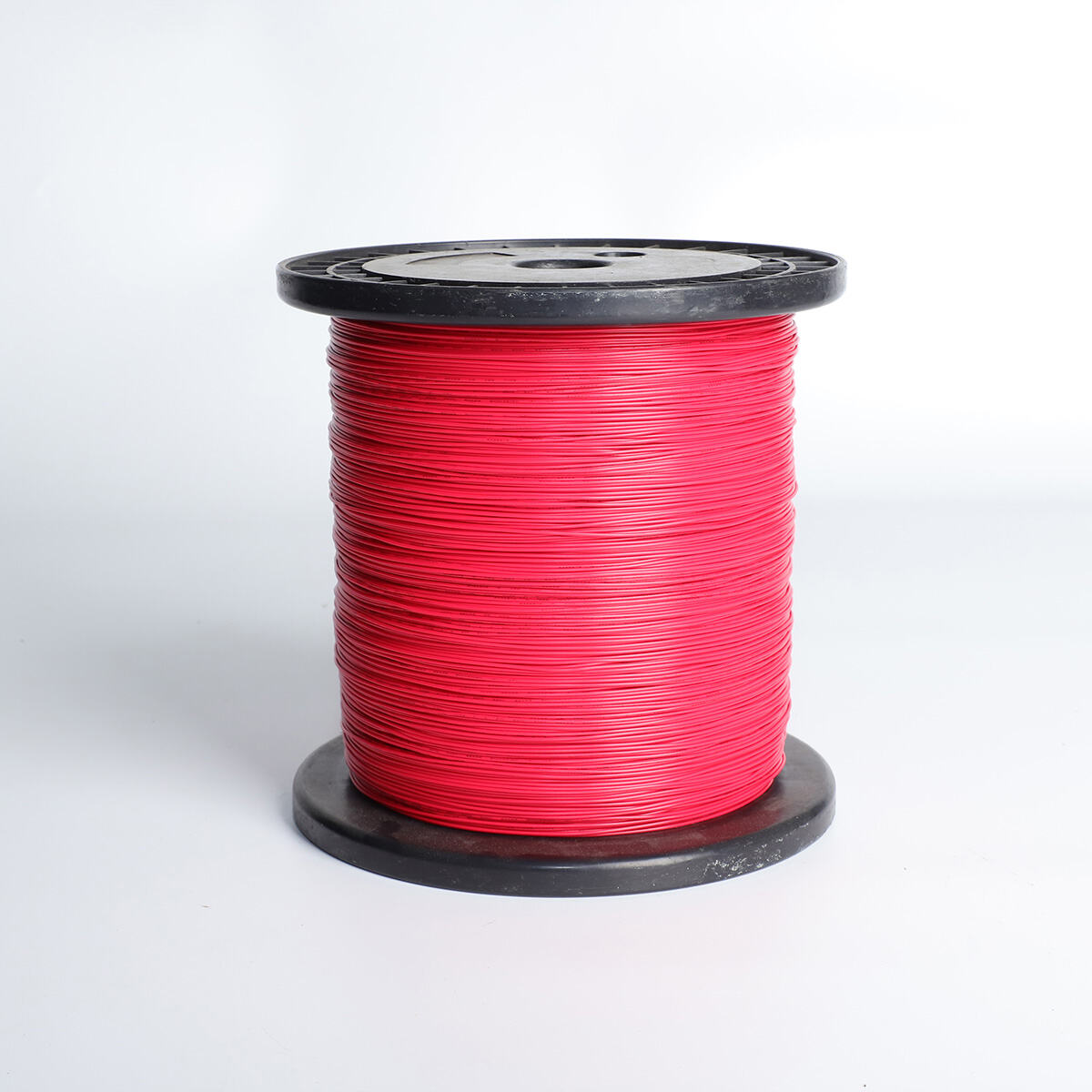
Power distribution efficiency represents a critical factor in modern electrical systems, directly influencing energy costs, system reliability, and overall performance. The foundation of any efficient power distribution network lies in the quality and specifications of electrical wires used throughout the infrastructure. Understanding how wire characteristics impact energy transmission can help engineers, facility managers, and industrial professionals make informed decisions that optimize their electrical systems while minimizing losses and operational expenses.
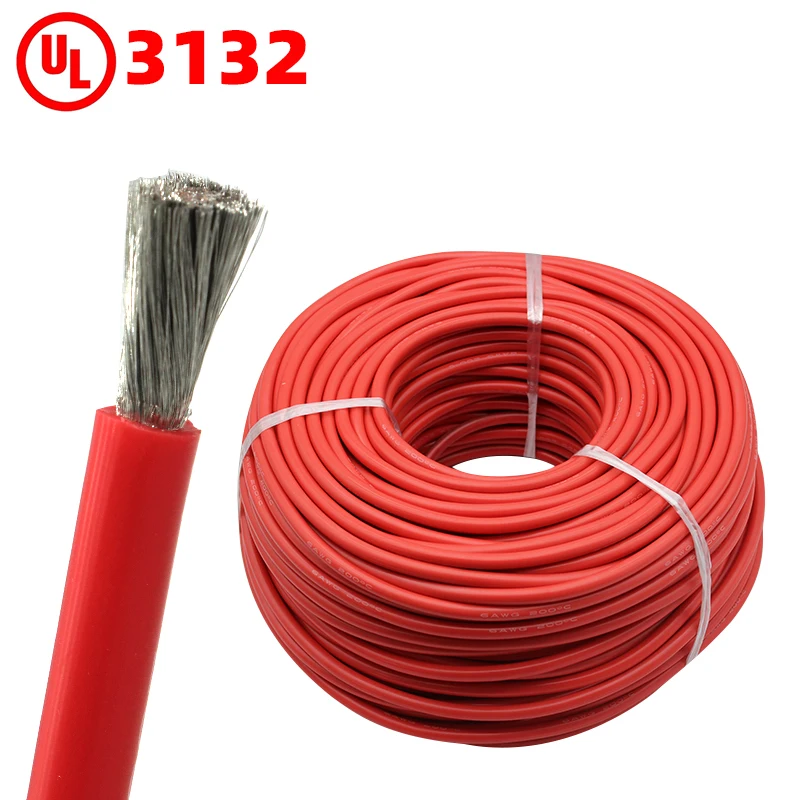
The relationship between wire selection and power distribution efficiency extends beyond simple conductor materials. Various factors including wire gauge, insulation properties, temperature ratings, and installation methods collectively determine how effectively electrical energy travels from source to load. Industrial facilities, commercial buildings, and residential installations all benefit from properly specified wiring systems that minimize resistive losses while maintaining safety standards and regulatory compliance.
Wire Resistance and Its Impact on Energy Transmission
Understanding Electrical Resistance in Conductors
Electrical resistance forms the primary barrier to efficient power transmission in any wiring system. When current flows through electrical wires, resistance converts electrical energy into heat, resulting in power losses that reduce overall system efficiency. The magnitude of these losses depends on several interconnected factors including conductor material, cross-sectional area, length, and operating temperature. Copper and aluminum represent the most common conductor materials, each offering distinct advantages in specific applications.
Copper conductors provide superior conductivity compared to aluminum alternatives, resulting in lower resistance values for equivalent wire sizes. This characteristic makes copper electrical wires particularly valuable in applications where space constraints limit conductor size or where maximum efficiency is paramount. However, aluminum conductors offer cost advantages in larger installations where the economic benefits outweigh the slightly higher resistance values. The choice between materials often involves balancing initial costs against long-term operational efficiency gains.
Wire Gauge Selection for Optimal Performance
Wire gauge selection directly affects resistance levels and subsequent power losses in distribution systems. Larger conductor cross-sections provide lower resistance paths for electrical current, reducing I²R losses that occur during power transmission. The American Wire Gauge system provides standardized sizing that helps engineers calculate appropriate conductor sizes based on load requirements, voltage drop limitations, and efficiency targets. Proper gauge selection ensures adequate current-carrying capacity while minimizing resistive losses.
Oversizing conductors beyond minimum code requirements often proves economically beneficial in high-utilization applications. While larger electrical wires require higher initial investment, the reduction in ongoing energy losses can provide significant cost savings over the system's operational lifetime. This approach becomes particularly valuable in industrial settings where continuous operation and high power demands amplify the financial impact of transmission losses. Energy audits and load calculations help determine the optimal balance between upfront costs and long-term efficiency benefits.
Temperature Effects on Wire Performance
Thermal Characteristics of Conductor Materials
Temperature variations significantly influence the resistance characteristics of electrical conductors, directly impacting power distribution efficiency. Most conductor materials exhibit positive temperature coefficients, meaning resistance increases as temperature rises. This relationship creates a compound effect where higher current loads generate heat, increasing resistance, which in turn produces additional heat and further efficiency losses. Understanding these thermal dynamics helps in selecting appropriate wire specifications and installation methods.
Ambient temperature conditions and heat dissipation capabilities affect how well electrical wires maintain optimal performance levels. Proper ventilation, conductor spacing, and thermal management become crucial factors in maintaining efficiency. Insulation materials with superior thermal properties help protect conductors from external heat sources while allowing adequate heat dissipation. High-temperature rated wires provide additional safety margins and maintain stable performance characteristics under demanding operating conditions.
Insulation Properties and Thermal Management
Insulation materials serve dual purposes in electrical wire design, providing electrical isolation while influencing thermal performance. Modern insulation compounds like cross-linked polyethylene, ethylene propylene rubber, and specialized silicone formulations offer improved thermal characteristics compared to traditional materials. These advanced insulations maintain flexibility and dielectric properties across wider temperature ranges, contributing to consistent power transmission efficiency.
Thermal rating specifications indicate the maximum operating temperatures that electrical wires can safely handle while maintaining performance standards. Higher thermal ratings provide operational flexibility and safety margins, particularly important in industrial environments where ambient temperatures may fluctuate significantly. Proper thermal management through appropriate insulation selection helps maintain conductor temperatures within optimal ranges, preserving low-resistance characteristics and maximizing distribution efficiency.
Installation Factors Affecting Efficiency
Routing and Configuration Considerations
Installation methods and routing decisions significantly influence the overall efficiency of electrical distribution systems. Minimizing wire lengths reduces total system resistance, directly improving power transmission efficiency. Strategic planning of electrical pathways, avoiding unnecessary bends and loops, helps optimize conductor utilization while reducing material costs. Proper cable management systems support efficient installation while providing accessibility for maintenance and future modifications.
Conduit systems and cable trays affect both the physical protection and thermal performance of electrical wires. Adequate spacing between conductors promotes heat dissipation, preventing thermal buildup that could increase resistance and reduce efficiency. Installation techniques that maintain proper bend radii preserve conductor integrity and prevent stress concentrations that might compromise long-term performance. Professional installation practices ensure that efficiency benefits designed into wire specifications are fully realized in operational systems.
Connection Quality and Maintenance Impact
Connection points represent potential sources of resistance increase and efficiency loss in electrical distribution systems. High-quality connectors, properly installed and maintained, ensure minimal resistance at junction points. Oxidation, corrosion, and mechanical loosening can significantly increase connection resistance over time, creating hot spots and reducing overall system efficiency. Regular inspection and maintenance protocols help preserve optimal connection performance throughout the system's operational life.
Termination techniques and hardware selection affect both immediate performance and long-term reliability of electrical connections. Proper torque specifications, appropriate connector materials, and corrosion-resistant finishes contribute to maintaining low-resistance connections. Environmental protection measures, including sealed enclosures and protective coatings, help preserve connection integrity in challenging operating conditions. These factors collectively ensure that distribution efficiency remains consistent over extended periods.
Economic Implications of Wire Selection
Initial Cost Versus Operational Savings
Economic analysis of electrical wire selection involves balancing initial material costs against long-term operational benefits. Higher-quality conductors and larger gauge sizes typically require greater upfront investment but provide ongoing energy savings through reduced losses. Life-cycle cost calculations help quantify these trade-offs, considering factors like energy costs, system utilization rates, and expected operational lifespans. This analysis often reveals that premium wire specifications provide positive returns on investment through reduced operating expenses.
Energy cost trends and utility rate structures influence the economic value of efficiency improvements in electrical distribution systems. Time-of-use pricing and demand charges amplify the financial benefits of reduced losses, particularly during peak usage periods. Industrial facilities with high power demands can achieve substantial savings through modest efficiency improvements, making quality electrical wires a strategic investment in operational cost management. These economic factors support specifications that prioritize long-term efficiency over minimum initial costs.
Productivity and Reliability Benefits
Beyond direct energy savings, efficient electrical distribution systems provide productivity and reliability advantages that contribute to overall economic value. Reduced voltage drops maintain consistent equipment performance, minimizing production disruptions and quality issues. Lower operating temperatures extend equipment lifespans and reduce maintenance requirements, contributing to improved facility reliability. These indirect benefits often exceed direct energy savings in critical applications where downtime carries significant costs.
Power quality improvements associated with efficient distribution systems enhance the performance of sensitive electronic equipment and variable frequency drives. Clean, stable power reduces equipment stress and extends operational lifespans while maintaining optimal performance characteristics. These benefits become particularly valuable in modern facilities with extensive automation and electronic control systems that depend on consistent power quality for reliable operation.
FAQ
What wire gauge should I use to minimize power losses in my distribution system?
Wire gauge selection depends on load current, distance, and acceptable voltage drop limits. Generally, using one or two sizes larger than minimum code requirements provides good efficiency improvements. For high-utilization circuits, calculate the economic benefits of larger conductors by comparing upfront costs with projected energy savings over the system's lifespan. Consider factors like energy costs, operating hours, and load characteristics when making this determination.
How does ambient temperature affect electrical wire efficiency?
Higher ambient temperatures increase conductor resistance, reducing efficiency and current-carrying capacity. For every 10°C temperature increase, copper resistance typically rises by about 4%. Choose wires with appropriate temperature ratings for your environment and ensure adequate ventilation around conductors. In high-temperature environments, consider conductors with superior thermal characteristics or larger sizes to compensate for increased resistance.
Are there specific wire types that offer better efficiency for industrial applications?
Industrial applications benefit from wires designed for demanding environments, featuring enhanced insulation, improved thermal characteristics, and superior conductor materials. Look for products with high-temperature ratings, moisture resistance, and mechanical durability. Stranded conductors often provide better flexibility and vibration resistance compared to solid conductors in industrial settings. Consider specialized cables designed for specific industrial applications like variable frequency drive circuits or high-temperature environments.
How often should electrical connections be inspected to maintain distribution efficiency?
Electrical connections should be inspected annually in most applications, with more frequent inspections in demanding environments. Look for signs of overheating, corrosion, or mechanical loosening that could increase resistance and reduce efficiency. Thermal imaging surveys can identify problem connections before they cause significant losses or failures. Establish maintenance schedules based on environmental conditions, load characteristics, and equipment criticality to ensure optimal long-term performance.
Table of Contents
- Wire Resistance and Its Impact on Energy Transmission
- Temperature Effects on Wire Performance
- Installation Factors Affecting Efficiency
- Economic Implications of Wire Selection
-
FAQ
- What wire gauge should I use to minimize power losses in my distribution system?
- How does ambient temperature affect electrical wire efficiency?
- Are there specific wire types that offer better efficiency for industrial applications?
- How often should electrical connections be inspected to maintain distribution efficiency?