EN
EN


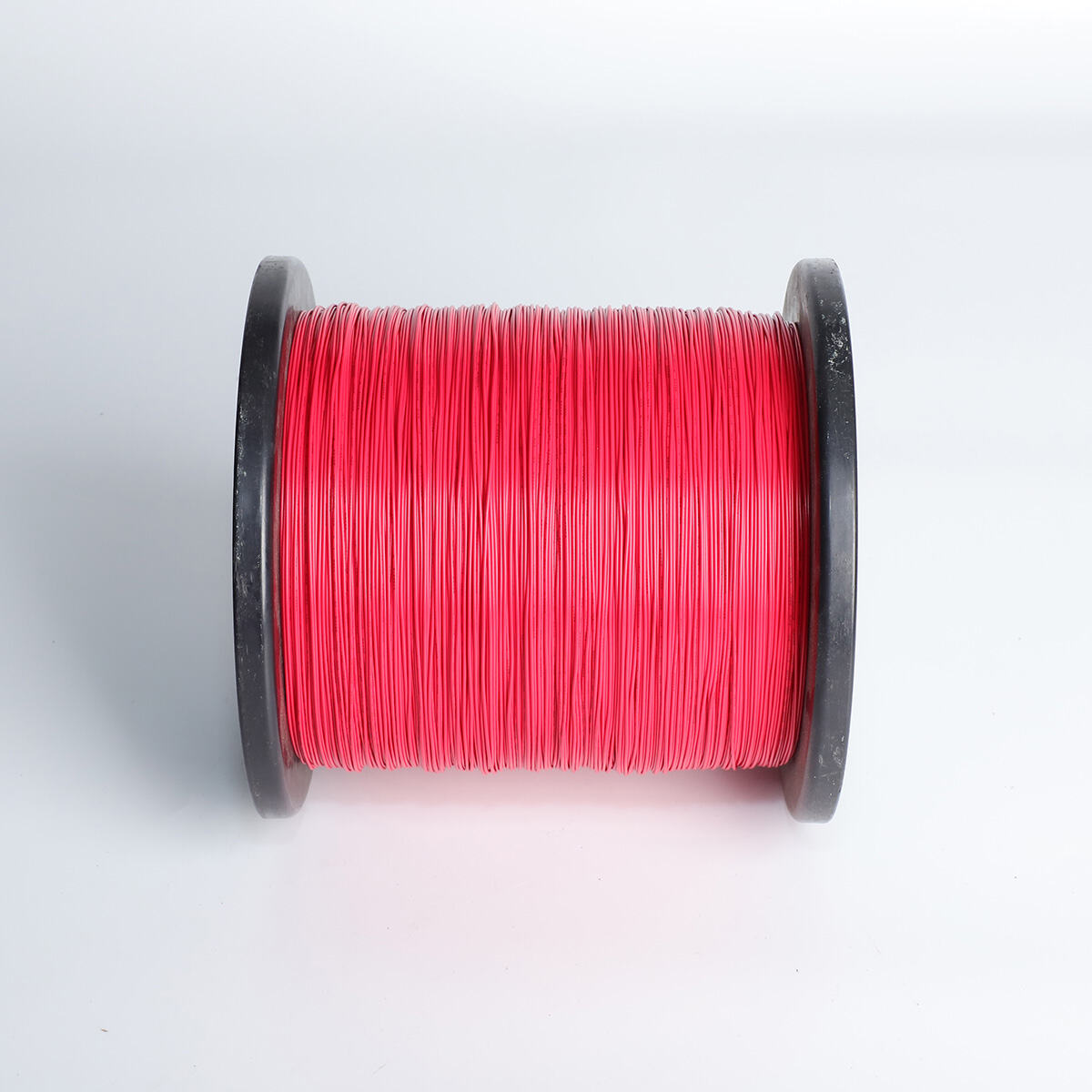
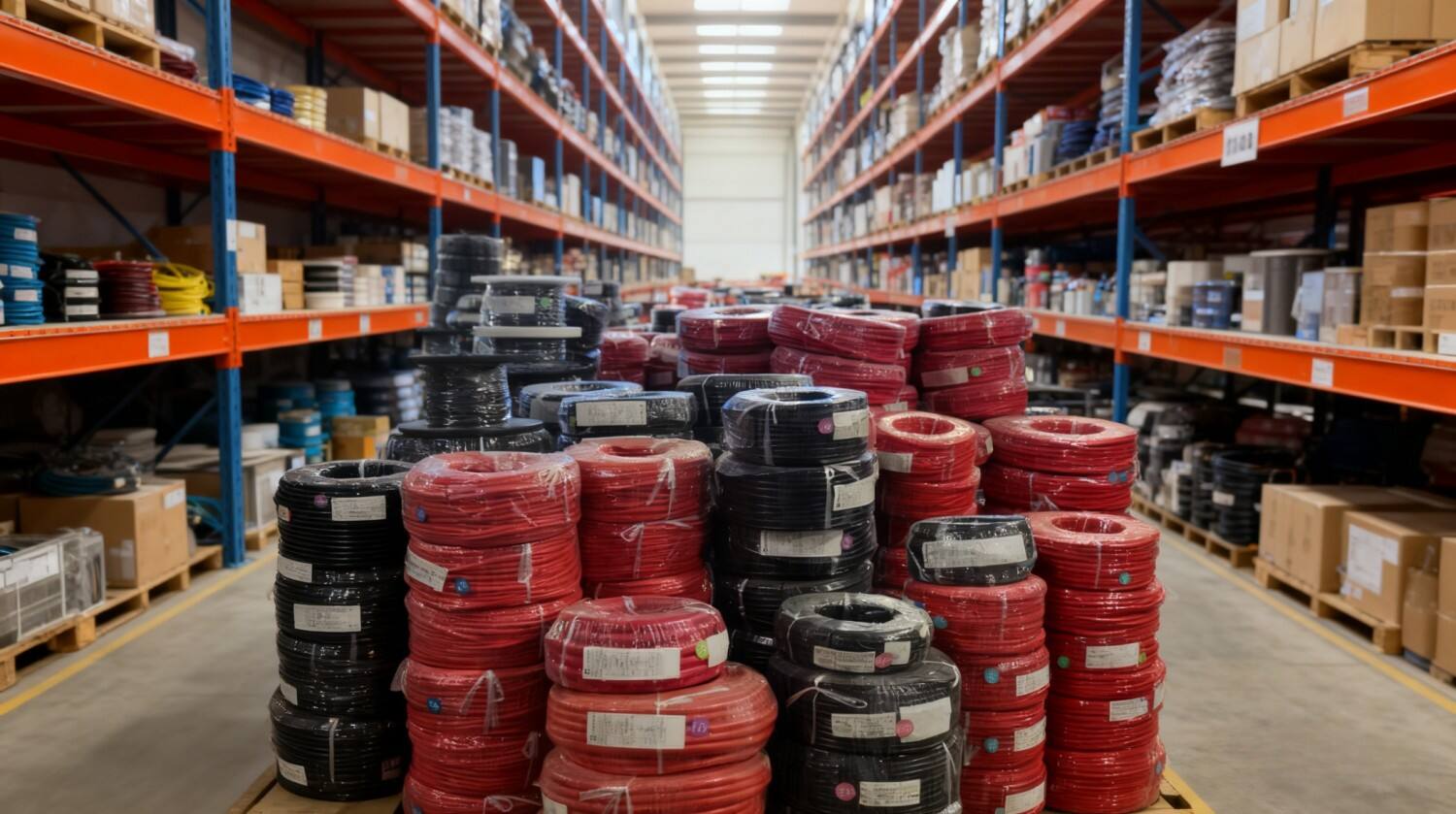
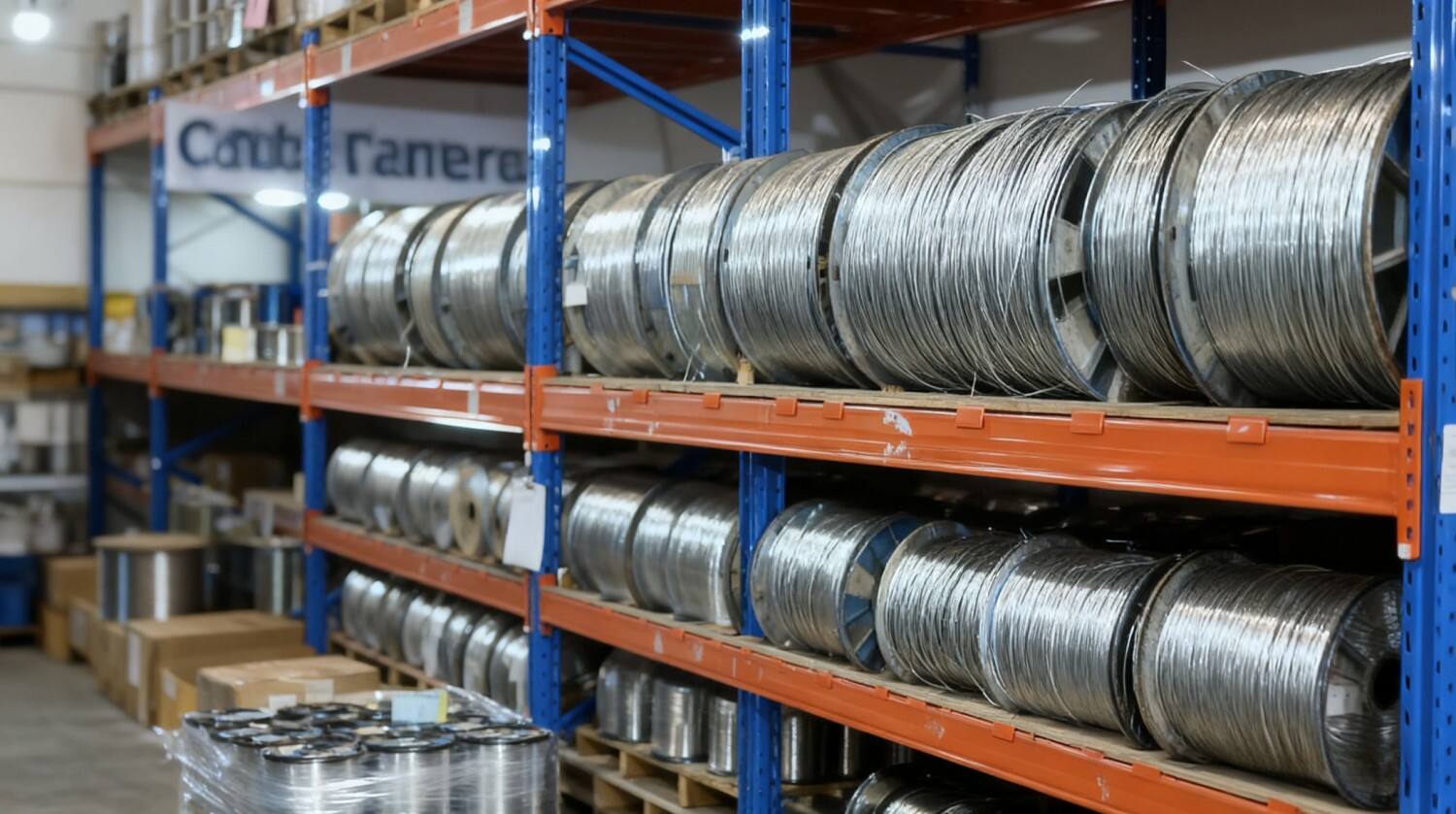
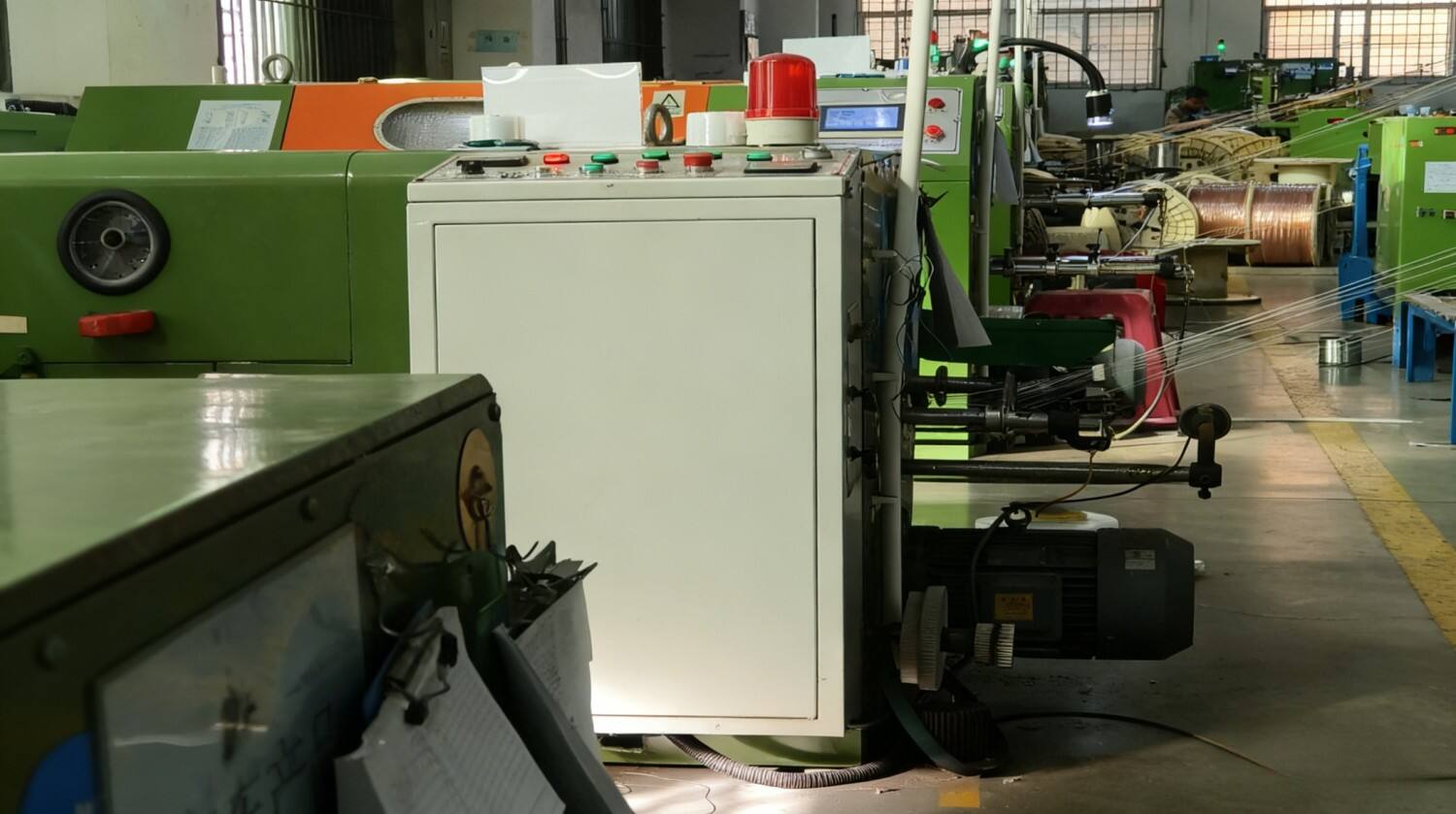
Selecting the right electrical wires for your project requires careful consideration of multiple technical and environmental factors. Whether you're working on residential installations, industrial applications, or specialized electronic systems, the quality and specifications of your wiring directly impact safety, performance, and long-term reliability. Understanding the key selection criteria helps engineers, contractors, and procurement specialists make informed decisions that meet both current needs and future requirements. The complexity of modern electrical systems demands wires that can handle diverse operational conditions while maintaining consistent performance throughout their service life.
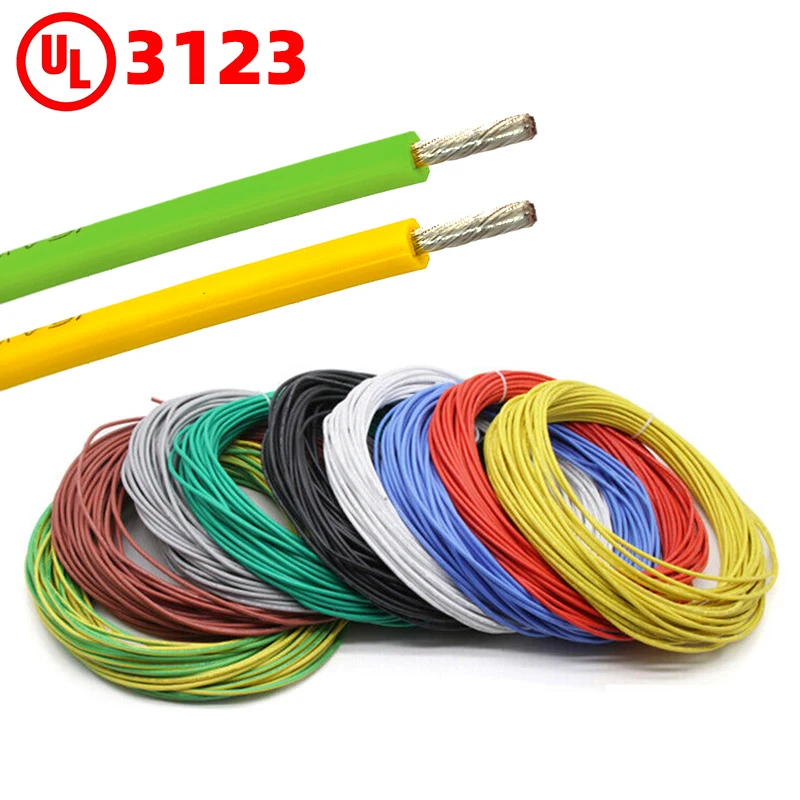
Understanding Wire Gauge and Current Capacity
American Wire Gauge Standards
The American Wire Gauge system provides a standardized method for measuring wire diameter and determining current-carrying capacity. Smaller AWG numbers indicate larger wire diameters, with 18 AWG commonly used for low-power applications and larger gauges like 10 or 12 AWG suitable for higher current demands. Understanding this inverse relationship helps prevent undersized wire selection that could lead to voltage drops, overheating, or safety hazards. Professional installers rely on AWG specifications to match wire capacity with circuit requirements, ensuring optimal performance across various electrical applications.
Wire gauge selection directly influences the maximum safe current flow and voltage drop characteristics of electrical circuits. Proper gauge sizing prevents excessive heat generation and maintains voltage levels within acceptable tolerances. Engineers must calculate load requirements, circuit length, and environmental factors when determining appropriate wire gauge for specific applications. This careful analysis ensures that electrical wires operate within their rated parameters while providing adequate safety margins for system reliability.
Current Carrying Capacity Calculations
Ampacity calculations involve multiple variables including ambient temperature, installation method, and conductor material properties. Copper conductors typically offer superior current-carrying capacity compared to aluminum alternatives, making them preferred for many applications despite higher initial costs. Temperature derating factors must be applied when wires operate in elevated temperature environments or when multiple conductors are bundled together. These calculations ensure that electrical wires maintain safe operating temperatures under all anticipated load conditions.
Load analysis requires understanding both continuous and intermittent current requirements throughout the operational cycle. Peak demand periods, motor starting currents, and future expansion possibilities all influence wire sizing decisions. Professional electrical design incorporates safety factors and considers worst-case scenarios to prevent system overloads. This comprehensive approach to ampacity determination ensures long-term system reliability and compliance with electrical codes and standards.
Conductor Materials and Construction
Copper versus Aluminum Conductors
Copper conductors offer excellent electrical conductivity, corrosion resistance, and mechanical durability, making them the preferred choice for most electrical applications. The superior conductivity of copper allows for smaller wire sizes compared to aluminum equivalents, often offsetting the higher material costs through reduced installation complexity. Copper's resistance to oxidation and corrosion ensures stable electrical connections over extended service periods. These characteristics make copper electrical wires particularly suitable for critical applications where reliability is paramount.
Aluminum conductors provide cost-effective solutions for large-scale installations where weight reduction and material costs are primary concerns. While aluminum requires larger conductor sizes to achieve equivalent current capacity, its lighter weight simplifies handling and installation in overhead applications. Proper connection techniques and compatible hardware are essential when using aluminum conductors to prevent galvanic corrosion and ensure reliable long-term performance. Understanding the trade-offs between copper and aluminum helps optimize material selection for specific project requirements.
Stranded versus Solid Conductor Design
Stranded conductors consist of multiple smaller wires twisted together, providing enhanced flexibility and resistance to fatigue from repeated bending or vibration. This construction makes stranded electrical wires ideal for applications involving movement, such as portable equipment, robotics, or installations subject to thermal expansion and contraction. The multiple conductor strands distribute mechanical stress more evenly, reducing the likelihood of conductor failure under dynamic conditions. Stranded designs also facilitate easier installation in conduit systems with multiple bends or tight spaces.
Solid conductors feature a single continuous wire that offers lower resistance and superior current-carrying capacity for a given cross-sectional area. These conductors work well in permanent installations where flexibility is not required, such as building wiring behind walls or in underground applications. Solid conductors typically cost less than stranded equivalents and provide better performance in high-frequency applications due to reduced skin effect. The choice between stranded and solid construction depends on specific application requirements, installation conditions, and long-term performance expectations.
Insulation Materials and Temperature Ratings
Thermoplastic Insulation Properties
Thermoplastic insulation materials like PVC and polyethylene offer cost-effective protection for electrical wires in standard temperature and environmental conditions. PVC insulation provides good moisture resistance and mechanical protection while maintaining reasonable flexibility across moderate temperature ranges. These materials work well for general-purpose building wiring, appliance connections, and similar applications where extreme conditions are not encountered. Understanding the temperature limitations and environmental compatibility of thermoplastic insulation helps ensure appropriate material selection for specific applications.
Polyethylene insulation offers superior electrical properties and lower dielectric losses compared to PVC, making it suitable for high-frequency applications and data transmission cables. The material's resistance to moisture absorption and chemical degradation extends service life in challenging environments. However, polyethylene may require additional mechanical protection due to its susceptibility to physical damage. Proper selection of thermoplastic insulation materials balances cost, performance, and environmental requirements for optimal wire specification.
High-Temperature Insulation Systems
Silicone rubber insulation provides exceptional temperature resistance, maintaining flexibility and electrical properties from extremely low to high operating temperatures. This versatility makes silicone-insulated electrical wires suitable for aerospace, automotive, and industrial applications where temperature extremes are common. The material's inherent flame resistance and low toxicity add safety benefits in critical applications. Silicone insulation also offers excellent aging characteristics, maintaining performance over extended service periods even under harsh environmental conditions.
Fluoropolymer insulation materials like PTFE and FEP provide superior chemical resistance and high-temperature capability for specialized applications. These materials maintain stable electrical properties across wide temperature ranges while resisting degradation from oils, solvents, and other industrial chemicals. The low friction surface of fluoropolymer insulation facilitates cable pulling through conduit systems and reduces installation effort. Although more expensive than conventional insulation materials, fluoropolymers offer unmatched performance in demanding industrial and chemical processing environments.
Environmental Considerations and Protection
Moisture and Chemical Resistance
Moisture ingress can significantly impact the performance and safety of electrical wires through insulation degradation, conductor corrosion, and ground fault conditions. Wire selection must consider both direct water exposure and high humidity environments that can affect long-term reliability. Specialized moisture-resistant insulation materials and construction techniques help prevent water infiltration while maintaining electrical properties. Understanding the moisture exposure levels in different installation environments guides appropriate wire specification and protection strategies.
Chemical resistance becomes critical in industrial environments where electrical wires may encounter oils, solvents, acids, or other corrosive substances. Different insulation materials offer varying levels of chemical compatibility, requiring careful evaluation of potential exposure conditions. Cross-linked polyethylene, fluoropolymers, and certain rubber compounds provide enhanced chemical resistance for demanding applications. Proper material selection prevents premature insulation failure and maintains system safety in chemically aggressive environments.
UV and Outdoor Exposure Protection
Ultraviolet radiation from sunlight can cause photochemical degradation of many insulation materials, leading to cracking, hardening, and eventual failure of outdoor electrical installations. UV-resistant formulations and protective additives help extend the service life of electrical wires exposed to direct sunlight. Carbon black and other UV stabilizers are commonly incorporated into outdoor-rated insulation materials to provide long-term protection. Understanding UV exposure levels and selecting appropriately rated materials prevents premature aging and maintains system reliability.
Outdoor installations face additional challenges from temperature cycling, moisture, and physical damage from weather conditions. Multi-layer insulation systems, protective jackets, and armored constructions provide enhanced protection for buried, aerial, or surface-mounted electrical wires. Proper installation techniques, including adequate support and strain relief, complement material selection to ensure long-term outdoor performance. Comprehensive environmental protection strategies address all potential degradation mechanisms for reliable outdoor electrical systems.
Safety Standards and Code Compliance
National Electrical Code Requirements
The National Electrical Code establishes minimum safety standards for electrical wire selection, installation, and application throughout the United States. Code compliance ensures that electrical systems meet established safety criteria and reduce fire and shock hazards. Understanding relevant NEC articles and requirements helps guide wire selection decisions while ensuring regulatory compliance. Regular code updates reflect evolving safety standards and technological advances, requiring ongoing awareness of current requirements for electrical installations.
Code requirements address wire sizing, insulation ratings, installation methods, and environmental protection based on specific application types and locations. Hazardous location classifications, wet location requirements, and special occupancy considerations all influence wire selection criteria. Professional electrical design must balance code compliance with project requirements and cost considerations. Comprehensive understanding of applicable codes ensures that electrical wires meet both safety standards and functional requirements.
UL Listing and Certification Standards
Underwriters Laboratories testing and certification provide third-party verification that electrical wires meet established safety and performance standards. UL-listed products undergo rigorous testing for fire resistance, electrical properties, and environmental performance under controlled laboratory conditions. This certification gives engineers and installers confidence in product quality and safety characteristics. Understanding UL standards and markings helps identify appropriate electrical wires for specific applications and regulatory requirements.
Various UL standards address different wire types, applications, and performance characteristics, from building wire to specialty industrial cables. The UL listing process includes ongoing factory inspections and quality control measures to ensure consistent product performance. Specifying UL-listed electrical wires helps meet insurance requirements, building code compliance, and professional liability considerations. The certification process also provides valuable technical data for engineering analysis and system design optimization.
FAQ
How do I determine the correct wire gauge for my electrical application?
Wire gauge selection requires calculating the total current load, considering circuit length for voltage drop, and applying appropriate safety factors. Use standard ampacity tables from the National Electrical Code, adjusting for temperature and installation conditions. For circuits longer than 100 feet, voltage drop calculations become particularly important to ensure proper equipment operation. Professional electrical design software can help optimize wire sizing for complex installations with multiple factors.
What are the main differences between THHN and THWN electrical wires?
Both THHN and THWN are thermoplastic high-heat nylon insulated wires rated for 90°C operation. The key difference is that THWN includes wet location ratings, making it suitable for damp or wet environments, while THHN is limited to dry locations only. THWN-2 designation indicates the wire meets both wet and dry location requirements. Understanding these distinctions helps ensure proper wire selection for different installation environments and regulatory compliance.
Can aluminum electrical wires be safely used in residential applications?
Aluminum electrical wires can be used safely in residential applications when properly sized and installed with compatible connection hardware. The key requirements include using connectors and devices rated for aluminum conductors, applying proper torque specifications, and using anti-oxidant compounds at connections. Modern aluminum alloys offer improved performance compared to older formulations that experienced connection problems. Professional installation and periodic inspection help ensure long-term reliability of aluminum wiring systems.
What factors should I consider when selecting electrical wires for high-temperature applications?
High-temperature applications require wires with insulation materials rated for the expected operating temperature range, typically including silicone rubber, fluoropolymers, or specialized thermoplastics. Consider both continuous operating temperature and potential temperature excursions during abnormal conditions. Conductor material selection may also require adjustment, as aluminum conductors have lower temperature ratings than copper equivalents. Environmental factors like chemical exposure, UV radiation, and mechanical stress should be evaluated alongside temperature requirements for comprehensive wire specification.
Table of Contents
- Understanding Wire Gauge and Current Capacity
- Conductor Materials and Construction
- Insulation Materials and Temperature Ratings
- Environmental Considerations and Protection
- Safety Standards and Code Compliance
-
FAQ
- How do I determine the correct wire gauge for my electrical application?
- What are the main differences between THHN and THWN electrical wires?
- Can aluminum electrical wires be safely used in residential applications?
- What factors should I consider when selecting electrical wires for high-temperature applications?