EN
EN


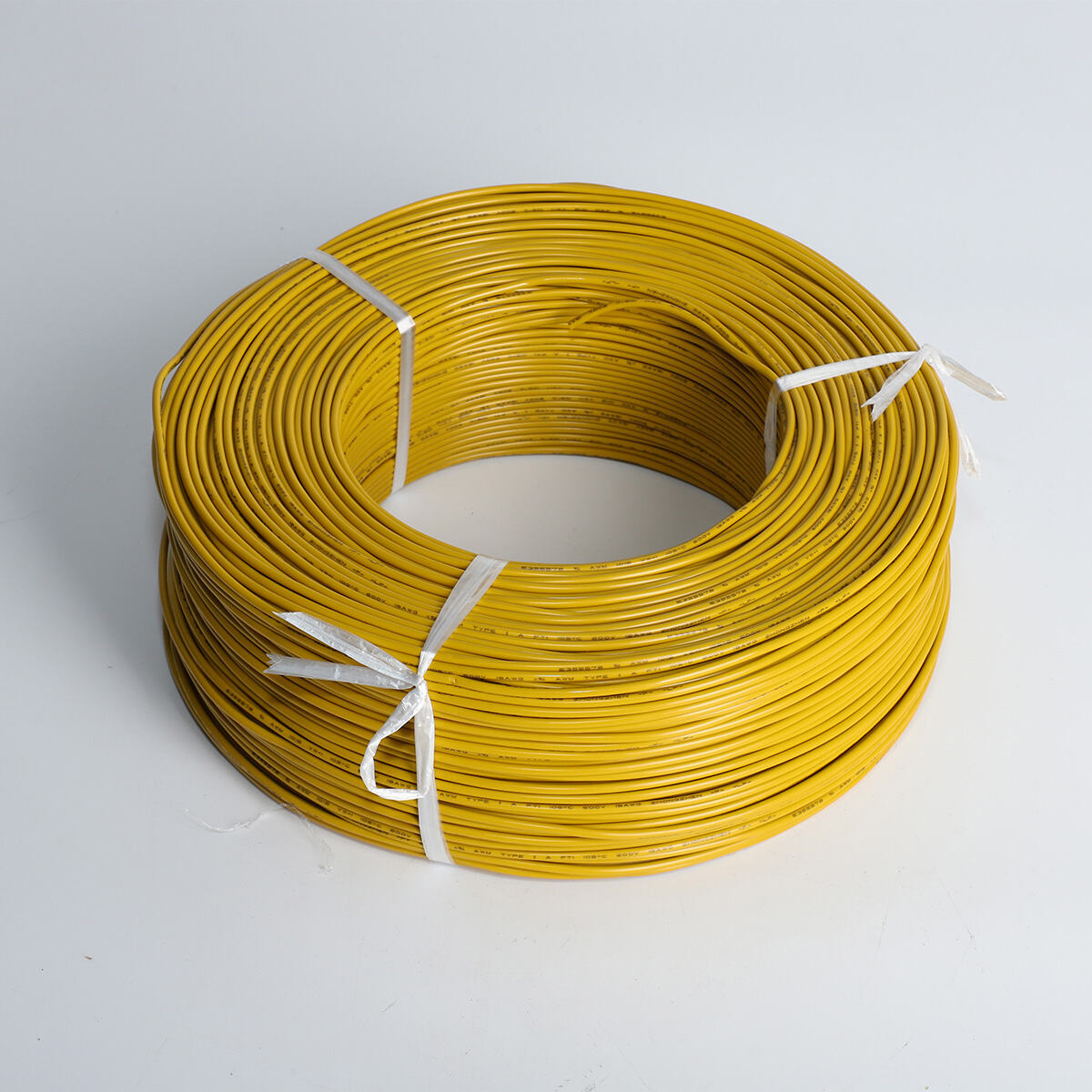
Certified electrical wires form the backbone of every safe and reliable electrical installation, whether in residential homes, commercial buildings, or industrial facilities. These essential components carry electrical current from power sources to endpoints, making their quality and certification crucial for preventing fires, electrical failures, and safety hazards. When selecting electrical wires for any project, understanding the importance of proper certification ensures compliance with safety standards while protecting both property and lives.
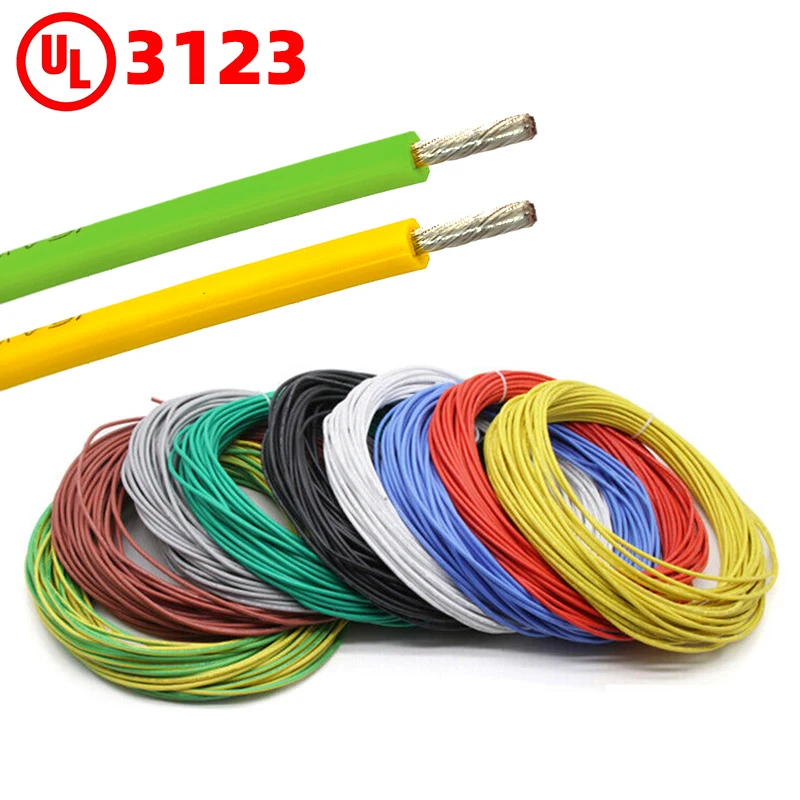
The electrical industry operates under strict regulatory frameworks that mandate specific safety standards for all wiring components. Professional electricians and contractors rely on certified products to ensure their installations meet local electrical codes and pass mandatory inspections. Without proper certification, even the most expertly installed electrical systems can pose serious risks and fail to provide the long-term reliability that modern applications demand.
Understanding Electrical Wire Certification Standards
UL Certification Requirements
Underwriters Laboratories (UL) certification represents the gold standard for electrical wire safety in North America. UL-listed electrical wires undergo rigorous testing procedures that evaluate their performance under various conditions including temperature extremes, mechanical stress, and environmental exposure. These comprehensive tests verify that the wires can safely carry their rated current without degradation or failure.
The UL certification process examines multiple aspects of wire construction, including conductor materials, insulation properties, and manufacturing quality control. Wire manufacturers must demonstrate consistent production standards and maintain ongoing quality assurance programs to retain their UL listing. This certification provides contractors and end users with confidence that the products meet established safety benchmarks and will perform reliably throughout their service life.
International Safety Standards
Beyond UL certification, electrical wires may also comply with international standards such as IEC (International Electrotechnical Commission) and CSA (Canadian Standards Association) requirements. These certifications ensure compatibility across different markets and applications while maintaining consistent safety levels. Global manufacturers often pursue multiple certifications to serve diverse markets and meet varying regulatory requirements in different regions.
International standards also address specific environmental and performance criteria that may differ from North American requirements. For example, European markets may emphasize different fire resistance ratings or environmental impact considerations. Understanding these various certification frameworks helps professionals select appropriate wire products for international projects or specialized applications that require specific compliance standards.
Safety Benefits of Certified Electrical Wires
Fire Prevention and Risk Mitigation
Certified electrical wires incorporate advanced insulation materials and construction techniques designed to minimize fire risks associated with electrical installations. The insulation systems used in these products undergo extensive flame resistance testing to ensure they will not contribute to fire propagation in the event of an electrical fault. This fire-resistant design provides critical safety margins that can prevent minor electrical issues from escalating into catastrophic building fires.
The conductor materials and wire construction also play vital roles in fire prevention. High-quality copper conductors with proper sizing and current ratings prevent overheating that could ignite surrounding materials. Certified electrical wires maintain their electrical properties even under stress conditions, reducing the likelihood of arc faults or other dangerous electrical phenomena that could spark fires.
Long-term Reliability and Performance
Certified electrical wires deliver superior long-term performance compared to uncertified alternatives, maintaining their electrical characteristics and mechanical properties throughout their design life. The materials and manufacturing processes used in certified products resist degradation from environmental factors such as moisture, temperature fluctuations, and chemical exposure. This durability translates into fewer maintenance requirements and reduced risk of unexpected failures that could disrupt operations or create safety hazards.
The enhanced reliability of certified electrical wires also contributes to overall system stability and performance. Consistent electrical properties ensure proper circuit operation and reduce voltage drop issues that can affect connected equipment. This reliability becomes particularly important in critical applications such as emergency lighting, fire safety systems, and essential building services where wire failure could have serious consequences.
Installation and Code Compliance Advantages
Meeting Local Electrical Codes
Local electrical codes typically require the use of certified electrical wires for all permanent installations, making compliance a legal necessity rather than just a best practice. These codes reference specific certification standards and may mandate particular wire types for different applications. Using certified products ensures that installations will pass electrical inspections and receive necessary permits for occupancy or operation.
Code compliance also affects insurance coverage and liability considerations for property owners and contractors. Insurance companies may deny claims related to electrical fires or failures if investigations reveal the use of non-certified electrical wires or improper installations. Professional electricians understand these implications and consistently specify certified products to protect their clients and their own professional liability.
Professional Installation Requirements
Licensed electricians are required to use certified electrical wires in their installations to maintain their professional credentials and comply with industry standards. Electrical contractor licenses and certifications depend on adherence to established safety practices, including the use of properly certified components. Deviation from these requirements can result in license suspension, professional sanctions, or legal liability in case of accidents or failures.
The installation of certified electrical wires also requires proper techniques and tools to maintain the integrity of the certification. Certified products come with specific installation guidelines that must be followed to ensure continued compliance with safety standards. Professional electricians receive training on these installation requirements and understand how to properly handle, route, and terminate certified electrical wires according to manufacturer specifications and industry best practices.
Quality Assurance and Manufacturing Standards
Material Quality Control
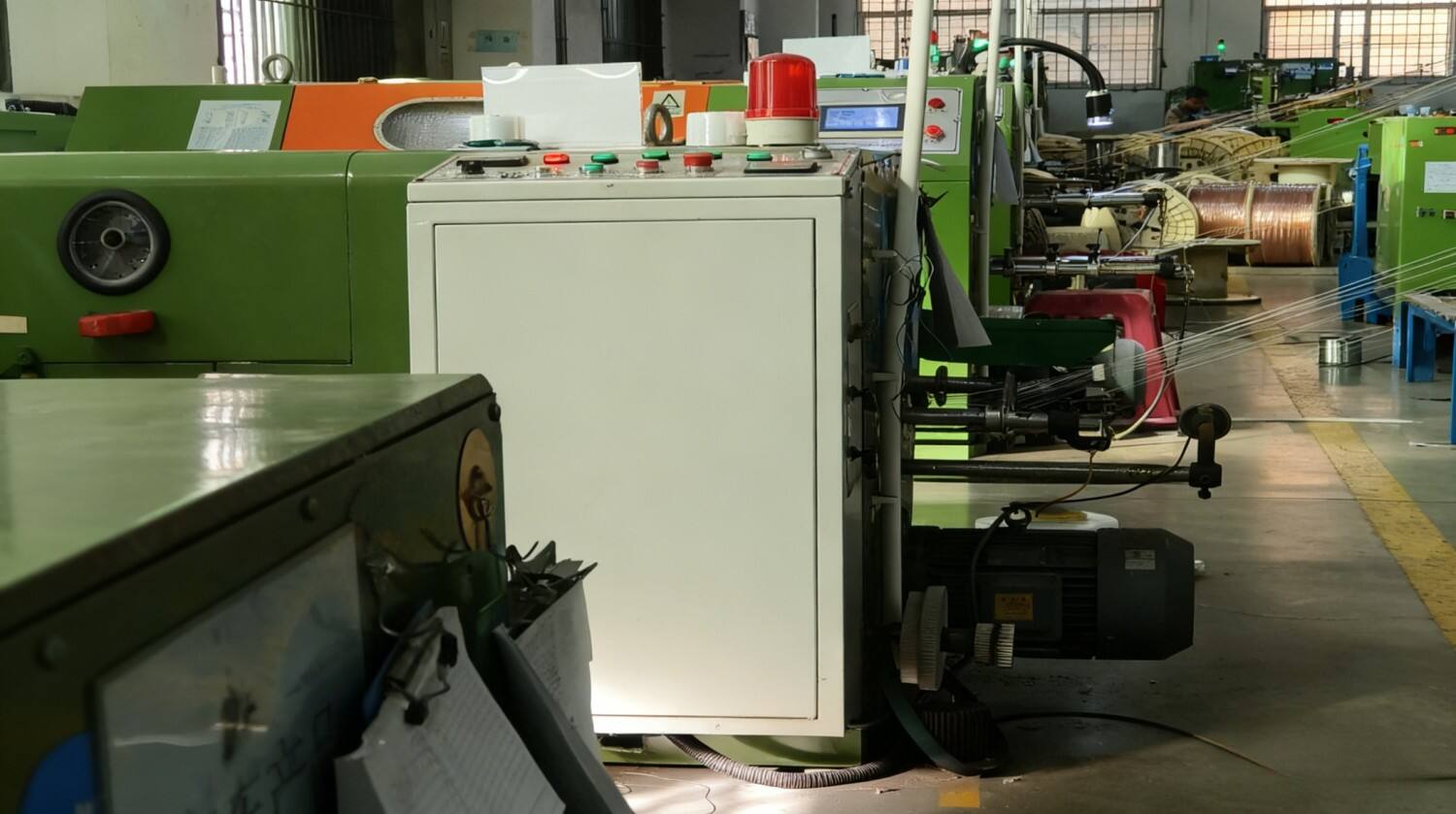
Certified electrical wire manufacturers implement comprehensive quality control systems that monitor every aspect of the production process, from raw material selection to final product testing. The conductor materials used in certified wires meet strict purity and performance standards, ensuring optimal electrical conductivity and mechanical properties. Copper conductors undergo testing for tensile strength, conductivity, and resistance to corrosion to verify they meet specification requirements.
Insulation materials receive similar scrutiny, with testing protocols that evaluate thermal stability, electrical breakdown strength, and environmental resistance. The manufacturing processes themselves are monitored to ensure consistent application of insulation thickness, proper adhesion to conductors, and uniform product dimensions. This level of quality control is only possible through certified manufacturing facilities that maintain appropriate testing equipment and trained quality assurance personnel.
Traceability and Documentation
Certified electrical wires come with comprehensive documentation that provides traceability throughout the supply chain and installation process. This documentation includes certification numbers, test reports, and manufacturing date codes that allow verification of compliance with applicable standards. For critical installations, this traceability becomes essential for maintenance planning, warranty claims, and regulatory compliance audits.
The documentation systems associated with certified electrical wires also support proper inventory management and quality assurance programs for electrical contractors and facility managers. Batch tracking capabilities allow identification of specific wire runs in case of manufacturing defects or field performance issues. This level of documentation control provides valuable protection against liability claims and supports efficient maintenance operations throughout the system lifecycle.
Economic Considerations and Total Cost of Ownership
Initial Investment vs Long-term Value
While certified electrical wires may carry higher initial costs compared to uncertified alternatives, the total cost of ownership typically favors certified products over their service life. The enhanced reliability and durability of certified wires reduce maintenance costs, minimize downtime, and decrease the likelihood of costly repairs or replacements. These long-term savings often exceed the modest premium paid for certified products at the time of installation.
The economic benefits of certified electrical wires extend beyond direct maintenance savings to include reduced insurance premiums, improved system efficiency, and enhanced property values. Many insurance providers offer reduced rates for buildings with properly certified electrical systems, recognizing the lower risk profile associated with compliant installations. Energy efficiency improvements from properly rated and installed certified wires also contribute to ongoing operational cost reductions.
Risk Management and Liability Protection
Using certified electrical wires provides significant protection against liability claims and regulatory penalties that could result from electrical failures or safety incidents. The certification process creates a documented chain of compliance that demonstrates due diligence in product selection and installation practices. This documentation becomes crucial evidence in legal proceedings and can significantly reduce exposure to damage claims or regulatory sanctions.
Professional contractors also benefit from the liability protection offered by certified electrical wires through reduced professional insurance costs and improved client confidence. Many commercial and industrial clients specifically require the use of certified components in their electrical specifications, making compliance a competitive necessity for contractors serving these markets. The reputation benefits of consistent quality and safety performance also contribute to long-term business success and client relationships.
FAQ
What certifications should I look for when selecting electrical wires?
Look for UL listing as the primary certification for North American installations, along with any local or regional certifications required by your electrical code. Additional certifications such as CSA, IEC, or specific industry standards may be required depending on your application and location. Always verify that the certification covers your specific wire gauge, voltage rating, and intended use.
How can I verify that electrical wires are properly certified?
Certified electrical wires display certification markings directly on the wire jacket, including the certification agency symbol, product identification numbers, and relevant standard references. You can verify these markings against the certifying agency's database or contact the manufacturer for confirmation. Always purchase from reputable suppliers who can provide proper documentation and certificates of compliance.
Are there specific applications where certified electrical wires are legally required?
Most electrical codes require certified wires for all permanent installations in commercial, industrial, and residential buildings. Specific requirements vary by jurisdiction, but typically include all branch circuits, feeders, and service conductors. Temporary installations may have different requirements, but certified wires are still recommended for safety and liability protection.
What happens if I use non-certified electrical wires in my installation?
Using non-certified electrical wires can result in failed inspections, permit denials, insurance claim rejections, and potential legal liability in case of accidents or failures. Electrical inspectors will typically require replacement of non-certified wires before approving an installation. The costs and delays associated with remediation typically exceed any savings from using non-certified products initially.