EN
EN


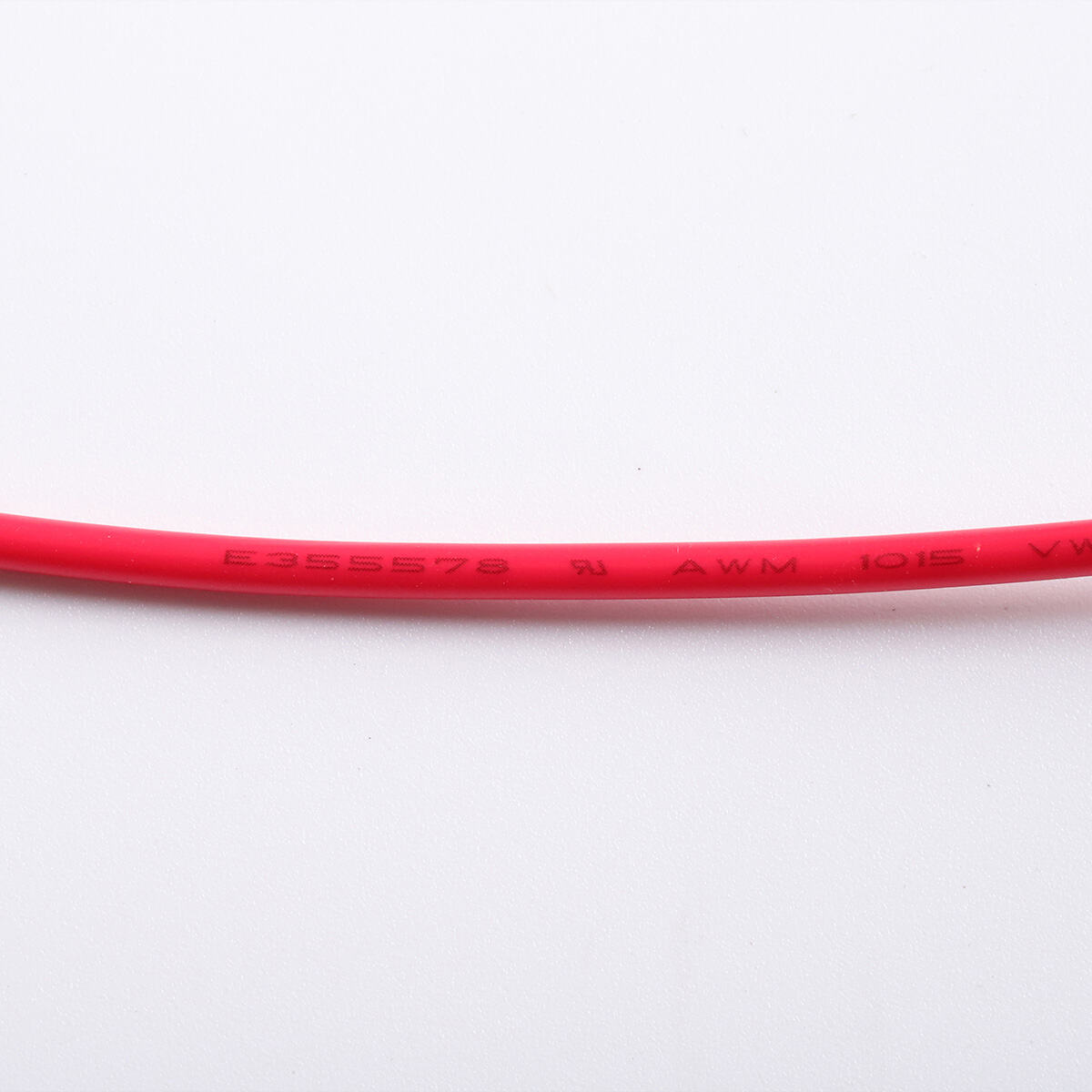
Modern homes depend heavily on safe and reliable electrical systems, making the selection of appropriate electrical cables for house wiring a critical decision for homeowners and contractors alike. The quality and specifications of these cables directly impact not only the functionality of electrical systems but also the overall safety of residential properties. Understanding the various types, applications, and safety benefits of proper electrical cable selection can help prevent electrical hazards, reduce fire risks, and ensure long-term system reliability.
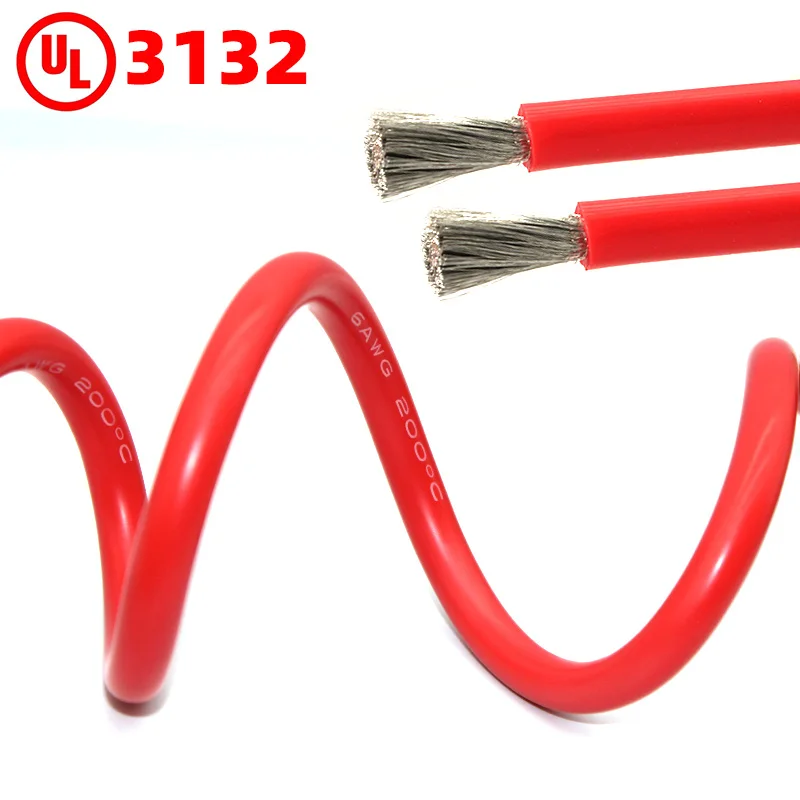
The electrical infrastructure of residential buildings requires careful planning and implementation to meet current safety standards while accommodating future electrical needs. Professional electricians and homeowners must consider factors such as amperage requirements, environmental conditions, and local building codes when selecting wiring solutions. The proper installation of high-quality electrical cables forms the foundation of a safe and efficient home electrical system.
Understanding Cable Construction and Safety Features
Conductor Materials and Performance
The conductor material plays a fundamental role in the safety and performance of electrical cables for house wiring. Copper conductors remain the preferred choice for residential applications due to their excellent electrical conductivity, corrosion resistance, and mechanical durability. These properties ensure consistent electrical flow while minimizing heat generation, which directly contributes to fire prevention and system longevity.
Tinned copper conductors offer enhanced protection against oxidation and corrosion, particularly in humid environments or areas exposed to chemical vapors. This additional protection layer extends the service life of the wiring system and maintains optimal electrical performance over time. The improved conductivity characteristics of quality copper conductors also reduce energy losses, contributing to overall electrical efficiency in residential applications.
Insulation Technology and Protection
Advanced insulation materials provide crucial safety barriers that prevent electrical faults, short circuits, and potential fire hazards. Modern electrical cables feature insulation systems designed to withstand various environmental stresses including temperature fluctuations, moisture exposure, and mechanical stress. These insulation technologies maintain their protective properties throughout the expected service life of the installation.
Silicone rubber insulation offers superior flexibility and temperature resistance compared to traditional insulation materials. This enhanced flexibility facilitates easier installation in tight spaces and reduces the risk of insulation damage during cable routing. The temperature stability of silicone insulation ensures consistent protection even under varying thermal conditions commonly encountered in residential environments.
Safety Benefits of Quality Electrical Wiring
Fire Prevention and Electrical Safety
Properly selected and installed electrical cables for house wiring significantly reduce the risk of electrical fires, which account for a substantial percentage of residential fire incidents annually. Quality cables with appropriate amperage ratings prevent overheating conditions that can lead to insulation breakdown and subsequent fire hazards. The thermal stability of professional-grade cables ensures safe operation even under maximum load conditions.
Advanced cable designs incorporate safety features such as flame-retardant materials and low-smoke insulation compounds. These characteristics help contain potential fire incidents and reduce toxic smoke production, providing valuable time for occupant evacuation and emergency response. The investment in quality electrical cables represents a proactive approach to residential fire prevention.
Electrical Shock Protection
Modern electrical cables provide multiple layers of protection against electrical shock hazards through advanced insulation systems and proper grounding configurations. The robust insulation materials used in quality cables maintain their dielectric strength over extended periods, preventing current leakage that could create shock hazards for occupants. This protection is particularly important in areas with high moisture levels such as kitchens, bathrooms, and basements.
Ground fault protection capabilities built into modern electrical systems work in conjunction with properly installed electrical cables to detect and interrupt dangerous ground faults before they can cause injury. The reliable performance of quality cables ensures that safety systems function as designed, providing comprehensive protection for residential occupants.
Installation Considerations and Best Practices
Code Compliance and Standards
Electrical installation codes and standards provide essential guidelines for safe residential wiring practices. These regulations specify minimum requirements for cable types, installation methods, and safety provisions that must be observed in all residential electrical work. Compliance with these standards ensures that electrical installations meet established safety benchmarks and provide reliable long-term performance.
Professional installation by qualified electricians ensures proper compliance with local electrical codes and manufacturer specifications. Proper installation techniques, including appropriate cable support, protection from physical damage, and correct termination methods, are essential for realizing the full safety benefits of quality electrical cables. Regular inspection and maintenance of electrical systems help identify potential issues before they become safety hazards.
Environmental and Load Considerations
The selection of appropriate electrical cables must account for specific environmental conditions and electrical load requirements within the residential installation. Factors such as ambient temperature, moisture levels, chemical exposure, and mechanical stress influence cable performance and longevity. Proper cable selection ensures reliable operation under all anticipated service conditions.
Load calculation and circuit design considerations help determine the appropriate cable sizes and configurations for different residential applications. Oversized cables provide additional safety margins and accommodate future electrical expansion, while properly sized cables ensure efficient operation without unnecessary material costs. Professional load analysis ensures optimal cable selection for each specific application.
Technology Advances in Residential Wiring
Smart Home Integration
Modern electrical cables for house wiring must accommodate the growing demands of smart home technologies and increased electrical loads. Advanced cable designs provide enhanced signal integrity and reduced electromagnetic interference, ensuring reliable operation of sensitive electronic systems. These capabilities support the integration of home automation, security systems, and energy management technologies.
Future-ready cable installations incorporate provisions for emerging technologies such as electric vehicle charging, renewable energy systems, and advanced home automation platforms. The flexibility and performance characteristics of quality electrical cables enable seamless integration of these technologies without requiring extensive rewiring or system modifications.
Energy Efficiency and Performance
High-quality electrical cables contribute to overall energy efficiency through reduced resistive losses and improved system performance. Lower resistance conductors minimize energy waste during electrical transmission, resulting in reduced utility costs and environmental impact. The long-term economic benefits of efficient electrical systems often offset the initial investment in quality cables.
Advanced cable technologies support power factor correction and harmonic mitigation strategies that improve overall electrical system efficiency. These capabilities become increasingly important as residential electrical loads become more complex and include greater numbers of electronic devices and non-linear loads.
Maintenance and Longevity Factors
Service Life and Reliability
The service life of residential electrical systems depends heavily on the quality and proper installation of electrical cables. High-quality cables with robust insulation systems and corrosion-resistant conductors provide decades of reliable service with minimal maintenance requirements. This longevity reduces the need for costly rewiring projects and minimizes electrical system downtime.
Predictable performance characteristics of quality electrical cables enable accurate service life planning and maintenance scheduling. Regular inspection programs can identify potential issues before they result in system failures or safety hazards, ensuring continued safe operation throughout the cable service life.
Troubleshooting and Repair Considerations
Quality electrical cables facilitate easier troubleshooting and repair procedures when electrical issues occur. Clear identification markings, consistent performance characteristics, and reliable connection points enable efficient problem diagnosis and resolution. These features reduce repair costs and minimize system downtime during maintenance activities.
The compatibility of quality cables with standard electrical components and termination hardware simplifies replacement and upgrade procedures. This compatibility ensures that electrical cables for house wiring can be maintained and serviced using readily available materials and standard installation techniques.
FAQ
What are the key safety features to look for in residential electrical cables
Essential safety features include flame-retardant insulation materials, appropriate amperage ratings for the intended application, corrosion-resistant conductors, and compliance with relevant electrical codes. Look for cables with robust insulation systems that maintain their protective properties over time and provide reliable electrical isolation. Quality cables should also feature clear identification markings and specifications that facilitate proper installation and maintenance.
How do I determine the correct cable size for different household circuits
Cable size selection depends on the electrical load requirements, circuit length, and applicable electrical codes. General lighting circuits typically use 14 AWG cables, while outlets and higher-load applications require 12 AWG or larger cables. Kitchen appliances, electric water heaters, and air conditioning systems often require specialized heavy-duty cables. Professional load calculations and code compliance verification ensure proper cable sizing for safe operation.
What maintenance is required for residential electrical cables
Routine maintenance includes visual inspection for physical damage, checking connections for tightness and corrosion, and monitoring for signs of overheating or electrical faults. Professional electrical inspections should be conducted periodically to verify system integrity and identify potential issues before they become safety hazards. Most quality residential electrical cables require minimal maintenance when properly installed and protected from physical damage.
How long do residential electrical cables typically last
High-quality residential electrical cables can provide reliable service for 30 to 50 years or more when properly installed and maintained. The actual service life depends on factors such as environmental conditions, electrical loads, installation quality, and maintenance practices. Regular inspection and proactive maintenance help maximize cable service life and ensure continued safe operation throughout the expected service period.