EN
EN


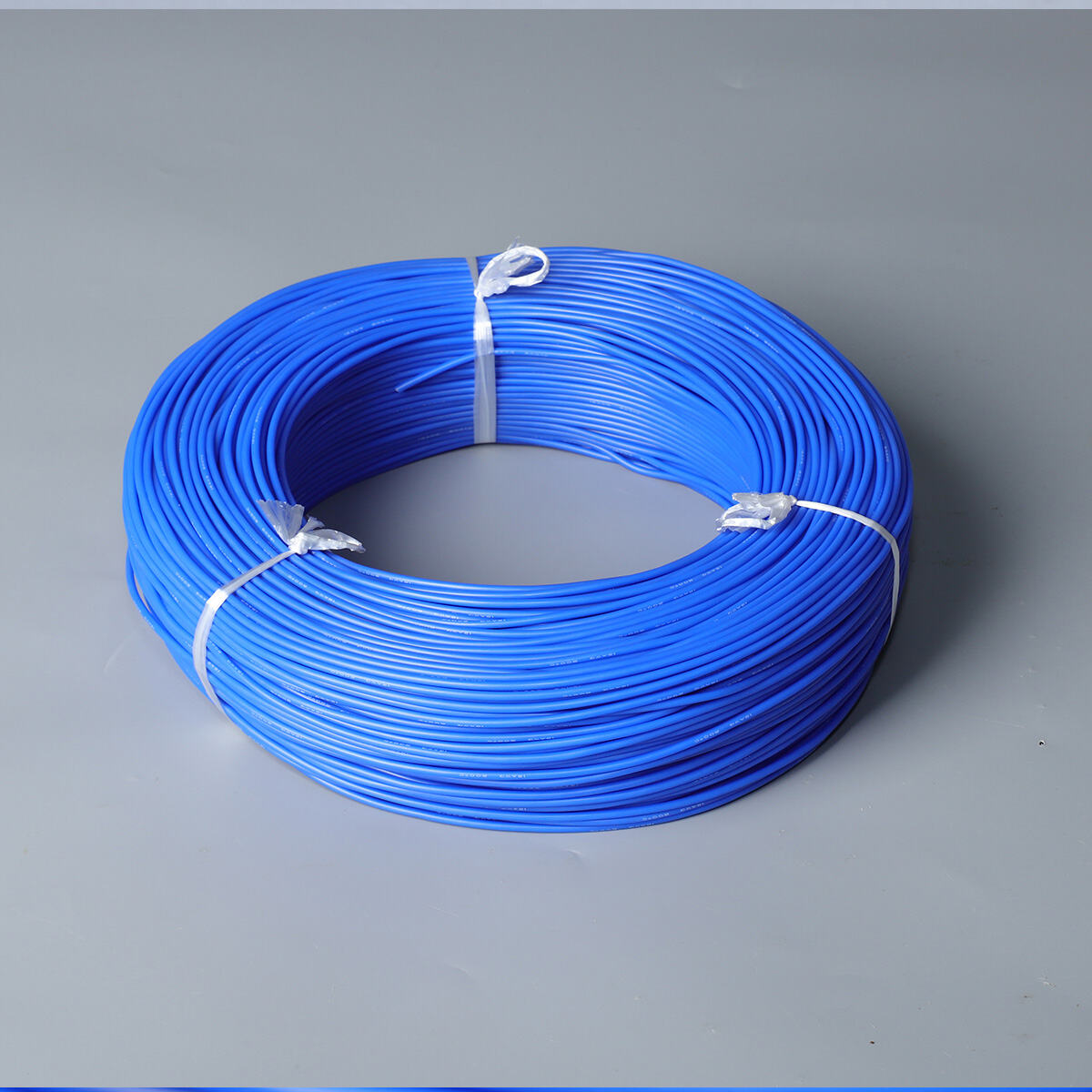
When planning a home electrical project, selecting the right electrical cables for house wiring is crucial for both safety and long-term performance. Many homeowners underestimate the complexity of choosing appropriate wiring materials, often focusing solely on cost rather than quality specifications. The wrong cable selection can lead to electrical hazards, code violations, and costly repairs down the line. Understanding key factors before purchasing ensures your electrical system operates safely and efficiently for years to come.
Understanding Cable Types and Applications
Common Residential Cable Categories
Residential electrical systems typically utilize several distinct cable types, each designed for specific applications and environments. Non-metallic sheathed cable, commonly known as Romex, remains the most popular choice for interior wiring in dry locations. This cable features multiple insulated conductors wrapped in a protective plastic sheath, making installation straightforward for most household circuits. Armored cable offers enhanced protection with its metal jacket, ideal for areas requiring additional mechanical protection or where local codes mandate armored wiring.
Underground feeder cable serves outdoor applications, featuring moisture-resistant insulation and burial-rated construction. These cables withstand direct earth contact and temperature variations while maintaining electrical integrity. Service entrance cables connect your home to the utility grid, requiring heavy-duty construction to handle high amperage safely. Each cable type addresses specific installation requirements, environmental conditions, and safety considerations that directly impact your electrical system's reliability.
Wire Gauge and Current Capacity
Wire gauge directly determines current-carrying capacity, making it essential to match cable size with circuit requirements. The American Wire Gauge system uses inverse numbering, where smaller numbers indicate larger wire diameters and higher amperage ratings. Standard household circuits utilize 14 AWG for 15-amp circuits, 12 AWG for 20-amp circuits, and 10 AWG for 30-amp applications like electric dryers or water heaters. Undersized wiring creates dangerous conditions, including overheating, voltage drops, and potential fire hazards.
Proper gauge selection also considers circuit length, as voltage drop increases with distance. Longer runs may require upgrading to larger wire sizes to maintain adequate voltage at the load. Professional electricians often use voltage drop calculations to determine optimal wire sizing for extended circuits. Quality electrical cables for house wiring ensure consistent performance across various gauge sizes and installation conditions.
Safety Standards and Code Compliance
National Electrical Code Requirements
The National Electrical Code establishes minimum safety standards for electrical installations throughout the United States. These comprehensive regulations specify acceptable cable types, installation methods, and performance requirements for residential wiring systems. NEC compliance ensures your electrical work meets established safety benchmarks and passes official inspections. Local authorities may adopt additional requirements beyond NEC minimums, making it essential to verify specific code requirements in your jurisdiction.
Code violations can result in failed inspections, insurance complications, and safety hazards that endanger occupants. Many municipalities require electrical permits for significant wiring projects, with inspections verifying code compliance at various installation stages. Professional electricians stay current with code changes and local amendments, ensuring all work meets applicable standards. Homeowners should always verify that their chosen cables carry appropriate listings and certifications for intended applications.
Certification and Testing Standards
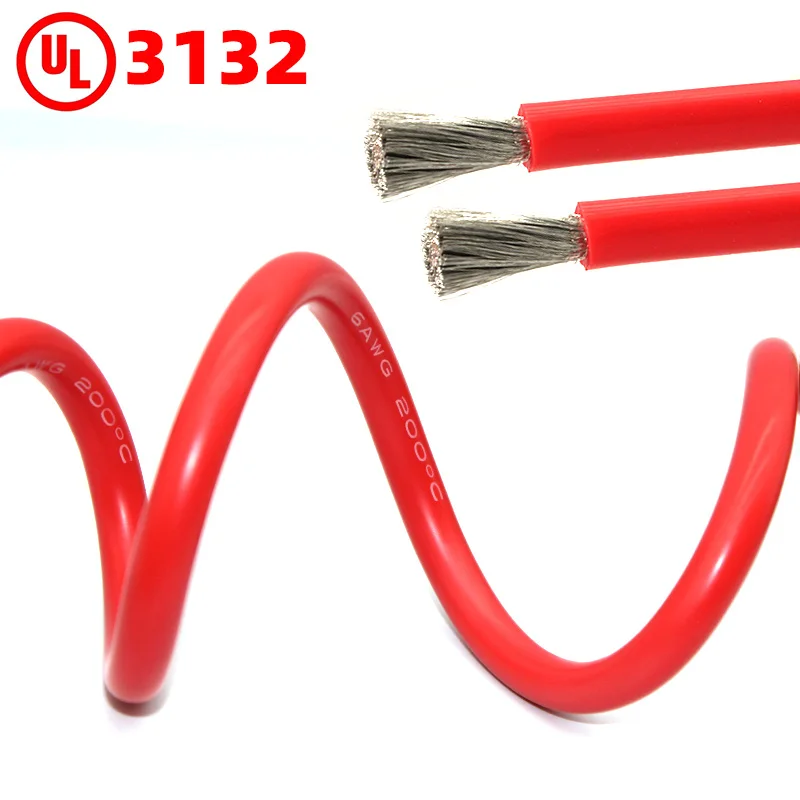
Reputable manufacturers submit their electrical cables for house wiring to rigorous third-party testing through organizations like Underwriters Laboratories or Canadian Standards Association. These certifications verify that cables meet specific performance criteria for insulation integrity, current capacity, and environmental resistance. Listed products display certification marks, providing assurance that the cable has undergone appropriate safety testing and quality verification processes.
Testing standards evaluate multiple performance aspects, including flame resistance, temperature ratings, and mechanical durability. Cables must demonstrate consistent performance across their rated operating range while maintaining safety margins under adverse conditions. Quality manufacturers provide detailed specifications and test reports, enabling informed purchasing decisions based on verified performance data rather than marketing claims alone.
Material Quality and Construction Features
Conductor Materials and Properties
Copper conductors dominate residential wiring applications due to their excellent electrical conductivity, corrosion resistance, and mechanical properties. High-quality copper ensures minimal resistance losses and reliable connections over time. Some manufacturers offer aluminum conductors for specific applications, though these require special handling techniques and compatible connections to prevent oxidation issues. Tinned copper provides enhanced corrosion protection in demanding environments, extending cable lifespan in moisture-prone installations.
Conductor stranding affects flexibility and installation ease, with solid conductors offering better termination characteristics for permanent connections. Stranded conductors provide superior flexibility for applications requiring frequent movement or tight bending radii. The conductor's surface finish impacts connection quality, with clean, uniform surfaces ensuring optimal contact resistance and long-term reliability in electrical joints.
Insulation Systems and Environmental Protection
Modern insulation systems utilize advanced polymer compounds designed for specific operating conditions and environmental exposures. Thermoplastic insulations like PVC offer excellent electrical properties and cost-effectiveness for standard indoor applications. Cross-linked polyethylene provides superior temperature resistance and mechanical strength, making it suitable for demanding applications or high-temperature environments. Thermoset rubber insulations deliver exceptional flexibility and environmental resistance for specialized installations.
Environmental protection features address moisture, sunlight, chemical exposure, and temperature extremes that cables may encounter during their service life. Sunlight-resistant jackets prevent ultraviolet degradation in outdoor installations, while moisture barriers protect against water ingress in damp locations. Chemical-resistant formulations withstand exposure to cleaning agents, oils, and industrial chemicals commonly found in residential and light commercial environments.
Installation Considerations and Compatibility
Routing and Mechanical Protection
Cable routing significantly impacts installation difficulty, system reliability, and future maintenance accessibility. Planning optimal pathways before purchasing cables ensures adequate lengths while minimizing waste and connection points. Consider wall framing, insulation placement, and mechanical systems when determining cable routes through residential structures. Proper routing reduces stress on cables during installation and throughout their operational lifetime.
Mechanical protection requirements vary based on installation location and potential damage sources. Areas subject to physical impact may require armored cables or additional protective measures like conduit systems. Exposed cable runs in basements, garages, or utility areas need appropriate protection from accidental damage during maintenance activities or equipment installation. Quality cables incorporate design features that resist common installation stresses while maintaining electrical integrity.
Connection Methods and Compatibility
Electrical connections represent critical points in any wiring system, requiring careful attention to compatibility between cables and termination hardware. Wire nuts, push-in connectors, and terminal blocks must match conductor sizes and insulation types for reliable connections. Some specialty cables require specific connection methods or compatible hardware to ensure proper electrical and mechanical performance over time.
Temperature cycling, vibration, and environmental factors can affect connection integrity if incompatible materials or improper techniques are used. Quality electrical cables for house wiring feature consistent dimensions and material properties that facilitate reliable connections with standard residential hardware. Manufacturers often provide specific installation guidelines and recommended connection methods for optimal performance in residential applications.
Cost Factors and Long-Term Value
Initial Investment vs. Lifecycle Costs
While premium electrical cables for house wiring command higher initial prices, they often deliver superior long-term value through enhanced reliability, extended service life, and reduced maintenance requirements. Quality materials and construction reduce failure rates, minimizing costly repairs and system downtime. Energy efficiency considerations also factor into total cost of ownership, as high-quality conductors minimize resistive losses and associated energy waste.
Installation efficiency impacts labor costs significantly, with quality cables often featuring design characteristics that simplify pulling, stripping, and termination procedures. Reduced installation time translates directly into lower labor expenses for professional installations or time savings for DIY projects. Planning purchases around complete circuit requirements can also yield cost savings through bulk purchasing while ensuring consistent cable specifications throughout the installation.
Warranty Coverage and Manufacturer Support
Reputable manufacturers stand behind their products with comprehensive warranty coverage that reflects confidence in material quality and manufacturing processes. Warranty terms typically address manufacturing defects, premature failures, and performance issues under normal operating conditions. Understanding warranty coverage helps evaluate total product value and provides recourse if problems develop during the coverage period.
Technical support availability can prove valuable during installation or troubleshooting situations, particularly for specialized applications or unique installation challenges. Manufacturers with strong support programs provide installation guidelines, specification clarifications, and problem-solving assistance that adds value beyond the product itself. This support infrastructure becomes especially important for complex projects or applications pushing cable performance limits.
FAQ
What wire gauge should I use for different household circuits
Standard residential circuits require specific wire gauges based on their amperage rating and intended use. Use 14 AWG wire for 15-amp circuits serving general lighting and outlets, 12 AWG for 20-amp circuits in kitchens and bathrooms, and 10 AWG for 30-amp circuits serving major appliances like electric dryers or ranges. Always consult local electrical codes and consider voltage drop calculations for longer circuit runs that may require larger wire sizes.
How do I verify that electrical cables meet safety standards
Look for certification marks from recognized testing laboratories such as UL, CSA, or ETL on the cable jacket or packaging. These marks indicate the cable has undergone rigorous testing for safety, performance, and code compliance. Verify that the certification covers your specific application and installation conditions. Avoid unmarked or questionably certified cables, as they may not meet safety requirements and could create liability issues.
Can I mix different cable brands in the same electrical system
Yes, you can use different cable brands within the same electrical system provided each cable meets applicable codes and specifications for its intended application. Ensure all cables carry appropriate certifications and match the required wire gauge, insulation rating, and environmental specifications for each circuit. Maintain consistent connection methods and hardware compatibility regardless of cable manufacturer to ensure reliable system performance.
What environmental factors should I consider when selecting electrical cables
Consider temperature extremes, moisture exposure, sunlight, and potential chemical contact when selecting electrical cables for house wiring. Indoor applications typically use standard thermoplastic insulation, while outdoor or damp locations require moisture-resistant or waterproof cables. Areas with temperature extremes need cables rated for the expected operating range. Exposed installations require UV-resistant jackets, and areas with potential chemical exposure need chemically compatible insulation materials.