EN
EN


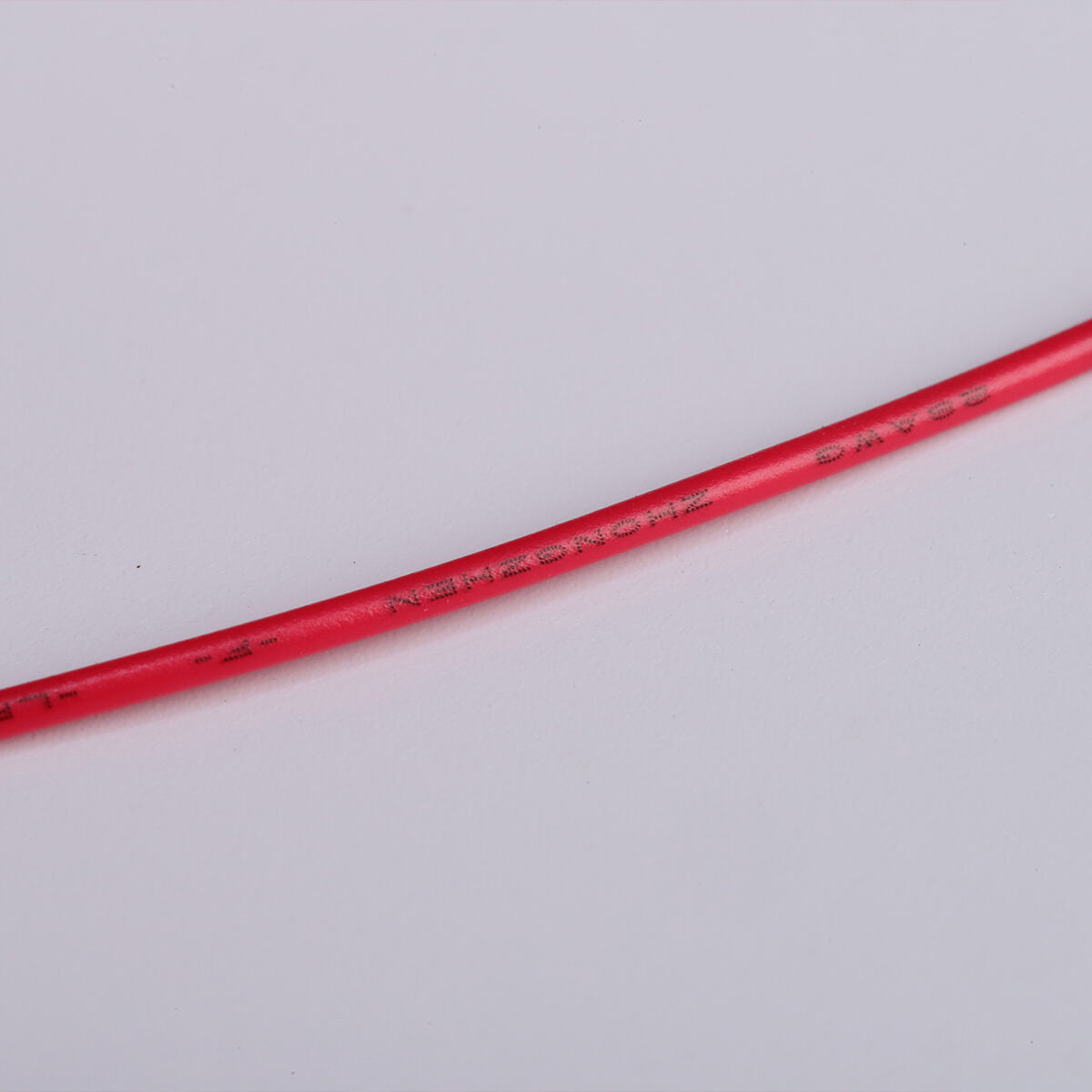
Modern home renovations demand more than just aesthetic upgrades and structural improvements. Behind every successful renovation project lies a robust electrical infrastructure that ensures safety, efficiency, and compliance with current building codes. Quality electrical cables for house wiring form the backbone of any residential electrical system, supporting everything from basic lighting circuits to advanced smart home technologies. Understanding the critical role these components play can mean the difference between a renovation that adds lasting value to your property and one that creates costly problems down the road.
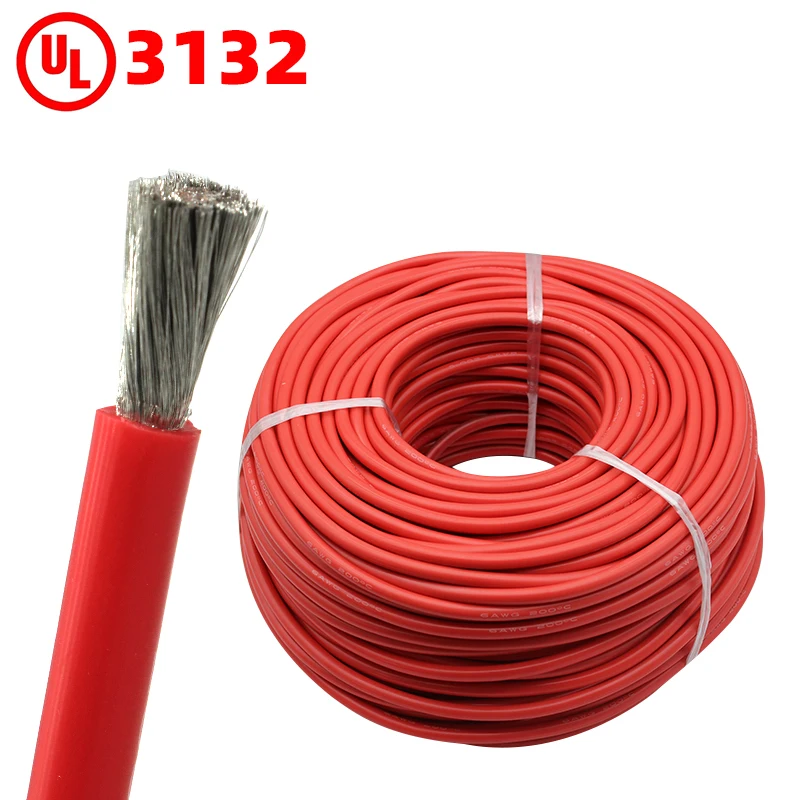
The electrical demands of contemporary homes have evolved dramatically over the past decade. Where once a handful of outlets per room sufficed, today's homeowners require extensive power distribution networks to support multiple devices, high-efficiency appliances, and integrated home automation systems. This transformation has placed unprecedented importance on selecting appropriate wiring solutions that can handle increased electrical loads while maintaining optimal safety standards throughout the residential structure.
Understanding Modern Electrical Infrastructure Requirements
Evolving Power Consumption Patterns
Contemporary households consume significantly more electricity than their predecessors, driven by the proliferation of electronic devices, energy-efficient appliances, and smart home systems. This increased demand requires electrical cables for house wiring that can safely handle higher amperage loads without compromising performance or creating fire hazards. Modern cables must accommodate everything from basic lighting circuits drawing minimal current to high-power appliances like electric vehicle chargers that require substantial electrical capacity.
The shift toward renewable energy sources has also influenced wiring requirements in home renovations. Solar panel installations, battery storage systems, and grid-tie inverters all demand specialized electrical connections that can handle both DC and AC power distribution. These systems require cables with enhanced insulation properties and superior conductivity to ensure maximum energy transfer efficiency while maintaining long-term reliability under varying environmental conditions.
Code Compliance and Safety Standards
Electrical codes have become increasingly stringent as authorities recognize the critical importance of proper wiring installation in preventing fires and electrical accidents. The National Electrical Code updates regularly to address emerging technologies and safety concerns, making it essential for renovation projects to utilize cables that meet or exceed current standards. Compliance with these regulations not only ensures safety but also protects homeowners from potential liability issues and insurance complications.
Modern safety standards emphasize the importance of proper cable selection based on specific application requirements. Different areas of the home may require cables with varying temperature ratings, moisture resistance levels, and fire retardant properties. Kitchen circuits, for example, need cables that can withstand higher temperatures and potential moisture exposure, while basement installations may require enhanced protection against humidity and temperature fluctuations.
Quality Factors That Impact Long-Term Performance
Conductor Material and Construction
The quality of conductor materials directly affects the performance and longevity of electrical cables for house wiring installations. High-grade copper conductors offer superior conductivity compared to aluminum alternatives, resulting in lower resistance, reduced heat generation, and improved energy efficiency. Tinned copper conductors provide additional benefits by resisting corrosion and oxidation, particularly important in areas with high humidity or exposure to moisture.
Stranded conductor construction offers advantages over solid core designs in many residential applications. The flexibility of stranded cables makes installation easier in tight spaces and reduces stress on connections during thermal expansion and contraction cycles. This construction method also provides better resistance to vibration and mechanical stress, contributing to longer cable life and more reliable electrical connections throughout the home's electrical system.
Insulation Technology and Protection
Advanced insulation materials play a crucial role in ensuring safe and reliable electrical distribution throughout residential properties. Modern insulation compounds offer superior temperature resistance, allowing cables to operate safely under higher electrical loads without degradation. Silicone rubber insulation, for example, maintains its protective properties across extreme temperature ranges while providing excellent flexibility for easier installation in complex routing situations.
The protective qualities of cable insulation extend beyond temperature resistance to include moisture protection, chemical resistance, and fire retardancy. High-quality insulation materials help prevent electrical faults that could lead to dangerous situations or costly repairs. These materials also contribute to the cable's ability to maintain consistent electrical properties over extended periods, ensuring reliable power distribution throughout the home's operational lifetime.
Installation Considerations for Optimal Performance
Proper Sizing and Load Calculations
Accurate load calculations form the foundation of any successful electrical renovation project. Understanding the current and future power requirements of each circuit helps determine the appropriate cable size and type needed for safe and efficient operation. Undersized cables can lead to voltage drops, overheating, and potential fire hazards, while oversized cables represent unnecessary expense and installation challenges without providing proportional benefits.
Professional load analysis considers not only current electrical demands but also anticipated future needs. Home renovation projects provide an ideal opportunity to upgrade electrical infrastructure to support potential additions like electric vehicle charging stations, home workshops, or expanded living spaces. Forward-thinking cable selection ensures that the electrical system can accommodate these future enhancements without requiring costly rewiring projects.
Environmental Factors and Protection
Installation environments significantly impact cable performance and longevity. Moisture exposure, temperature extremes, and physical stress all affect how well electrical cables for house wiring perform over time. Proper cable selection must account for these environmental factors to ensure reliable operation and prevent premature failure that could compromise electrical safety or require expensive replacement work.
Different areas of the home present unique challenges that influence cable selection criteria. Attic installations must withstand extreme temperature variations, while basement routes may encounter moisture and potential flooding. Exterior applications require cables with enhanced UV resistance and weatherproofing capabilities to maintain performance despite exposure to environmental elements throughout changing seasons.
Economic Benefits of Quality Cable Selection
Long-Term Cost Considerations
Investing in quality electrical cables during renovation projects provides substantial long-term economic benefits that far outweigh the initial cost differential. Premium cables typically offer extended service life, reduced maintenance requirements, and lower failure rates compared to budget alternatives. This reliability translates into fewer service calls, reduced downtime, and protection against costly emergency repairs that often occur at inconvenient times.
Energy efficiency represents another significant economic advantage of quality cable selection. High-grade conductors with superior conductivity reduce power losses during transmission, resulting in lower electricity bills over the cable's operational lifetime. While these savings may seem modest on a monthly basis, they accumulate substantially over the decades-long service life expected from quality electrical installations.
Property Value Enhancement
Modern electrical infrastructure adds measurable value to residential properties, particularly in competitive real estate markets where buyers prioritize safety and functionality. Up-to-date electrical systems with quality wiring demonstrate proper maintenance and forward-thinking ownership, attributes that appeal to discerning buyers and often justify premium pricing during property sales.
Insurance benefits also contribute to the economic advantages of quality electrical installations. Many insurance providers offer reduced premiums for homes with recently updated electrical systems that meet current safety standards. These savings, combined with reduced risk of electrical fires and related damage claims, provide ongoing financial benefits that help justify the initial investment in quality materials and professional installation services.
Future-Proofing Your Electrical Investment
Smart Home Integration Capabilities
The rapid evolution of smart home technology requires electrical infrastructure capable of supporting increasingly sophisticated automation systems. Quality electrical cables provide the foundation for reliable communication between smart devices, ensuring consistent performance of integrated lighting controls, security systems, and energy management platforms. Proper cable selection today prevents compatibility issues and infrastructure limitations that could restrict future technology adoption.
Advanced home automation systems often require dedicated low-voltage wiring alongside traditional power circuits. Quality cable installations can accommodate these mixed requirements through careful planning and appropriate conductor selection. This integrated approach simplifies future upgrades and reduces installation complexity when adding new smart home components or expanding existing automation capabilities.
Renewable Energy System Compatibility
Growing interest in renewable energy solutions makes it essential for home electrical systems to support solar panels, wind generators, and battery storage systems. These applications require cables with specific characteristics including DC voltage ratings, enhanced UV resistance, and compatibility with specialized connectors and inverters. Selecting appropriate cables during renovation projects eliminates barriers to future renewable energy adoption.
Battery storage systems present unique challenges for electrical infrastructure, requiring cables that can handle high current loads during charging and discharging cycles. Quality cables with appropriate ampacity ratings and thermal management properties ensure safe and efficient energy storage system operation while providing the reliability needed for critical backup power applications during utility outages.
FAQ
How do I determine the right cable size for my home renovation project
Cable sizing depends on several factors including circuit load requirements, cable length, and environmental conditions. Professional electricians typically perform load calculations based on the National Electrical Code requirements, considering both current needs and anticipated future electrical demands. The calculation process involves determining the total amperage draw of connected devices and selecting cables with appropriate ampacity ratings to handle the load safely with adequate margin for thermal derating and voltage drop considerations.
What are the key differences between copper and aluminum electrical cables
Copper cables offer superior conductivity, corrosion resistance, and mechanical properties compared to aluminum alternatives. Copper conducts electricity more efficiently, generates less heat under load, and provides better long-term reliability. While aluminum cables cost less initially, copper cables typically provide better value through reduced maintenance requirements, lower energy losses, and extended service life. Copper also offers easier installation and connection procedures, reducing labor costs during installation.
Can I use the same cables throughout my entire home renovation
Different areas of the home often require cables with varying specifications based on environmental conditions and electrical loads. Kitchen and bathroom circuits may need cables with enhanced moisture resistance, while attic installations require higher temperature ratings. Outdoor applications demand UV-resistant insulation and weatherproofing capabilities. A comprehensive renovation plan should specify appropriate cable types for each application area to ensure optimal performance and code compliance throughout the electrical system.
How often should electrical cables be replaced in residential applications
Quality electrical cables can provide reliable service for several decades when properly installed and maintained. However, cables should be inspected regularly for signs of wear, damage, or degradation. Factors such as overloading, environmental stress, and mechanical damage can reduce cable life expectancy. Most electrical codes require replacement of cables showing visible deterioration, and many electricians recommend proactive replacement of cables over 40 years old during major renovation projects to ensure continued safety and reliability.