EN
EN


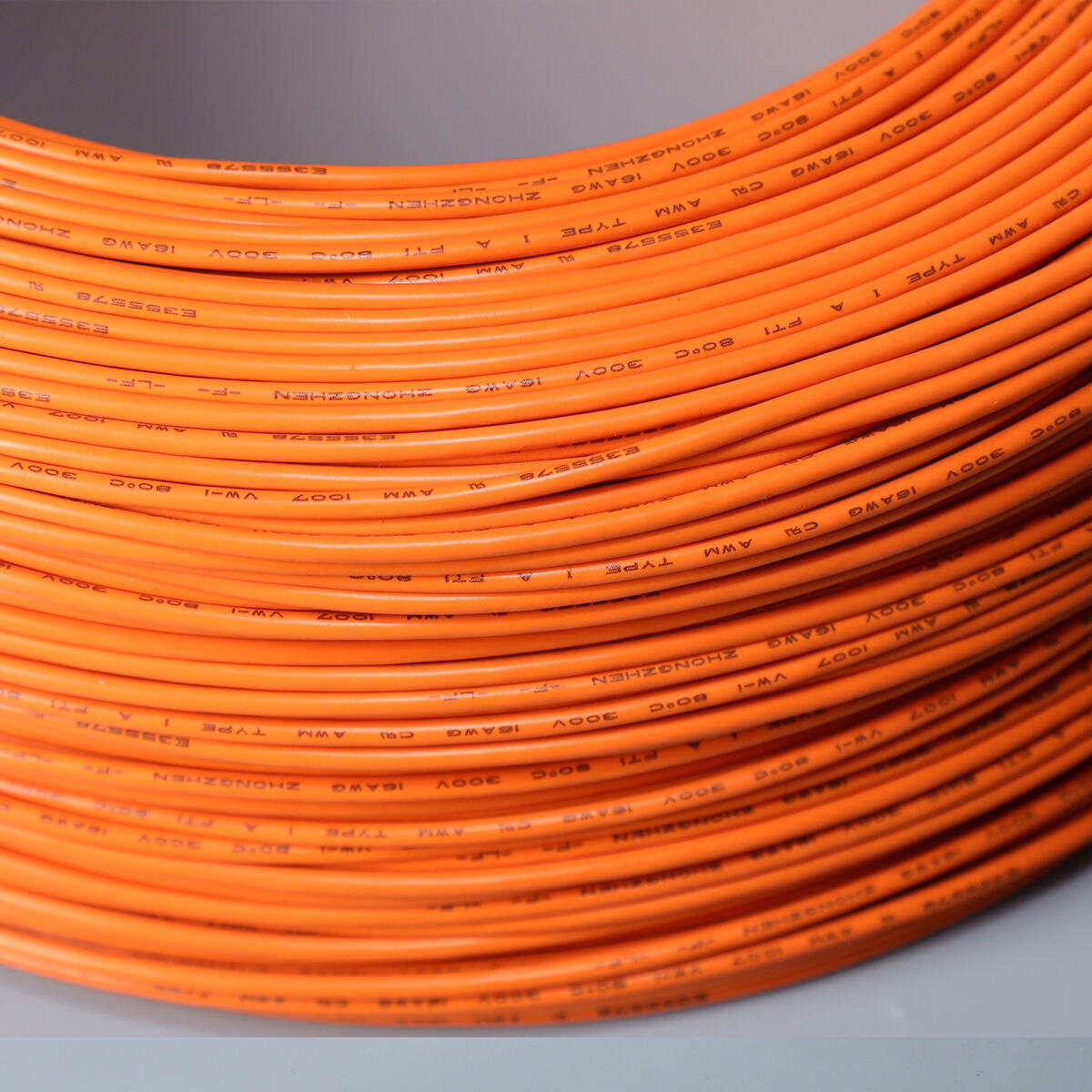
Electrical professionals understand that selecting the right wire gauge and insulation type can make or break any wiring project. When working with residential and light commercial applications, the insulated cable copper 14 awg stands as one of the most commonly specified conductors in the industry. This specific wire configuration provides the perfect balance between current carrying capacity, cost effectiveness, and installation flexibility that electricians demand for their projects.
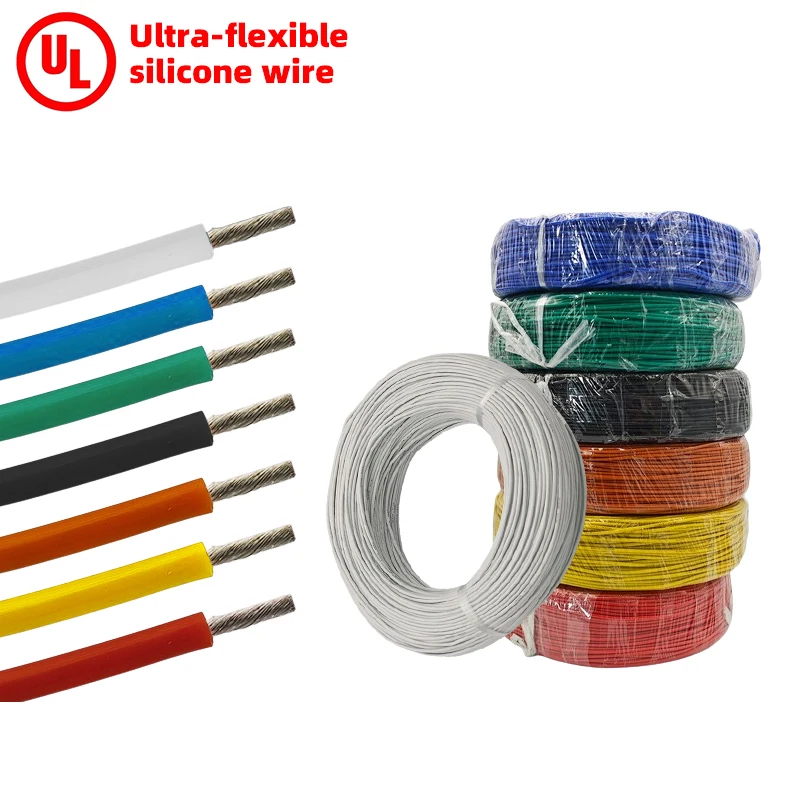
The decision to choose insulated cable copper 14 awg requires careful consideration of multiple factors that directly impact installation success and long-term performance. Professional electricians must evaluate current requirements, environmental conditions, building codes, and safety regulations before making their final selection. Understanding these critical evaluation points ensures optimal performance and compliance with industry standards.
Understanding Current Capacity and Load Requirements
Ampacity Ratings for Different Applications
The ampacity of insulated cable copper 14 awg varies significantly based on installation conditions and ambient temperature. Under standard conditions with temperatures not exceeding 30 degrees Celsius, this wire gauge typically supports 15 amperes for general purpose branch circuits. However, electricians must consider derating factors when cables are bundled together or installed in high-temperature environments.
When multiple conductors are grouped together in conduits or cable trays, the heat buildup requires ampacity adjustments. For installations with four to six current-carrying conductors, electricians should apply an 80 percent derating factor to the base ampacity. This means the effective current capacity drops from 15 amperes to 12 amperes under these conditions.
Temperature considerations play a crucial role in determining the actual current capacity of insulated cable copper 14 awg. In environments where ambient temperatures exceed standard conditions, additional derating becomes necessary. Electricians working in industrial facilities, mechanical rooms, or outdoor installations must account for these thermal effects in their calculations.
Load Calculation Methods
Proper load calculations form the foundation of any successful electrical installation using insulated cable copper 14 awg. Electricians must analyze both continuous and non-continuous loads to determine appropriate wire sizing. Continuous loads, defined as those operating for three hours or more, require conductors sized at 125 percent of the actual load current.
The National Electrical Code provides specific guidance for calculating branch circuit loads in residential and commercial applications. General lighting loads typically calculate at 3 watts per square foot for residential spaces, while small appliance circuits require dedicated 20-ampere circuits. Understanding these load density requirements helps electricians determine when insulated cable copper 14 awg provides adequate capacity.
Demand factors allow electricians to size conductors more efficiently by recognizing that not all connected loads operate simultaneously. For residential applications, the NEC permits demand factors for certain load types, reducing the total calculated load and potentially allowing smaller conductor sizes like insulated cable copper 14 awg in specific applications.
Insulation Types and Environmental Suitability
Common Insulation Materials
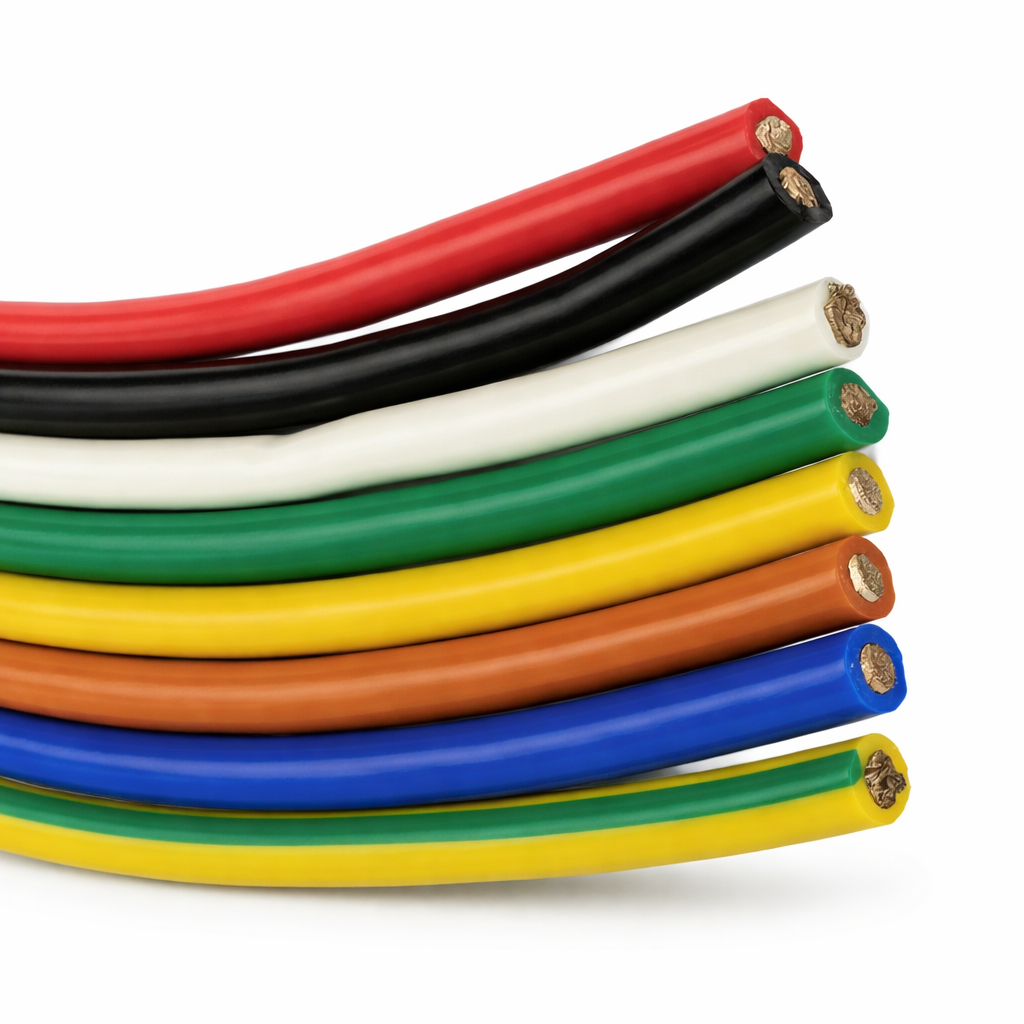
The insulation material surrounding copper conductors significantly impacts the cable's performance characteristics and application suitability. Thermoplastic insulations like THHN provide excellent moisture resistance and high-temperature ratings up to 90 degrees Celsius in dry locations. This makes insulated cable copper 14 awg with THHN insulation ideal for conduit installations and dry interior wiring applications.
Cross-linked polyethylene insulation, commonly known as XLPE, offers superior thermal and chemical resistance compared to thermoplastic alternatives. This insulation type maintains its properties at elevated temperatures and resists degradation from oils, solvents, and other chemicals commonly found in industrial environments. Electricians should consider XLPE-insulated conductors for applications involving exposure to harsh chemicals or extreme temperatures.
Rubber insulations provide exceptional flexibility and resistance to physical damage, making them suitable for portable cord applications and installations requiring frequent movement. However, rubber-insulated insulated cable copper 14 awg typically costs more than thermoplastic alternatives and may have lower temperature ratings depending on the specific rubber compound used.
Environmental Factor Assessment
Moisture exposure represents one of the most critical environmental factors affecting insulated cable copper 14 awg selection. Cables installed in wet or damp locations require insulation rated for moisture exposure, such as THWN or XHHW types. The insulation must prevent water ingress while maintaining its electrical properties over the cable's expected service life.
Chemical exposure in industrial facilities demands careful insulation material selection to prevent premature cable failure. Oils, acids, alkaline solutions, and organic solvents can attack certain insulation types, leading to conductor exposure and potential safety hazards. Electricians must identify potential chemical exposures and select appropriately rated insulated cable copper 14 awg for these challenging environments.
UV radiation from sunlight degrades many insulation materials over time, particularly in outdoor installations. Standard thermoplastic insulations may become brittle and crack when exposed to prolonged sunlight, requiring UV-resistant formulations or protective conduit systems. Electricians planning outdoor installations should specify UV-rated insulated cable copper 14 awg or provide adequate protection from solar radiation.
Installation Method Considerations
Conduit and Raceway Requirements
The installation method significantly influences the selection criteria for insulated cable copper 14 awg. Conduit installations offer superior mechanical protection and allow for easy conductor replacement, making them ideal for commercial and industrial applications. However, conduit systems require careful attention to fill ratios and conductor pulling tensions during installation.
Cable tray installations provide excellent accessibility for maintenance and modifications while supporting large quantities of cables efficiently. When selecting insulated cable copper 14 awg for tray installations, electricians must consider flame spread ratings, smoke generation characteristics, and physical support requirements. Tray-rated cables often incorporate additional mechanical protection to prevent damage during installation and service.
Direct burial applications require cables specifically designed for underground installation, incorporating moisture barriers and corrosion-resistant components. Standard insulated cable copper 14 awg may not provide adequate protection for direct earth contact, necessitating specialized burial-rated constructions or protective conduit systems.
Physical Installation Challenges
Pulling tension limits become critical when installing insulated cable copper 14 awg through long conduit runs or complex routing paths. Excessive pulling force can damage the conductor or insulation, creating safety hazards and performance issues. Electricians should calculate pulling tensions and use appropriate lubricants and pulling techniques to prevent cable damage during installation.
Bend radius requirements protect insulated cable copper 14 awg from mechanical stress that could compromise its electrical properties. The minimum bend radius typically equals eight times the cable's overall diameter for single conductors. Violating these requirements can damage the conductor stranding or insulation, leading to premature failure or safety concerns.
Support spacing regulations ensure proper mechanical support for insulated cable copper 14 awg throughout its installation. Inadequate support can cause sagging, which creates stress concentrations and potential failure points. The NEC specifies maximum support intervals based on cable type and installation method, requiring electricians to plan support structures accordingly.
Code Compliance and Safety Standards
National Electrical Code Requirements
Compliance with NEC requirements represents a fundamental aspect of selecting and installing insulated cable copper 14 awg. Article 310 provides comprehensive guidance on conductor ampacities, temperature ratings, and application restrictions. Electricians must understand these requirements to ensure code-compliant installations that meet inspection standards.
Branch circuit protection requirements mandate proper overcurrent protection for circuits using insulated cable copper 14 awg. The standard 15-ampere circuit breaker or fuse provides appropriate protection for most applications, preventing conductor overheating and potential fire hazards. However, certain applications may require different protection strategies based on specific load characteristics.
Grounding and bonding requirements ensure electrical safety by providing fault current paths and maintaining equipotential bonding between metallic components. When installing insulated cable copper 14 awg, electricians must verify proper grounding conductor sizing and connection methods according to NEC Article 250 requirements.
Local Code Variations
Local electrical codes may impose additional requirements beyond NEC minimums, affecting the selection and installation of insulated cable copper 14 awg. Some jurisdictions require specific cable types for certain applications or prohibit certain installation methods based on local conditions or historical performance data.
Building codes often interface with electrical codes, creating additional requirements for fire ratings, smoke generation, and accessibility. These requirements may influence the selection of insulated cable copper 14 awg for specific building types or occupancy classifications. Electricians must research local code requirements before finalizing cable specifications.
Inspection requirements vary by jurisdiction, affecting documentation and testing procedures for installations using insulated cable copper 14 awg. Some areas require extensive testing and documentation, while others rely primarily on visual inspections. Understanding local inspection procedures helps electricians prepare appropriate documentation and testing protocols.
Quality and Certification Standards
UL Listing and Testing Requirements
Underwriters Laboratories listing ensures that insulated cable copper 14 awg meets rigorous safety and performance standards. UL testing evaluates insulation integrity, current carrying capacity, flame resistance, and mechanical properties under standardized conditions. Electricians should always specify UL-listed cables to ensure compliance with safety standards and insurance requirements.
Testing protocols for insulated cable copper 14 awg include high-voltage testing to verify insulation integrity, current cycling to confirm ampacity ratings, and environmental exposure testing to validate performance under various conditions. These comprehensive tests provide confidence in the cable's long-term reliability and safety performance.
Third-party certification programs beyond UL listing provide additional quality assurance for critical applications. Some facilities require cables meeting specific industry standards or military specifications, necessitating careful verification of certification documentation before installation.
Manufacturing Quality Indicators
Conductor construction quality significantly impacts the performance and reliability of insulated cable copper 14 awg. High-quality copper with proper stranding patterns provides superior flexibility and current carrying capacity compared to lower-grade alternatives. Electricians should verify conductor specifications and manufacturing standards before making final selections.
Insulation thickness and uniformity affect both electrical performance and mechanical durability of insulated cable copper 14 awg. Consistent insulation thickness ensures reliable electrical properties while uniform coverage prevents weak points that could lead to premature failure. Quality manufacturers maintain strict tolerances on these critical parameters.
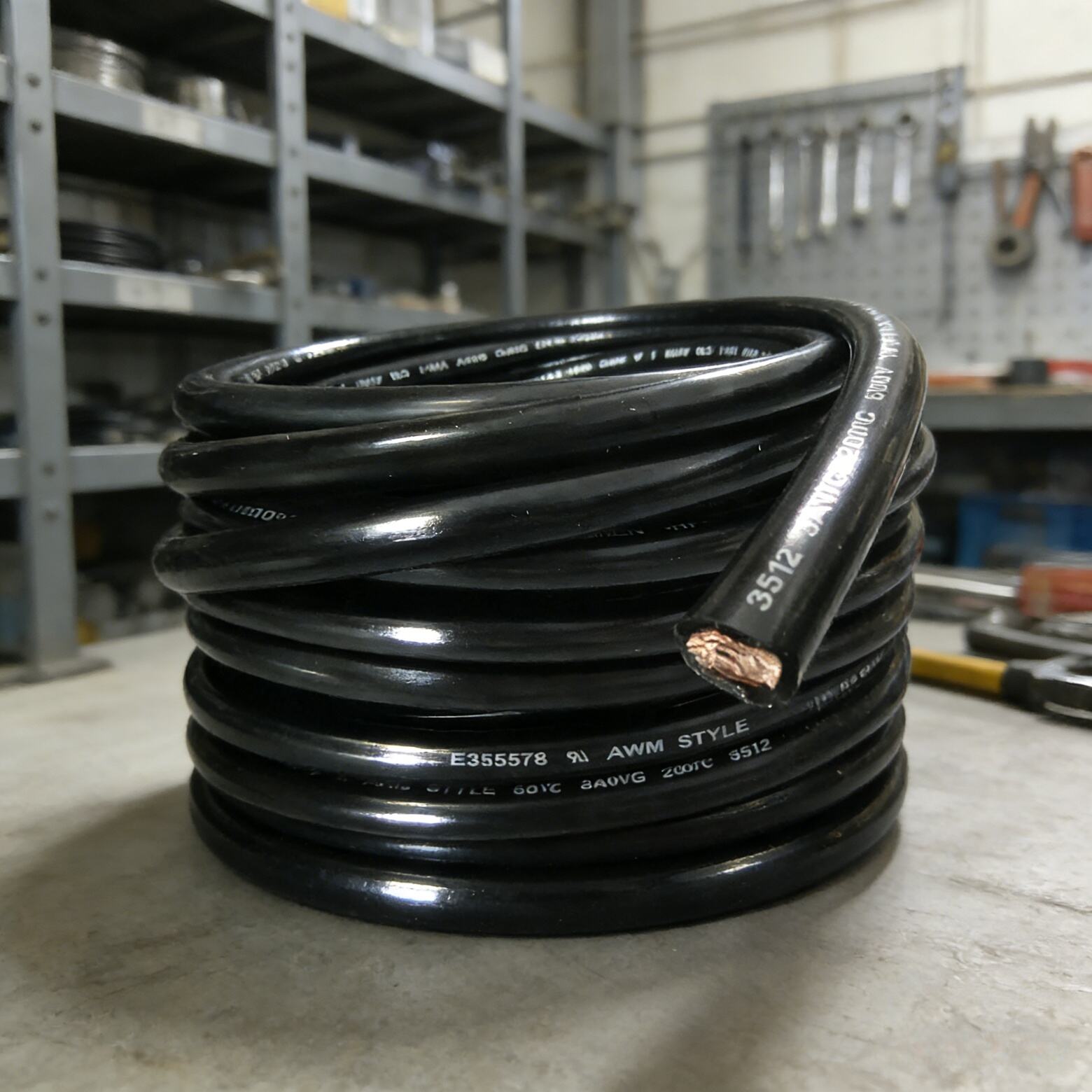
Cable marking and identification systems help electricians verify proper cable selection and maintain accurate installation records. Clear, permanent markings indicating wire gauge, insulation type, temperature rating, and certification information enable proper identification throughout the cable's service life.
Cost Considerations and Value Analysis
Initial Purchase Price Factors
The initial cost of insulated cable copper 14 awg varies significantly based on insulation type, certification level, and manufacturing quality. While premium cables command higher prices, they often provide superior performance and longer service life, potentially offering better long-term value for critical applications.
Quantity purchasing can significantly reduce per-foot costs for large projects using substantial amounts of insulated cable copper 14 awg. Electricians should coordinate purchasing strategies to take advantage of volume discounts while ensuring adequate inventory management and storage capabilities.
Market fluctuations in copper prices directly impact cable costs, making timing an important consideration for large purchases. Electricians may benefit from forward pricing agreements or bulk purchasing during favorable market conditions to control project costs effectively.
Long-term Value Assessment
Service life expectations for insulated cable copper 14 awg vary based on application conditions and cable quality. High-quality cables in appropriate applications may provide decades of reliable service, while lower-grade alternatives or improper applications may require premature replacement, increasing total ownership costs.
Maintenance requirements differ significantly between cable types and installation methods. Properly selected and installed insulated cable copper 14 awg typically requires minimal maintenance, while inappropriate selections may need frequent inspection, testing, or replacement. These ongoing costs should factor into the initial selection decision.
Energy efficiency considerations become important for high-current applications where conductor resistance impacts operating costs. While insulated cable copper 14 awg provides excellent conductivity, proper sizing ensures minimal power losses and optimal system efficiency throughout the installation's service life.
FAQ
What is the maximum amperage rating for insulated cable copper 14 awg?
The maximum amperage rating for insulated cable copper 14 awg is typically 15 amperes under standard installation conditions with ambient temperatures not exceeding 30 degrees Celsius. This rating may be reduced when multiple cables are bundled together or installed in high-temperature environments, requiring derating calculations according to NEC guidelines. Always consult the specific cable manufacturer's specifications and local electrical codes for exact ampacity ratings in your application.
Can insulated cable copper 14 awg be used in wet locations?
Insulated cable copper 14 awg can be used in wet locations only if it has appropriate moisture-rated insulation such as THWN, THWN-2, or XHHW types. Standard THHN insulation is rated only for dry and damp locations, making it unsuitable for direct exposure to moisture. When planning installations in wet environments, verify that the cable's insulation rating matches the environmental conditions and local code requirements.
What is the minimum bend radius for insulated cable copper 14 awg during installation?
The minimum bend radius for insulated cable copper 14 awg typically equals eight times the cable's overall diameter to prevent damage to the conductor or insulation. For a standard 14 AWG cable with typical insulation thickness, this usually translates to approximately 1.5 to 2 inches minimum bend radius. Exceeding these limits during installation can cause conductor damage, insulation cracking, or performance degradation that may lead to premature failure.
How do I determine if insulated cable copper 14 awg is appropriate for my specific application?
Determining the appropriateness of insulated cable copper 14 awg requires evaluating several factors including load calculations, environmental conditions, installation method, and local code requirements. Calculate the maximum expected current draw and compare it to the cable's derated ampacity for your specific installation conditions. Consider factors such as ambient temperature, bundling with other cables, and continuous versus intermittent loading. Always consult with a qualified electrician or engineer for complex applications or when uncertain about proper cable selection.
Table of Contents
- Understanding Current Capacity and Load Requirements
- Insulation Types and Environmental Suitability
- Installation Method Considerations
- Code Compliance and Safety Standards
- Quality and Certification Standards
- Cost Considerations and Value Analysis
-
FAQ
- What is the maximum amperage rating for insulated cable copper 14 awg?
- Can insulated cable copper 14 awg be used in wet locations?
- What is the minimum bend radius for insulated cable copper 14 awg during installation?
- How do I determine if insulated cable copper 14 awg is appropriate for my specific application?