EN
EN


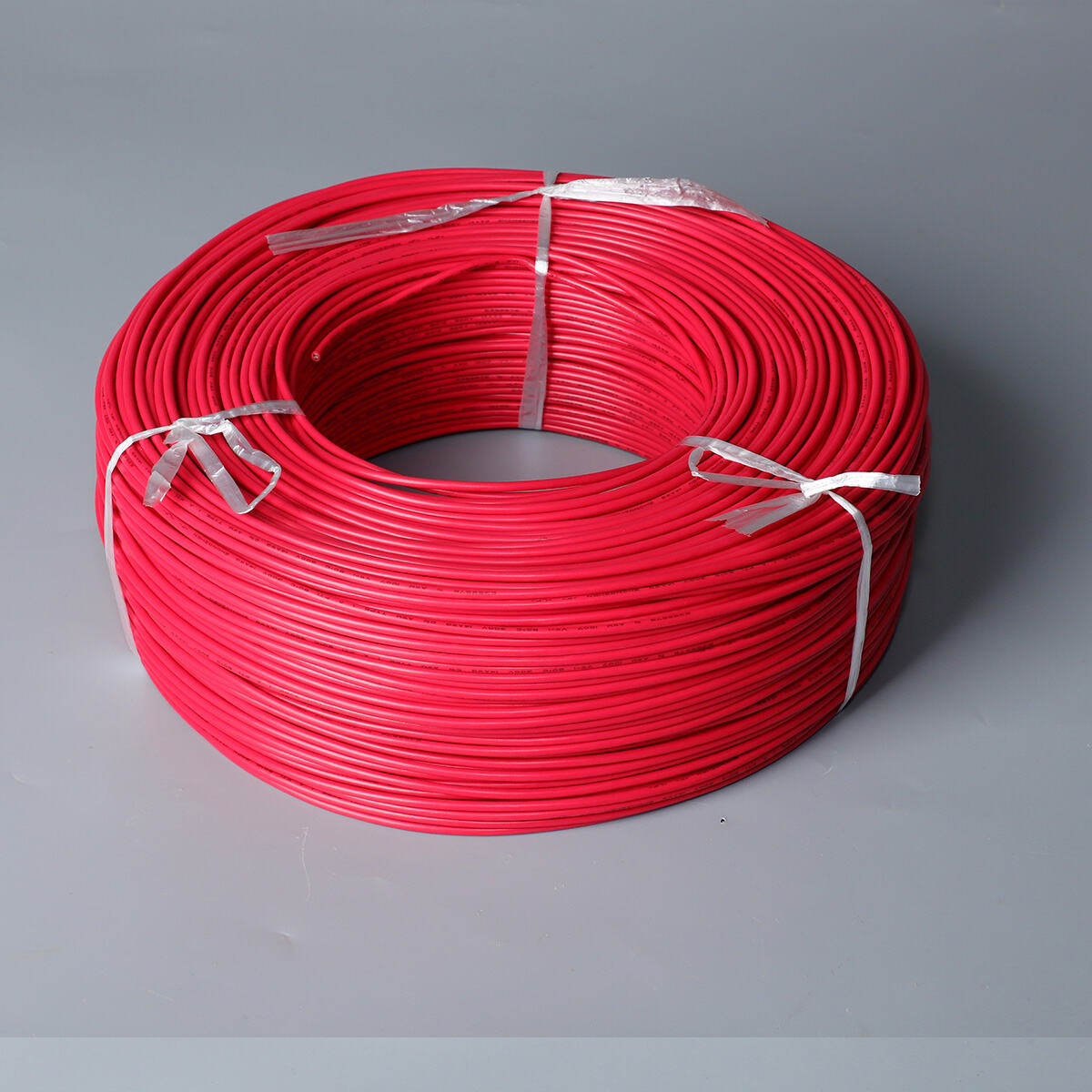
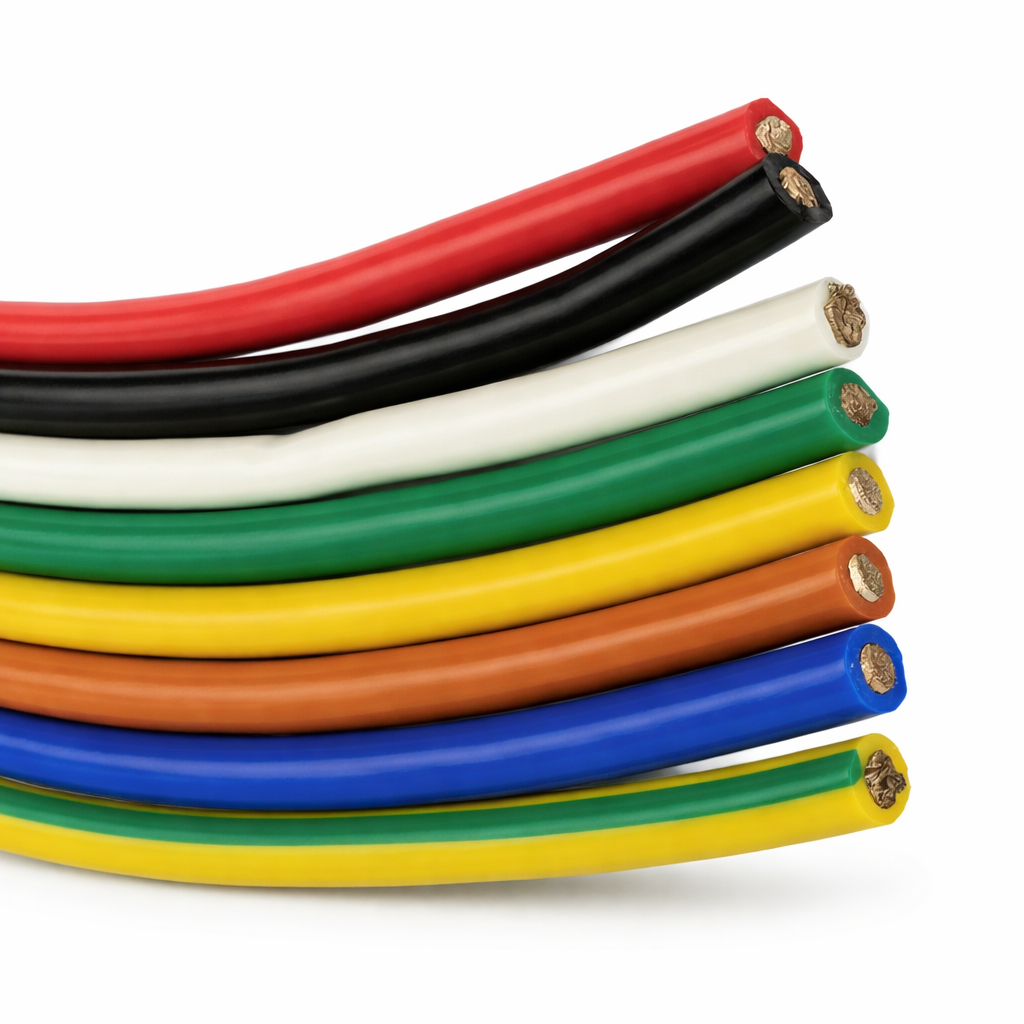
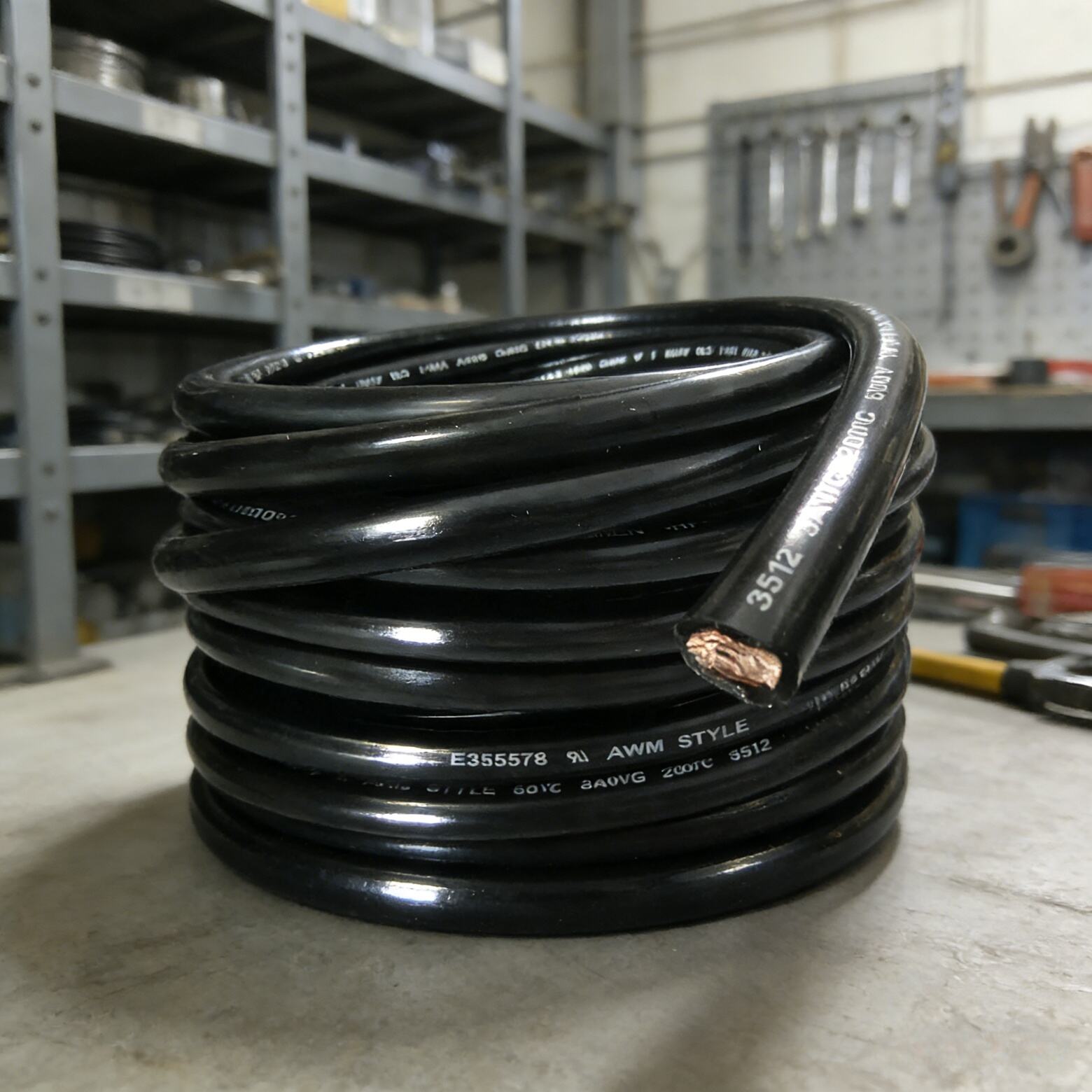
Electrical safety remains a paramount concern in both residential and commercial installations, with proper wiring choices forming the foundation of secure electrical systems. The selection of appropriate conductor materials and insulation types directly impacts system reliability, longevity, and overall safety performance. Among the various wire gauge options available, insulated cable copper 14 awg stands out as a versatile solution that balances current-carrying capacity with practical installation requirements. This specific wire gauge has become increasingly popular in modern electrical applications due to its optimal combination of conductivity, flexibility, and safety features. Understanding the technical characteristics and safety benefits of this conductor type helps electrical professionals make informed decisions when designing and installing electrical systems.
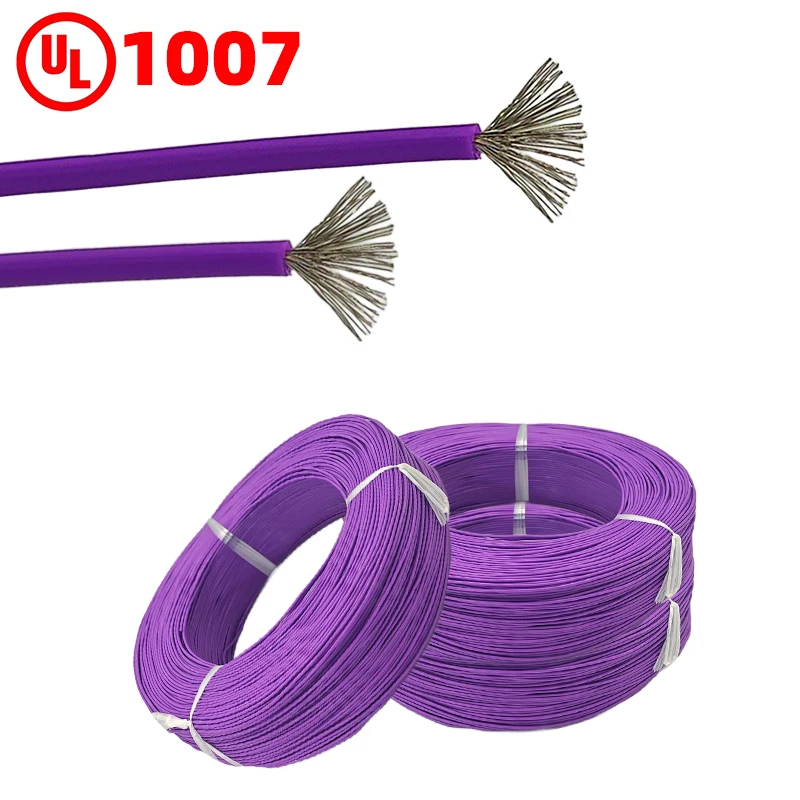
Understanding Copper Conductor Properties in 14 AWG Applications
Electrical Conductivity and Current Capacity
Copper's exceptional electrical conductivity makes it the preferred choice for residential and light commercial wiring applications. The 14 AWG gauge specification indicates a conductor diameter that safely carries up to 15 amperes of current under standard operating conditions. This current rating provides adequate capacity for typical household circuits including lighting, outlets, and small appliances. The copper material ensures minimal voltage drop across standard circuit lengths, maintaining consistent power delivery to connected devices. Proper sizing of insulated cable copper 14 awg prevents overheating and reduces energy losses throughout the electrical distribution system.
The crystalline structure of copper allows for efficient electron flow, resulting in lower resistance compared to aluminum alternatives. This reduced resistance translates to improved energy efficiency and decreased heat generation during normal operation. When properly installed within rated parameters, copper conductors maintain their electrical properties over decades of service life. The thermal characteristics of copper also provide better heat dissipation, contributing to overall system safety and reliability. These fundamental properties make insulated cable copper 14 awg an excellent choice for applications requiring dependable electrical performance.
Mechanical Flexibility and Installation Advantages
The mechanical properties of copper contribute significantly to installation ease and long-term reliability of electrical systems. Copper conductors exhibit excellent flexibility, allowing for smooth routing through conduits, walls, and tight spaces without compromising structural integrity. This flexibility reduces installation time and labor costs while minimizing the risk of conductor damage during the pulling process. The ductile nature of copper enables repeated bending without work hardening or stress concentration that could lead to failure. Professional electricians appreciate these handling characteristics when working with insulated cable copper 14 awg in complex installation environments.
Corrosion resistance represents another critical mechanical advantage of copper conductors in electrical applications. Unlike ferrous materials, copper naturally resists oxidation and maintains excellent electrical contact over time. This corrosion resistance ensures consistent performance in various environmental conditions, including high humidity and temperature fluctuations. The stable surface characteristics of copper also facilitate reliable connections at terminals, outlets, and junction boxes. These mechanical properties contribute to the overall safety profile by maintaining circuit integrity throughout the service life of the installation.
Insulation Systems and Safety Enhancement
PVC Insulation Characteristics and Protection
The insulation system surrounding copper conductors plays a crucial role in electrical safety and system performance. Modern PVC insulation materials provide excellent dielectric strength, preventing unwanted current flow between conductors or to ground. This insulation barrier protects against electrical shock hazards while maintaining circuit isolation under normal and fault conditions. The thickness and composition of PVC insulation on insulated cable copper 14 awg meet stringent industry standards for voltage ratings and environmental exposure. Proper insulation design ensures safe operation even when conductors are bundled together or routed in close proximity to other electrical components.
Temperature rating represents a critical aspect of insulation performance, with modern PVC materials typically rated for continuous operation at 60°C or 90°C depending on formulation. These temperature ratings provide adequate margin above normal operating conditions while accommodating temporary overload situations. The insulation material also resists degradation from ultraviolet light, moisture, and common chemicals encountered in building environments. Quality control during manufacturing ensures consistent insulation thickness and uniform coverage around the copper conductor. These characteristics contribute to long-term reliability and safety of electrical installations using properly rated insulated cable copper 14 awg.
Code Compliance and Installation Standards
Electrical codes and standards establish minimum safety requirements for conductor selection, installation methods, and system design. The National Electrical Code (NEC) and local amendments specify proper applications for different wire gauges and insulation types. Compliance with these standards ensures that insulated cable copper 14 awg installations meet minimum safety criteria for protection against electrical hazards. Proper circuit protection through appropriately sized breakers or fuses prevents conductor overloading and reduces fire risk. Understanding code requirements helps ensure that electrical installations provide reliable service while maintaining safety for building occupants.
Installation practices significantly impact the safety and performance of electrical systems beyond simple code compliance. Proper routing techniques protect conductors from physical damage while maintaining adequate heat dissipation. Appropriate spacing between conductors and proper support methods prevent stress concentration and premature failure. The use of listed electrical components and approved installation methods provides additional safety assurance. Professional installation following established best practices maximizes the inherent safety benefits of quality insulated cable copper 14 awg products.
Application Areas and Performance Benefits
Residential Wiring Applications
Residential electrical systems represent the primary application area for 14 AWG copper conductors due to their optimal balance of capacity and cost-effectiveness. Standard household circuits for lighting, outlets, and small appliances operate within the 15-ampere rating of this conductor size. The flexibility and ease of installation make insulated cable copper 14 awg particularly suitable for residential renovation projects where existing wiring requires updates. Modern building codes often specify copper conductors for new construction due to their superior performance characteristics and proven reliability. Homeowners benefit from reduced maintenance requirements and improved electrical safety when quality copper wiring is properly installed.
Energy efficiency considerations also favor copper conductors in residential applications due to their low resistance characteristics. Reduced voltage drop across circuit lengths ensures that appliances and lighting systems receive proper voltage for optimal performance. This improved efficiency translates to lower energy costs over the life of the electrical system. The thermal properties of copper also contribute to cooler operation, reducing stress on insulation materials and connected devices. These performance benefits make insulated cable copper 14 awg an excellent long-term investment for residential electrical systems.
Commercial and Light Industrial Uses
Commercial buildings often utilize 14 AWG copper conductors for specific applications including control circuits, lighting systems, and small power distribution. The reliability and consistent performance of copper conductors support critical business operations where electrical failures could result in significant operational disruption. Office buildings, retail spaces, and light manufacturing facilities benefit from the proven performance characteristics of properly installed insulated cable copper 14 awg systems. The standardization of copper wiring also simplifies maintenance procedures and reduces inventory requirements for facility managers.
Specialized commercial applications may require specific insulation types or temperature ratings beyond standard PVC materials. High-temperature environments, chemical exposure, or outdoor installations may necessitate upgraded insulation systems while maintaining the copper conductor benefits. The availability of various insulation options allows system designers to optimize electrical installations for specific environmental conditions. These application-specific solutions demonstrate the versatility and adaptability of copper conductor technology in diverse commercial settings.
Installation Best Practices and Safety Considerations
Proper Routing and Support Methods
Professional installation techniques significantly impact the long-term safety and performance of electrical systems using insulated cable copper 14 awg conductors. Proper routing through walls, ceilings, and conduit systems protects wiring from physical damage while maintaining code-compliant clearances. Support methods must accommodate the weight and flexibility characteristics of copper conductors without creating stress points that could lead to premature failure. Sharp bends and excessive tension during installation can compromise conductor integrity and insulation effectiveness. Following manufacturer recommendations and industry best practices ensures optimal system performance throughout the service life.
Environmental protection represents another critical aspect of proper installation procedures for copper wiring systems. Moisture protection, temperature control, and chemical exposure considerations affect both conductor and insulation longevity. Appropriate sealing methods and protective barriers prevent environmental contamination that could compromise electrical safety. The selection of compatible materials and fastening methods prevents galvanic corrosion and maintains system integrity. These installation considerations directly impact the safety benefits provided by quality insulated cable copper 14 awg products.
Connection Quality and Maintenance Requirements
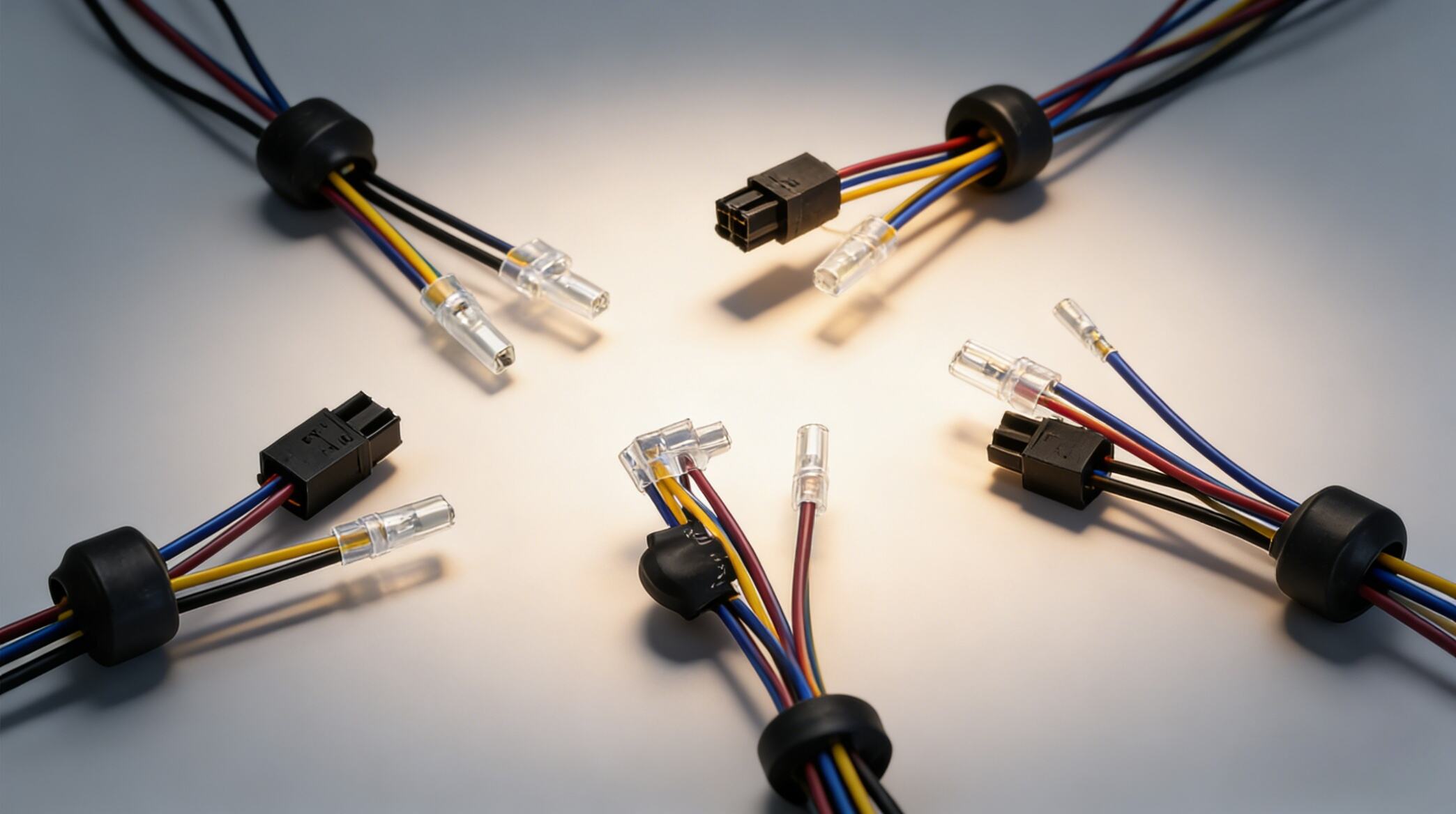
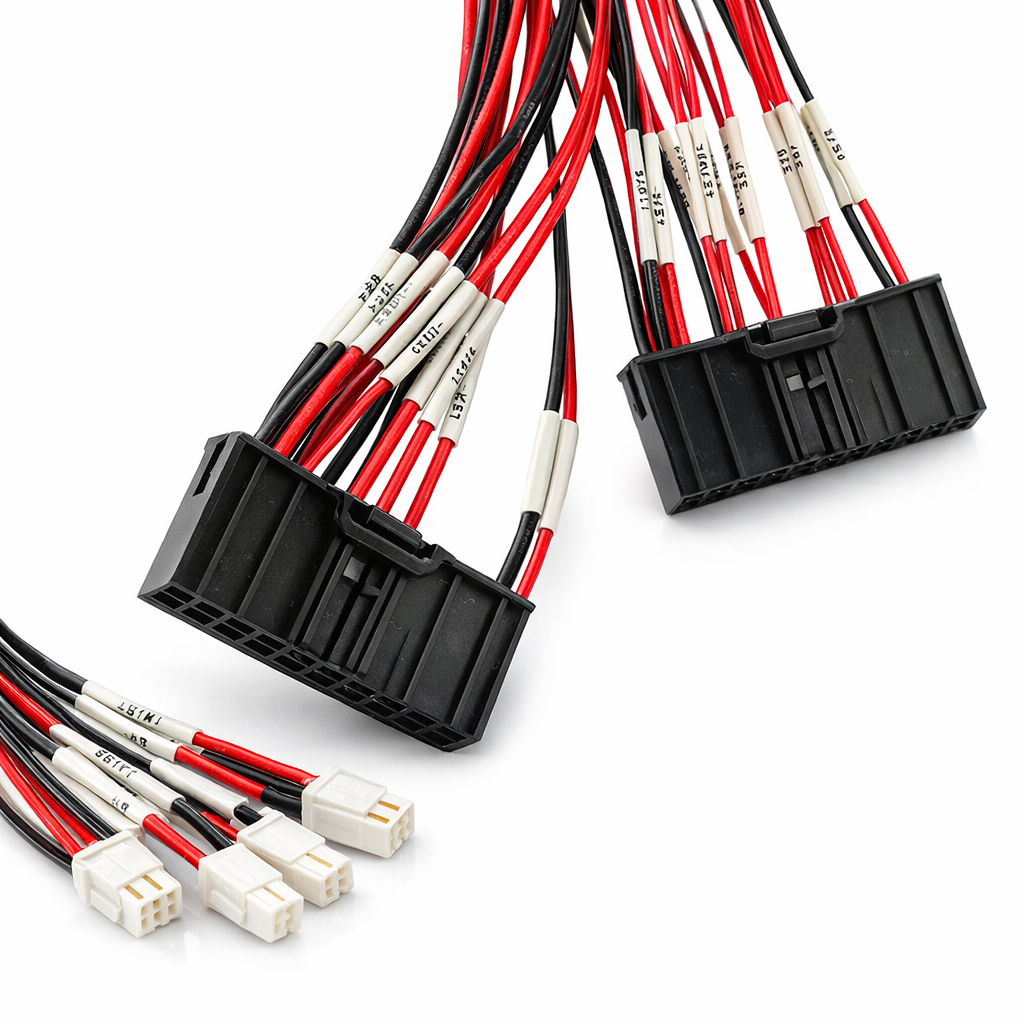
Electrical connections represent critical points in any wiring system where proper techniques ensure long-term safety and reliability. Copper conductors require specific preparation methods including proper stripping, cleaning, and termination procedures. The use of appropriate connectors, terminal blocks, and splicing methods maintains low-resistance connections that prevent overheating and arcing. Quality connections also resist loosening over time due to thermal cycling and mechanical vibration. Regular inspection and maintenance of electrical connections help identify potential problems before they compromise system safety.
Torque specifications and connection hardware selection play important roles in maintaining reliable electrical joints with copper conductors. Over-tightening can damage conductor strands while under-tightening creates high-resistance connections prone to overheating. The use of anti-oxidant compounds and proper joint preparation prevents corrosion that could increase connection resistance over time. Professional installation following established procedures maximizes the inherent safety benefits of insulated cable copper 14 awg systems. These attention to detail in connection quality pays dividends in system reliability and occupant safety.
Comparative Analysis with Alternative Conductor Materials
Copper versus Aluminum Performance Characteristics
The comparison between copper and aluminum conductors reveals significant differences in electrical, mechanical, and safety characteristics that impact installation decisions. Aluminum conductors require larger wire gauges to carry equivalent current loads due to their higher electrical resistance compared to copper. This size difference affects conduit fill calculations, support requirements, and overall installation costs. The thermal expansion characteristics of aluminum also create unique challenges for connection integrity over time. These factors often favor copper conductors for critical applications where reliability and safety are primary concerns, making insulated cable copper 14 awg a preferred choice.
Corrosion resistance represents another significant advantage of copper over aluminum in electrical applications. Aluminum conductors are susceptible to oxidation that increases connection resistance and creates potential fire hazards. Special connection methods and anti-oxidant compounds are required when using aluminum conductors to maintain safe operation. Copper's natural corrosion resistance eliminates these concerns and simplifies installation procedures. The long-term reliability advantages of copper conductors often justify their higher initial cost through reduced maintenance requirements and improved safety margins.
Cost-Benefit Analysis and Long-Term Value
Economic considerations in conductor selection must account for both initial material costs and long-term operational expenses. While copper conductors typically cost more than aluminum alternatives, their superior performance characteristics often provide better overall value. Reduced maintenance requirements, lower energy losses, and improved system reliability contribute to favorable lifecycle costs for copper installations. The smaller conductor sizes required for equivalent current ratings can also reduce conduit and installation costs. These economic factors support the selection of insulated cable copper 14 awg for applications where performance and reliability are valued.
Insurance and liability considerations may also influence conductor material selection in commercial and residential applications. The proven safety record of copper conductors and their compliance with electrical codes provide risk mitigation benefits that extend beyond simple performance comparisons. Building owners and electrical contractors often prefer copper installations to minimize liability exposure and ensure compliance with local regulations. The standardization of copper wiring also facilitates future modifications and maintenance activities. These risk management benefits add value to insulated cable copper 14 awg installations beyond their technical performance advantages.
FAQ
What is the maximum amperage rating for insulated cable copper 14 AWG?
Insulated cable copper 14 AWG is typically rated for 15 amperes maximum current under standard installation conditions. This rating applies to copper conductors with 60°C insulation in typical residential and commercial environments. The actual current-carrying capacity may be reduced when conductors are bundled together or installed in high-temperature environments. Proper circuit protection using 15-ampere breakers or fuses ensures safe operation within rated parameters. Always consult local electrical codes and manufacturer specifications for specific installation requirements.
Can insulated cable copper 14 AWG be used for outdoor applications?
The suitability of insulated cable copper 14 AWG for outdoor use depends on the specific insulation type and environmental protection provided. Standard PVC insulation may not be appropriate for direct burial or continuous outdoor exposure without additional protection. Specialized insulation materials such as THWN or USE-rated cables are designed for outdoor and wet location applications. Underground installations typically require conductors rated for direct burial or installation in appropriate conduit systems. Consult electrical codes and manufacturer specifications to ensure proper conductor selection for outdoor applications.
How does temperature affect the performance of copper 14 AWG conductors?
Temperature significantly impacts both the current-carrying capacity and insulation performance of copper conductors. Higher ambient temperatures reduce the allowable current rating to prevent insulation damage from overheating. Most standard PVC insulations are rated for 60°C continuous operation, while higher-grade materials may allow 75°C or 90°C operation. The copper conductor itself can handle much higher temperatures, making insulation the limiting factor in most applications. Proper derating calculations ensure safe operation when insulated cable copper 14 awg is installed in high-temperature environments.
What are the key safety advantages of using copper over aluminum conductors?
Copper conductors provide several safety advantages including superior corrosion resistance, better connection reliability, and reduced fire risk compared to aluminum alternatives. The natural oxidation resistance of copper maintains low connection resistance over time without special preparation or maintenance. Copper's mechanical properties also allow for more reliable connections that resist loosening due to thermal cycling. The higher conductivity of copper reduces heat generation and energy losses in electrical systems. These characteristics contribute to improved overall system safety and reduced maintenance requirements for electrical installations using insulated cable copper 14 awg.