EN
EN


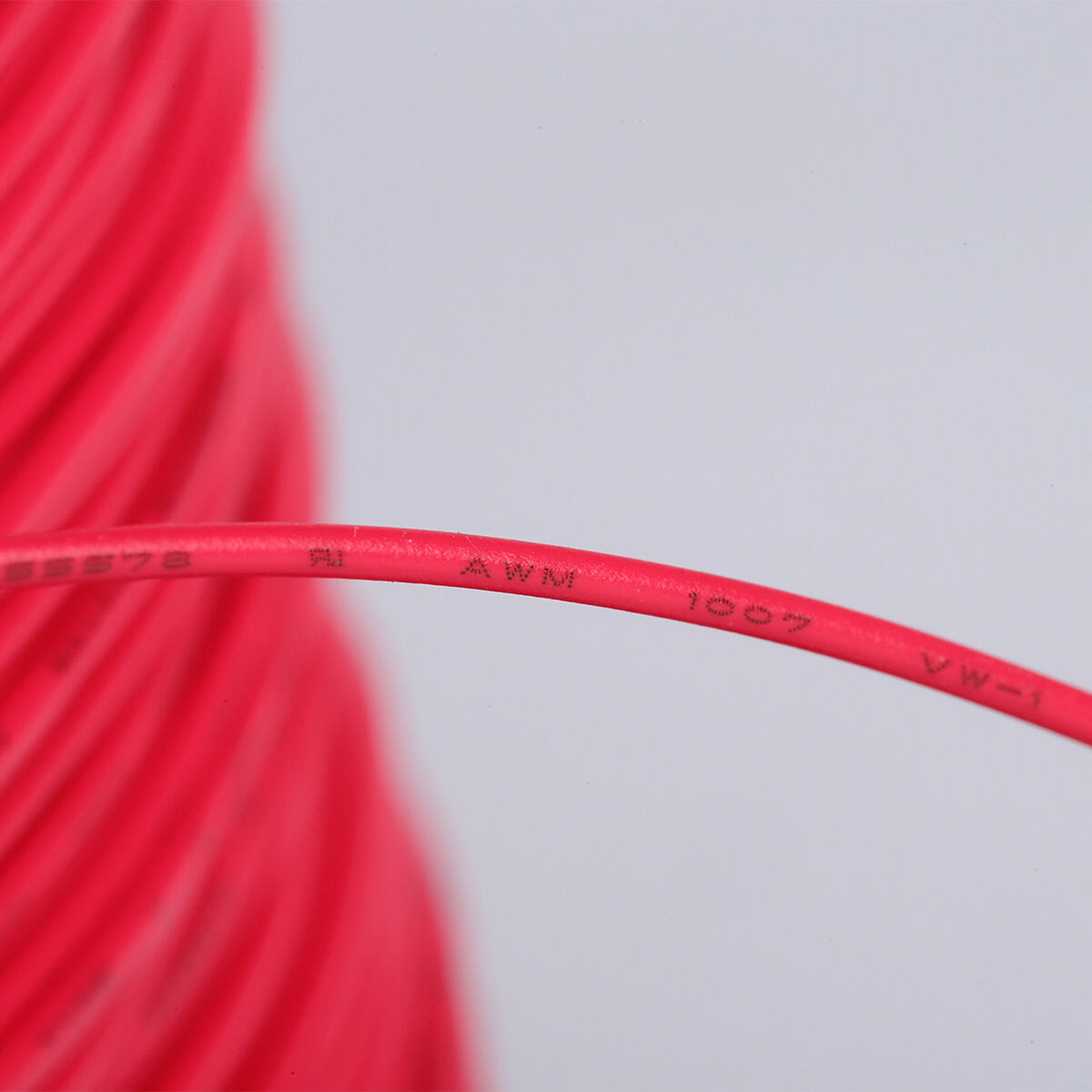
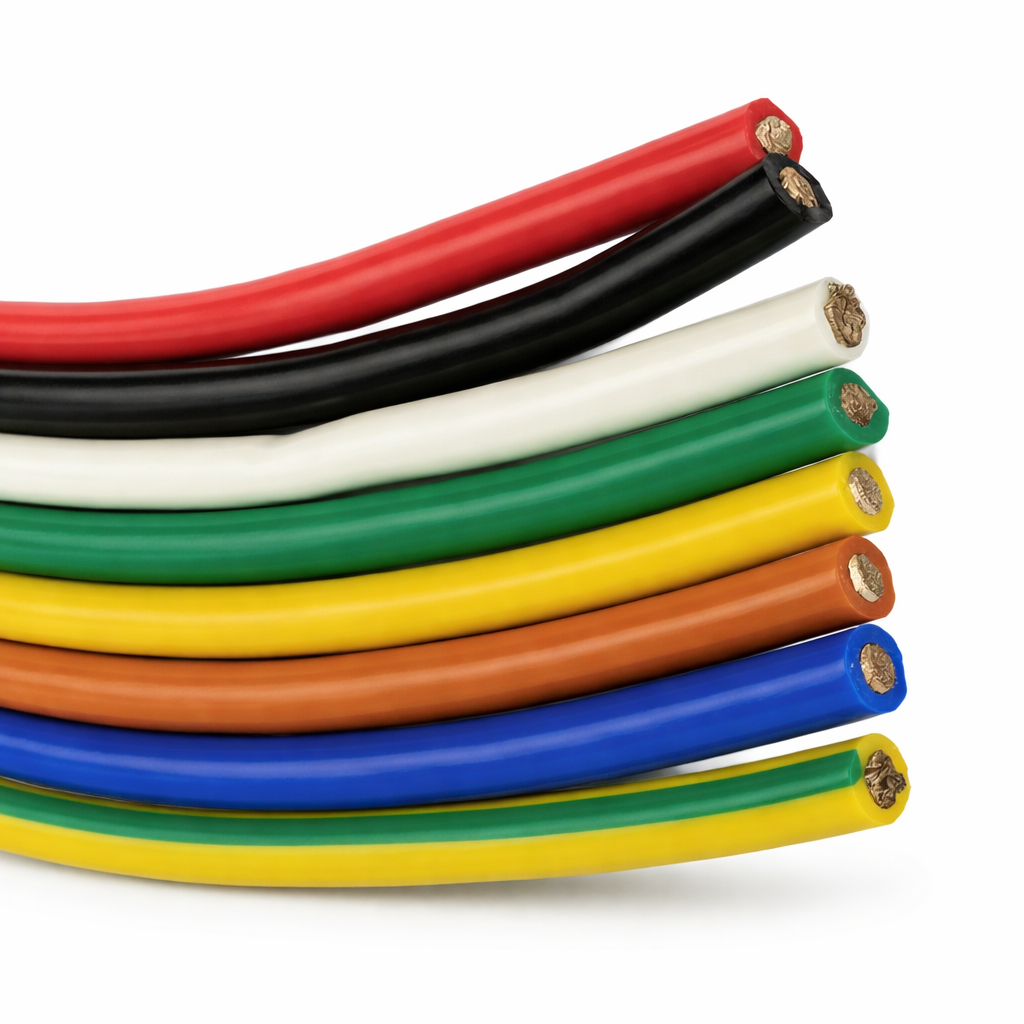
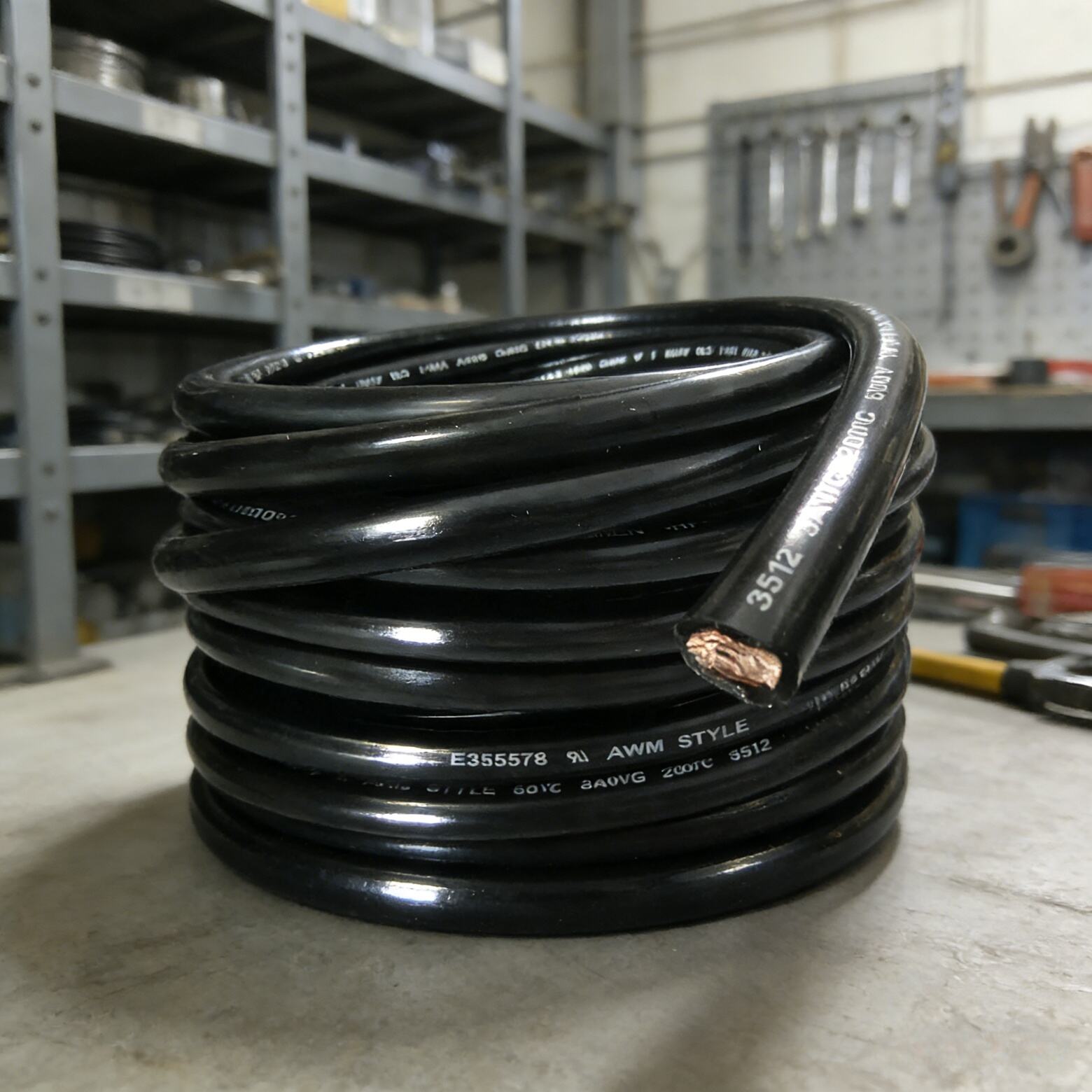
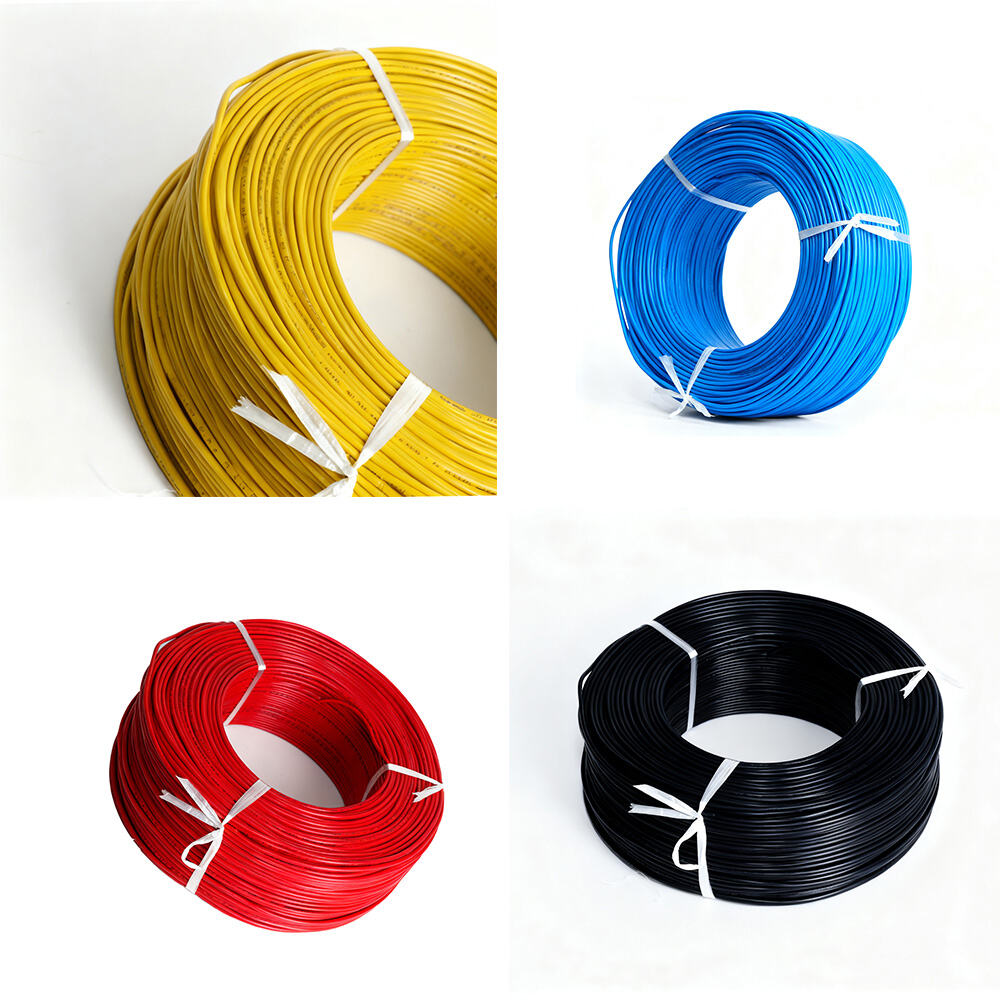
Residential electrical systems require reliable and safe wiring solutions that meet both performance standards and regulatory requirements. Among the various wire gauge options available, the insulated cable copper 14 awg has emerged as a preferred choice for many household applications due to its optimal balance of conductivity, safety features, and cost-effectiveness. This specific gauge size provides sufficient current-carrying capacity for most standard residential circuits while maintaining compliance with electrical codes and installation practices.
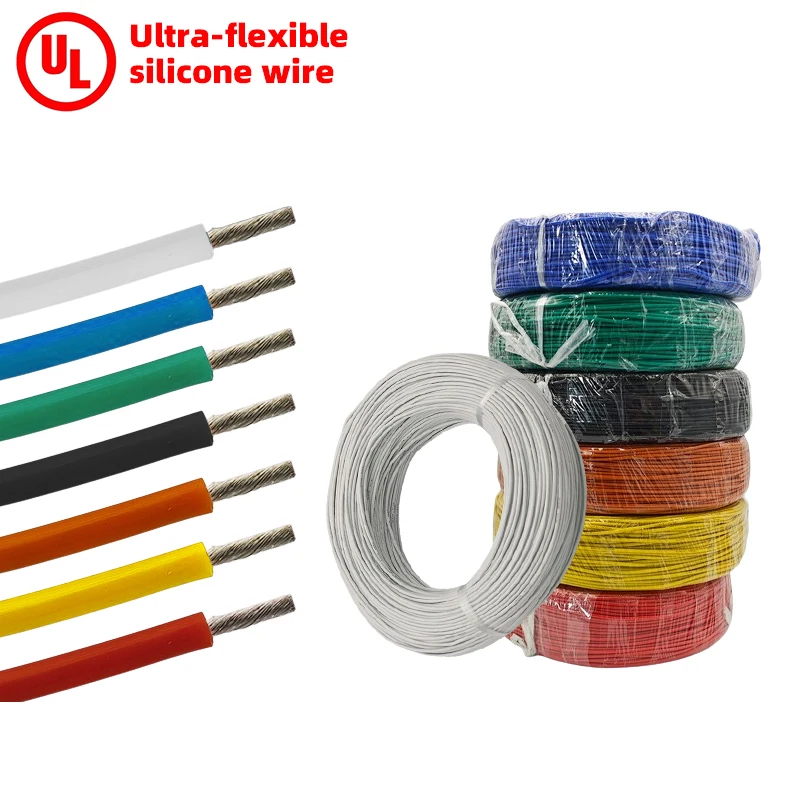
The widespread adoption of this wire gauge in residential construction stems from its versatility and proven track record in supporting various electrical loads commonly found in modern homes. Professional electricians and contractors consistently choose insulated cable copper 14 awg for its reliable performance characteristics and straightforward installation requirements, making it a cornerstone component in residential electrical infrastructure.
Understanding Wire Gauge Specifications
American Wire Gauge System Fundamentals
The American Wire Gauge system establishes standardized measurements for electrical conductors, with 14 AWG representing a specific diameter and current-carrying capacity. This standardization ensures consistent performance across different manufacturers and applications. The insulated cable copper 14 awg designation indicates a solid or stranded copper conductor with a cross-sectional area that supports safe current flow for designated circuit loads.
Wire gauge numbers operate on an inverse relationship where smaller numbers indicate larger conductor diameters and higher current capacities. The 14 AWG specification strikes an optimal balance between material efficiency and electrical performance, making it suitable for circuits requiring moderate current loads without the expense of larger conductor sizes.
Current Capacity and Load Requirements
The current-carrying capacity of insulated cable copper 14 awg typically ranges from 15 to 20 amperes, depending on installation conditions and temperature ratings. This capacity aligns perfectly with standard residential branch circuits that serve lighting fixtures, general-purpose outlets, and small appliances. The copper conductor material provides excellent conductivity properties that minimize voltage drop and power losses over typical residential circuit runs.
Electrical codes specify maximum circuit protection ratings for different wire gauges, with 14 AWG copper conductors generally protected by 15-ampere circuit breakers or fuses. This protection coordination prevents overcurrent conditions that could lead to conductor overheating or insulation damage, ensuring long-term system reliability and safety.
Copper Conductor Advantages
Superior Electrical Conductivity
Copper remains the preferred conductor material for residential wiring due to its exceptional electrical properties and long-term reliability. The high conductivity of copper minimizes electrical resistance, reducing energy losses and heat generation during normal operation. When combined with proper insulation materials, insulated cable copper 14 awg delivers consistent performance throughout its service life.
The crystalline structure of copper provides stable electrical characteristics that remain consistent across varying temperature conditions. This stability ensures predictable circuit performance and reduces the likelihood of unexpected electrical failures or performance degradation over time.
Mechanical Properties and Installation Benefits
Beyond electrical performance, copper conductors offer excellent mechanical properties that facilitate installation and long-term durability. The malleability of copper allows for easy bending and routing through building structures without compromising conductor integrity. Professional installers appreciate the workability of insulated cable copper 14 awg during installation processes.
The corrosion resistance of copper ensures stable connections and prevents degradation at terminal points and splice locations. This characteristic contributes to the long-term reliability of electrical systems and reduces maintenance requirements over the cable's operational lifetime.
Insulation Technologies and Safety Features
Modern Insulation Materials
Contemporary insulated cable copper 14 awg incorporates advanced insulation materials designed to provide superior protection against electrical faults and environmental conditions. Common insulation types include thermoplastic materials such as PVC, THHN, and cross-linked polyethylene, each offering specific performance characteristics suited to different installation environments.
The insulation system serves multiple critical functions including electrical isolation, mechanical protection, and environmental resistance. Modern formulations resist moisture penetration, chemical exposure, and ultraviolet degradation, extending the operational life of the conductor system in various installation conditions.
Temperature Ratings and Performance Parameters
Insulation materials used in insulated cable copper 14 awg typically carry temperature ratings of 60°C, 75°C, or 90°C, depending on the specific compound and construction. Higher temperature ratings allow for increased current-carrying capacity in appropriate installation conditions, providing design flexibility for electrical system engineers and installers.
The thermal properties of the insulation system directly impact the overall performance and safety characteristics of the cable assembly. Proper temperature rating selection ensures that the insulation maintains its protective properties under normal and abnormal operating conditions, preventing electrical faults and maintaining system integrity.
Residential Applications and Installation Practices
Common Household Circuit Applications
Residential electrical systems utilize insulated cable copper 14 awg for numerous standard applications including general lighting circuits, bedroom and living area outlets, and dedicated circuits for specific appliances. The 15-ampere capacity of this wire gauge accommodates the typical electrical loads found in these applications while providing adequate safety margins for normal usage patterns.
Kitchen small appliance circuits, bathroom GFCI outlets, and outdoor receptacle circuits frequently employ this wire gauge due to its appropriate current capacity and code compliance characteristics. The versatility of insulated cable copper 14 awg makes it a standard component in residential electrical material specifications.
Installation Methods and Code Compliance
Professional installation of insulated cable copper 14 awg follows established electrical codes and industry best practices to ensure safe and reliable operation. Common installation methods include running cable through wall cavities, conduit systems, and cable tray installations, depending on the specific building construction and local code requirements.
Proper installation techniques include maintaining appropriate bend radii, securing cables at specified intervals, and ensuring adequate protection from physical damage. These practices preserve the integrity of both the conductor and insulation system, maintaining the safety and performance characteristics of the electrical installation.
Economic Considerations and Cost Effectiveness
Material Costs and Project Budgeting
The selection of insulated cable copper 14 awg for residential projects represents a balance between performance requirements and material costs. While copper conductors command higher prices than alternative materials like aluminum, the superior performance and reliability characteristics often justify the additional investment for residential applications.
Project economics benefit from the standardization and widespread availability of this wire gauge, as bulk purchasing and competitive sourcing help control material costs. The proven reliability of insulated cable copper 14 awg reduces long-term maintenance expenses and replacement costs compared to alternative wiring solutions.
Long-term Value and System Reliability
Investment in quality insulated cable copper 14 awg provides long-term value through reduced maintenance requirements and extended service life. The stable electrical characteristics and corrosion resistance of copper conductors minimize the need for system upgrades or repairs over the typical lifespan of residential electrical systems.
The reliability factor associated with this wire type contributes to overall system dependability and reduces the risk of electrical failures that could result in costly repairs or safety hazards. This reliability translates into tangible economic benefits for property owners and electrical contractors alike.
Industry Standards and Regulatory Compliance
National Electrical Code Requirements
The National Electrical Code establishes specific requirements for the use of insulated cable copper 14 awg in residential applications, including installation methods, circuit protection, and environmental considerations. Compliance with these standards ensures safe installation and operation while meeting inspection requirements for residential construction projects.
Code specifications address conductor ampacity, insulation requirements, and installation practices that directly impact the performance and safety of electrical systems. Professional installers must maintain current knowledge of code requirements to ensure proper application of this wire gauge in various residential scenarios.
Manufacturer Standards and Quality Assurance
Reputable manufacturers of insulated cable copper 14 awg adhere to industry standards such as UL listing requirements and ASTM specifications to ensure consistent product quality and performance. These standards establish testing protocols and manufacturing requirements that verify electrical, mechanical, and safety characteristics of the finished products.
Quality assurance programs implemented by leading manufacturers include continuous testing of conductor materials, insulation properties, and finished cable assemblies. This commitment to quality ensures that insulated cable copper 14 awg products meet or exceed specified performance requirements throughout their operational life.
FAQ
What is the maximum amperage rating for insulated cable copper 14 awg
The maximum amperage rating for insulated cable copper 14 awg is typically 15 amperes when protected by appropriate circuit breakers or fuses. This rating ensures safe operation under normal conditions while providing adequate protection against overcurrent situations that could damage the conductor or insulation system.
Can insulated cable copper 14 awg be used for outdoor applications
Insulated cable copper 14 awg can be used for outdoor applications when the insulation type is rated for wet locations and UV exposure. Specific insulation types such as THWN or USE are designed for outdoor use and provide the necessary protection against moisture and environmental conditions commonly encountered in exterior installations.
How does insulated cable copper 14 awg compare to aluminum wire of the same gauge
Insulated cable copper 14 awg offers superior electrical conductivity and connection reliability compared to aluminum wire of the same gauge. Copper's lower resistance and better corrosion resistance properties make it the preferred choice for residential applications, despite the higher material cost compared to aluminum alternatives.
What length restrictions apply to insulated cable copper 14 awg circuits
The length of insulated cable copper 14 awg circuits is limited by voltage drop considerations rather than specific code restrictions. Generally, circuits should be designed to limit voltage drop to 3% or less, which typically restricts circuit lengths to approximately 100-150 feet depending on the connected load and installation conditions.