EN
EN


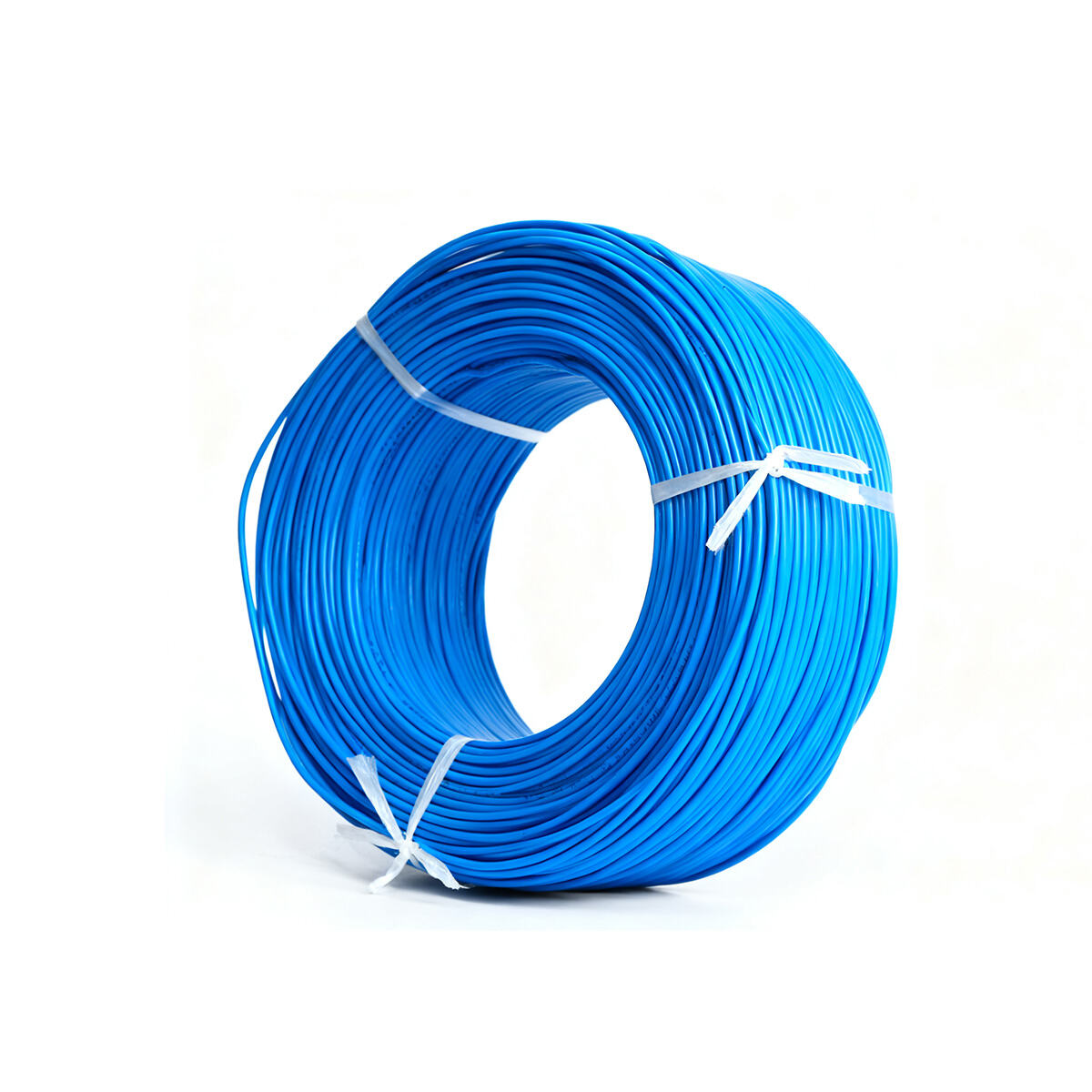
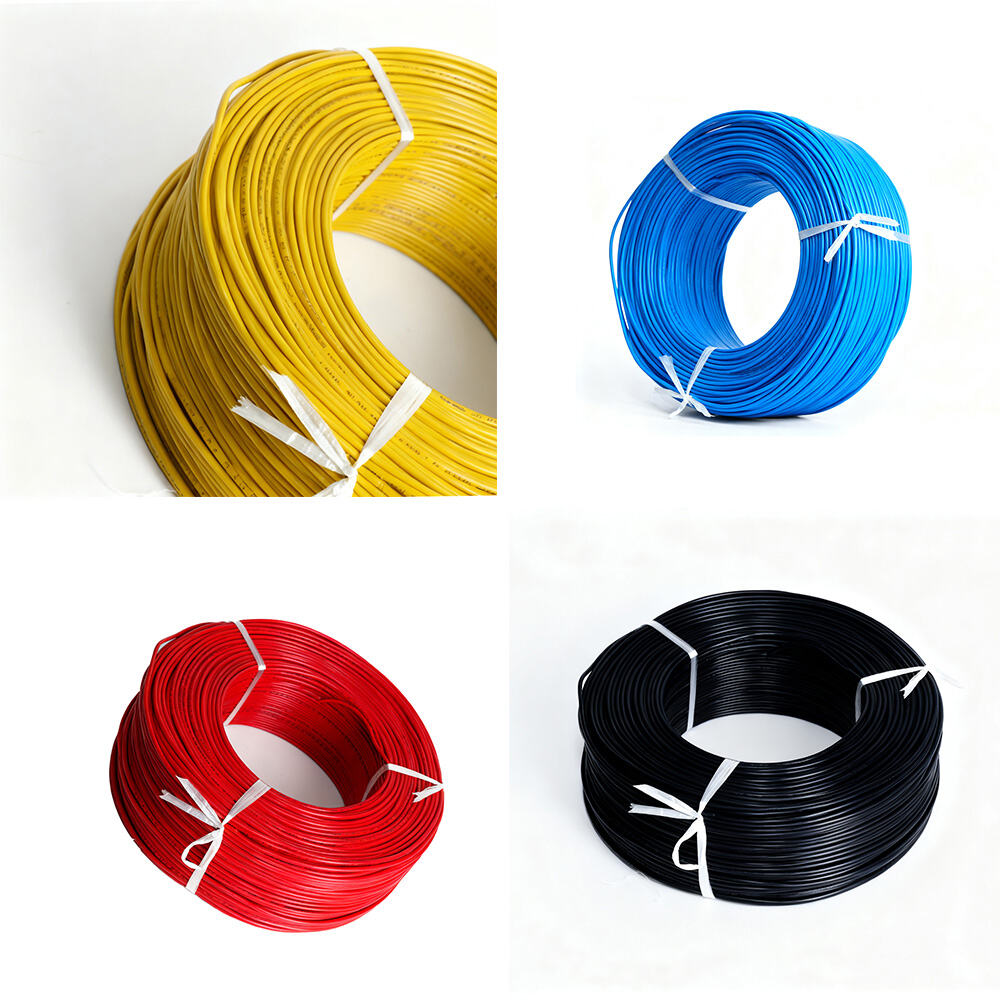
High-power audio systems and battery applications demand exceptional electrical conductivity and reliability to deliver optimal performance. The choice of wiring can make or break these critical installations, with ofc 0 gauge wire emerging as the gold standard for professionals who refuse to compromise on quality. Oxygen-free copper construction eliminates impurities that could degrade signal integrity or create unwanted resistance, ensuring maximum power transfer efficiency in demanding electrical environments.
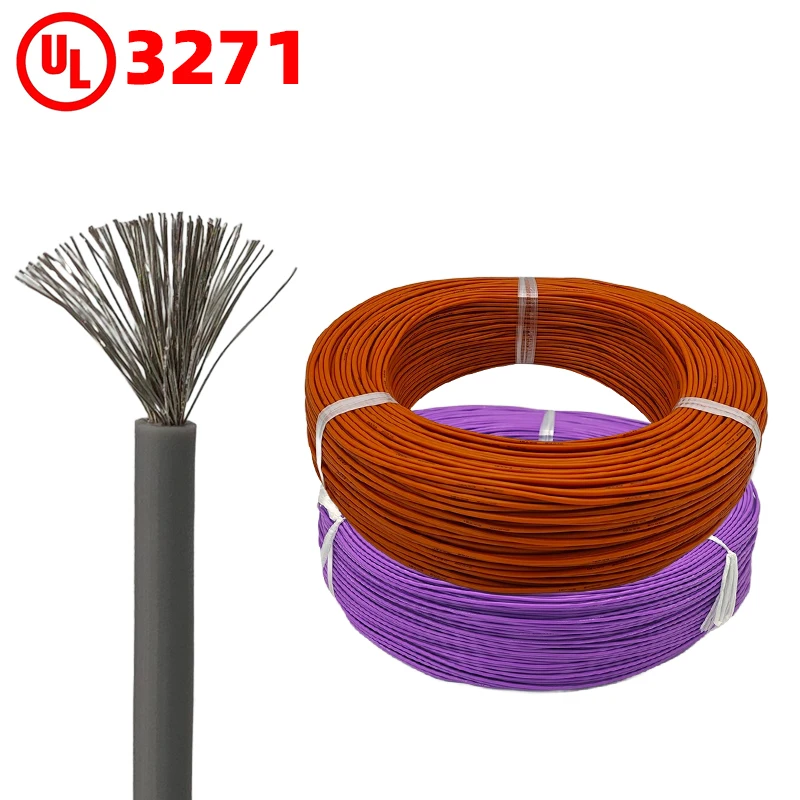
Professional installers and audiophiles recognize that substandard wiring creates bottlenecks that limit system potential, regardless of how expensive the amplifiers or batteries might be. When electrical current encounters resistance or impurities in the conductor, energy converts to heat rather than powering the intended components, resulting in diminished performance and potential safety hazards. Understanding the technical advantages and proper implementation of premium copper conductors becomes essential for anyone serious about maximizing their high-current electrical installations.
Understanding Oxygen-Free Copper Technology
Purity Standards and Manufacturing Process
Oxygen-free copper represents the pinnacle of conductor purity, containing less than 0.001% oxygen content compared to standard copper's typical 0.02-0.05% oxygen levels. This dramatic reduction in oxygen content eliminates copper oxide formations that create microscopic barriers to electron flow, resulting in measurably improved conductivity. The manufacturing process involves melting copper in a controlled atmosphere, preventing oxygen absorption during production and creating a crystalline structure optimized for electrical transmission.
Premium ofc 0 gauge wire undergoes additional processing steps including controlled cooling cycles and precision drawing techniques that maintain the molecular integrity of the copper structure. These manufacturing refinements ensure consistent cross-sectional density and eliminate internal voids that could compromise current-carrying capacity. The result is a conductor that delivers superior performance characteristics compared to conventional copper alternatives, particularly important in high-current applications where even small efficiency improvements translate to significant real-world benefits.
Conductivity Advantages Over Standard Copper
Laboratory testing consistently demonstrates that oxygen-free copper exhibits approximately 1-2% higher conductivity than standard electrolytic tough pitch copper, a seemingly modest improvement that becomes critically important in high-power applications. This enhanced conductivity translates directly to reduced voltage drop across long cable runs, maintaining system voltage stability even under demanding load conditions. For audio systems operating at high power levels, this improved conductivity preserves signal dynamics and prevents the compression effects associated with inadequate power delivery.
The molecular structure of ofc 0 gauge wire also provides superior resistance to work hardening and stress fatigue, maintaining its electrical properties even after repeated flexing or thermal cycling. This durability advantage becomes particularly valuable in mobile audio installations or battery systems subjected to vibration and temperature variations. Professional installers appreciate that oxygen-free copper maintains its performance characteristics throughout the service life of the installation, providing long-term reliability that justifies the initial investment in premium materials.
High-Power Audio System Applications
Amplifier Power Delivery Optimization
High-performance audio amplifiers require stable, low-impedance power connections to deliver their rated output without distortion or clipping artifacts. When amplifiers encounter voltage sag due to inadequate wiring, they compensate by drawing increased current, creating a cascading effect that further stresses the electrical system and potentially triggers protective circuits. Installing proper gauge ofc 0 gauge wire ensures that amplifiers receive clean, stable power delivery that enables them to operate within their optimal performance envelope.
Professional car audio competitions frequently require amplifier configurations exceeding 5000 watts, demanding power delivery systems capable of supplying hundreds of amperes without significant voltage drop. In these extreme applications, even minor improvements in conductor efficiency can mean the difference between winning and losing, as amplifier headroom directly correlates with dynamic range and bass impact. The superior conductivity of oxygen-free copper construction maintains peak performance even during the most demanding musical passages, where instantaneous current demands can exceed steady-state requirements by factors of ten or more.
Ground Loop Prevention and Signal Integrity
Audio systems suffer from ground loops and electrical interference when grounding networks exhibit uneven resistance characteristics or contain impurities that create rectification effects. High-purity ofc 0 gauge wire provides exceptionally consistent grounding performance, eliminating the microscopic diode junctions that can form at oxide boundaries in lower-grade conductors. This consistent grounding performance prevents the formation of ground loops that manifest as audible hum or buzz in the audio output.
Signal integrity preservation becomes particularly critical in multi-amplifier installations where several high-power units share common grounding points and power distribution networks. Each amplifier must maintain its own clean ground reference while avoiding interaction with neighboring components, requiring grounding conductors with exceptional uniformity and low impedance characteristics. Professional installers rely on ofc 0 gauge wire to establish robust grounding networks that maintain signal purity even in electrically challenging environments with multiple high-power components operating simultaneously.
Battery System Integration and Performance
Energy Storage Efficiency Maximization
Advanced battery systems, particularly lithium-ion configurations used in electric vehicles and renewable energy storage, require interconnect wiring capable of handling high discharge and charging currents without introducing resistive losses. Every milliohm of resistance in the battery wiring network translates directly to energy waste and heat generation, reducing overall system efficiency and potentially shortening battery lifespan. Premium ofc 0 gauge wire minimizes these resistive losses, ensuring maximum energy transfer efficiency between battery cells and load circuits.
Battery management systems monitor individual cell voltages and currents to optimize charging profiles and prevent dangerous operating conditions, but these protective systems can only function effectively when accurate voltage measurements are maintained throughout the wiring network. Voltage drop across high-resistance connections can fool battery management systems into incorrect operating decisions, potentially leading to overcharging, undercharging, or premature capacity degradation. The consistent low resistance of oxygen-free copper construction ensures that battery management systems receive accurate feedback for optimal performance and safety.
Thermal Management and Safety Considerations
High-current battery applications generate substantial heat due to internal resistance and charging inefficiencies, making thermal management a critical safety consideration that extends beyond just the battery cells themselves. Wiring networks must dissipate heat effectively while maintaining electrical integrity under temperature extremes, requiring conductors with excellent thermal conductivity and stable electrical properties across wide temperature ranges. The superior thermal characteristics of ofc 0 gauge wire help prevent dangerous hot spots that could compromise insulation integrity or create fire hazards.
Emergency disconnect systems and safety circuits rely on consistent electrical characteristics to function properly during fault conditions, when rapid current interruption becomes essential for preventing catastrophic failures. Standard copper conductors can develop oxide layers over time that increase resistance and potentially interfere with protective device operation, while oxygen-free copper maintains stable electrical properties throughout its service life. This long-term reliability makes premium ofc 0 gauge wire essential for safety-critical battery installations where failure could result in serious consequences.
Installation Best Practices and Technical Considerations
Proper Termination Techniques
Achieving optimal performance from ofc 0 gauge wire requires careful attention to termination techniques, as poor connections can negate the advantages of premium conductor materials. Professional-grade compression terminals create gas-tight connections that prevent oxidation and maintain low resistance over time, while inferior crimp terminals may introduce connection resistance that exceeds the conductor resistance itself. Proper termination involves using terminals specifically designed for the conductor size and applying appropriate compression force to achieve optimal contact area and mechanical security.
Surface preparation becomes critical when terminating oxygen-free copper, as even microscopic contamination can create interface resistance that degrades overall system performance. Wire stripping must be performed with sharp tools that avoid nicking individual strands, and exposed copper surfaces should be treated with appropriate oxidation inhibitors before terminal installation. Professional installers often apply joint compound containing conductive particles to further reduce interface resistance and provide long-term protection against environmental contamination.
Environmental Protection and Longevity
Premium ofc 0 gauge wire requires appropriate environmental protection to maintain its performance advantages throughout the installation's service life, particularly in automotive or marine applications where moisture and temperature extremes present ongoing challenges. High-quality insulation materials must provide both electrical isolation and mechanical protection while allowing thermal expansion and contraction without cracking or degrading. Professional-grade insulation systems often incorporate multiple layers with different protective functions, including moisture barriers and UV resistance for outdoor applications.
Routing and support systems must accommodate the increased stiffness and weight of large-gauge conductors while preventing mechanical stress that could damage the conductor or insulation over time. Proper cable management includes appropriate bend radius limitations, secure mounting points that distribute mechanical loads, and protection from sharp edges or moving components that could cause abrasion damage. Experienced installers recognize that protecting the investment in premium ofc 0 gauge wire requires attention to these mechanical installation details that ensure long-term reliability and performance.
Performance Measurement and System Optimization
Electrical Testing and Verification Methods
Quantifying the performance benefits of ofc 0 gauge wire requires systematic electrical measurements that go beyond simple continuity testing, focusing on parameters that directly impact system performance under actual operating conditions. Precision resistance measurements using four-wire techniques eliminate test lead resistance from the measurement, providing accurate assessment of conductor resistance that can be compared against theoretical values for verification of proper installation quality. These measurements become particularly important in high-current applications where even small resistance variations can significantly impact system performance.
Voltage drop testing under actual load conditions provides the most meaningful assessment of wiring system performance, revealing issues that may not be apparent during static resistance measurements. Professional installers use calibrated electronic loads to simulate actual operating conditions while measuring voltage drop across various points in the electrical system. This comprehensive testing approach validates that the ofc 0 gauge wire installation meets design specifications and identifies any connection or routing issues that could compromise long-term reliability.
System Integration and Compatibility Factors
Integrating premium ofc 0 gauge wire into existing electrical systems requires careful consideration of compatibility factors that extend beyond simple current-carrying capacity, including thermal expansion characteristics, galvanic corrosion potential, and mechanical interface requirements. Mixed-metal connections between oxygen-free copper and aluminum components require special attention to prevent galvanic corrosion that could degrade connection integrity over time. Professional installations often incorporate barrier compounds or transitional hardware designed specifically for dissimilar metal interfaces.
System-level optimization considers the electrical characteristics of all components in the power delivery chain, ensuring that the benefits of premium conductor materials are not compromised by inferior components elsewhere in the system. This holistic approach includes evaluation of fusing and protection devices, connection hardware, and distribution components to create a balanced electrical system where each element contributes to overall performance goals. Experienced system designers recognize that premium ofc 0 gauge wire represents just one element in a complete electrical system optimized for maximum performance and reliability.
FAQ
What makes OFC different from regular copper wire
Oxygen-free copper contains less than 0.001% oxygen compared to standard copper's 0.02-0.05% oxygen content, eliminating copper oxide formations that create resistance barriers. This results in approximately 1-2% higher conductivity and superior resistance to work hardening and stress fatigue. The manufacturing process involves controlled atmosphere melting and precision processing that maintains molecular integrity for optimal electrical performance in demanding applications.
How much current can 0 gauge OFC wire safely handle
Premium ofc 0 gauge wire typically handles 150-200 amperes continuously depending on installation conditions, ambient temperature, and insulation specifications. Short-term peak currents can exceed 300 amperes in properly designed systems with adequate thermal management. Actual current capacity depends on factors including wire bundling, ambient temperature, insulation rating, and acceptable voltage drop limitations for the specific application requirements.
Is OFC wire worth the extra cost for audio systems
For high-power audio systems exceeding 1000 watts, the improved conductivity and reduced voltage drop of ofc 0 gauge wire provides measurable performance benefits including better amplifier headroom, reduced distortion, and more stable power delivery during dynamic musical passages. The long-term reliability and consistent electrical properties justify the premium cost in professional installations where maximum performance is required, though the benefits may be less apparent in lower-power systems.
What installation precautions are necessary for 0 gauge wire
Proper installation requires professional-grade compression terminals, appropriate bend radius management, secure mounting systems, and protection from mechanical damage. Surface preparation and oxidation inhibitors are essential for long-term connection reliability. The wire's increased size and stiffness demand careful routing planning and adequate support structures to prevent mechanical stress that could damage the conductor or insulation over time.