EN
EN


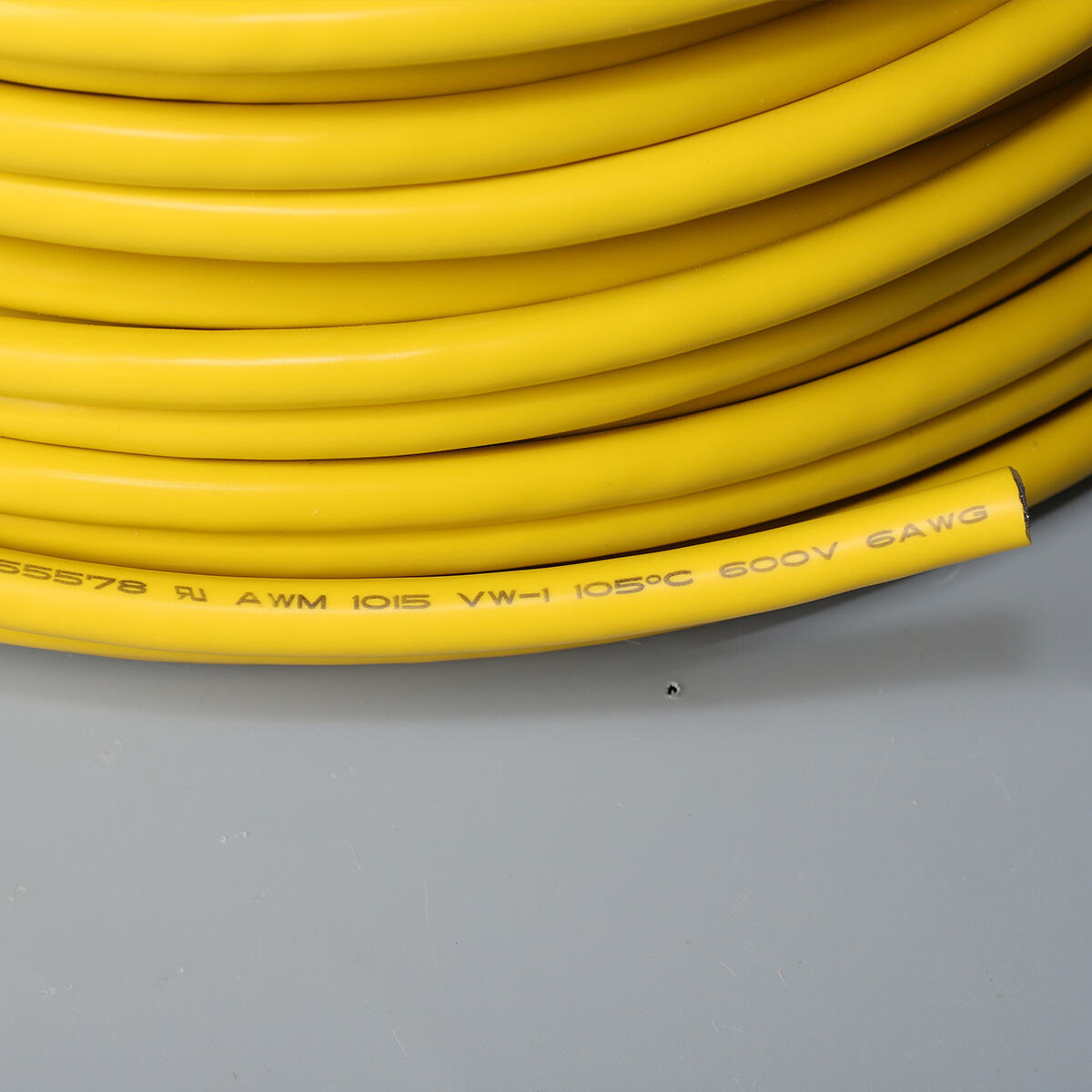
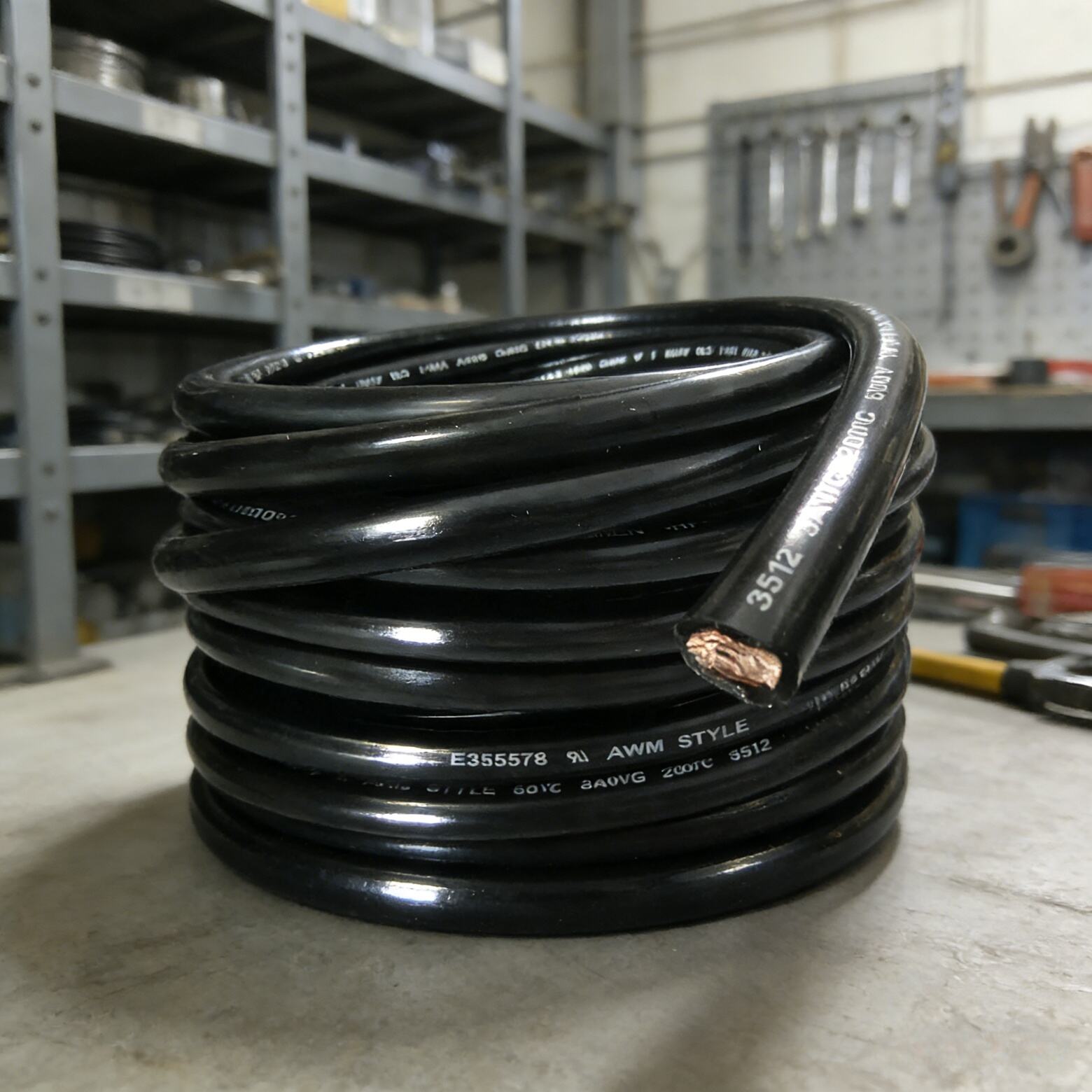
When selecting electrical wiring for high-current applications, understanding the critical specifications of ofc 0 gauge wire becomes essential for both performance and safety. Oxygen-Free Copper (OFC) represents the gold standard in electrical conductivity, offering superior performance characteristics that make it ideal for automotive, marine, and industrial applications requiring substantial power transmission. The selection process involves evaluating multiple technical factors, from conductor purity to insulation ratings, ensuring optimal performance in demanding environments.
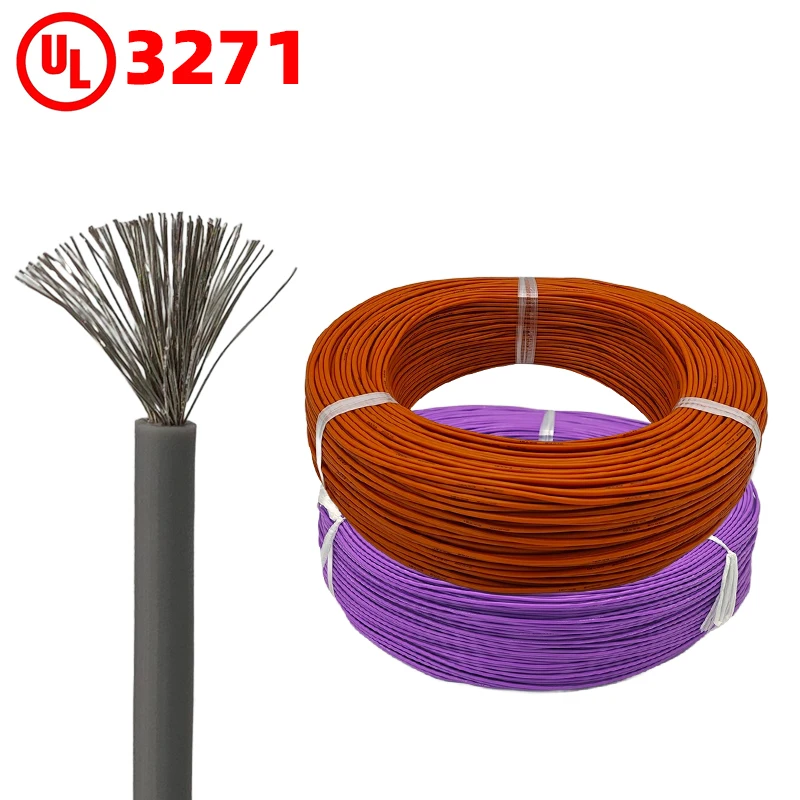
Professional installers and engineers recognize that ofc 0 gauge wire specifications directly impact system reliability and efficiency. The decision-making process requires careful consideration of current capacity, voltage drop calculations, and environmental conditions that will affect long-term performance. Modern applications increasingly demand wiring solutions that can handle high amperage loads while maintaining consistent electrical properties over extended operational periods.
Understanding OFC Technology and Its Advantages
Copper Purity Standards and Electrical Performance
The manufacturing process of ofc 0 gauge wire involves removing oxygen content to achieve 99.95% copper purity, significantly enhancing electrical conductivity compared to standard copper alternatives. This purification process eliminates microscopic impurities that can create resistance points and heat buildup during high-current operations. Professional-grade applications benefit from the improved signal integrity and reduced power loss that characterizes premium OFC construction.
Electrical engineers specify ofc 0 gauge wire when applications require maximum conductivity and minimal signal degradation. The oxygen-free manufacturing process creates a more uniform crystal structure within the copper conductor, reducing internal resistance and improving overall electrical efficiency. These characteristics become particularly important in high-performance audio systems, automotive charging circuits, and industrial power distribution applications.
Conductivity Measurements and Performance Metrics
Industry testing standards measure ofc 0 gauge wire conductivity using International Annealed Copper Standard (IACS) ratings, with premium OFC materials achieving 101-102% IACS values. This superior conductivity translates directly into reduced voltage drop across long cable runs and improved system efficiency. Comparative testing demonstrates that OFC construction can reduce power losses by 3-5% compared to standard copper alternatives in high-current applications.
Temperature coefficient measurements reveal that ofc 0 gauge wire maintains more stable electrical properties across varying environmental conditions. The refined copper structure exhibits lower resistance variation with temperature changes, providing consistent performance in applications experiencing thermal cycling. These stability characteristics prove essential in automotive and marine environments where temperature fluctuations are common.
Current Capacity and Ampacity Considerations
Amperage Rating Calculations
Determining appropriate current capacity for ofc 0 gauge wire requires understanding both continuous and surge rating specifications. Standard 0 gauge OFC wire typically handles 150-200 amperes continuously, depending on insulation type and installation conditions. However, peak surge capacity can exceed 400 amperes for short durations, making it suitable for applications with high inrush current requirements.
Professional installation guidelines recommend derating current capacity based on ambient temperature, bundling with other conductors, and ventilation conditions. The superior thermal properties of ofc 0 gauge wire allow for higher ampacity ratings compared to standard copper alternatives, particularly in enclosed installations where heat dissipation becomes critical. These thermal advantages translate into more compact installation designs and improved system reliability.
Voltage Drop Analysis and Circuit Design
Calculating voltage drop across ofc 0 gauge wire installations requires precise knowledge of conductor resistance per foot and expected current loads. The enhanced conductivity of OFC construction reduces voltage drop by approximately 8-12% compared to standard copper wire of equivalent gauge. This improvement becomes significant in long cable runs or applications requiring precise voltage regulation.
Circuit designers utilize voltage drop calculations to determine optimal wire gauge selection and routing strategies. The low-resistance characteristics of ofc 0 gauge wire enable longer cable runs without compromising system performance, reducing installation complexity and material costs. These advantages prove particularly valuable in marine and automotive applications where cable routing flexibility is limited.
Insulation Types and Environmental Protection
Insulation Material Selection Criteria
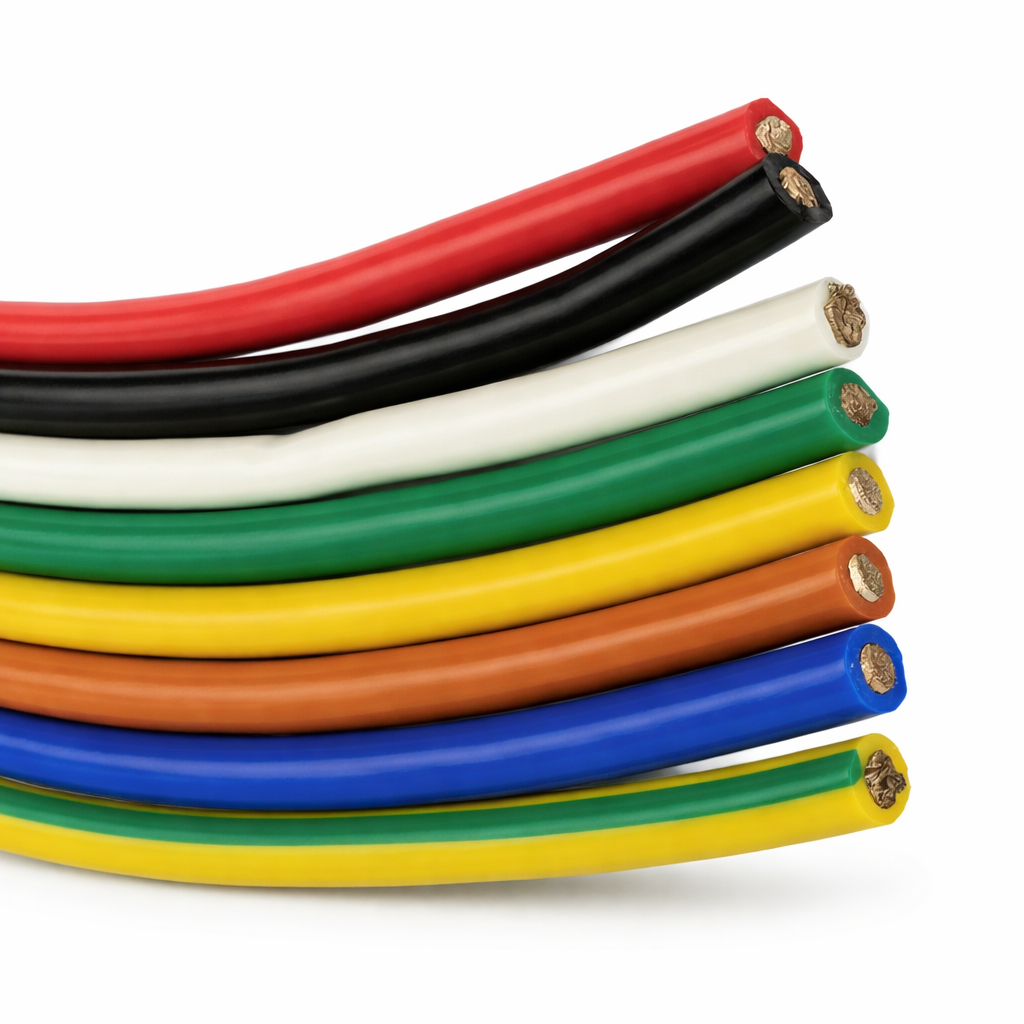
The insulation surrounding ofc 0 gauge wire must withstand environmental conditions while maintaining electrical integrity throughout the service life. Common insulation materials include PVC, XLPE, and TPE, each offering distinct advantages for specific applications. Marine-grade installations typically require tinned copper conductors with specialized insulation compounds that resist moisture absorption and salt corrosion.
Temperature rating considerations become critical when selecting ofc 0 gauge wire for high-heat environments. Standard PVC insulation provides adequate protection up to 90°C, while specialized compounds can withstand temperatures exceeding 150°C. The thermal stability of the insulation directly affects the overall ampacity and service life of the wire installation.
Chemical Resistance and Durability Factors
Industrial applications often expose ofc 0 gauge wire to chemicals, oils, and solvents that can degrade standard insulation materials. Specialized formulations provide resistance to hydrocarbons, acids, and industrial cleaning agents commonly encountered in manufacturing environments. The selection of appropriate chemical-resistant insulation ensures long-term reliability and reduces maintenance requirements.
UV resistance becomes important for ofc 0 gauge wire installations exposed to sunlight or high-intensity lighting. Specialized additives in the insulation compound prevent degradation from ultraviolet radiation, maintaining flexibility and electrical properties over extended exposure periods. These protective characteristics prove essential in outdoor installations and vehicle applications where sun exposure is unavoidable.
Installation Requirements and Best Practices
Mechanical Installation Considerations
Proper installation of ofc 0 gauge wire requires attention to bend radius limitations and mechanical stress factors that could compromise conductor integrity. The large diameter and stiffness of 0 gauge wire necessitate careful routing to avoid sharp bends that might damage the copper strands. Professional installation guidelines specify minimum bend radius requirements based on wire diameter and construction type.
Support spacing and cable management become critical for ofc 0 gauge wire installations due to the weight and mechanical properties of large-gauge conductors. Inadequate support can create stress points that lead to conductor fatigue and eventual failure. Proper cable management systems distribute mechanical loads evenly and prevent damage during thermal expansion and contraction cycles.
Connection Methods and Terminal Selection
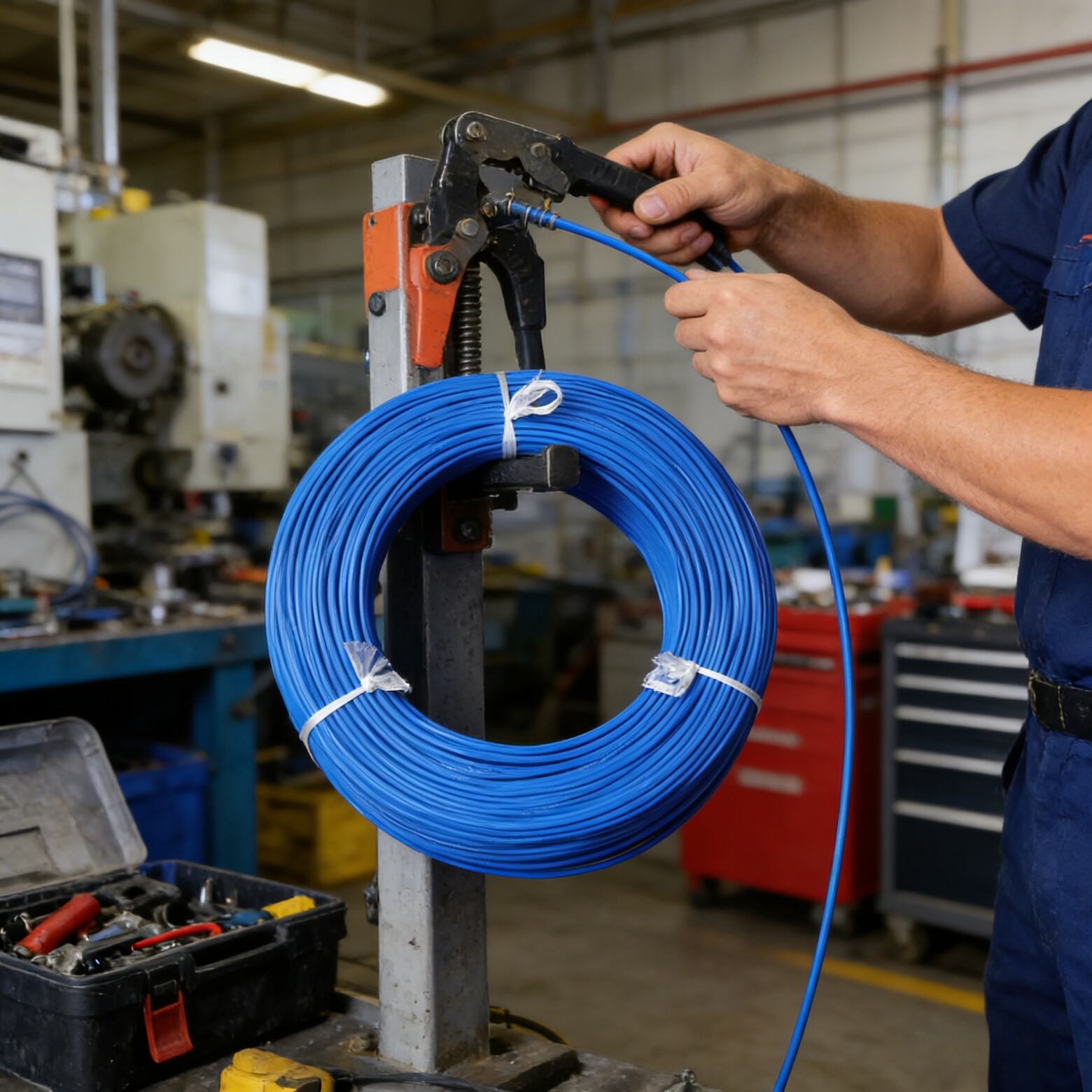
Terminal connections for ofc 0 gauge wire require specialized crimping tools and terminals designed for large-gauge applications. The connection quality directly affects system resistance and long-term reliability, making proper crimping techniques essential for professional installations. Hydraulic crimping tools provide consistent compression and ensure optimal electrical contact between conductor and terminal.
Corrosion prevention at connection points becomes particularly important for ofc 0 gauge wire installations in marine and automotive environments. Specialized terminal compounds and heat-shrink tubing create sealed connections that resist moisture and salt corrosion. These protective measures extend service life and maintain electrical integrity in challenging environmental conditions.
Application-Specific Selection Guidelines
Automotive and Marine Applications
Automotive applications utilizing ofc 0 gauge wire typically involve high-current charging systems, amplifier installations, and electrical system upgrades. The superior conductivity and flexibility of OFC construction make it ideal for routing through confined spaces while maintaining excellent electrical performance. Marine applications benefit from the corrosion resistance and reliability of properly specified ofc 0 gauge wire in salt-water environments.
Battery charging systems represent a primary application for ofc 0 gauge wire due to the high current requirements and efficiency demands of modern electrical systems. The low resistance characteristics minimize power loss during charging cycles and improve overall system efficiency. These advantages translate into faster charging times and reduced heat generation in high-performance applications.
Industrial and Commercial Installations
Industrial power distribution systems often specify ofc 0 gauge wire for motor feeders, welding equipment connections, and high-current control circuits. The consistent electrical properties and thermal stability of OFC construction ensure reliable operation in demanding industrial environments. Commercial installations benefit from the long service life and reduced maintenance requirements associated with premium ofc 0 gauge wire.
Solar power installations increasingly utilize ofc 0 gauge wire for DC power transmission between inverters and battery banks. The efficiency advantages of OFC construction become significant in renewable energy applications where power loss directly impacts system economics. The environmental durability of properly specified ofc 0 gauge wire ensures reliable operation throughout the 25-year service life typical of solar installations.
Quality Standards and Certification Requirements
Industry Testing Standards
Professional-grade ofc 0 gauge wire must meet stringent testing standards established by organizations such as UL, CSA, and IEC. These standards verify electrical performance, insulation integrity, and environmental resistance characteristics through comprehensive testing protocols. Certification ensures that the wire meets minimum performance requirements for safety-critical applications.
Continuous quality monitoring during manufacturing processes ensures consistent electrical and mechanical properties in production ofc 0 gauge wire. Advanced testing equipment measures conductor resistance, insulation thickness, and tensile strength to verify compliance with published specifications. These quality control measures provide confidence in long-term performance and reliability.
Traceability and Documentation
Professional installations often require detailed documentation and traceability for ofc 0 gauge wire to ensure compliance with regulatory requirements and warranty obligations. Manufacturers provide certificates of compliance and test reports that verify electrical properties and material composition. This documentation becomes essential for applications requiring regulatory approval or quality system compliance.
Lot tracking and batch identification enable rapid response to quality issues and facilitate maintenance planning for large installations. Professional-grade ofc 0 gauge wire includes marking systems that identify manufacturing date, specifications, and quality certifications. These identification systems support lifecycle management and ensure proper replacement materials are selected during maintenance operations.
Cost Analysis and Value Considerations
Initial Investment vs Long-Term Value
While ofc 0 gauge wire typically commands a premium price compared to standard copper alternatives, the superior performance and longevity often justify the additional investment. Reduced voltage drop translates into improved system efficiency and lower operating costs over the service life of the installation. The enhanced reliability reduces maintenance requirements and minimizes downtime costs in critical applications.
Total cost of ownership calculations should include energy savings, reduced maintenance, and improved reliability when evaluating ofc 0 gauge wire alternatives. The superior electrical properties can reduce power consumption by 3-8% in high-current applications, providing measurable operational savings. These efficiency gains compound over the service life of the installation, often offsetting the initial price premium within 2-3 years.
Performance Return on Investment
Performance improvements from ofc 0 gauge wire often exceed the cost premium through enhanced system capabilities and reduced operational issues. Audio applications benefit from improved signal clarity and reduced noise, while power systems achieve better regulation and efficiency. These performance advantages can enable system upgrades or improvements that would not be possible with standard wire alternatives.
Risk mitigation represents an often-overlooked value component of premium ofc 0 gauge wire selection. The superior reliability and consistent performance reduce the probability of system failures and associated costs. In critical applications where downtime creates significant economic impact, the reliability advantages of OFC construction provide substantial insurance value beyond the basic electrical performance benefits.
FAQ
What makes OFC different from regular copper wire
OFC (Oxygen-Free Copper) undergoes a specialized manufacturing process that removes oxygen content to achieve 99.95% copper purity, significantly improving electrical conductivity compared to standard copper wire. This purification process eliminates microscopic impurities that create resistance and heat buildup, resulting in 3-5% better conductivity and improved signal integrity in high-current applications.
How do I determine the correct ampacity for my application
Ampacity calculations for ofc 0 gauge wire depend on installation conditions, ambient temperature, and ventilation. Standard 0 gauge OFC wire typically handles 150-200 amperes continuously, but this rating must be derated for high-temperature environments, bundled installations, or enclosed conduit runs. Consult NEC tables and manufacturer specifications for precise ampacity ratings based on your specific installation conditions.
Can I use standard crimping tools with 0 gauge wire
Standard crimping tools are inadequate for ofc 0 gauge wire due to the large conductor diameter and force requirements for proper compression. Professional installations require hydraulic or high-leverage crimping tools specifically designed for large-gauge applications. Proper crimping ensures optimal electrical connection and long-term reliability, making appropriate tooling essential for quality installations.
What insulation type should I choose for marine applications
Marine applications require ofc 0 gauge wire with specialized insulation designed for moisture resistance and salt corrosion protection. Tinned copper conductors with marine-grade insulation compounds provide optimal protection against environmental degradation. Look for wire rated for wet locations with appropriate temperature ratings and chemical resistance specifications for your specific marine installation requirements.
Table of Contents
- Understanding OFC Technology and Its Advantages
- Current Capacity and Ampacity Considerations
- Insulation Types and Environmental Protection
- Installation Requirements and Best Practices
- Application-Specific Selection Guidelines
- Quality Standards and Certification Requirements
- Cost Analysis and Value Considerations
- FAQ