EN
EN


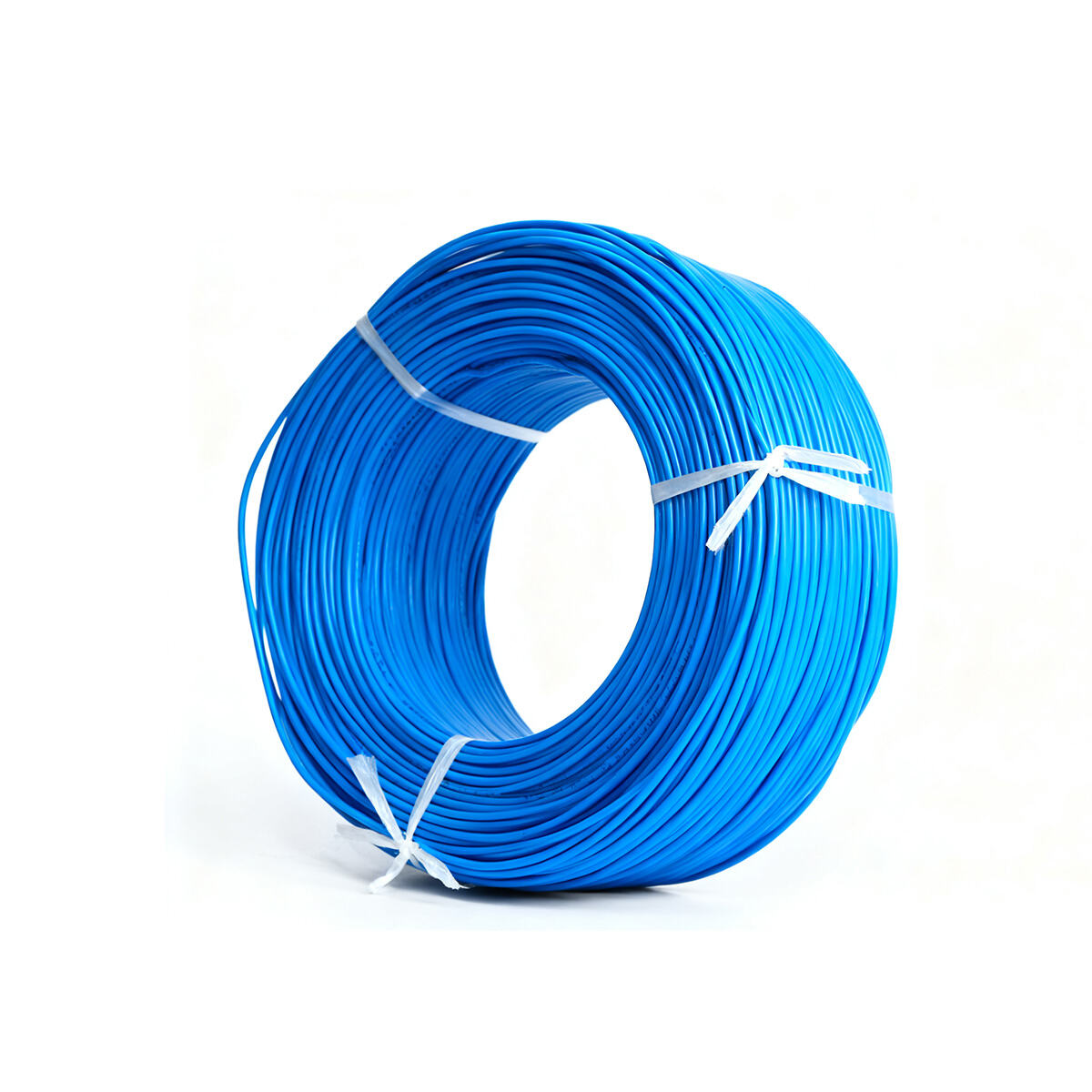
In the world of electrical installations and audio systems, professionals consistently turn to oxygen-free copper solutions for their most demanding applications. The superior performance characteristics and reliability of specialized copper conductors have made them the preferred choice for critical electrical connections where maximum conductivity is essential. Understanding the technical advantages and practical benefits of these high-performance conductors helps explain why industry professionals consistently choose them over standard alternatives for their most important projects.
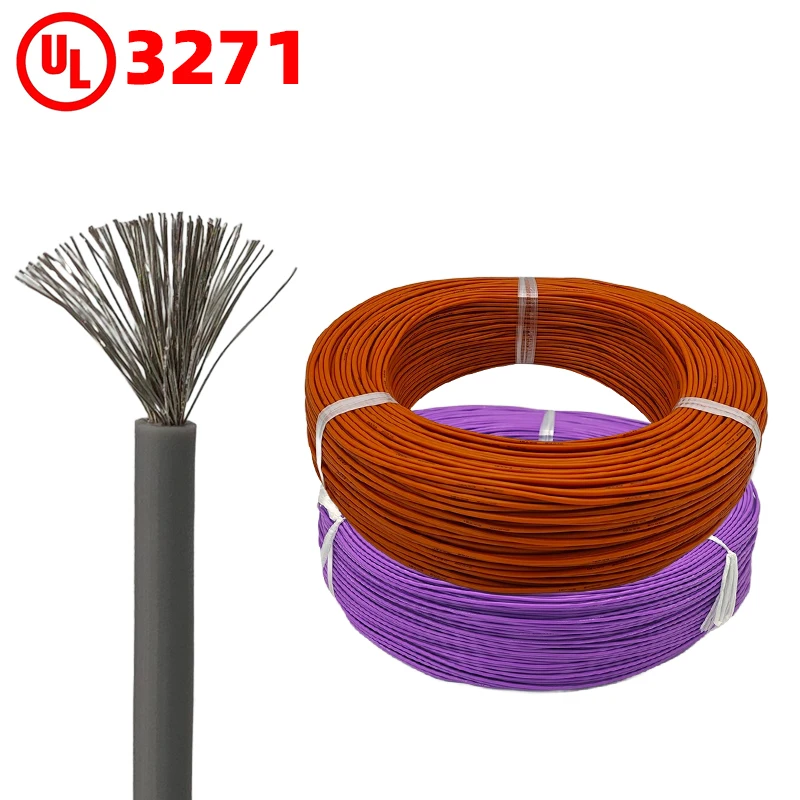
Understanding Oxygen-Free Copper Technology
The Science Behind Superior Conductivity
Oxygen-free copper represents the pinnacle of conductor technology, featuring copper purity levels exceeding 99.95% with minimal oxygen content. This advanced manufacturing process removes impurities that can create resistance points and signal degradation in electrical applications. The crystalline structure of oxygen-free copper allows electrons to flow more efficiently through the conductor, resulting in measurably lower resistance values compared to standard copper alternatives.
The manufacturing process involves careful control of atmospheric conditions during copper refining, ensuring that oxygen levels remain below 10 parts per million. This meticulous attention to purity creates a conductor material with exceptional electrical properties that translate directly into improved system performance. Professional electricians and audio engineers recognize these technical advantages when selecting conductors for their most critical applications.
Material Properties and Performance Characteristics
The unique molecular structure of oxygen-free copper provides several distinct advantages over conventional conductor materials. Lower oxygen content eliminates microscopic barriers that can impede electron flow, resulting in reduced resistance and improved signal integrity. These material properties become particularly important in high-current applications where even small improvements in conductivity can significantly impact overall system efficiency.
Professionals working with power distribution systems appreciate the enhanced current-carrying capacity that comes with superior conductor purity. The improved electrical characteristics translate into reduced voltage drop across longer conductor runs, allowing for more efficient power transmission and better overall system performance. These technical benefits make ofc 0 gauge wire an ideal choice for demanding electrical applications.
Professional Applications and Industry Usage
Power Distribution Systems
Industrial facilities and commercial buildings rely on high-performance conductors for their main power distribution networks. The superior current-carrying capacity of ofc 0 gauge wire makes it particularly suitable for primary electrical feeds where maximum efficiency is crucial. Electrical contractors choose these conductors for main service entrances, distribution panels, and high-current branch circuits where performance cannot be compromised.
The reduced resistance characteristics of oxygen-free copper conductors provide measurable benefits in large-scale electrical installations. Lower resistance translates directly into reduced energy losses during power transmission, resulting in improved overall system efficiency and lower operating costs. Professional electricians recognize these long-term economic benefits when specifying conductor materials for major electrical projects.
Audio and Entertainment Systems
Professional audio installations demand the highest quality conductor materials to maintain signal integrity and minimize interference. Recording studios, concert venues, and broadcast facilities rely on ofc 0 gauge wire for their most critical audio connections where any signal degradation is unacceptable. The superior conductivity and reduced noise characteristics of oxygen-free copper make it the standard choice for professional audio applications.
Sound engineers and installation professionals appreciate the consistent performance characteristics that come with high-purity copper conductors. The improved signal-to-noise ratio and reduced distortion help maintain audio quality throughout complex signal chains. These performance benefits become particularly important in professional environments where audio quality directly impacts the success of productions and events.
Technical Specifications and Performance Benefits
Electrical Characteristics
The electrical properties of ofc 0 gauge wire exceed industry standards for conductivity and performance reliability. With resistance values typically 2-3% lower than standard copper conductors, these high-performance cables deliver measurable improvements in electrical efficiency. The enhanced conductivity becomes particularly beneficial in applications requiring maximum current transfer with minimal energy loss.
Professional installations benefit from the superior voltage regulation that comes with lower-resistance conductors. Reduced voltage drop across conductor runs means better performance for connected equipment and improved overall system reliability. These technical advantages make oxygen-free copper conductors the preferred choice for critical electrical applications where performance cannot be compromised.
Durability and Longevity
The manufacturing quality of ofc 0 gauge wire extends beyond electrical performance to include superior mechanical properties and long-term reliability. The high-purity copper construction resists corrosion and oxidation better than standard conductors, ensuring consistent performance over extended service life. Professional installers value this reliability when specifying conductor materials for permanent installations.
The enhanced durability characteristics reduce maintenance requirements and extend service intervals for electrical systems. Professional contractors appreciate the reduced callback potential and improved customer satisfaction that comes with specifying high-quality conductor materials. These long-term reliability benefits justify the initial investment in premium conductor technology for professional applications.
Installation Considerations and Best Practices
Proper Handling Techniques
Professional installation of ofc 0 gauge wire requires attention to proper handling techniques to preserve the conductor's superior electrical properties. Careful attention to bend radius requirements prevents damage to the conductor structure that could compromise performance. Experienced electricians understand the importance of using appropriate tools and techniques when working with high-performance conductor materials.
The flexibility characteristics of oxygen-free copper conductors require specific installation methods to achieve optimal performance. Professional installers use specialized techniques to maintain conductor integrity while achieving the routing requirements of complex electrical installations. These installation best practices ensure that the superior electrical properties of ofc 0 gauge wire are fully realized in the completed installation.
Connection Methods and Termination
Proper termination techniques are essential to realize the full performance potential of high-quality conductor materials. Professional electricians use appropriate connection hardware and installation methods to maintain the electrical integrity of ofc 0 gauge wire throughout the complete circuit path. The superior conductivity of oxygen-free copper requires compatible connection methods to prevent performance degradation at termination points.
Industry professionals recognize that connection quality can significantly impact overall system performance, particularly when working with premium conductor materials. Proper torque specifications, compatible hardware materials, and appropriate installation techniques ensure that the electrical characteristics of ofc 0 gauge wire are maintained throughout the complete electrical system. These attention to detail factors separate professional installations from amateur attempts.
Comparison with Standard Conductor Options
Performance Advantages
Direct comparison testing demonstrates the measurable performance advantages of ofc 0 gauge wire over standard copper conductors in demanding applications. Lower resistance values translate into improved current-carrying capacity and reduced energy losses during power transmission. Professional engineers rely on these performance metrics when selecting conductor materials for critical electrical applications.
The superior electrical characteristics become particularly evident in high-current applications where small improvements in conductivity provide significant system benefits. Professional contractors document these performance improvements to justify the specification of premium conductor materials for their most demanding projects. The measurable benefits support the investment in high-quality conductor technology for professional applications.
Cost-Benefit Analysis
While ofc 0 gauge wire represents a premium investment compared to standard conductor options, professional analysis reveals significant long-term value benefits. Reduced energy losses, improved system reliability, and extended service life provide economic benefits that often exceed the initial cost differential. Professional contractors present these value propositions to clients when recommending premium conductor materials.
The total cost of ownership calculations favor high-performance conductor materials in most professional applications. Reduced maintenance requirements, improved system efficiency, and enhanced reliability contribute to lower lifetime costs despite higher initial material expenses. Professional electrical contractors recognize these economic benefits when specifying conductor materials for long-term installations.
FAQ
What makes oxygen-free copper conductors superior to standard copper wire
Oxygen-free copper contains less than 10 parts per million of oxygen compared to standard copper, which can contain up to 200-400 ppm. This reduced oxygen content eliminates microscopic barriers that impede electron flow, resulting in 2-3% lower resistance values and improved conductivity. The manufacturing process creates a more uniform crystalline structure that allows electrons to move more efficiently through the conductor material.
How does conductor gauge affect electrical performance in professional applications
Larger conductor gauges like 0 gauge provide lower resistance per unit length, enabling higher current-carrying capacity with reduced voltage drop. In professional installations, ofc 0 gauge wire can safely carry significantly more current than smaller conductors while maintaining voltage regulation requirements. The combination of large conductor cross-section and high-purity copper materials maximizes both current capacity and electrical efficiency.
What installation considerations are important for maximizing conductor performance
Proper installation requires attention to minimum bend radius requirements, appropriate support spacing, and compatible termination hardware. Professional installers ensure that ofc 0 gauge wire maintains its electrical properties by using proper handling techniques and avoiding damage during installation. Connection torque specifications and hardware compatibility are critical factors that can significantly impact overall system performance.
How do professionals verify the quality and authenticity of premium conductor materials
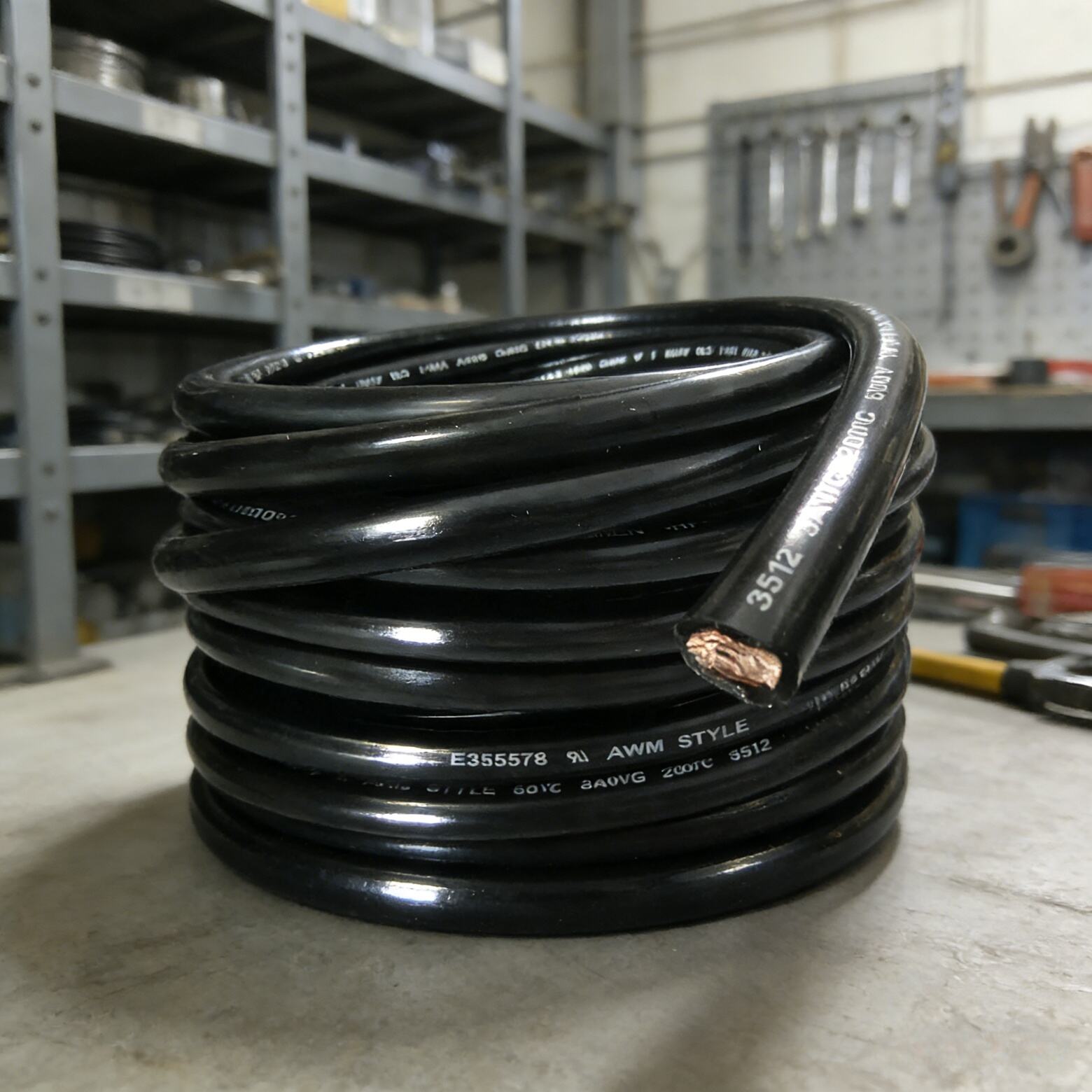
Professional contractors verify conductor quality through documentation review, visual inspection, and performance testing when necessary. Authentic ofc 0 gauge wire includes manufacturer specifications, test certificates, and proper marking identification. Resistance measurements and conductivity testing can confirm the electrical properties of conductor materials when quality verification is required for critical applications.
Table of Contents
- Understanding Oxygen-Free Copper Technology
- Professional Applications and Industry Usage
- Technical Specifications and Performance Benefits
- Installation Considerations and Best Practices
- Comparison with Standard Conductor Options
-
FAQ
- What makes oxygen-free copper conductors superior to standard copper wire
- How does conductor gauge affect electrical performance in professional applications
- What installation considerations are important for maximizing conductor performance
- How do professionals verify the quality and authenticity of premium conductor materials