EN
EN


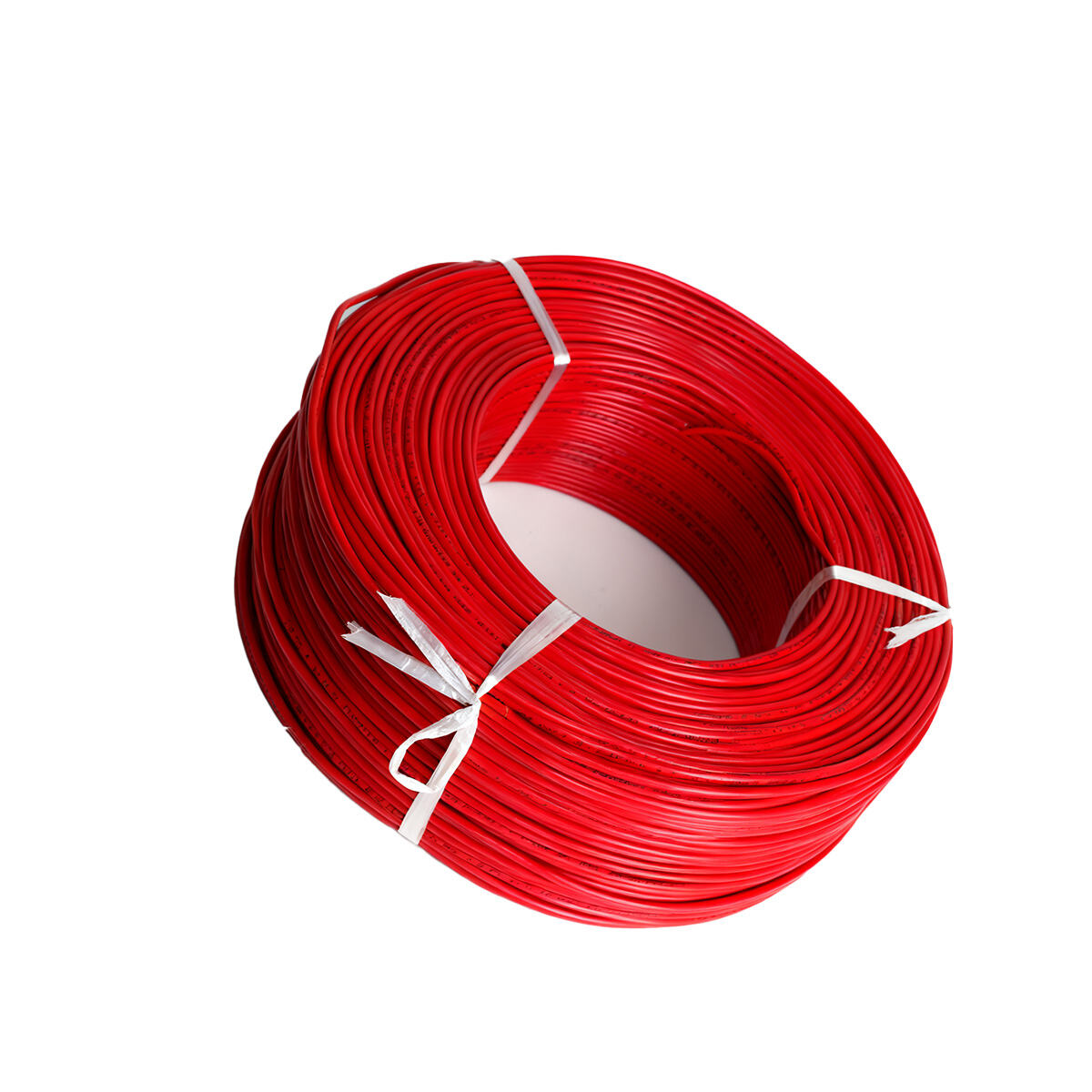
Understanding how ac wire maintains stable current flow in household electrical systems is fundamental to ensuring reliable power distribution and preventing electrical failures. The design and construction of ac wire specifically addresses the unique challenges posed by alternating current, where the flow of electricity changes direction periodically, requiring specialized materials and configurations to maintain consistent power delivery throughout residential applications.
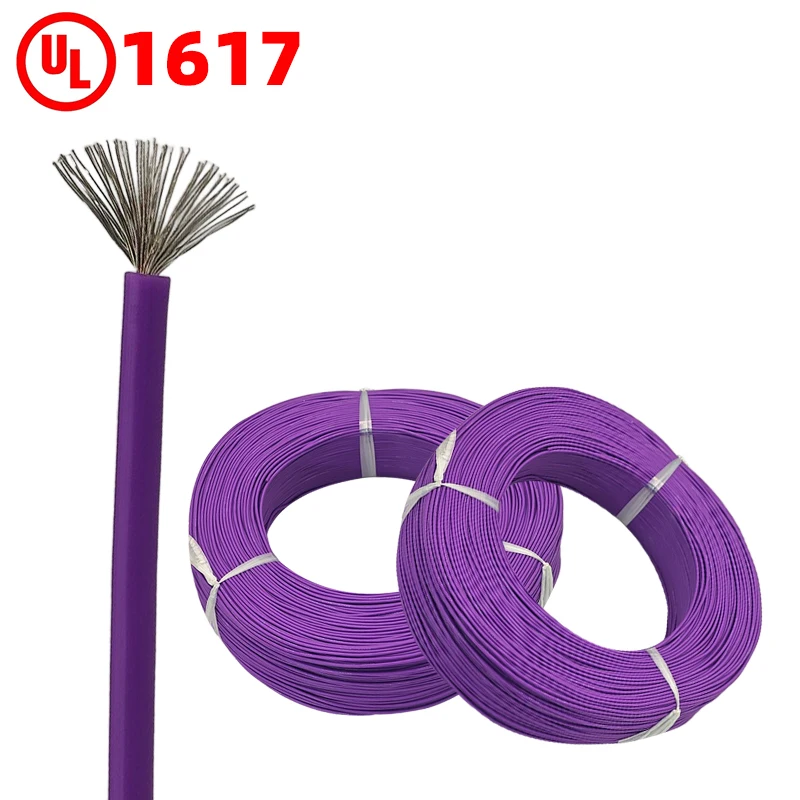
The stability of current flow through ac wire depends on multiple engineering factors working in harmony, including conductor material properties, insulation design, voltage ratings, and electromagnetic field management. These elements combine to create a robust transmission medium that can handle the dynamic nature of alternating current while protecting both the electrical system and the household occupants from potential hazards.
Conductor Design and Material Properties
Copper and Aluminum Core Construction
The conductor core of ac wire serves as the primary pathway for electrical current, and its material composition directly impacts flow stability. Copper conductors offer superior conductivity and resistance to corrosion, making them ideal for maintaining consistent electrical flow over extended periods. The crystalline structure of copper allows electrons to move freely with minimal resistance, reducing voltage drops that could destabilize current flow.
Aluminum conductors, while more cost-effective, require careful engineering to achieve comparable stability. The higher resistance of aluminum means that ac wire using aluminum cores must have larger cross-sectional areas to maintain equivalent current-carrying capacity. This size adjustment compensates for the material's inherent properties and ensures stable current flow under normal household loads.
The manufacturing process of ac wire conductors involves precise drawing and annealing procedures that optimize the metal's grain structure. This treatment reduces internal stress points that could create localized resistance increases, ensuring uniform current distribution across the entire conductor cross-section.
Stranded versus Solid Conductor Configuration
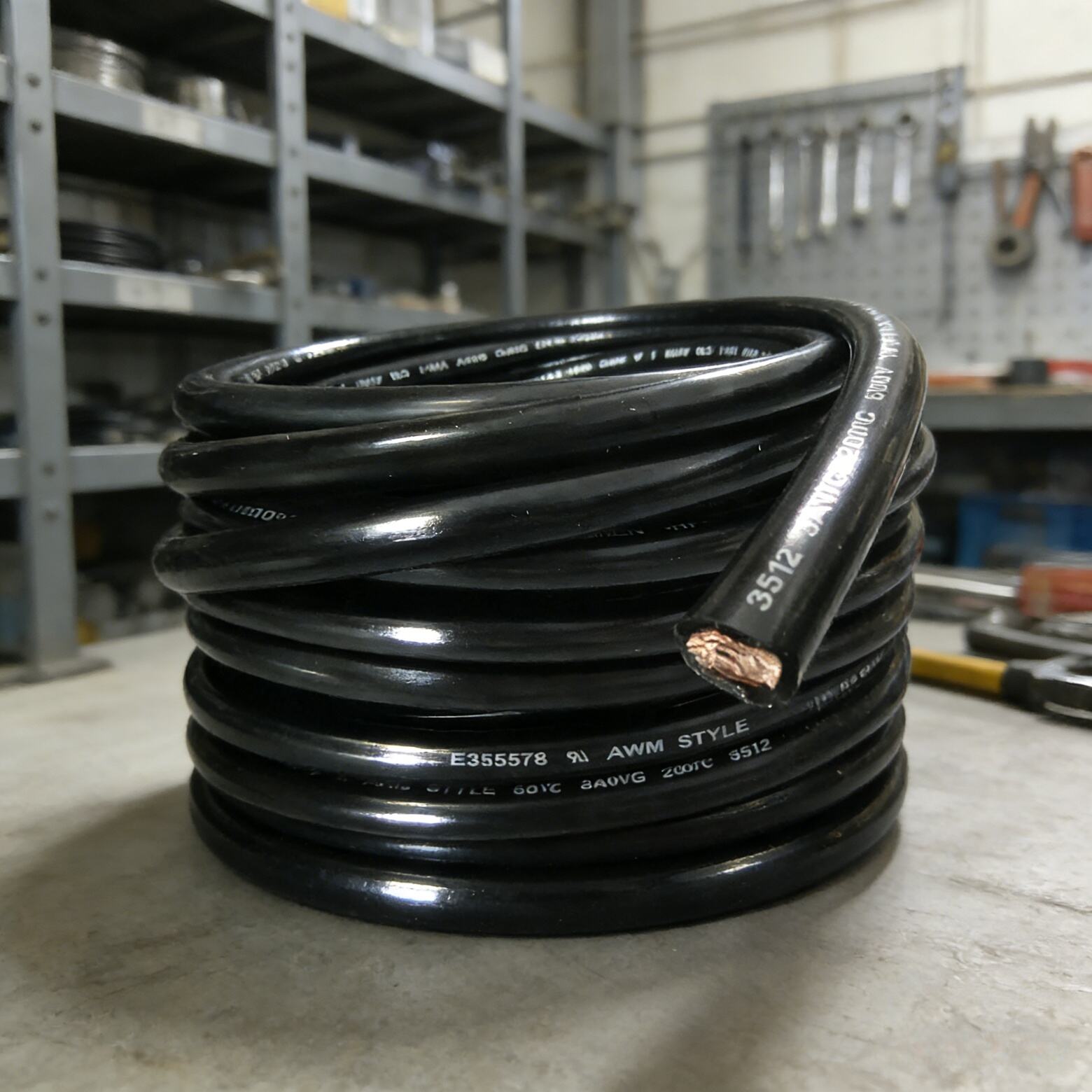
Stranded ac wire configurations enhance current flow stability by distributing electrical load across multiple smaller conductors within a single wire assembly. This design reduces the impact of skin effect, where alternating current tends to flow primarily near the conductor surface at higher frequencies. By providing multiple parallel paths, stranded ac wire maintains more consistent impedance characteristics.
Solid conductor ac wire offers advantages in terms of direct current resistance and simplified termination procedures. However, the single conductor path makes it more susceptible to complete failure if damaged. The choice between stranded and solid configurations depends on the specific application requirements and the need for flexibility versus durability in the household system.
The twisting pattern in stranded ac wire also contributes to electromagnetic compatibility by reducing the magnetic field interactions that could induce unwanted currents or interference. This design consideration becomes particularly important in household systems with multiple circuits running in close proximity.
Insulation Systems and Voltage Management
Dielectric Properties and Breakdown Prevention
The insulation system surrounding ac wire conductors plays a crucial role in maintaining stable current flow by preventing leakage currents and ensuring proper voltage containment. Modern ac wire insulation materials like cross-linked polyethylene and PVC are engineered with specific dielectric constants that minimize energy losses while providing robust electrical isolation.
Insulation thickness in ac wire is carefully calculated based on the operating voltage and safety margins required for household applications. Insufficient insulation can lead to partial discharge phenomena that gradually degrade the wire's ability to maintain stable current flow. Proper insulation thickness prevents these breakdown mechanisms and ensures long-term electrical stability.
The thermal properties of ac wire insulation also affect current flow stability by managing heat dissipation. As current flows through the conductor, resistive heating occurs, and the insulation must effectively transfer this heat to the surrounding environment to prevent temperature-induced resistance changes that could destabilize the current flow.
Multi-Layer Protection Systems
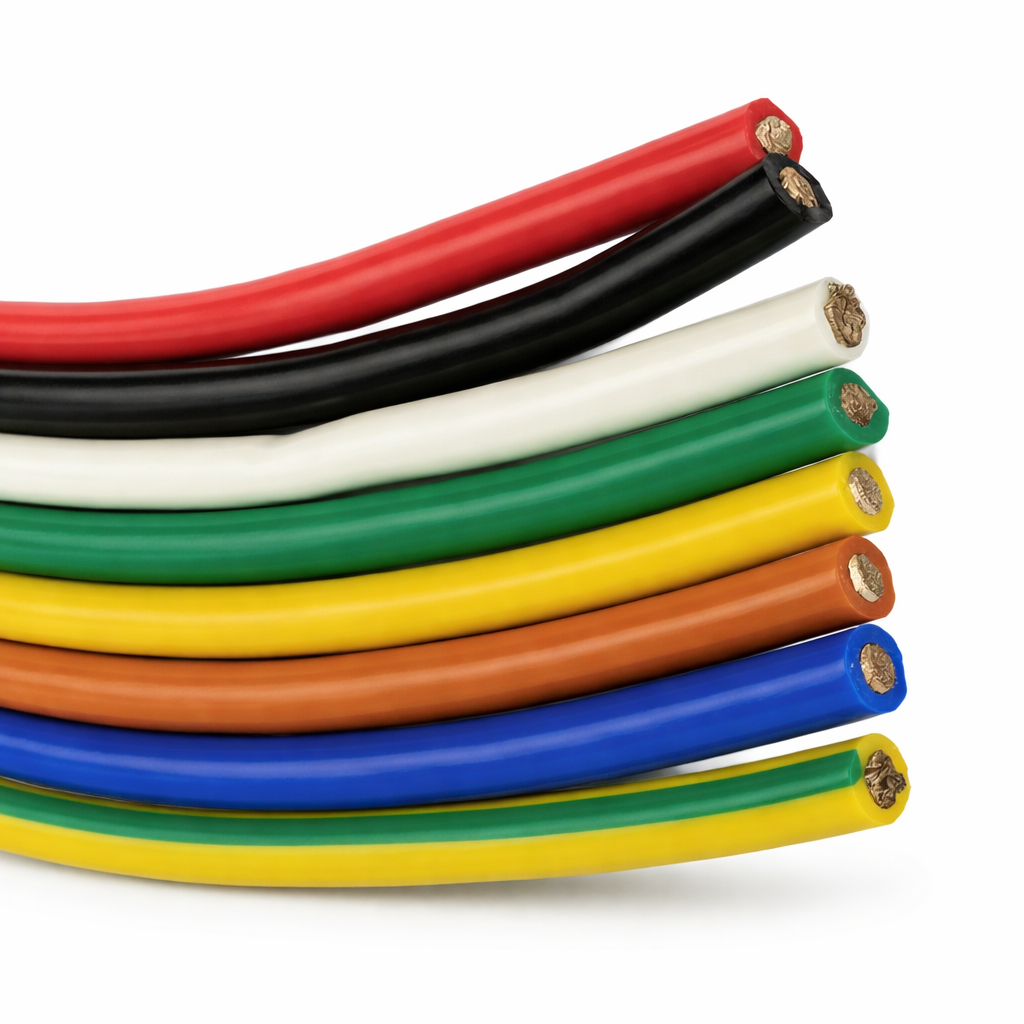
Advanced ac wire designs incorporate multiple insulation layers, each serving specific functions in maintaining current flow stability. The primary insulation layer provides direct electrical isolation, while outer layers may include moisture barriers, mechanical protection, and electromagnetic shielding depending on the application requirements.
Moisture ingress represents a significant threat to ac wire current flow stability, as water contamination can create conductive paths that bypass the intended circuit. Multi-layer insulation systems in ac wire include hydrophobic materials and sealed construction techniques that prevent moisture penetration under normal household environmental conditions.
The interface between insulation layers in ac wire must be carefully engineered to prevent delamination and void formation. These defects can concentrate electrical stress and lead to premature insulation failure, compromising the wire's ability to maintain stable current flow over its intended service life.
Electromagnetic Field Management and Circuit Integrity
Magnetic Field Containment and Reduction
Alternating current in ac wire generates time-varying magnetic fields that can interact with nearby conductors and electronic devices. Proper ac wire design includes provisions for containing these magnetic fields to prevent interference with other household systems and maintain stable current flow characteristics across all connected circuits.
The geometric arrangement of conductors within ac wire assemblies can significantly impact magnetic field patterns. Twisted pair configurations and balanced conductor spacing help cancel opposing magnetic fields, reducing the overall electromagnetic signature and preventing external fields from inducing unwanted currents in the ac wire system.
Shielding systems in specialized ac wire applications provide additional magnetic field containment through conductive barriers that redirect electromagnetic energy away from sensitive components. This shielding ensures that the current flow remains stable even in electrically noisy household environments with multiple electronic devices operating simultaneously.
Grounding and Fault Protection Integration
Effective grounding systems work in conjunction with ac wire design to maintain stable current flow by providing controlled paths for fault currents and electromagnetic interference. The grounding conductor in ac wire assemblies must have sufficient current-carrying capacity to handle fault conditions without compromising the normal current flow in the active conductors.
The impedance characteristics of ac wire grounding systems must be carefully matched to the overall circuit design to ensure rapid fault detection and clearing. High-impedance ground paths can allow fault currents to persist, potentially destabilizing the current flow in healthy portions of the household electrical system.
Equipotential bonding through ac wire grounding systems helps eliminate voltage differences between different parts of the household electrical installation. This voltage equalization prevents circulating currents that could interfere with the stable operation of connected loads and reduce the overall efficiency of the electrical system.
Installation Factors and Environmental Considerations
Proper Routing and Support Systems
The physical installation of ac wire significantly impacts its ability to maintain stable current flow over time. Proper routing techniques avoid sharp bends and excessive tension that could stress the conductor and insulation materials, potentially creating resistance variations that destabilize current flow patterns.
Support systems for ac wire must account for thermal expansion and contraction cycles that occur during normal operation. Inadequate support can lead to mechanical stress concentrations that gradually degrade the wire's electrical properties and compromise current flow stability, particularly at connection points and terminations.
The separation distances between different ac wire circuits must be maintained to prevent mutual inductance effects that could introduce current instabilities. Proper spacing also ensures adequate heat dissipation and prevents temperature-related resistance changes that could affect current flow characteristics.
Environmental Protection and Longevity
Environmental factors such as temperature extremes, humidity, and chemical exposure can significantly impact ac wire performance and current flow stability. Proper material selection and installation techniques protect the wire from these environmental stressors throughout its operational lifetime.
UV radiation exposure represents a particular concern for ac wire installations in areas with natural lighting. Photodegradation of insulation materials can lead to brittle failure modes that compromise the wire's ability to maintain stable current flow, necessitating the use of UV-resistant materials in exposed applications.
Corrosive environments require special consideration in ac wire selection and installation. Chemical attack on conductor materials or insulation systems can create localized resistance increases or insulation breakdown that destabilizes current flow and potentially creates safety hazards in household electrical systems.
FAQ
What makes ac wire different from dc wire in terms of current flow stability?
Ac wire is specifically designed to handle the changing direction and magnitude of alternating current, which creates unique challenges not present in dc applications. The alternating nature of ac current produces skin effect phenomena where current tends to flow near the conductor surface, requiring different conductor designs and insulation systems to maintain stable flow characteristics compared to dc wire applications.
How does the gauge size of ac wire affect current flow stability in household circuits?
Larger gauge ac wire provides lower electrical resistance and better current-carrying capacity, which directly improves current flow stability by reducing voltage drops and heat generation. Undersized ac wire can lead to excessive voltage drops, overheating, and unstable current flow that may cause flickering lights, motor performance issues, and potential safety hazards in household electrical systems.
Can damaged insulation on ac wire still maintain stable current flow?
Damaged insulation on ac wire compromises current flow stability by creating leakage paths, increasing the risk of ground faults, and potentially allowing moisture ingress that can cause corrosion and resistance variations. Even minor insulation damage can lead to gradually worsening current flow instability and should be repaired immediately to maintain safe and reliable electrical system operation.
How do temperature changes affect ac wire current flow stability?
Temperature variations affect ac wire current flow stability through thermal expansion of conductor materials, which changes their resistance characteristics, and through thermal effects on insulation properties. Higher temperatures increase conductor resistance and reduce current-carrying capacity, while extreme cold can make insulation brittle and more susceptible to damage that could destabilize current flow over time.
Table of Contents
- Conductor Design and Material Properties
- Insulation Systems and Voltage Management
- Electromagnetic Field Management and Circuit Integrity
- Installation Factors and Environmental Considerations
-
FAQ
- What makes ac wire different from dc wire in terms of current flow stability?
- How does the gauge size of ac wire affect current flow stability in household circuits?
- Can damaged insulation on ac wire still maintain stable current flow?
- How do temperature changes affect ac wire current flow stability?