EN
EN


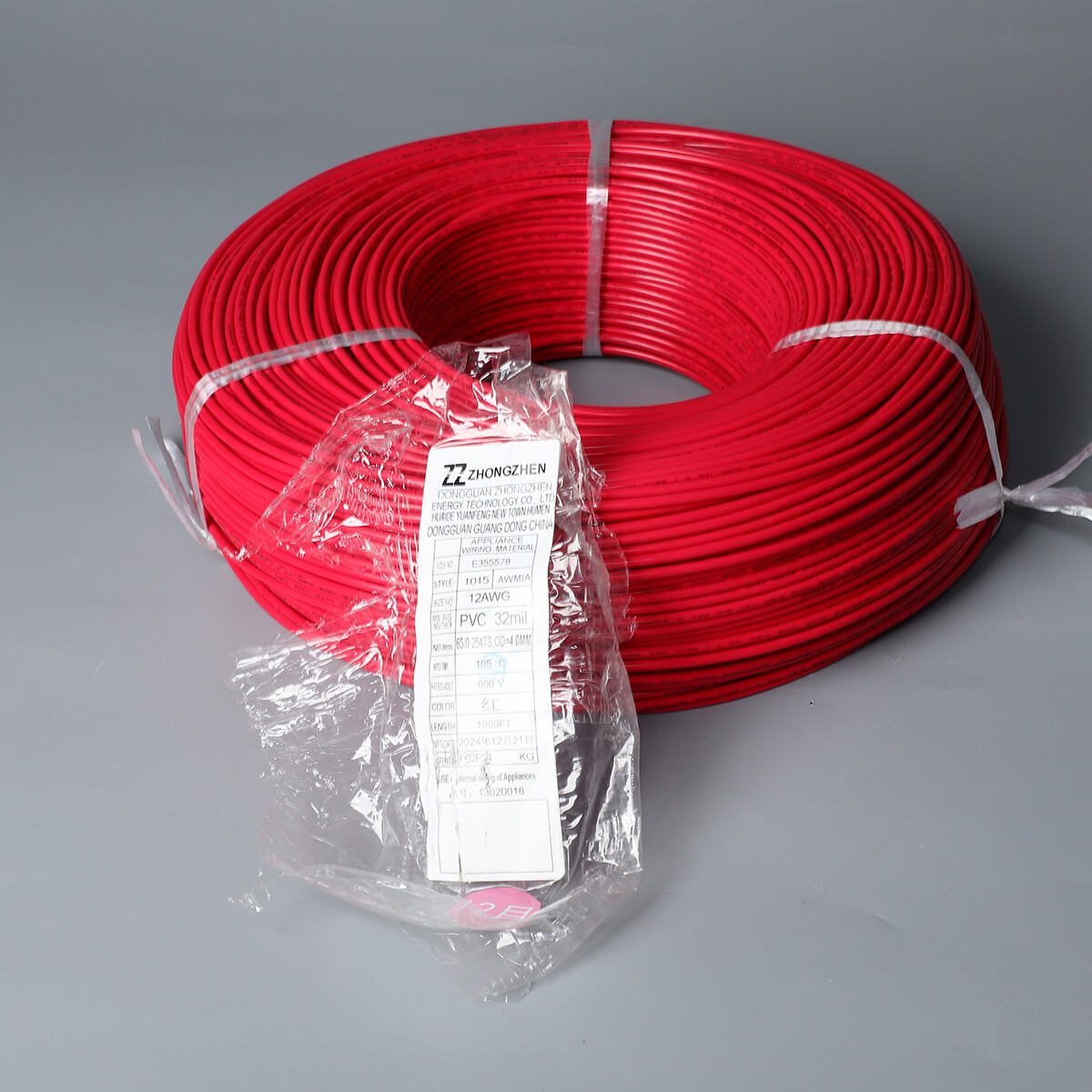
When technicians face the critical task of selecting the right ac wire for electrical installations, the decision extends far beyond simply choosing the cheapest or most available option. The proper selection of ac wire directly impacts system performance, safety compliance, operational longevity, and overall project success. Understanding the key selection criteria enables technicians to make informed decisions that meet both immediate installation requirements and long-term operational demands.
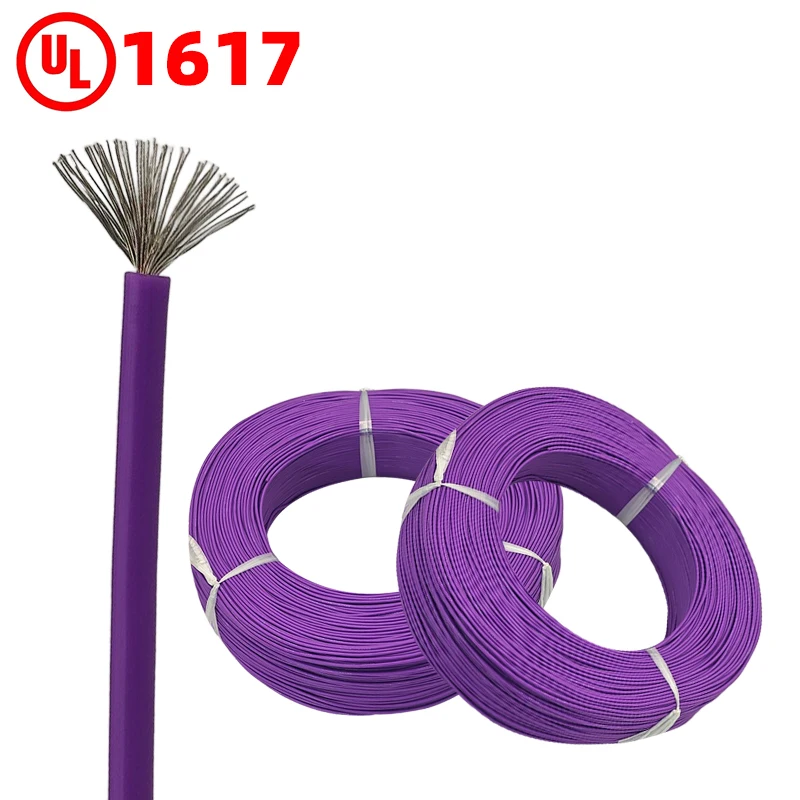
The complexity of modern electrical systems demands that technicians evaluate multiple technical parameters when choosing ac wire. From voltage ratings and current-carrying capacity to environmental resistance and regulatory compliance, each specification plays a crucial role in ensuring reliable electrical connections. This comprehensive evaluation process helps technicians avoid costly installation failures, safety hazards, and premature wire replacement scenarios that can significantly impact project timelines and budgets.
Core Electrical Specifications
Voltage Rating Requirements
The voltage rating represents the maximum voltage that ac wire can safely handle without insulation breakdown or electrical failure. Technicians must select ac wire with voltage ratings that exceed the maximum operating voltage of their electrical system by an appropriate safety margin. Standard voltage ratings for residential and commercial ac wire include 300V, 600V, and 1000V configurations, with each rating designed for specific application environments and load conditions.
Proper voltage rating selection prevents insulation degradation, reduces the risk of electrical faults, and ensures compliance with electrical codes. Technicians should consider not only the nominal system voltage but also potential voltage transients, surge conditions, and harmonics that can temporarily increase voltage levels beyond normal operating parameters. This comprehensive voltage analysis helps ensure that the selected ac wire maintains reliable performance throughout its expected service life.
Current Carrying Capacity
Current carrying capacity, measured in amperes, determines how much electrical current the ac wire can safely conduct without excessive heating or insulation damage. This specification depends on multiple factors including conductor cross-sectional area, ambient temperature, installation method, and grouping with other conductors. Technicians must calculate the expected load current and select ac wire with adequate ampacity to handle both normal operating conditions and potential overload scenarios.
The relationship between wire gauge and current capacity follows established industry standards, with larger conductor diameters supporting higher current levels. However, technicians must also consider derating factors that reduce effective ampacity based on installation conditions. These factors include elevated ambient temperatures, conduit fill percentages, and thermal interaction between multiple conductors installed in proximity to each other.
Conductor Material Properties
The choice between copper and aluminum conductors significantly impacts ac wire performance characteristics and installation requirements. Copper conductors offer superior electrical conductivity, corrosion resistance, and mechanical flexibility, making them the preferred choice for most residential and commercial applications. Aluminum conductors provide cost advantages and lighter weight but require special installation techniques and compatible termination materials to prevent galvanic corrosion and connection failures.
Technicians should evaluate conductor material based on specific application requirements, environmental conditions, and long-term maintenance considerations. Copper ac wire generally provides more reliable connections and requires less specialized handling during installation, while aluminum options may be appropriate for larger gauge applications where cost and weight considerations outweigh the additional installation complexity.
Insulation and Jacketing Considerations
Insulation Material Selection
The insulation material surrounding ac wire conductors provides electrical isolation, mechanical protection, and environmental resistance. Common insulation materials include PVC (polyvinyl chloride), XLPE (cross-linked polyethylene), and rubber compounds, each offering distinct performance characteristics. PVC insulation provides good general-purpose performance and cost-effectiveness, while XLPE offers superior temperature resistance and moisture protection for demanding applications.
Technicians must match insulation material properties to specific installation environments and operating conditions. Factors such as temperature range, moisture exposure, chemical resistance, and UV stability influence insulation material selection. The chosen ac wire insulation must maintain its protective properties throughout the expected service life while resisting degradation from environmental stressors.
Jacket Protection Features
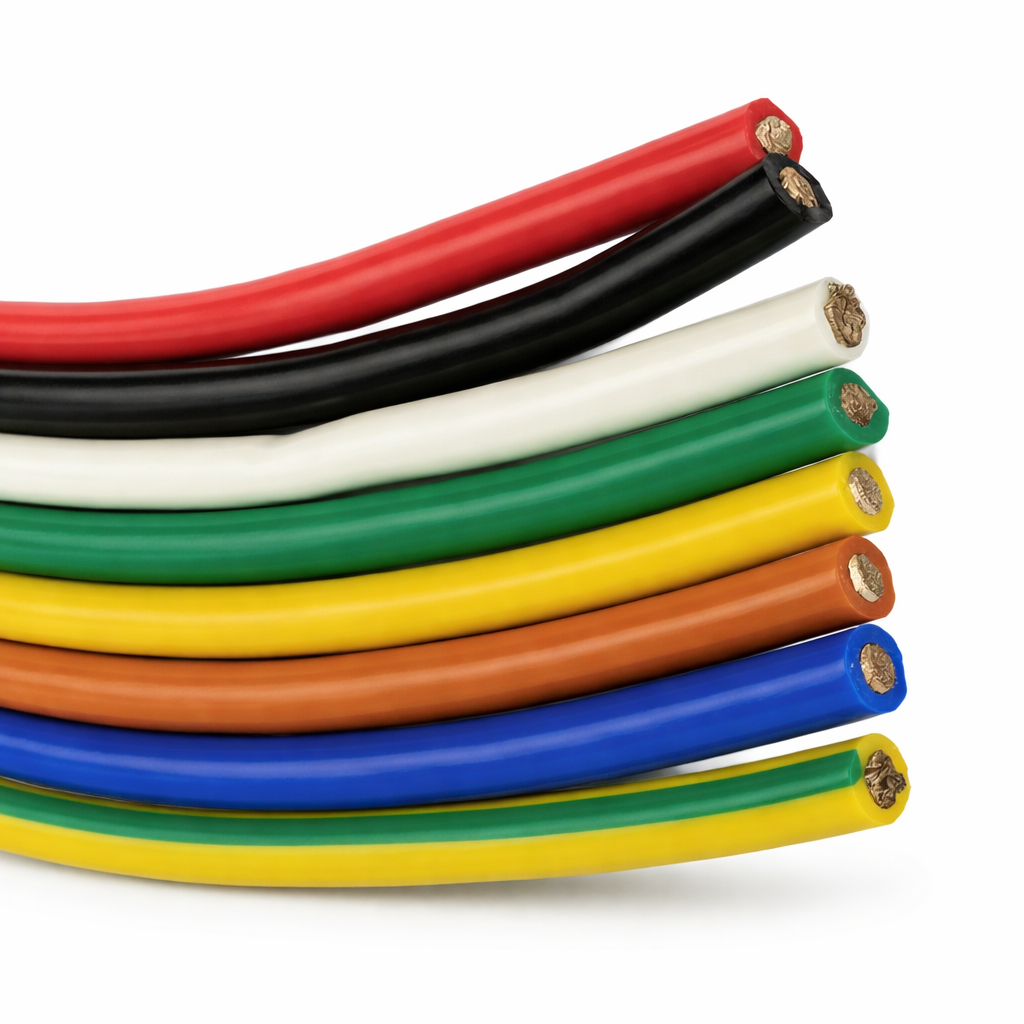
The outer jacket of ac wire provides additional protection against physical damage, moisture ingress, and chemical exposure. Multi-conductor cables typically feature protective jackets that shield individual insulated conductors from external hazards. Jacket materials range from basic PVC compounds to specialized formulations offering enhanced flame resistance, oil resistance, or sunlight protection for specific installation environments.
Technicians should evaluate jacket requirements based on installation location and potential exposure conditions. Indoor installations may require only basic moisture protection, while outdoor or industrial applications demand jackets with superior weather resistance, abrasion protection, and chemical compatibility. The jacket thickness and material composition directly influence the ac wire's ability to withstand mechanical stress during installation and service life.
Environmental and Installation Factors
Temperature Rating Analysis
Temperature ratings define the maximum continuous operating temperature that ac wire can safely handle without insulation degradation or reduced service life. Standard temperature ratings include 60°C, 75°C, and 90°C classifications, with higher-rated conductors supporting increased current capacity and improved performance in elevated temperature environments. Technicians must consider both ambient temperature conditions and heat generated by electrical current flow when selecting appropriate temperature ratings.
The relationship between temperature rating and current capacity creates important selection trade-offs for technicians. Higher temperature-rated ac wire allows for smaller conductor sizes at equivalent current levels, potentially reducing material costs and installation complexity. However, the actual operating temperature depends on load conditions, ambient environment, and installation method, requiring careful analysis to ensure optimal performance and safety compliance.
Environmental Resistance Requirements
Environmental conditions significantly impact ac wire selection criteria, with factors such as moisture, chemicals, UV exposure, and mechanical stress influencing material requirements. Moisture-resistant formulations prevent water absorption and maintain insulation integrity in humid or wet conditions. Chemical-resistant jackets protect against exposure to oils, solvents, and corrosive substances common in industrial environments.
Technicians should conduct thorough environmental assessments before selecting ac wire for specific installations. Underground applications require moisture barriers and soil chemical compatibility, while overhead installations need UV protection and weather resistance. Indoor environments may present challenges from cleaning chemicals, temperature fluctuations, or mechanical vibration that influence wire selection criteria and installation methods.
Installation Method Compatibility
The intended installation method significantly influences ac wire selection, with different mounting techniques requiring specific wire characteristics. Conduit installations protect conductors but may limit heat dissipation and require consideration of fill ratios. Direct burial applications demand moisture barriers and mechanical protection, while overhead installations need adequate tensile strength and weather resistance.
Flexibility requirements vary based on installation complexity and accessibility constraints. Rigid installations may accommodate less flexible ac wire options that offer cost advantages, while complex routing scenarios require highly flexible conductors that can navigate tight bends and confined spaces. Technicians must balance flexibility requirements with other performance criteria to achieve optimal installation results.
Code Compliance and Safety Standards
Regulatory Requirements
Electrical code compliance represents a fundamental requirement for ac wire selection, with local, national, and international standards defining minimum performance criteria and installation practices. The National Electrical Code (NEC) establishes comprehensive requirements for conductor sizing, insulation ratings, and installation methods applicable to most North American installations. International standards such as IEC specifications provide similar guidance for global projects and equipment compatibility.
Technicians must verify that selected ac wire meets all applicable code requirements for the specific installation type and location. Code compliance encompasses not only basic electrical specifications but also fire resistance, environmental suitability, and marking requirements that ensure proper identification and maintenance. Failure to meet code requirements can result in installation rejection, safety hazards, and potential liability issues.
Safety Certification Standards
Safety certifications from recognized testing laboratories provide independent verification that ac wire meets established performance and safety standards. UL (Underwriters Laboratories) listings indicate compliance with rigorous testing protocols for electrical, thermal, and mechanical performance. Other certification bodies such as CSA, ETL, and international organizations provide similar verification for specific markets and applications.
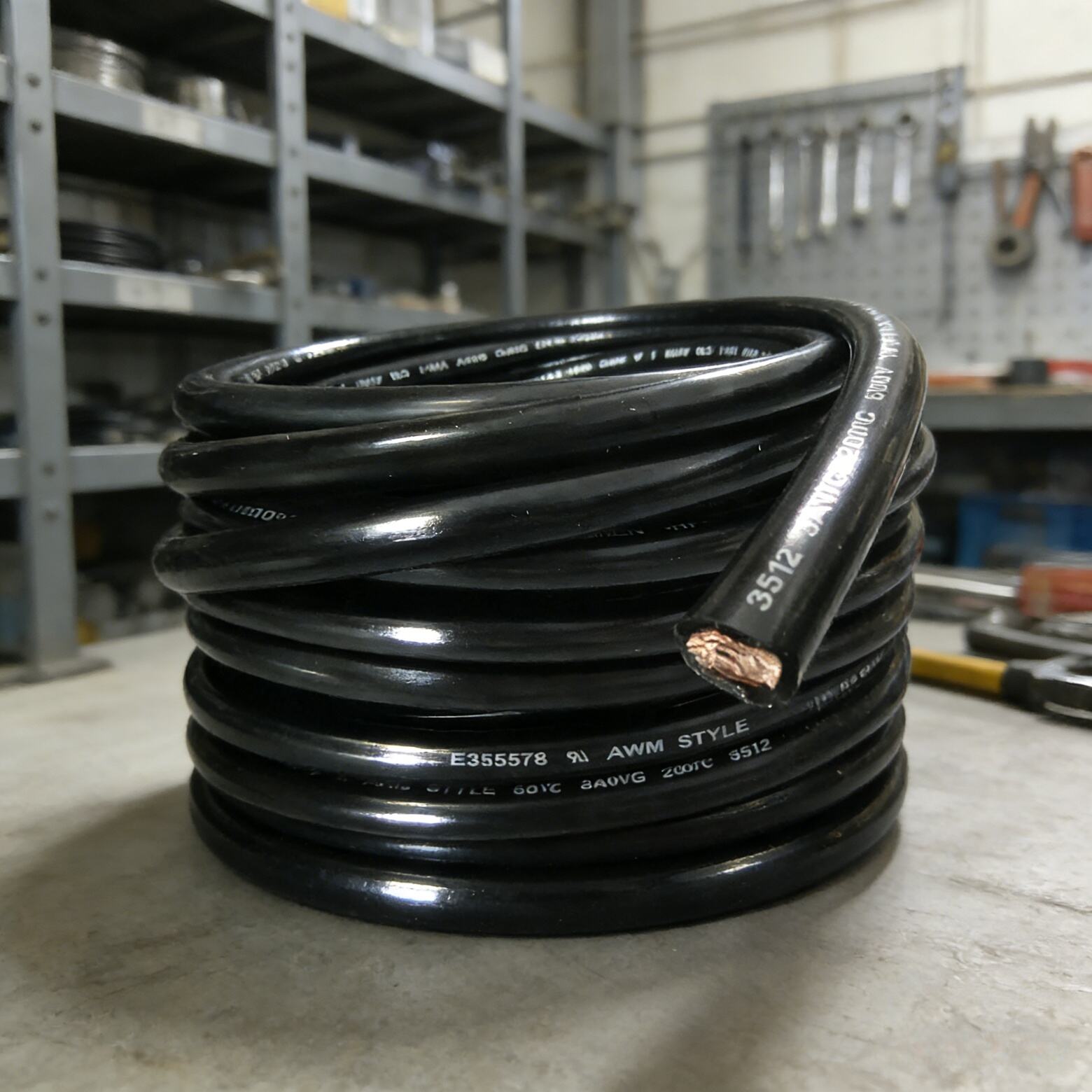
The certification marking on ac wire packaging and conductor identification provides technicians with confidence in product quality and regulatory compliance. Certified products undergo regular factory inspections and ongoing testing to maintain their listed status, ensuring consistent performance characteristics. Technicians should prioritize certified ac wire products to minimize installation risks and ensure long-term reliability.
Fire Safety Considerations
Fire safety requirements for ac wire vary significantly based on installation location and building occupancy classifications. Plenum-rated conductors feature low-smoke and low-toxicity insulation materials required for air-handling spaces, while general-purpose ratings may be adequate for standard installations. Flame-retardant formulations prevent fire propagation along conductor pathways and reduce the risk of electrical fires.
Building codes specify flame rating requirements based on installation location and potential fire exposure risks. Vertical installations may require enhanced flame propagation resistance, while horizontal runs in concealed spaces need appropriate smoke and toxicity ratings. Technicians must understand applicable fire safety requirements and select ac wire with appropriate certifications to ensure code compliance and occupant safety.
FAQ
What is the most important factor when selecting ac wire for residential installations?
The most critical factor is ensuring adequate current carrying capacity for the intended load while meeting voltage rating requirements and electrical code specifications. Technicians should calculate the maximum expected current and select ac wire with appropriate ampacity, considering derating factors for installation conditions such as ambient temperature and conduit fill ratios.
How do I determine the correct wire gauge for my ac wire application?
Wire gauge selection depends on the calculated load current, circuit length, and allowable voltage drop. Use electrical code tables to determine minimum wire size based on current requirements, then verify that voltage drop remains within acceptable limits for the circuit length. Consider future load growth and select slightly larger conductors if expansion is anticipated.
Can I use aluminum ac wire instead of copper for cost savings?
Aluminum ac wire can provide cost advantages for larger gauge applications, but requires special installation techniques and compatible termination materials. Aluminum conductors need larger cross-sectional areas to carry equivalent current compared to copper, and connections must use antioxidant compounds and aluminum-rated terminals to prevent corrosion and connection failures.
What environmental factors should I consider for outdoor ac wire installations?
Outdoor ac wire installations require UV-resistant jackets, moisture protection, and temperature ratings suitable for local climate conditions. Consider exposure to direct sunlight, rain, snow, and temperature extremes when selecting insulation and jacket materials. Underground installations need additional protection against soil chemicals and moisture ingress through specialized burial-rated cables.
Table of Contents
- Core Electrical Specifications
- Insulation and Jacketing Considerations
- Environmental and Installation Factors
- Code Compliance and Safety Standards
-
FAQ
- What is the most important factor when selecting ac wire for residential installations?
- How do I determine the correct wire gauge for my ac wire application?
- Can I use aluminum ac wire instead of copper for cost savings?
- What environmental factors should I consider for outdoor ac wire installations?