EN
EN


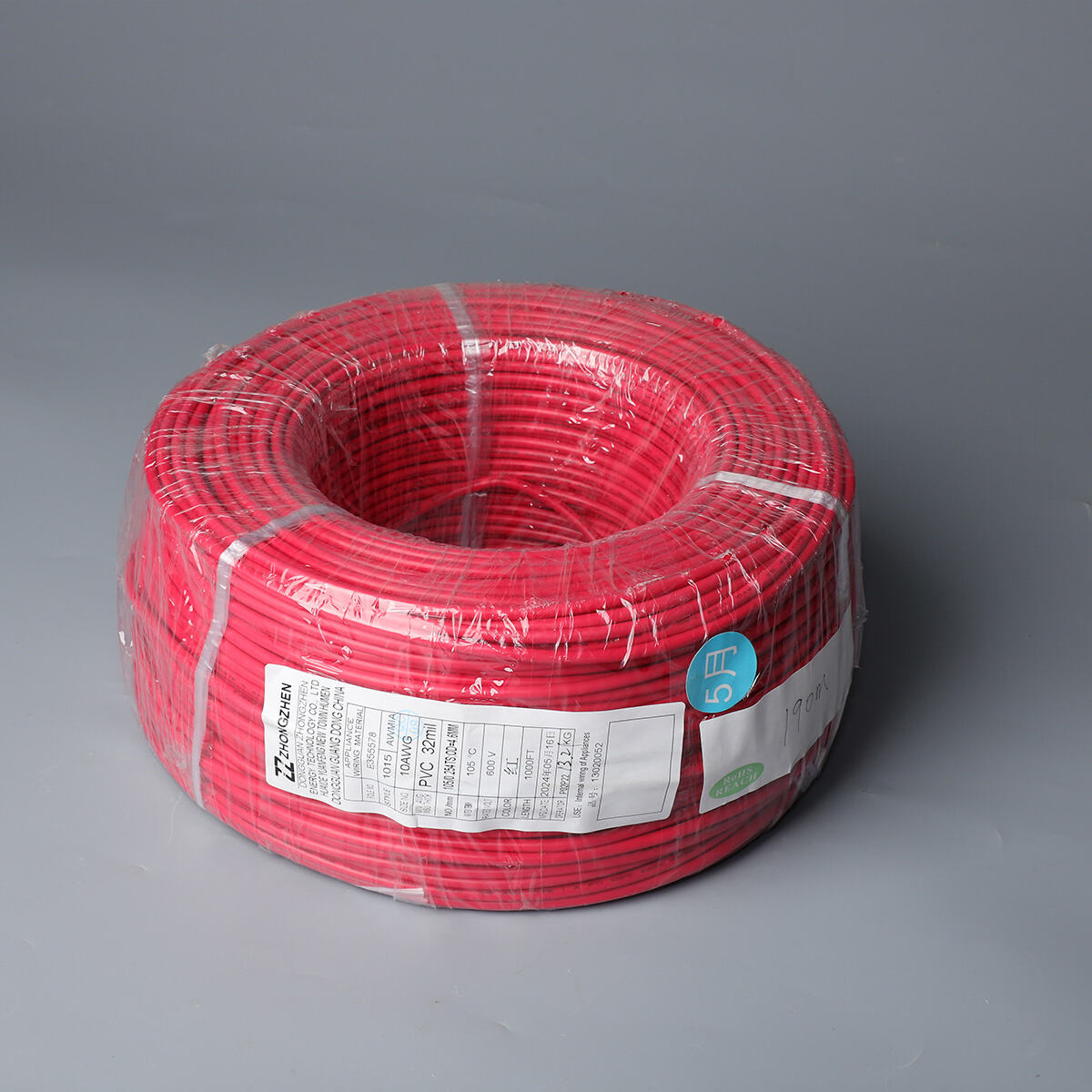
The reliability and longevity of electrical systems depend heavily on the quality of components used throughout the installation, with ac wire serving as the critical foundation for safe and efficient power transmission. In industrial and commercial applications, the difference between high-quality and substandard ac wire can mean the difference between decades of reliable operation and costly system failures that disrupt business operations and compromise safety.
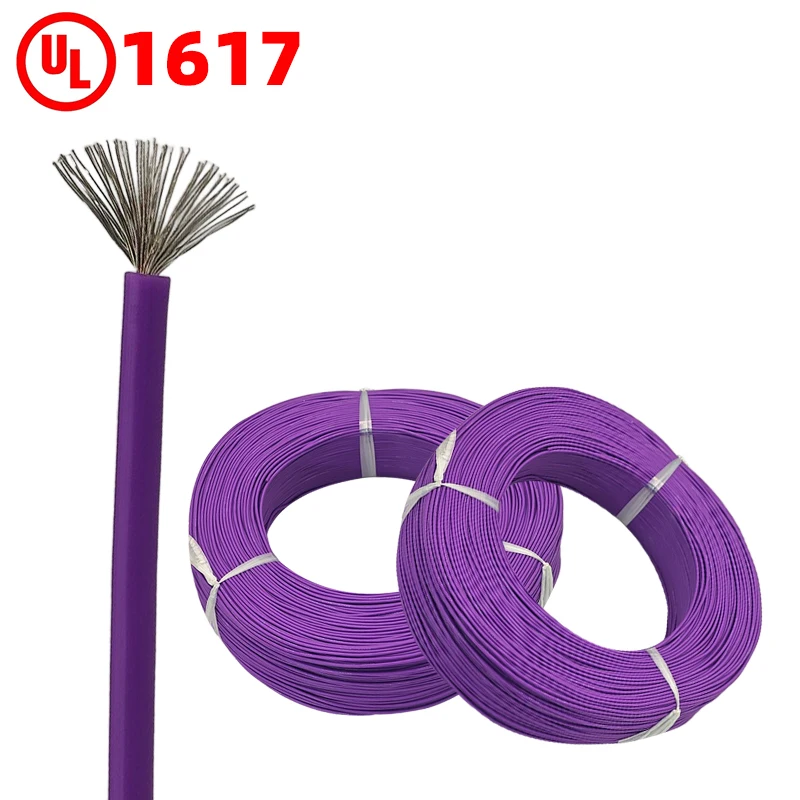
Understanding why high-quality ac wire is essential for long-term system reliability requires examining the complex interplay between material science, manufacturing standards, environmental factors, and operational demands that electrical systems face over their operational lifetime. The investment in premium ac wire pays dividends through reduced maintenance costs, improved system uptime, and enhanced safety margins that protect both equipment and personnel.
Material Quality and Construction Standards Drive Long-Term Performance
Superior Conductor Materials Ensure Consistent Power Delivery
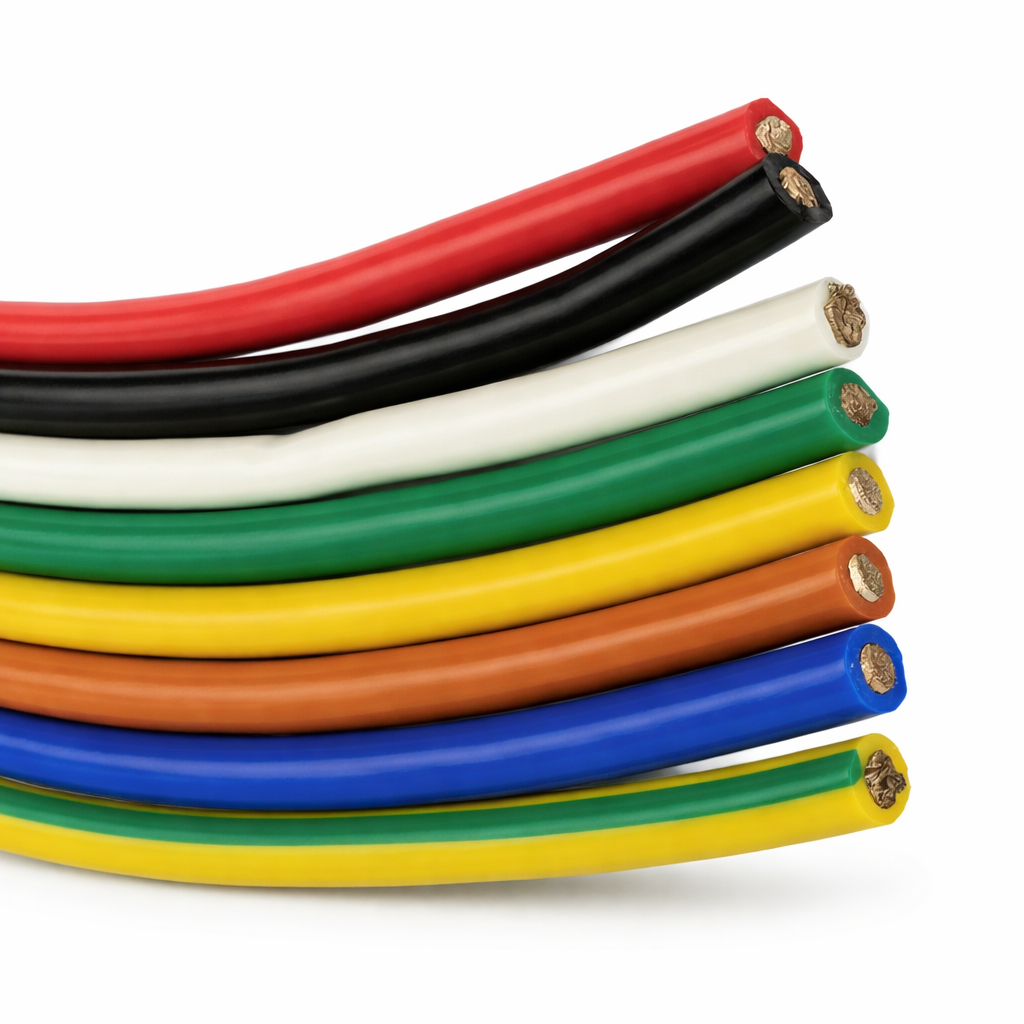
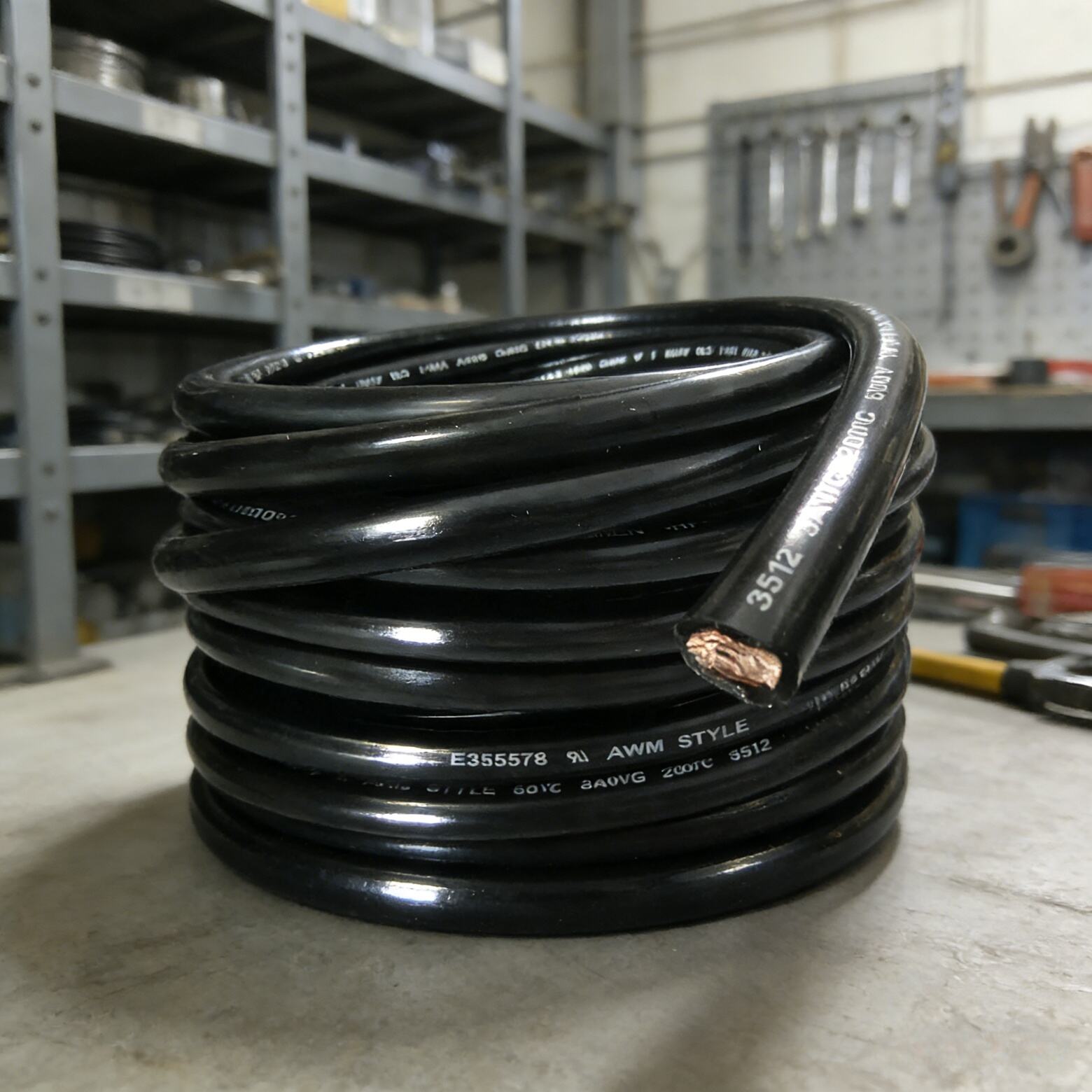
High-quality ac wire utilizes premium copper or aluminum conductors that maintain their electrical properties over extended periods of operation. The purity and crystalline structure of conductor materials directly impact resistance, current-carrying capacity, and thermal characteristics that determine how well the wire performs under varying load conditions. Premium conductors resist oxidation and corrosion that can increase resistance and create hot spots leading to system failures.
The manufacturing process for quality ac wire involves precise control over conductor stranding, annealing, and surface treatment to ensure optimal electrical performance throughout the wire's service life. Inferior conductor materials may initially appear to function adequately but gradually degrade due to impurities, improper processing, or inadequate quality control during production.
Temperature cycling, mechanical stress, and environmental exposure place continuous demands on conductor materials, making the initial quality of ac wire crucial for maintaining system reliability over decades of operation. Investment in high-grade conductor materials provides the foundation for consistent electrical performance regardless of operating conditions.
Advanced Insulation Systems Provide Long-Term Protection
The insulation system surrounding ac wire conductors serves as the primary barrier against electrical faults, environmental contamination, and mechanical damage that can compromise system integrity. High-quality insulation materials such as cross-linked polyethylene, EPR, or specialized PVC compounds offer superior dielectric strength, thermal stability, and resistance to environmental degradation compared to basic insulation systems.
Premium insulation maintains its electrical properties across wide temperature ranges and resists breakdown from ultraviolet radiation, ozone exposure, chemical contamination, and mechanical stress that occur during normal system operation. The thickness, uniformity, and adhesion of insulation layers directly impact the long-term reliability of ac wire installations.
Quality control during insulation application ensures consistent coverage without voids, thin spots, or contamination that could create failure points over time. The investment in advanced insulation systems prevents costly failures and extends the operational life of electrical systems well beyond minimum code requirements.
Manufacturing Standards and Quality Control Impact System Longevity
Rigorous Testing Protocols Verify Performance Characteristics
Manufacturers of high-quality ac wire implement comprehensive testing protocols that verify electrical, mechanical, and environmental performance characteristics before products reach the market. These testing procedures include dielectric strength verification, conductor resistance measurement, insulation integrity assessment, and accelerated aging tests that simulate decades of operational stress.
Quality ac wire undergoes flame resistance testing, low-temperature flexibility evaluation, and thermal cycling assessment to ensure consistent performance across the full range of operating conditions encountered in real-world installations. The documentation and traceability provided by reputable manufacturers enable system designers to specify appropriate products for specific applications with confidence in long-term performance.
Independent third-party testing and certification by recognized standards organizations provide additional assurance that ac wire products meet or exceed industry requirements for safety and performance. This verification process helps identify potential issues before installation and reduces the risk of field failures that could compromise system reliability.
Consistent Manufacturing Processes Ensure Product Reliability
The manufacturing environment and process controls used in producing high-quality ac wire directly influence the consistency and reliability of the finished product. Advanced manufacturing facilities maintain strict environmental controls, material handling procedures, and process monitoring systems that minimize variability and defects in production.
Quality manufacturers implement statistical process control, incoming material inspection, and continuous monitoring of critical production parameters to ensure every length of ac wire meets established specifications. This attention to manufacturing detail prevents the introduction of defects that could lead to premature failure or reduced performance over time.
Investment in modern manufacturing equipment, trained personnel, and quality management systems enables consistent production of ac wire that meets demanding reliability requirements. The additional cost associated with quality manufacturing processes is offset by the improved performance and extended service life of the finished product.
Environmental Resistance and Durability Factors
Chemical and Moisture Resistance Prevent Degradation
High-quality ac wire incorporates materials and design features that resist degradation from chemical exposure, moisture ingress, and contamination that commonly occur in industrial and commercial environments. The selection of appropriate insulation and jacket materials based on anticipated exposure conditions ensures long-term system reliability even in challenging applications.
Premium ac wire products utilize specialized compounds that resist swelling, cracking, or chemical attack from oils, solvents, acids, and other substances encountered in industrial facilities. The barrier properties of quality insulation systems prevent moisture migration that could lead to conductor corrosion or insulation breakdown over time.
Environmental resistance testing during product development identifies potential weaknesses and enables material optimization for specific service conditions. This proactive approach to environmental protection extends the operational life of ac wire installations and reduces maintenance requirements over the system lifecycle.
Temperature and UV Stability Maintain Performance
Exposure to elevated temperatures and ultraviolet radiation can cause significant degradation of inferior ac wire products, leading to insulation cracking, conductor oxidation, and eventual system failure. High-quality wire products incorporate stabilizers, antioxidants, and UV-resistant compounds that maintain material properties despite prolonged exposure to harsh environmental conditions.
The thermal rating of ac wire reflects its ability to operate safely at elevated temperatures without degradation of electrical or mechanical properties. Quality products provide margin above minimum temperature ratings to accommodate temperature variations and ensure reliable operation throughout the system lifecycle.
UV resistance becomes particularly important for ac wire installations exposed to direct sunlight or high-intensity artificial lighting. Premium products maintain flexibility, dielectric strength, and physical integrity despite years of UV exposure that would cause inferior products to become brittle and prone to failure.
Economic Benefits of Quality AC Wire Investment
Reduced Maintenance and Replacement Costs
The initial investment in high-quality ac wire generates substantial long-term savings through reduced maintenance requirements, fewer unplanned outages, and extended replacement intervals compared to lower-grade alternatives. Quality wire products maintain their performance characteristics throughout their rated service life, minimizing the need for preventive replacement or emergency repairs.
The total cost of ownership for electrical systems includes installation, maintenance, energy losses, and replacement expenses over the system lifecycle. High-quality ac wire reduces each of these cost components through improved reliability, lower resistance, and extended service life that can span decades with proper installation and maintenance practices.
System downtime costs can far exceed the initial wire costs in critical applications, making reliability a key economic consideration when selecting ac wire products. The investment in quality wire reduces the probability of unexpected failures that disrupt operations and require emergency repair resources.
Energy Efficiency and Performance Optimization
High-quality ac wire typically exhibits lower electrical resistance and better thermal characteristics compared to economy alternatives, resulting in reduced energy losses and improved system efficiency over the operational lifetime. These efficiency gains accumulate into significant cost savings, particularly in high-utilization applications or systems with substantial power requirements.
The consistent electrical properties of quality ac wire enable more precise system design and predictable performance characteristics that optimize overall system efficiency. Stable resistance, current-carrying capacity, and thermal behavior allow engineers to design systems with appropriate safety margins while maximizing operational efficiency.
Premium ac wire products often exceed minimum code requirements for current-carrying capacity and voltage ratings, providing additional safety margins that accommodate future system modifications or load increases without requiring wire replacement. This flexibility extends system life and reduces long-term upgrade costs.
FAQ
How long should high-quality AC wire last in typical installations?
High-quality ac wire properly installed and maintained can reliably operate for 20 to 30 years or more in typical commercial and industrial environments. The actual service life depends on factors such as operating temperature, environmental conditions, load cycling, and installation quality, but premium products are designed to meet or exceed their rated service life under normal operating conditions.
What are the key indicators of AC wire quality during procurement?
Key quality indicators include third-party certification marks, comprehensive technical documentation, material specifications for conductors and insulation, manufacturer reputation and warranty terms, and compliance with relevant industry standards. Quality ac wire products typically cost more initially but provide superior long-term value through improved reliability and extended service life.
Can inferior AC wire cause safety hazards in electrical systems?
Yes, inferior ac wire can create significant safety hazards including increased fire risk from overheating, electrical shock potential from insulation breakdown, and system failures that may damage connected equipment. Quality wire products undergo rigorous safety testing to minimize these risks and provide reliable protection throughout their service life.
How does AC wire quality affect system maintenance requirements?
High-quality ac wire significantly reduces maintenance requirements through superior materials and construction that resist degradation over time. Quality products maintain their electrical and physical properties longer, require fewer inspections and tests, and have lower failure rates that reduce emergency maintenance and unplanned system outages.