EN
EN


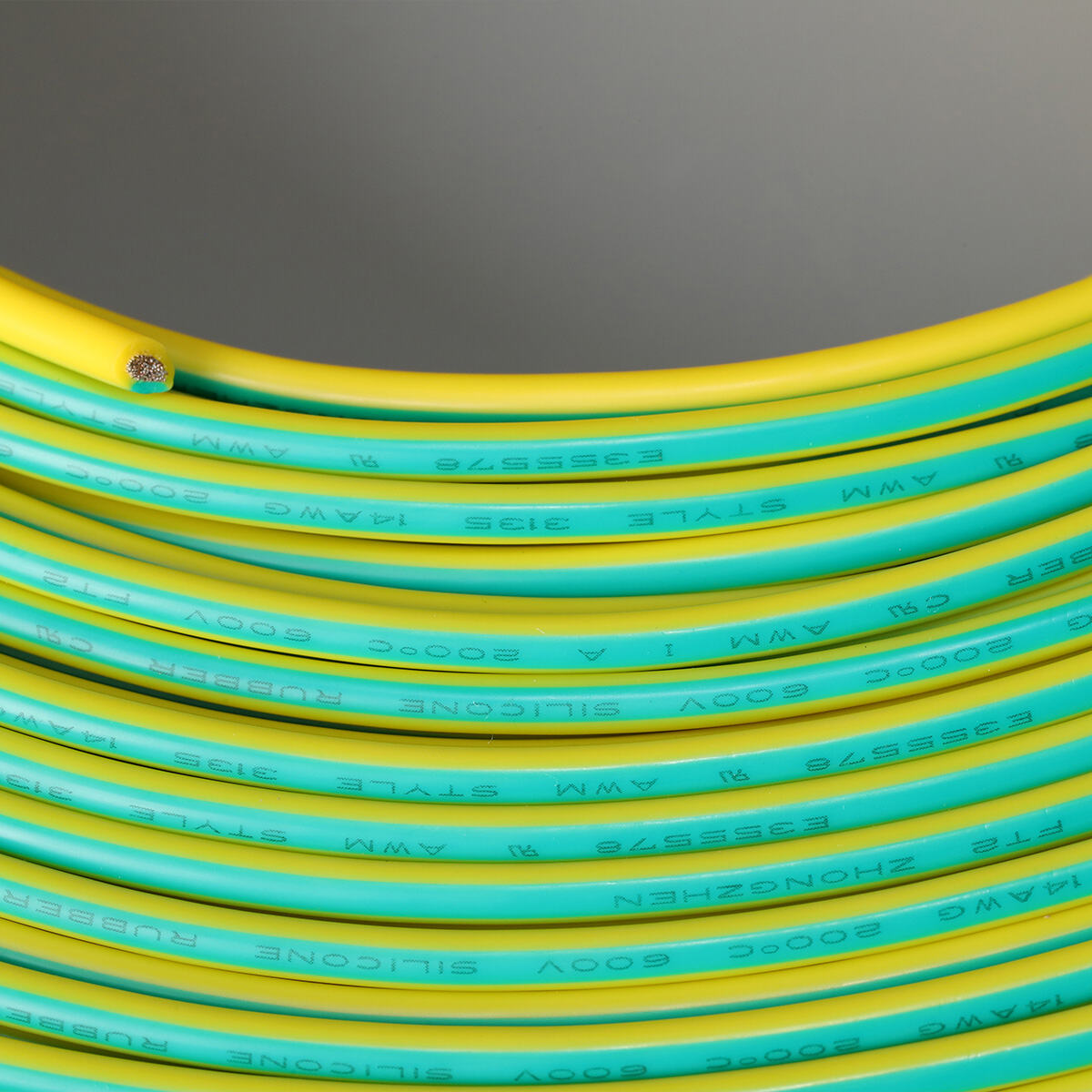
Selecting the right solar wire cable for your photovoltaic system requires careful evaluation of multiple technical and environmental factors that directly impact system performance, safety, and longevity. The choice of solar wire cable affects everything from energy transmission efficiency to long-term maintenance costs, making it one of the most critical decisions in solar installation planning.
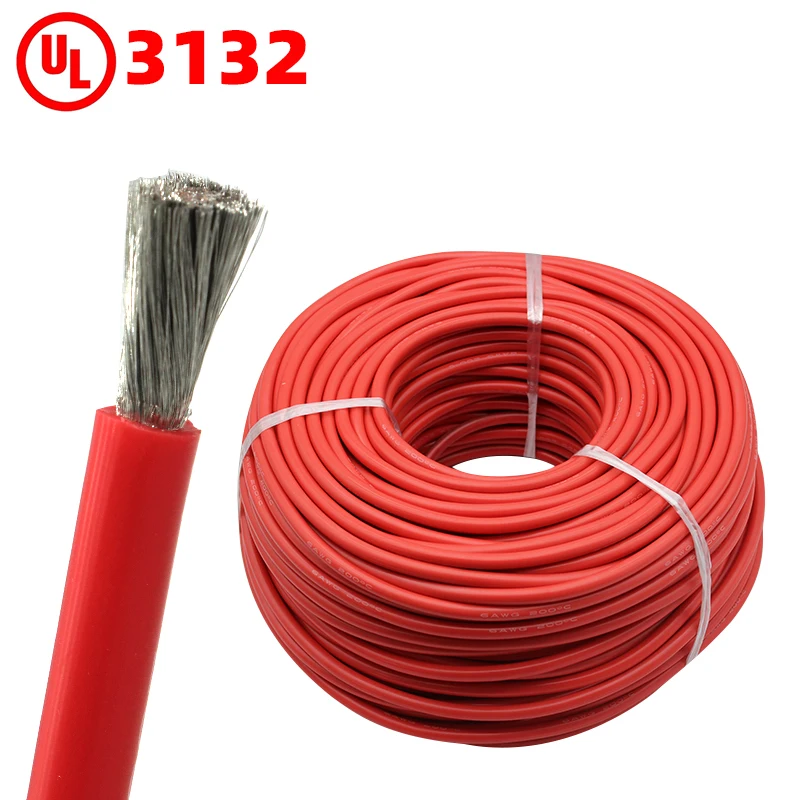
Understanding the key selection criteria for solar wire cable helps installers, engineers, and system owners make informed decisions that ensure optimal system performance while meeting safety standards and regulatory requirements. Each factor plays a specific role in determining whether a particular cable type will deliver reliable service throughout the expected 25-year lifespan of most solar installations.
Electrical Specifications and Performance Requirements
Current Carrying Capacity and Wire Gauge Selection
The ampacity rating of solar wire cable must exceed the maximum current output of the connected solar panels to prevent overheating and voltage drop issues. Proper wire gauge selection involves calculating the total current load from all connected panels and applying appropriate derating factors based on installation conditions. American Wire Gauge (AWG) sizing typically ranges from 10 AWG to 14 AWG for most residential and commercial solar applications, with larger installations requiring heavier gauge cables.
Temperature correction factors significantly influence the effective ampacity of solar wire cable, as elevated ambient temperatures reduce the cable's current-carrying capacity. Installation environments above 30°C require derating calculations that may necessitate using larger wire gauges to maintain safe operating conditions. The National Electrical Code provides specific derating tables that must be consulted when determining appropriate wire sizing for different temperature zones.
Voltage drop calculations determine the minimum wire size needed to maintain system efficiency, with most solar installations targeting voltage drops below 3% for optimal performance. Distance between solar panels and combiner boxes or inverters directly affects voltage drop, requiring larger gauge solar wire cable for longer runs to compensate for resistance losses. Proper voltage drop analysis ensures maximum energy harvest and prevents premature equipment failure due to low voltage conditions.
Insulation Voltage Rating and Safety Margins
Solar wire cable must have voltage ratings that exceed the maximum system voltage by appropriate safety margins to prevent insulation breakdown and electrical faults. Most residential solar systems operate at 600V DC, requiring cables rated for at least 600V, while larger commercial systems may require 1000V or 2000V rated cables. The voltage rating provides protection against electrical stress, temperature cycling, and aging effects that can degrade insulation performance over time.
Dielectric strength testing validates the insulation's ability to withstand electrical stress without breakdown, with quality solar wire cable meeting or exceeding industry standards for voltage withstand capability. Partial discharge resistance becomes particularly important in high-voltage applications where corona effects can gradually degrade insulation materials. Regular voltage testing during installation and maintenance helps verify that the solar wire cable maintains its specified voltage rating throughout its service life.
Ground fault protection requirements mandate specific insulation characteristics to ensure safe operation and compliance with electrical codes. The insulation system must maintain integrity even when exposed to moisture, UV radiation, and thermal cycling that occur in outdoor solar installations. High-quality solar wire cable incorporates multiple insulation layers and advanced polymer formulations to provide long-term voltage withstand capability under harsh environmental conditions.
Environmental Durability and Weather Resistance
UV Radiation Protection and Outdoor Exposure
Ultraviolet radiation from direct sunlight causes polymer degradation in solar wire cable insulation, leading to cracking, embrittlement, and eventual insulation failure if adequate protection is not provided. UV-resistant formulations incorporate carbon black, titanium dioxide, or specialized UV stabilizers that absorb or reflect harmful radiation while maintaining flexibility and mechanical properties. The outer jacket material must demonstrate long-term UV stability through standardized testing that simulates decades of outdoor exposure.
Sunlight-resistant (USE-2) rated solar wire cable meets specific requirements for direct burial and outdoor exposure applications common in solar installations. These cables undergo accelerated aging tests that verify performance after equivalent exposure periods of 20-30 years under typical solar installation conditions. The USE-2 rating indicates that the solar wire cable can withstand continuous outdoor exposure without degradation that would compromise electrical performance or safety.
Ozone resistance becomes critical in areas with high atmospheric ozone concentrations that can accelerate polymer degradation in solar wire cable insulation. Advanced rubber and thermoplastic compounds resist ozone cracking and maintain flexibility even after prolonged exposure to oxidizing environments. Regular visual inspection helps identify early signs of UV or ozone degradation before they progress to insulation failure.
Temperature Cycling and Thermal Performance
Solar installations experience significant temperature variations between day and night cycles, with surface temperatures often ranging from -40°C to +90°C depending on geographic location and mounting configuration. Solar wire cable must maintain electrical and mechanical properties across this temperature range without cracking, becoming brittle, or losing insulation integrity. Temperature rating specifications indicate the maximum continuous operating temperature and short-term overload capability.
Thermal expansion and contraction cycles stress solar wire cable connections and can cause mechanical failure if the cable lacks sufficient flexibility at temperature extremes. Low-temperature flexibility ratings ensure that cables remain workable during winter installations and maintain bend radius specifications even in cold conditions. High-temperature performance prevents insulation softening and conductor annealing that can reduce current carrying capacity.
Heat dissipation characteristics of different solar wire cable constructions affect overall system efficiency and component longevity. Stranded copper conductors provide better heat dissipation than solid conductors due to increased surface area, while insulation materials with higher thermal conductivity help transfer heat away from the conductor. Proper cable sizing and installation practices ensure that thermal limits are not exceeded even under peak solar irradiance conditions.
Safety Certifications and Code Compliance
UL Listing and Industry Standards
Underwriters Laboratories (UL) certification provides third-party verification that solar wire cable meets established safety and performance standards required for electrical installations. UL 4703 specifically addresses photovoltaic wire requirements, including flame resistance, wet location suitability, and long-term aging performance. Only UL-listed solar wire cable should be used in systems seeking electrical permits and inspections in most jurisdictions.
The UL listing mark on solar wire cable indicates compliance with specific construction requirements, material specifications, and performance testing protocols that ensure safe operation in solar applications. Factory inspections and ongoing quality monitoring verify that production cables continue to meet UL standards throughout the manufacturing process. Using non-UL listed solar wire cable can void equipment warranties, insurance coverage, and create liability issues for installers and system owners.
International standards such as TUV certification provide additional validation for solar wire cable used in global markets or applications requiring enhanced performance verification. These standards often include more stringent environmental testing and may be required for certain commercial or utility-scale installations. Multiple certifications demonstrate the manufacturer's commitment to quality and provide confidence in long-term performance.
Fire Safety and Flame Resistance
Fire resistance ratings for solar wire cable determine suitability for different installation environments and building types, with requirements varying based on local fire codes and building classifications. Flame-retardant insulation materials prevent fire propagation along cable runs and minimize toxic gas emissions during combustion events. Higher fire safety ratings may be required for installations in occupied buildings or areas with limited fire department access.
Low smoke and halogen-free insulation compounds reduce toxic gas generation during fire events, protecting occupants and firefighters from dangerous fumes. These specialized solar wire cable formulations meet increasingly stringent environmental and safety requirements while maintaining electrical performance and durability. The additional cost of enhanced fire safety features is often justified by reduced insurance premiums and improved building occupant protection.
Installation method requirements affect fire safety ratings, with different flame resistance levels needed for conduit, cable tray, or direct burial installations. Solar wire cable must meet the appropriate flame test standards for its intended installation method to ensure code compliance and safe operation. Proper installation practices, including maintaining required separation distances and using approved penetration seals, help maintain the fire resistance properties of the complete installation.
Installation Considerations and Practical Factors
Flexibility and Bend Radius Requirements
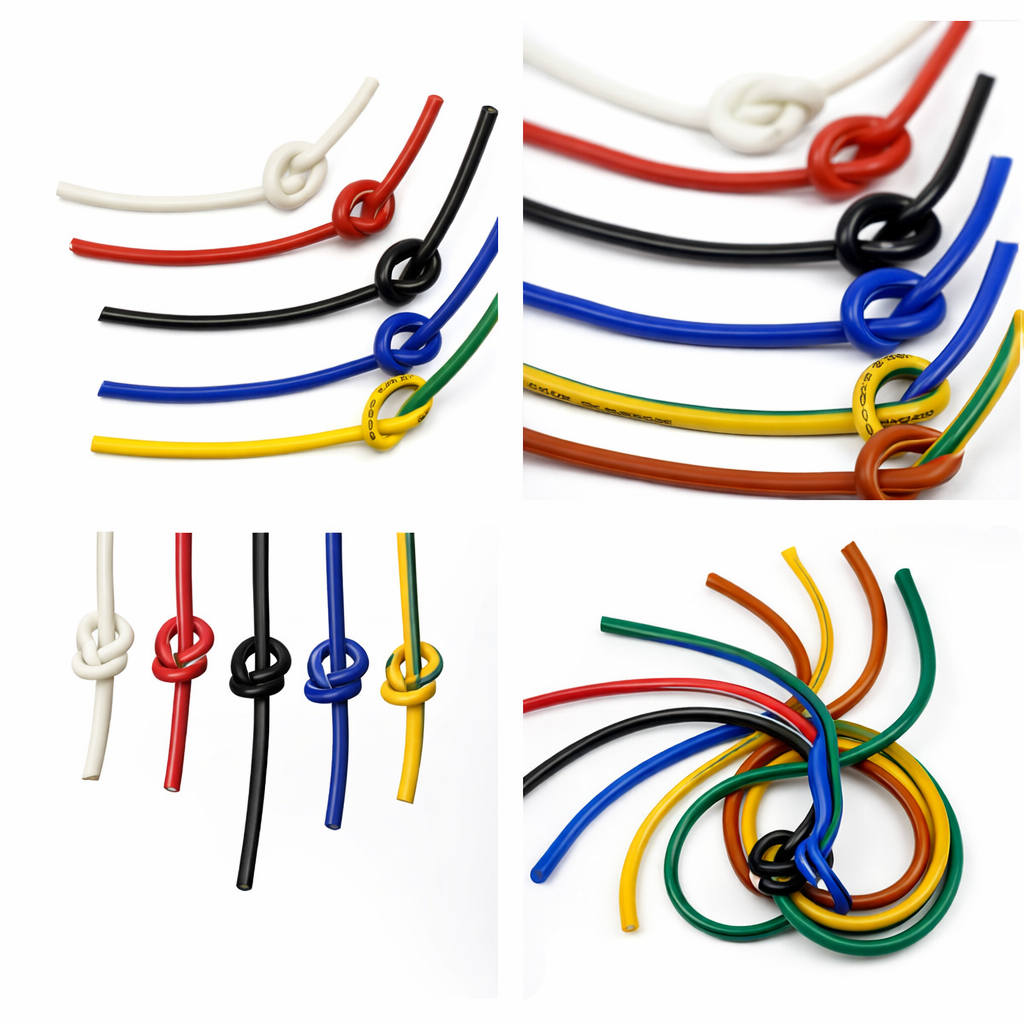
Installation flexibility determines how easily solar wire cable can be routed through conduits, around corners, and into tight spaces commonly encountered in solar installations. Minimum bend radius specifications prevent conductor damage and insulation stress that can lead to premature failure. Stranded conductors typically provide better flexibility than solid conductors, making them preferred for most solar applications where routing flexibility is important.
Cold weather installations require solar wire cable that maintains flexibility at low temperatures to prevent installation damage and ensure proper terminations. Some insulation materials become stiff and brittle in cold conditions, making installation difficult and increasing the risk of insulation cracking during handling. Temperature-rated flexibility ensures that solar wire cable can be safely installed year-round without special handling requirements.
Pulling tension limits specify the maximum force that can be applied during cable installation without causing conductor or insulation damage. Proper cable pulling techniques and the use of appropriate lubricants help minimize installation stress on solar wire cable. Exceeding pulling tension limits can cause conductor elongation, insulation damage, or connection problems that may not become apparent until after system commissioning.
Connection Methods and Terminal Compatibility
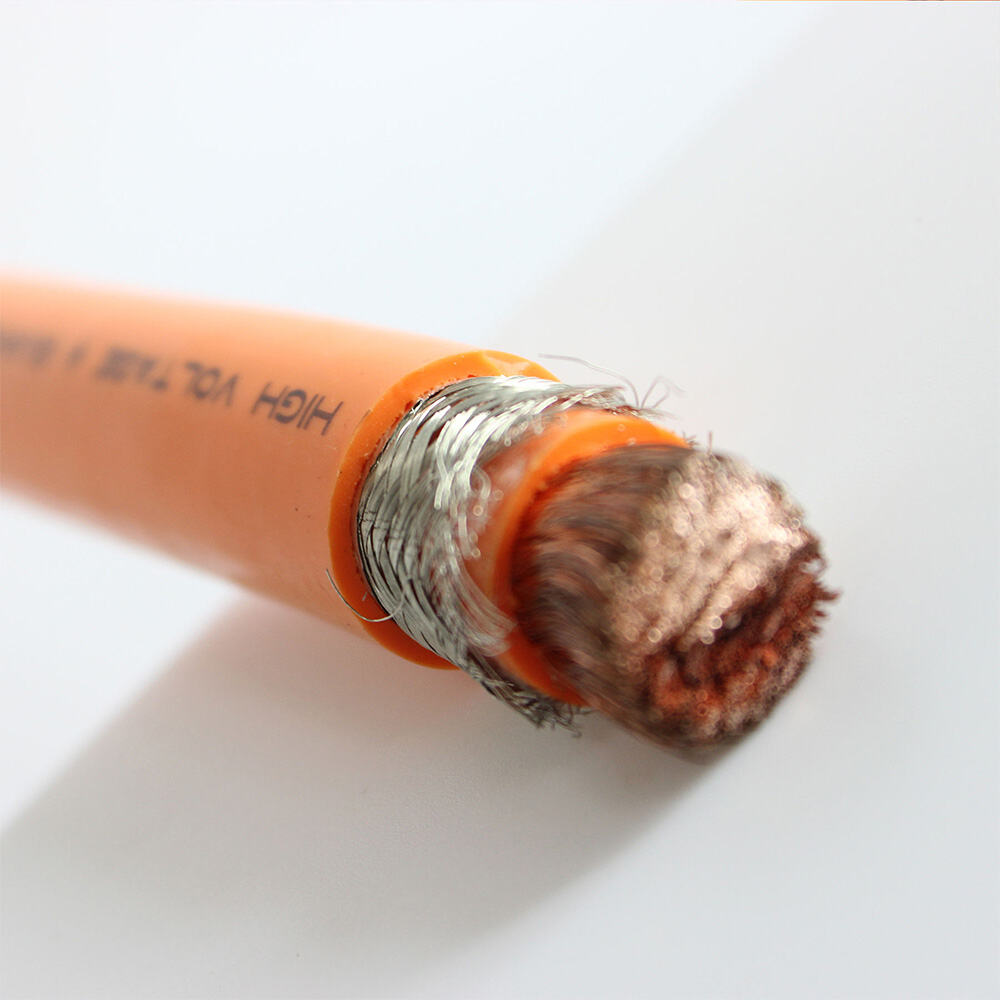
Solar wire cable conductor construction must be compatible with the connection methods and terminal types used in the specific installation, including MC4 connectors, combiner box terminals, and inverter connections. Tinned copper conductors resist corrosion and provide better long-term connection reliability compared to bare copper, particularly in marine or high-humidity environments. Conductor strand count and wire gauge must match connector specifications to ensure proper mechanical and electrical connections.
Stripping and termination characteristics affect installation time and connection quality, with some solar wire cable insulations being easier to strip and work with than others. Clean stripping without conductor nicks or insulation residue ensures reliable connections that will not develop high resistance or fail over time. Specialized stripping tools designed for solar wire cable help achieve consistent results and reduce installation time.
Waterproof connection requirements mandate specific sealing procedures and compatible connection hardware to prevent moisture ingress that can cause ground faults or connection corrosion. Solar wire cable insulation must be compatible with sealing compounds and connection boots used to maintain weatherproof integrity. Proper connection techniques and regular maintenance help ensure long-term system reliability and safety.
FAQ
What is the difference between regular electrical wire and solar wire cable?
Solar wire cable is specifically designed for outdoor photovoltaic applications with enhanced UV resistance, moisture protection, and temperature performance compared to standard building wire. Solar wire cable typically uses XLPE or specialized rubber insulation that can withstand decades of outdoor exposure, while regular electrical wire may degrade rapidly when exposed to sunlight and weather. Additionally, solar wire cable meets specific UL 4703 requirements for wet locations and direct burial applications common in solar installations.
How do I determine the correct wire gauge for my solar installation?
Wire gauge selection for solar wire cable depends on the total current from connected panels, cable run length, and allowable voltage drop. Calculate the maximum current by adding up all panel short-circuit currents and multiply by 1.25 as required by code. Use voltage drop calculators to determine if the selected wire gauge maintains voltage drop below 3% for the specific run length. Consider temperature derating factors if the installation environment exceeds 30°C ambient temperature.
Can solar wire cable be used for both DC and AC portions of a solar system?
Solar wire cable is designed specifically for DC applications and should not be used for AC wiring between inverters and electrical panels. The AC side requires standard building wire or cable that meets NEC requirements for AC circuits, typically THWN-2 or similar. Solar wire cable excels in the DC portion from panels to combiner boxes and DC disconnect switches, where its UV resistance and moisture protection provide optimal performance. Always use appropriate wire types for each system component to ensure code compliance and safety.
What maintenance is required for solar wire cable installations?
Solar wire cable requires periodic visual inspection for signs of UV degradation, physical damage, or connection issues, typically performed during annual system maintenance. Look for insulation cracking, conductor exposure, or discoloration that indicates degradation. Check connection tightness at combiner boxes and junction points, as thermal cycling can loosen connections over time. Any damaged solar wire cable should be replaced immediately to prevent safety hazards or system performance issues.