EN
EN


In today’s rapidly developing automotive industry, automotive wiring harnesses are widely regarded as the "central nervous system" of modern vehicles. From traditional fuel-powered vehicles to today’s intelligent electric vehicles (EVs), every electrical function of a vehicle depends on safe, stable and reasonably structured connection solutions. This article introduces the basic principles, operating modes of automotive wiring harnesses, as well as their significance in ensuring reliable vehicle performance.
What Is an Automotive Wiring Harness
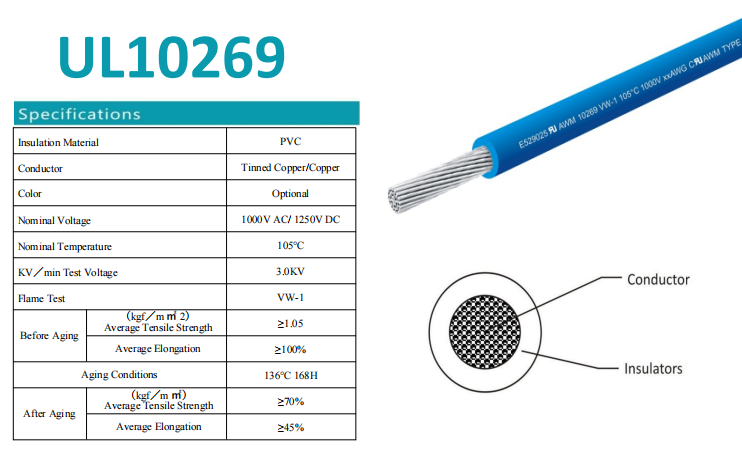
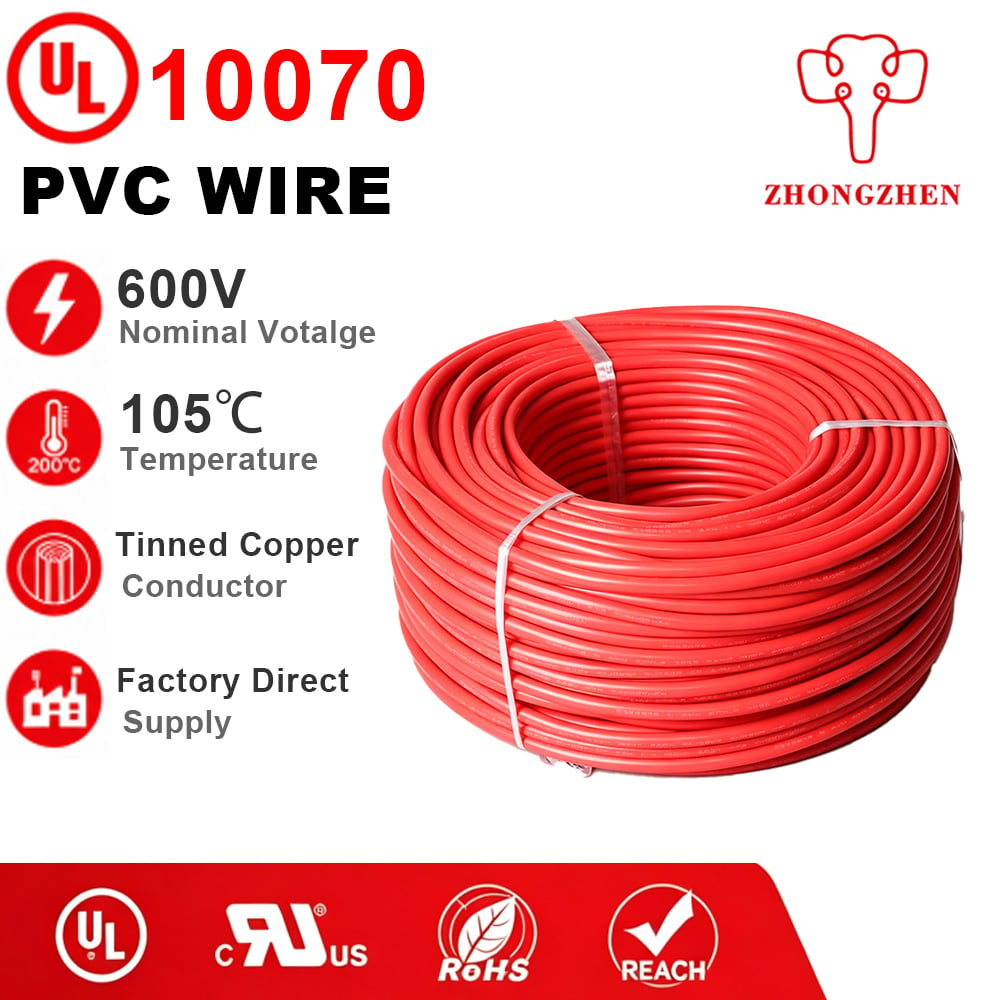
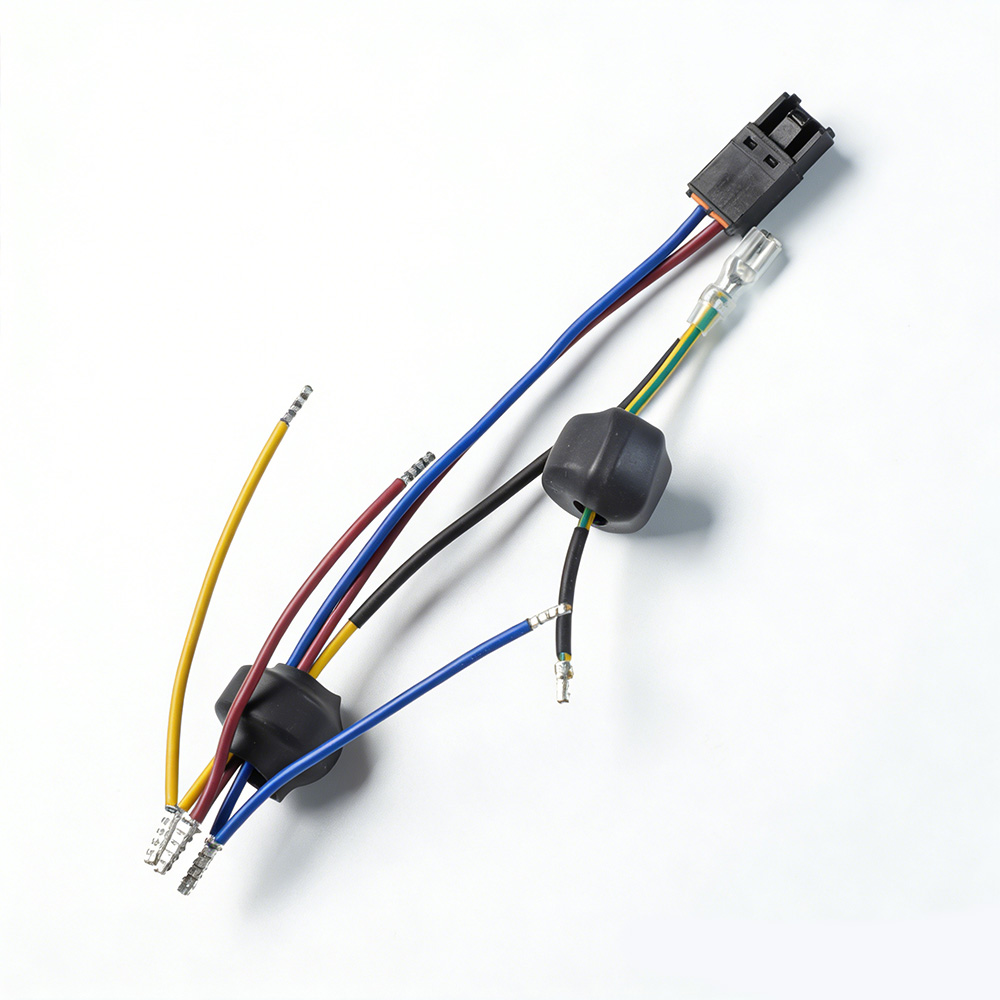
An automotive wiring harness is an integrated assembly composed of tinned copper wires, terminals, connectors, protective tubes, tapes and supporting accessories. It integrates scattered wires into a standardized and organized whole, providing a unified pathway for vehicle power transmission and signal communication.
Unlike messy wiring, professionally designed automotive wiring harnesses can be customized according to a vehicle’s internal layout, featuring excellent heat resistance, oil resistance, abrasion resistance and anti-interference performance, ensuring the coordinated operation of all electronic systems, including engine control, lighting, infotainment, safety sensors and new energy power systems.
Working Principle
Automotive wiring harnesses mainly fulfill two core functions: power delivery and signal transmission.
Power Transmission
They safely deliver electric energy from the vehicle battery, alternator or EV power battery to high-power components such as motors, starters, air conditioners, headlights and heating systems. High-voltage cables for electric vehicles adopt specialized insulation and shielding structures to ensure safe energy transmission.
Signal and Data Communication
They transmit real-time data between sensors, electronic control units (ECUs) and control modules. Engine conditions, vehicle speed, temperature, ADAS detection signals, in-car infotainment information and more are all transmitted through this integrated network. The stability of signal transmission directly affects driving safety and system response speed.
Protection and Integration
Protective structures such as corrugated pipes, PET tapes and LSZH flame-retardant materials effectively prevent short circuits, electromagnetic interference, as well as wear caused by vehicle vibration and high temperatures. Built-in fuses and relays further protect circuits from overload damage.
Core Advantages of High-Quality Harness Assemblies
- High reliability: reduces circuit failures, loose connections and short circuits
- Safety compliance: meets international automotive standards including UL, ISO and LV124
- Durability: resistant to high temperatures, oil, humidity and long-term vibration
- Lightweight optimization: lightweight design helps improve fuel economy and EV range
- Easy installation and maintenance: pre-assembled structure supports efficient production and after-sales service
Why Choose Our Solutions
As a professional manufacturer of automotive wires and new energy cables, we provide high-performance automotive wiring harnesses and customized cable solutions for global automakers and industrial clients.
Our Product Strengths
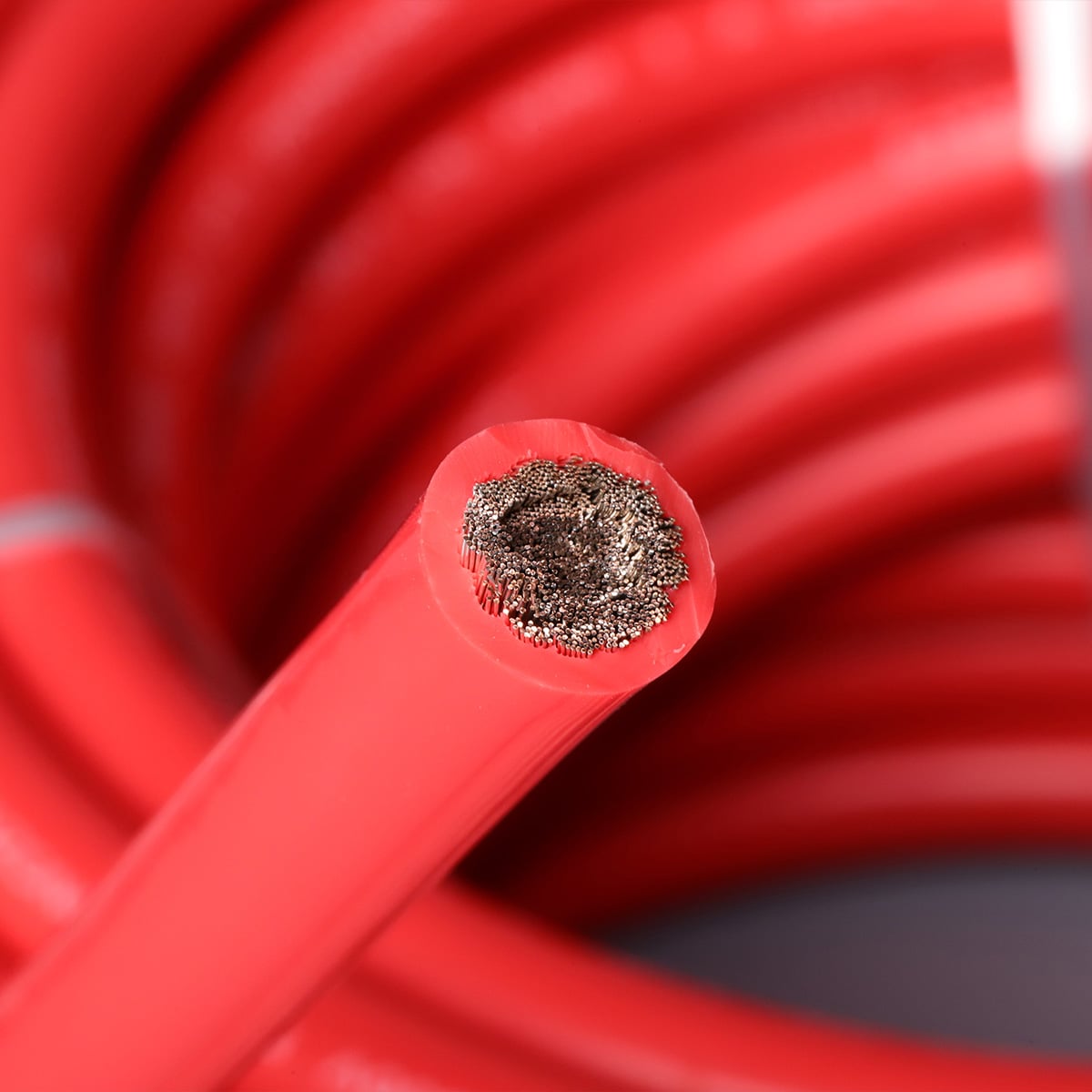
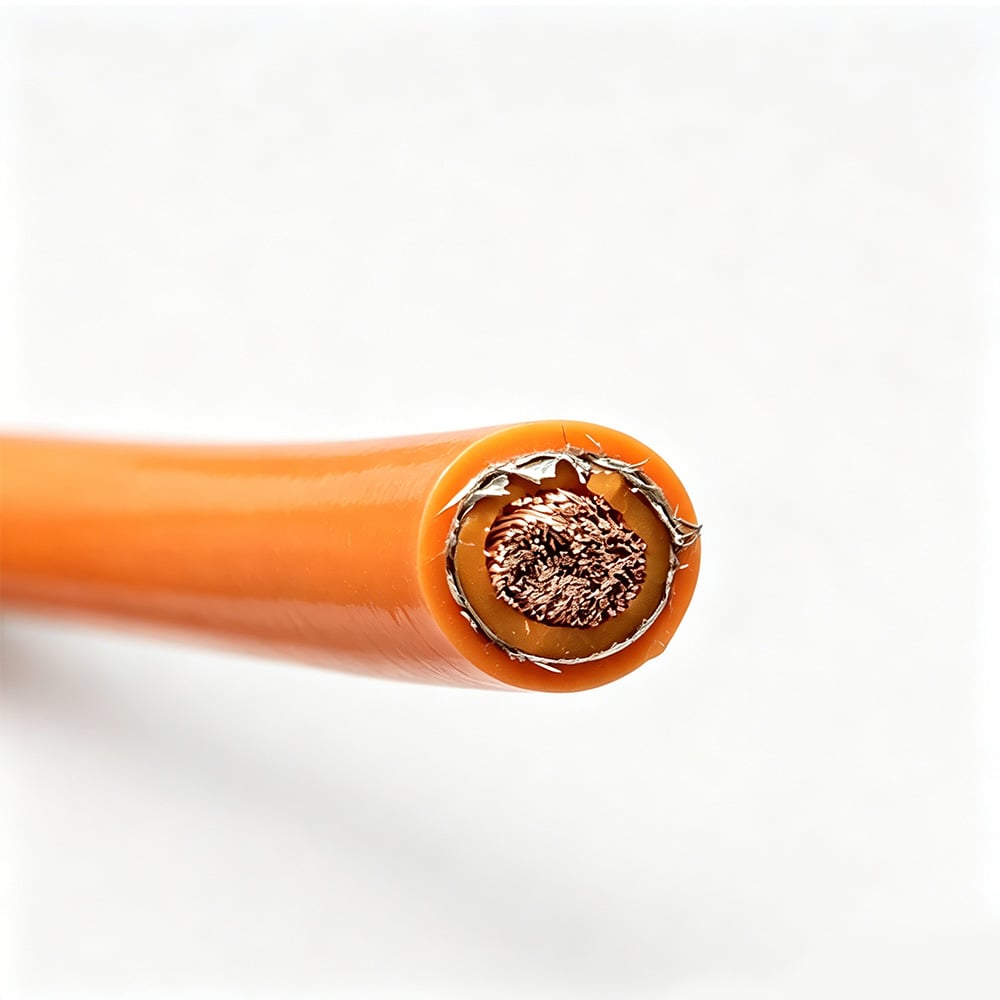
- High-purity tinned copper conductors with low resistance and excellent conductivity
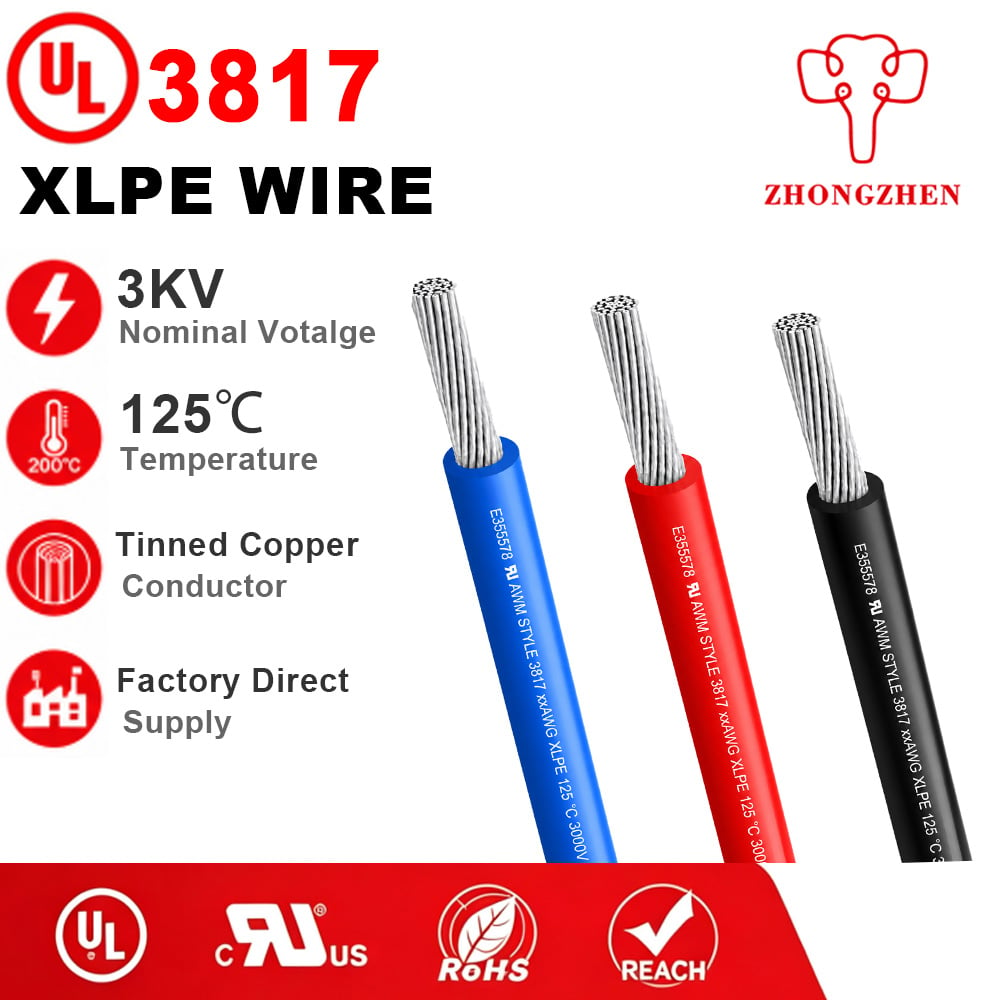
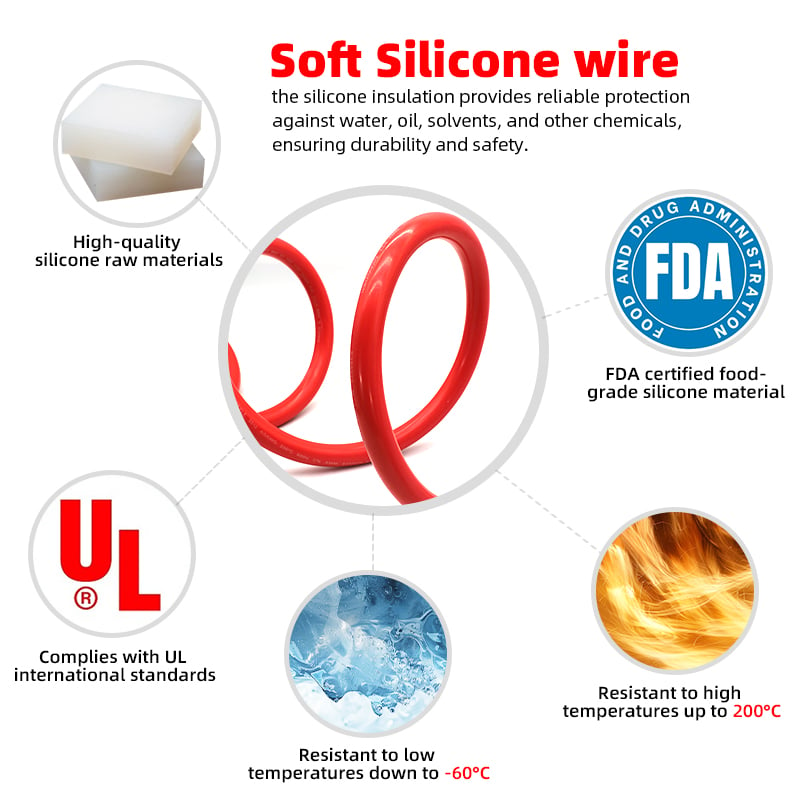
- Insulation materials including LSZH, XLPE and silicone, suitable for extreme working conditions
- Customized design available for automobiles, EVs, engineering machinery and energy storage systems
- Stable quality, on-time delivery and comprehensive technical support
Whether you need standard automotive wires or complete customized harness assemblies, we can provide safe, efficient and cost-effective solutions to deliver reliable power support for your projects.