EN
EN


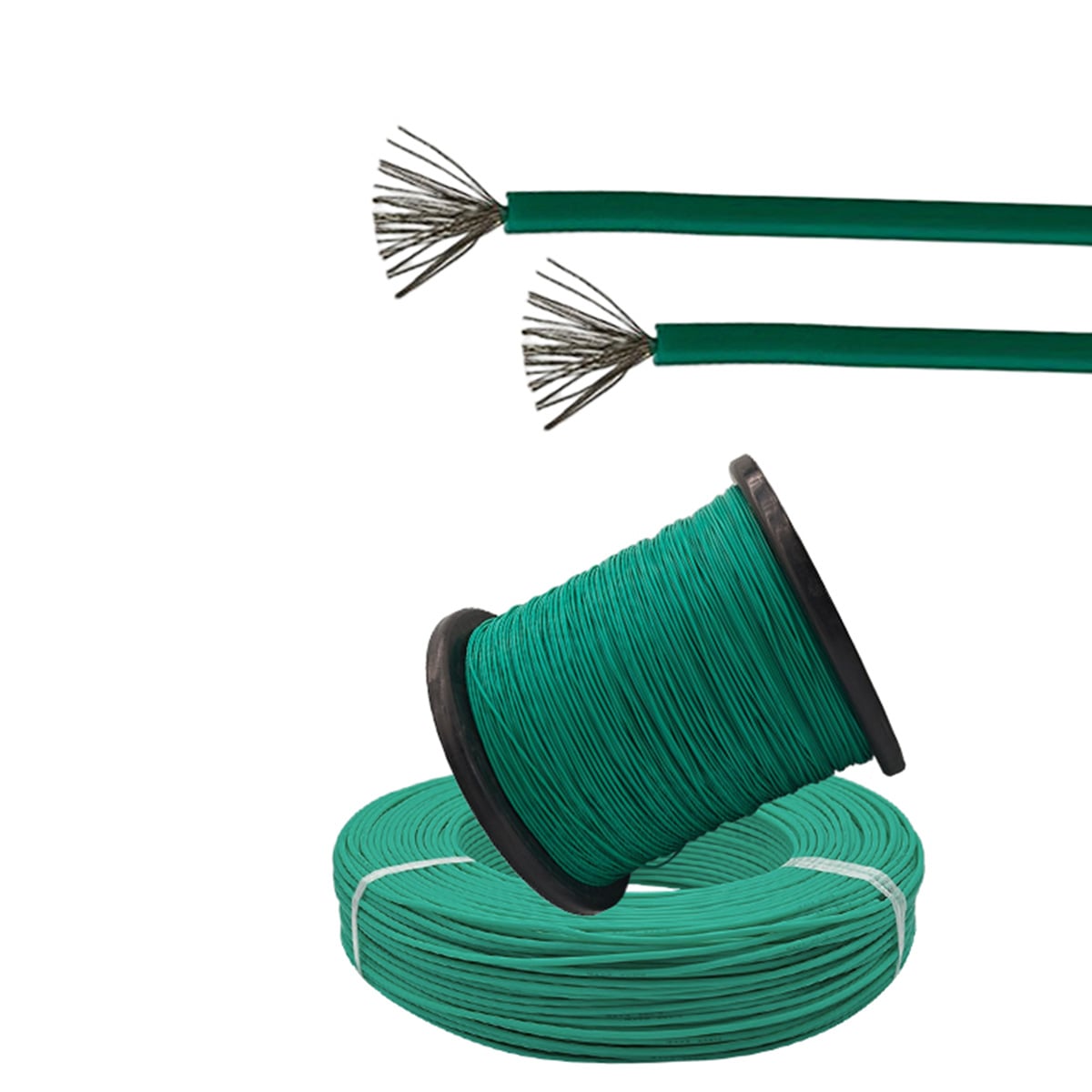
In modern automotive and industrial electrical systems, the materials and specifications of wiring components make a direct impact on performance, durability, and safety. When engineers and procurement professionals evaluate their options, cable automotriz cobre alta temperatura consistently stands out as a preferred solution for applications where heat, vibration, and electrical load demands are all elevated simultaneously. The question is not simply whether copper automotive wire works, but why high-temperature-rated copper automotive cable delivers results that standard wiring cannot match.
The automotive sector operates under relentless conditions: under-hood temperatures routinely climb beyond 100°C, engine bay components generate sustained thermal stress, and modern vehicle architectures demand compact wiring solutions that do not compromise ampacity or insulation integrity. Choosing cable automotriz cobre alta temperatura is not merely a material preference — it is an engineering decision backed by measurable performance advantages, regulatory compliance considerations, and long-term cost savings that justify the investment at every stage of a vehicle's service life.
The Core Value of Copper in High-Temperature Automotive Wire
Superior Electrical Conductivity Under Thermal Stress
Copper remains the benchmark conductor material in automotive wiring for a well-established reason: its electrical conductivity is among the highest of any commercially available metal, second only to silver. When a cable automotriz cobre alta temperatura is subjected to sustained heat exposure, copper maintains its conductivity far more reliably than aluminum alternatives, ensuring that voltage drop across circuits remains within acceptable design tolerances.
This matters critically in automotive systems where even minor resistance increases translate to sensor inaccuracies, actuator performance degradation, or ECU signal distortion. High-temperature copper cable is engineered to preserve consistent resistivity across a broad operating range, giving designers the confidence that wiring behavior will remain predictable regardless of ambient or operational temperatures.
Unlike materials that exhibit pronounced resistivity increases as temperature rises, copper offers a stable, low-resistance pathway that supports both power delivery and data-grade signal transmission. This dual capability is especially important as vehicles incorporate more combined power-and-signal harnesses to reduce weight and complexity.
Mechanical Flexibility and Fatigue Resistance
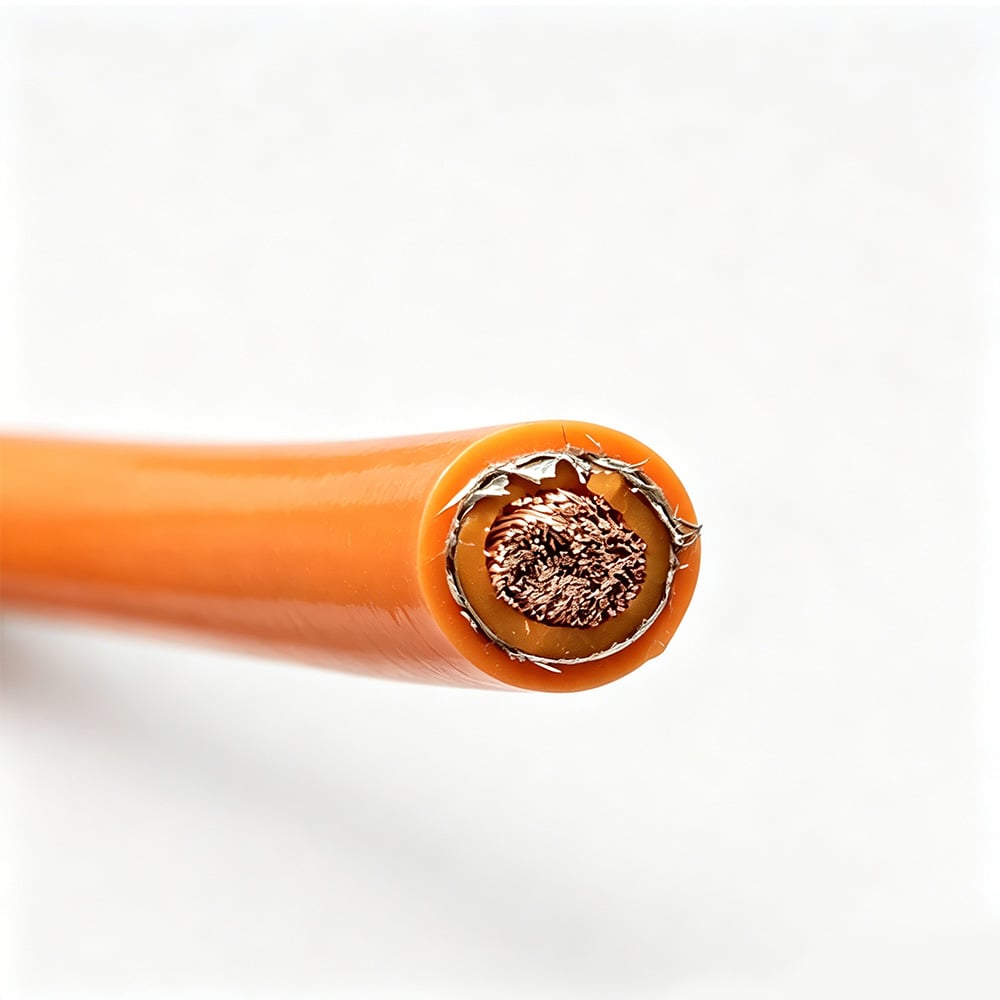
Automotive wiring is not static. Every cable in a vehicle experiences constant mechanical movement from vibration, thermal expansion and contraction, and the physical routing demands of tight under-hood geometries. Cable automotriz cobre alta temperatura is typically constructed with fine-stranded copper conductors, which dramatically improve flexibility compared to solid or coarse-stranded wire.
Fine-stranded construction distributes mechanical stress across many individual strands, preventing the fatigue cracking that leads to open circuits or intermittent faults — the type of failure mode that is notoriously difficult to diagnose in field service. In high-vibration environments such as engine mounts, transmission tunnels, or suspension-adjacent routing paths, this fatigue resistance translates directly to extended service life.
The combination of copper's inherent ductility and the fine-stranding techniques used in premium automotive cable grades means that harness designers can route cables through tighter radii without exceeding minimum bend radius limitations, enabling more compact and weight-optimized harness designs.
Why High-Temperature Insulation Changes the Performance Equation
XLPE and Advanced Polymer Insulations Explained
The 'alta temperatura' designation in cable automotriz cobre alta temperatura refers specifically to the insulation system, not just the conductor material. Cross-linked polyethylene (XLPE) insulation, as used in standards-compliant cables such as UL3289-rated wire, achieves its high-temperature performance through a molecular cross-linking process that fundamentally changes how the polymer responds to heat.
Standard polyethylene insulation softens and deforms at temperatures above approximately 75–80°C, creating a risk of insulation failure, contact between conductors, or reduced dielectric strength. XLPE insulation, by contrast, can sustain rated performance at 125°C or higher continuous operating temperatures, making it appropriate for the most thermally demanding zones of a modern vehicle.
This thermal stability also contributes to chemical resistance, as XLPE maintains its dimensional integrity when exposed to engine fluids including oil, coolant, and fuel vapors — substances that routinely contact under-hood wiring. The insulation's resistance to these environments prevents premature degradation that would otherwise compromise both safety and reliability.
Temperature Rating as a Compliance and Liability Factor
Vehicle manufacturers and tier-one suppliers operate under strict compliance frameworks, and the temperature rating of automotive wiring is a documented specification that feeds directly into design validation, type testing, and warranty calculations. Selecting cable automotriz cobre alta temperatura with properly certified temperature ratings ensures that a harness assembly can meet OEM approval requirements without costly redesigns late in the development cycle.
From a liability standpoint, using wiring that is under-rated for its actual installation environment creates documented risk. If a harness fails due to thermal degradation of insulation that was never specified for the actual operating temperature, the trail leads directly back to the component selection decision. Proper cable selection eliminates this risk at the source.
Certifications such as UL listings provide third-party verification that cable automotriz cobre alta temperatura meets the declared thermal, mechanical, and electrical performance claims. For procurement teams sourcing components for export markets or regulated automotive programs, these certifications are not optional extras — they are baseline requirements that gate product approval.
Application Scenarios Where This Cable Type Is the Right Choice
Under-Hood and Powertrain Wiring
The engine compartment is the most thermally aggressive environment in any vehicle. Proximity to exhaust manifolds, turbochargers, and the engine block itself means that wiring routed through these zones regularly experiences temperatures that would destroy standard automotive wire within a short service period. Cable automotriz cobre alta temperatura is specifically engineered for these conditions, making it the standard choice for ignition systems, fuel injection harnesses, sensor wiring, and battery management cables.
Hybrid and electric vehicles introduce additional thermal considerations. Battery packs, power inverters, and electric motors all generate significant heat loads, and the high-voltage wiring connecting these components must maintain dielectric integrity under sustained thermal stress. High-temperature copper automotive cable sized to the appropriate AWG gauge — from heavy power cables down to fine signal wire — serves this need across the full powertrain architecture.
The flexibility of cable automotriz cobre alta temperatura also simplifies assembly in these complex routing environments, where harness installers must thread cables through crowded engine compartments without risking insulation damage against hot metal surfaces during the installation process itself.
Industrial Vehicles and Off-Highway Equipment
Beyond passenger vehicles, cable automotriz cobre alta temperatura finds extensive application in heavy-duty trucks, construction equipment, agricultural machinery, and marine applications. These platforms operate under even more severe duty cycles than passenger cars, with longer continuous run times, greater vibration exposure, and less frequent servicing intervals that demand wiring with higher intrinsic reliability.
In diesel-powered off-highway equipment, exhaust aftertreatment systems including diesel particulate filters and selective catalytic reduction units generate intense localized heat. Wiring associated with sensors, actuators, and heating elements in these systems must be rated for sustained exposure to elevated temperatures that would be exceptional even by passenger car standards.
Procurement teams sourcing wiring for these platforms increasingly specify cable automotriz cobre alta temperatura by explicit temperature class rather than generic automotive wire grades, recognizing that the operating environment demands the higher performance tier to achieve acceptable service life between maintenance intervals.
Long-Term Economic Justification for Premium Cable Selection
Reducing Field Failures and Warranty Costs
The upfront cost difference between standard automotive wire and cable automotriz cobre alta temperatura is modest when compared against the cost of a single field failure event. Harness-related warranty claims are among the most expensive in automotive manufacturing when total diagnostic labor, parts replacement, customer inconvenience, and brand reputation impact are properly accounted for.
Thermal failure modes in automotive wiring tend to be progressive rather than sudden, meaning that degraded insulation may create intermittent faults that consume enormous amounts of diagnostic labor before the root cause is identified. Specifying cable with adequate thermal margin for the actual installation environment eliminates this category of failure entirely, delivering a return on investment that far exceeds the premium paid at the bill-of-materials level.
Engineering teams conducting design FMEA analysis consistently identify thermal insulation degradation as a high-severity, medium-occurrence risk in under-hood wiring when standard-grade cable is used. Upgrading to properly rated cable automotriz cobre alta temperatura directly addresses this risk vector and improves the overall FMEA score for the relevant harness circuits.
Compatibility with Future Vehicle Architectures
As vehicle electrification accelerates and thermal management systems become more complex, the operating environments for automotive wiring will continue to intensify rather than moderate. Designing current platforms with cable automotriz cobre alta temperatura builds in thermal headroom that supports future powertrain evolutions without requiring harness redesign — a significant engineering efficiency advantage in platforms with long production lives.
Software-defined vehicles and advanced driver assistance systems increase the number of sensors and actuators distributed throughout the vehicle body, many of which are located in thermally challenging positions near brakes, exhaust systems, and power electronics. This trend increases both the quantity and the criticality of high-temperature-rated wiring required per vehicle, reinforcing the strategic value of standardizing on premium cable grades across the harness architecture.
Suppliers who develop expertise in sourcing and specifying cable automotriz cobre alta temperatura position themselves advantageously for next-generation vehicle programs, where thermal performance requirements will only become more stringent and the consequences of under-specification more severe.
FAQ
What temperature rating should I look for in cable automotriz cobre alta temperatura?
The appropriate temperature rating depends on the specific installation zone. For general under-hood applications, cables rated to 125°C continuous are widely used and represent a robust choice for most engine bay and powertrain-adjacent routing. For extreme proximity to exhaust components or power electronics in hybrid and electric vehicles, ratings of 150°C or higher may be warranted. Always verify that the cable's rated temperature matches or exceeds the maximum expected ambient temperature at the installation location, including safety margin.
Is cable automotriz cobre alta temperatura significantly more expensive than standard wire?
The cost premium for high-temperature copper automotive cable compared to standard grades is typically modest at the per-meter level. When this cost is weighed against the extended service life, reduced warranty risk, and avoidance of premature harness replacement, the total cost of ownership calculation consistently favors the premium cable. For high-volume production programs, the unit cost difference is frequently negotiated down through volume commitments, further improving the economic case.
Can cable automotriz cobre alta temperatura be used for both power and signal circuits?
Yes. High-temperature copper automotive cable is available across a wide range of conductor sizes, from heavy-gauge power cables to fine-gauge signal wire. The conductor sizing is selected based on the current-carrying requirement of each circuit, while the insulation temperature rating applies uniformly across the range. This means a single cable family can cover both high-current power delivery and sensitive signal transmission within the same harness system, simplifying inventory management and qualification processes.
How does XLPE insulation compare to PVC in cable automotriz cobre alta temperatura applications?
PVC insulation is commonly used in lower-cost automotive wiring but has a significantly lower continuous temperature rating, typically 80–105°C, and reduced resistance to automotive fluids and UV exposure compared to XLPE. For applications where temperatures regularly approach or exceed 100°C, XLPE-insulated cable automotriz cobre alta temperatura provides a meaningfully higher performance margin, better chemical resistance, and longer insulation life. In environments where cost is the only driver and thermal exposure is genuinely low, PVC may be acceptable, but for any thermally demanding installation, XLPE is the technically correct choice.
Table of Contents
- The Core Value of Copper in High-Temperature Automotive Wire
- Why High-Temperature Insulation Changes the Performance Equation
- Application Scenarios Where This Cable Type Is the Right Choice
- Long-Term Economic Justification for Premium Cable Selection
-
FAQ
- What temperature rating should I look for in cable automotriz cobre alta temperatura?
- Is cable automotriz cobre alta temperatura significantly more expensive than standard wire?
- Can cable automotriz cobre alta temperatura be used for both power and signal circuits?
- How does XLPE insulation compare to PVC in cable automotriz cobre alta temperatura applications?