EN
EN


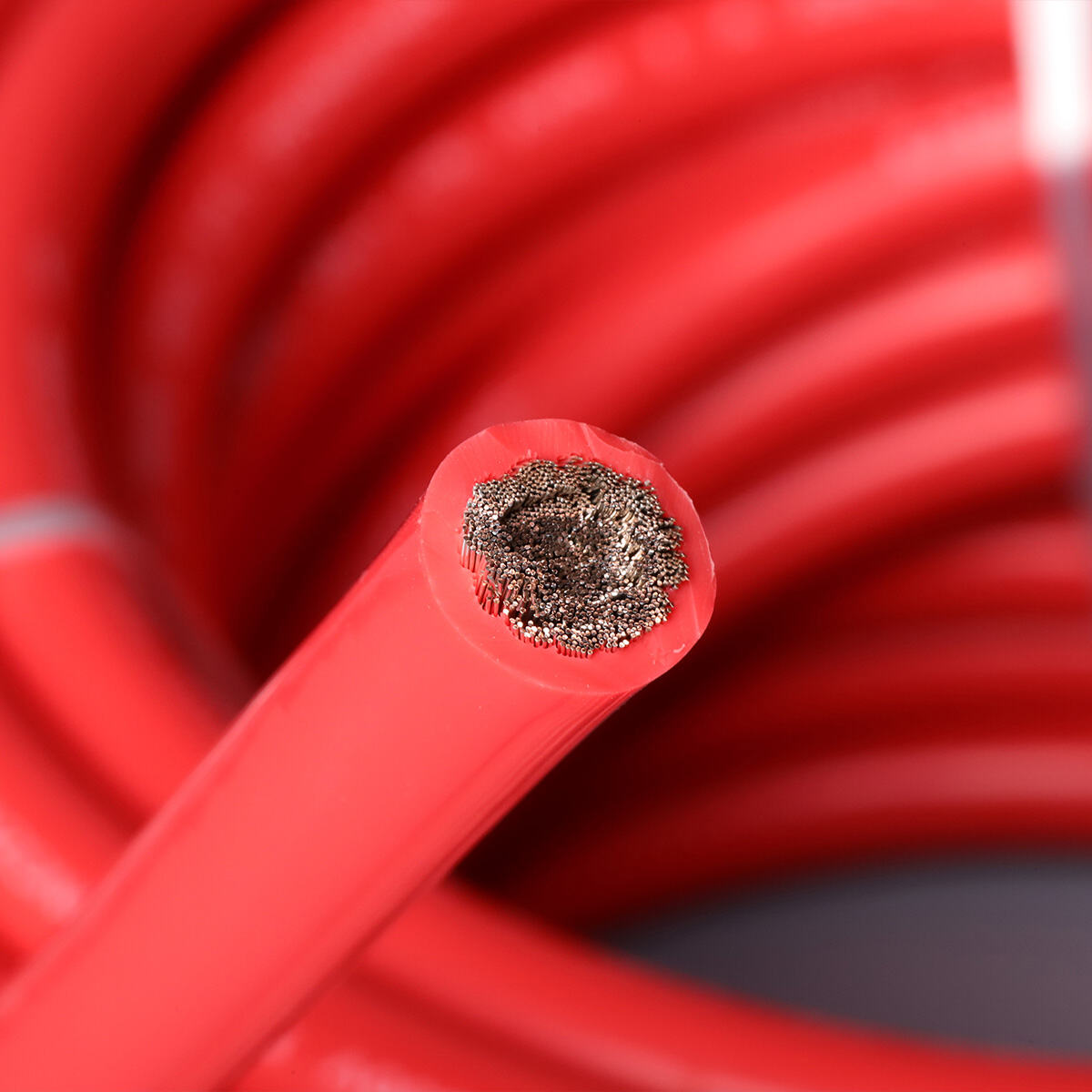
هنگام انتخاب رساناهای الکتریکی برای کاربردهای با جریان بالا، انتخاب سایز سیم (گیج) و جنس آن بهطور مستقیم بر قابلیت اطمینان، ایمنی و عملکرد بلندمدت سیستم تأثیر میگذارد. مهندسان و متخصصان حوزهٔ برق اغلب برای مدارهای سنگین از سیم مسی ۶ AWG استفاده میکنند، زیرا این سیم ترکیبی از ظرفیت عبور جریان مناسب، استحکام مکانیکی بالا و مقرونبهصرفهبودن را فراهم میآورد. درک دلیل برتری این ترکیب خاص از گیج و جنس سیم در محیطهای الکتریکی پرتلاش، نیازمند بررسی ویژگیهای الکتریکی بنیادی، مشخصات حرارتی و مزایای عملیاتی نصب آن است.
قابلیت اطمینان سیم مسی ۶ AWG از سابقهٔ اثباتشدهٔ آن در کاربردهای سنگین صنعتی، تجاری و مسکونی نشأت میگیرد که در آنها خرابی مدار میتواند منجر به اختلالات عملیاتی قابلتوجه یا خطرات ایمنی شود. این اندازهٔ سیم (گیج) نقطهٔ بهینهای را در سیستم گیج سیم آمریکایی (AWG) نشان میدهد که ظرفیت جریان قابلتوجهی فراهم میکند، در عین حال انعطافپذیری مناسبی برای نصب و هزینهٔ مواد در حد معقولی حفظ میشود. پذیرش گستردهٔ این سیم در صنایع متنوع، بازتاب تجربهٔ مهندسی انباشتهشدهای است که عملکرد آن را تحت بارهای الکتریکی چالشبرانگیز و شرایط محیطی سخت تأیید کرده است.
ظرفیت حمل جریان و عملکرد الکتریکی
رتبهبندی آمپریژ و مدیریت بار
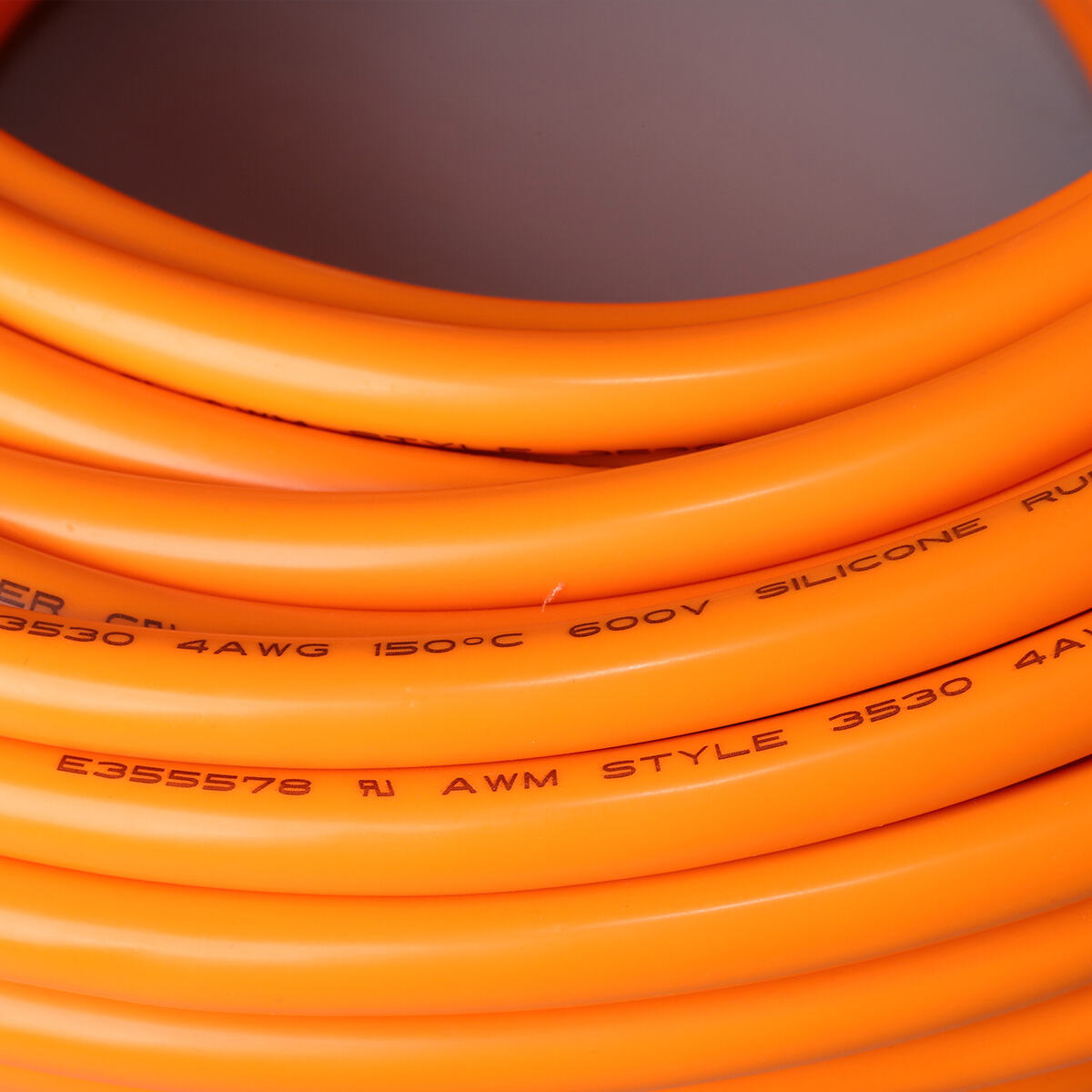
دلیل اصلی برتری سیم مسی ۶ AWG در مدارهای سنگین، ظرفیت جریان بالای آن است که حداکثر جریان پیوستهای را که این سیم میتواند بدون تجاوز از حد دمای مجاز بهطور ایمن تحمل کند، تعیین میکند. در شرایط استاندارد نصب با عایقبندی ۶۰ درجه سانتیگراد، سیم مسی ۶ AWG معمولاً جریان ۶۵ آمپر را تحمل میکند؛ در حالی که عایقبندیهایی با رتبهبندی ۷۵ و ۹۰ درجه سانتیگراد بهترتیب امکان عبور جریان ۷۵ و ۸۵ آمپر را فراهم میکنند. این ظرفیت، این سیم را برای بارهای الکتریکی قابل توجهی مانند مدارهای موتورهای بزرگ، تجهیزات جوشکاری و سیستمهای گرمایشی با توان بالا مناسب میسازد.
رابطه بین سطح مقطع سیم و ظرفیت جریان، از اصول شناختهشده مهندسی برق پیروی میکند. هنگامی که جریان از سیم مسی ۶ AWG عبور میکند، سطح مقطع ۲۶٬۲۴۰ میلدایرهای آن فضای کافی برای حرکت الکترونها فراهم میکند، در حالی که سطح مقاومت را در حد قابل قبولی نگه میدارد. این مزیت هندسی بهطور مستقیم منجر به کاهش افت ولتاژ در طول مسیر مدار میشود و اطمینان حاصل میکند که تجهیزات متصل، ولتاژ پایداری را برای عملکرد بهینه دریافت میکنند.
مدارهای سنگین اغلب با شرایط بار متغیری روبهرو میشوند؛ از جمله جریانهای ناگهانی در زمان راهاندازی تا کار پیوسته در ظرفیت اسمی. جرم حرارتی سیم مسی ۶ AWG محافظت ذاتی در برابر شرایط کوتاهمدت اضافهبار را فراهم میکند، در عین حال عملکرد پایداری را در حین کار طولانیمدت با جریان بالا حفظ مینماید. این ویژگی بهویژه در کاربردهای صنعتی ارزشمند است که در آن چرخههای روشن و خاموش تجهیزات و نیازهای عملیاتی متغیر، شرایط بار الکتریکی پویا ایجاد میکنند.
ویژگیهای افت ولتاژ
محاسبه افت ولتاژ در مدارهای سنگین بسیار حیاتی میشود، زیرا حتی تلفات جزئی نیز میتوانند عملکرد تجهیزات را تحت تأثیر قرار داده یا باعث کارکرد ناکارآمد شوند. ویژگیهای مقاومتی سیم مسی ۶ AWG که حدود ۰٫۴۹۱ اهم در هر هزار فوت در دمای ۷۵ درجه سانتیگراد است، به مهندسان امکان طراحی مدارهایی با درصد افت ولتاژ قابل قبول را حتی در فواصل قابل توجهی میدهد. این مقدار پایین مقاومت تضمین میکند که انرژی الکتریکی با حداقل تلفات به بارهای متصل منتقل شود و در نتیجه بازده کلی سیستم افزایش یابد.
در مقایسه با گزینههای با سطح مقطع کوچکتر، سیم مسی 6 ایجی ویژگیهای برتر تنظیم ولتاژ را نشان میدهد که با افزایش طول مدار، اهمیت آنها بیشتر میشود. بهعنوان مثال، در یک مدار ۱۰۰ فوتی که جریان ۶۰ آمپر را حمل میکند، افت ولتاژ با سیم مسی ۶ AWG حدود ۲٫۹۵ ولت خواهد بود که معادل تقریبی ۲٫۵٪ افت در یک مدار ۱۲۰ ولتی است و این مقدار بهخوبی در محدوده استانداردهای مهندسی قابل قبول برای اکثر کاربردها قرار دارد.
ویژگیهای قابل پیشبینی افت ولتاژ در سیم مسی ۶ AWG، امکان انجام محاسبات دقیق طراحی مدار را فراهم میکند و به مهندسان برق اجازه میدهد تا در مرحله برنامهریزی، اندازه مناسب رساناها را مشخص کنند، نه اینکه پس از نصب با مشکلات تنظیم ولتاژ مواجه شوند. این قابلیت پیشبینی، هزینههای پروژه را کاهش داده و عملکرد قابل اعتمادی را از لحظه روشنکردن اولیه تا سالها خدمات ارائه میدهد.
ویژگیهای مواد و مزایای دوام
ویژگیهای الکتریکی ذاتی مس
جایگاه مس به عنوان ماده رسانای ترجیحی برای کاربردهای سیم 6 AWG ناشی از ترکیب استثنایی آن از رسانایی الکتریکی، استحکام مکانیکی و مقاومت محیطی است. مس با درجه رسانایی تقریباً 100٪ IACS (استاندارد بینالمللی مس آنیل شده)، حداکثر راندمان انتقال جریان را برای یک سطح مقطع سیم مشخص فراهم میکند. این رسانایی بالا مستقیماً به کاهش تلفات انرژی و بهبود عملکرد مدار در کاربردهای سنگین منجر میشود.
ساختار بلوری مس امکان حرکت کارآمد الکترونها را با مقاومت بسیار کم فراهم میکند؛ ویژگیای که بهویژه در مواردی که سیم مسی ۶ AWG جریانهای قابل توجهی را در دورههای طولانی منتقل میکند، اهمیت دارد. برخلاف مواد جایگزین که ممکن است تحت چرخههای حرارتی دچار تخریب خواص الکتریکی خود شوند، مس در محدوده دمایی عادی کارکرد، ویژگیهای هدایت الکتریکی پایدار و ثابتی را حفظ میکند. این پایداری تضمین میکند که عملکرد مدار حتی در شرایط محیطی متغیر نیز قابل پیشبینی باقی بماند.
نرمی و قابلیت شکلپذیری مس مزایای قابل توجهی در نصب سیم ۶ AWG در شرایط پیچیدهٔ مسیریابی فراهم میکند. این ماده میتواند در طول نصب، تحت خمشدنها و دستکاریهای مکرر مقاومت کند بدون اینکه ترکهای ناشی از تنش یا شکستهای داخلی ایجاد شود که ممکن است سلامت الکتریکی را به خطر بیندازد. این قابلیت اطمینان مکانیکی در محیطهای صنعتی که سیستمهای سیمکشی ممکن است تحت اثر ارتعاش، انبساط حرارتی یا تماس فیزیکی گاهبهگاه در حین فعالیتهای نگهداری قرار گیرند، امری ضروری است.
مقاومت علیه خوردگی و استحکام محیطی
قابلیت اطمینان بلندمدت سیم مسی ۶ AWG عمدتاً به مقاومت آن در برابر تخریب محیطی بستگی دارد، بهویژه در محیطهای صنعتی چالشبرانگیزی که در آن رطوبت، بخارات شیمیایی یا نوسانات شدید دما ممکن است وجود داشته باشند. مس بهطور طبیعی هنگام قرار گرفتن در معرض شرایط جوی، لایهای اکسیدی محافظتی تشکیل میدهد که از اکسیداسیون بیشتر جلوگیری کرده و سلامت الکتریکی را در طول دههها خدمات حفظ میکند.
در کاربردهایی که سیم مسی ۶ AWG ممکن است در معرض رطوبت یا شرایط مرطوب قرار گیرد، مقاومت ذاتی این ماده در برابر خوردگی، مزایای قابلتوجهی نسبت به سایر مواد هادی فراهم میکند. حتی در صورت اکسید شدن سطحی، لایه نازک اکسید مس در واقع از ماده هادی زیرین محافظت میکند، در عین حال که اتصالات و پایانههای نصبشده بهدرستی، همچنان قابلیت انتقال الکتریکی قابلقبولی را حفظ میکنند.
پایداری حرارتی مس این امکان را فراهم میکند که سیم مسی ۶ AWG خواص مکانیکی و الکتریکی خود را در طول چرخههای مکرر گرمشدن و سردشدن — که در کاربردهای مدارهای سنگین رایج هستند — حفظ کند. این دوام حرارتی تضمین میکند که نصبهای سیمکشی حتی در کاربردهایی که تجهیزات متصلشده مقدار قابلتوجهی گرما تولید میکنند یا دمای محیط در طول چرخههای عملیاتی بهطور قابلتوجهی تغییر میکند، همچنان قابلاطمینان باقی بمانند.
قابلیت اطمینان در نصب و اتصال
مزایای پایانهبندی و اتصال
قابلیت اطمینان هر مدار سنگین بهطور قابلتوجهی به کیفیت و طول عمر اتصالات الکتریکی بستگی دارد؛ در اینجا سیم مسی ۶ AWG مزایای مشخصی در روشهای انتهاییسازی (ترمینالسازی) ارائه میدهد. سازگاری مس با تجهیزات الکتریکی استاندارد، از جمله سرپیچها (لوگها)، ترمینالها و بلوکهای اتصال، این امکان را فراهم میکند که نصبکنندگان با استفاده از روشهای اثباتشده و قطعات بهراحتی در دسترس، اتصالاتی محکم و با مقاومت الکتریکی پایین ایجاد کنند.
در صورت انجام صحیح انتهاییسازی (ترمینالسازی)، اتصالات سیم مسی ۶ AWG در طول دورههای طولانیمدت بهرهبرداری، مقاومت تماسی ثابتی را حفظ میکنند و از تخریب تدریجی که ممکن است در برخی مواد جایگزین رخ دهد، جلوگیری میکنند. توانایی این ماده در انطباق با سطوح اتصال تحت گشتاور مناسب، ایجاد اتصالاتی بدون نفوذ گاز میکند که در برابر اکسیداسیون مقاوم بوده و حتی در شرایط محیطی چالشبرانگیز نیز یکپارچگی الکتریکی را حفظ میکنند.
استانداردسازی سختافزار اتصال برای کاربردهای سیم مسی ۶ AWG، هم نصب اولیه و هم فعالیتهای نگهداری آینده را سادهتر میکند. تکنسینهای برق میتوانند با اطمینان لگها، ترمینالها و روشهای اتصال مناسب را مشخص کنند، چرا که این اجزا در کاربردهای سنگین مشابه در صنایع متنوع و محیطهای نصب مختلف بهطور گسترده آزمایش و اثبات شدهاند.
انعطافپذیری و ملاحظات نصب
با وجود سطح مقطع قابل توجه آن، سیم مسی ۶ AWG انعطافپذیری کافی را برای نصب عملی در اکثر کاربردهای تجاری و صنعتی حفظ میکند. این سیم را میتوان از طریق سیستمهای لولهکشی (کاندویت)، تراوِر کابل و دور عوامل مانع هدایت کرد، بدون اینکه نیاز به تکنیکها یا تجهیزات خاص نصب باشد. این انعطافپذیری در نصب، هزینههای نیروی کار را کاهش داده و امکان اجرای کارآمد سیمکشی را حتی در پیکربندیهای پیچیده ساختمانها فراهم میکند.
ویژگیهای شعاع خمشدن سیم مسی ۶ AWG امکان نصب در فضاهای محدود را فراهم میکند، در حالی که یکپارچگی الکتریکی و حفاظت عایقی آن حفظ میشود. روشهای نصب مناسب تضمین میکند که این سیم بتواند گوشهها را دور بزند، از سوراخها عبور کند و به ترمینالهای تجهیزات متصل شود، بدون اینکه تمرکز تنشهایی ایجاد شود که ممکن است منجر به خرابیهای آینده یا کاهش عملکرد شود.
سازگانی ردهبندی دمایی سیم مسی ۶ AWG با جعبههای الکتریکی استاندارد، لولههای کانالکشی و دستگاههای حفاظتی، ادغام بیدرز آن را در سیستمهای الکتریکی موجود تضمین میکند. این سازگانی نیازی به اقدامات ویژه یا تغییر در روشهای نصب ندارد و اجازه میدهد تا پیمانکاران الکتریکی مدارهای سنگین را بهصورت کارآمد با استفاده از روشها و مواد آشنا پیادهسازی کنند.
ایمنی و انطباق با ضوابط
بهرسمیتشناختن توسط کد الکتریکی ملی
استاندارد گستردهشده سیم مسی ۶ AWG در کاربردهای سنگین، نشاندهنده پذیرش و بهرسمیتشناختهشدن کامل آن بر اساس «کد الکتریکی ملی» (NEC) و استانداردهای بینالمللی الکتریکی است. این تأیید نظارتی اطمینان میدهد که نصبهای انجامشده با سیم مسی ۶ AWG با ابعاد مناسب، در صورت رعایت دقیق کدها و استانداردهای مربوطه، الزامات ایمنی را برآورده کرده و در بازرسیهای الکتریکی مورد قبول قرار خواهند گرفت.
رعایت کدها برای نصبهای سیم مسی ۶ AWG تنها شامل خود هادی نمیشود، بلکه دستگاههای حفاظتی مرتبط، جعبههای پوششی و روشهای نصب نیز را در بر میگیرد. جداول ظرفیت جریان (آمپراژ) و کاربرد راهنماهای استاندارد برای سیم مسی ۶ AWG، طراحان الکتریکی را قادر میسازد تا حفاظت مدار مناسب را مشخص کنند و اطمینان حاصل کنند که نصبها در شرایط عادی و اضطراری بهطور ایمن عمل خواهند کرد.
حاشیه ایمنی که در رتبهبندی ظرفیت جریان NEC برای سیم مسی ۶ AWG لحاظ شده است، حفاظت اضافی در برابر بار اضافی فراهم میکند و در عین حال اجازه رشد معقول بار را در کاربردهای سنگین میدهد. این عامل ایمنی ذاتی حتی در شرایط جریان اضافی کوتاهمدت یا زمانی که دمای محیط بهطور موقت از پارامترهای طراحی فراتر رود، از گرمشدن بیش از حد هادی جلوگیری میکند.
تحمل خطا و هماهنگی حفاظت
مدارهای سنگینکار که از سیم مسی ۶ AWG استفاده میکنند، از توانایی این ماده در تحمل ایمن جریانهای خطا تا زمانی که ابزارهای حفاظتی برای رفع خطاهای الکتریکی عمل کنند، بهره میبرند. ظرفیت حرارتی هادی زمان کافی برای تشخیص و قطع شرایط خطا توسط قطعکنندههای مدار یا فیوزها فراهم میکند تا از آسیب به هادی جلوگیری شود؛ این امر ایمنی سیستم را تضمین کرده و آسیب به تجهیزات را در شرایط غیرعادی کارکرد به حداقل میرساند.
ویژگیهای قابل پیشبینی جریان اتصال کوتاه سیم مسی ۶ AWG، امکان هماهنگی دقیق بین رساناها و دستگاههای حفاظتی را فراهم میکند و اطمینان حاصل میشود که سیستم حفاظت مدار طبق طراحی، در شرایط اتصال به زمین، اتصال کوتاه یا بار اضافی عمل میکند. این هماهنگی از قطعشدن غیرضروری مدار جلوگیری میکند و در عین حال حفاظت قابل اعتمادی در برابر نقصهای الکتریکی خطرناک ارائه میدهد که ممکن است ایمنی افراد یا سلامت تجهیزات را به خطر بیندازند.
در کاربردهایی که سیم مسی ۶ AWG برای تأمین بارهای حیاتی استفاده میشود، تحمل این رسانا در برابر خطاهای الکتریکی، قابلیت اطمینان اضافی سیستم را ایجاد میکند و حتی در شرایط کاری حاشیهای نیز یکپارچگی مدار را حفظ مینماید. این قابلیت اطمینان بهویژه در فرآیندهای صنعتی ارزشمند است که در آنها قطع غیرمنتظره مدار ممکن است منجر به اتلاف تولید، آسیب به تجهیزات یا ایجاد خطرات ایمنی برای پرسنل در حال کار شود.
ملاحظات اقتصادی و عملی
صرفه اقتصادی و مهندسی ارزش
انتخاب سیم مسی ۶ AWG برای مدارهای سنگین اغلب نشاندهنده تعادلی بهینه بین هزینههای اولیه مواد و قابلیت اطمینان بلندمدت سیستم است. اگرچه مس نسبت به سایر مواد رسانا قیمت بالاتری دارد، اما کاهش نیاز به نگهداری، افزایش عمر خدماتی و عملکرد قابل اعتماد، معمولاً سرمایهگذاری اولیه را در طول عمر عملیاتی سیستم توجیه میکند.
تحلیل مهندسی ارزش برای نصبهای سیم مسی ۶ AWG باید نهتنها هزینه رسانا را در نظر بگیرد، بلکه زمان کاهشیافته نصب، نیازهای سادهتر اتصال و احتمال کمتر شکستهای آینده یا مشکلات عملکردی را نیز دربرگیرد. این عوامل اغلب منجر به کاهش هزینههای کلی نصبشده و کاهش هزینههای چرخه عمر میشوند، در مقایسه با رویکردهای جایگزین که ممکن است در ابتدا ارزانتر به نظر برسند، اما نیازمند فعالیتهای مهندسی یا نگهداری اضافی هستند.
استانداردسازی و دسترسی گسترده به سیم مسی با سایز ۶ AWG، به لحاظ تضمین قیمتهای رقابتی، زنجیرههای تأمین قابل اعتماد و سازگاری با اجزای الکتریکی استاندارد و رویههای نصب معمول، به مزایای اقتصادی آن کمک میکند. این بلوغ بازار، ریسکهای تهیه را کاهش داده و امکان مشخصسازی اطمینانبخش در فازهای برنامهریزی پروژه را فراهم میسازد.
مزایای عملکرد بلندمدت و نگهداری
مدارهای سنگینبار که از سیم مسی با سایز ۶ AWG استفاده میکنند، معمولاً در صورت نصب صحیح و محافظت مناسب، در طول عمر خدمات خود نیاز به نگهداری حداقلی دارند. پایداری این ماده و مقاومت آن در برابر تخریب، فراوانی عملیات بازتنظیم گشتاور اتصالات، تعویض هادی یا فعالیتهای عیبیابی را کاهش میدهد؛ فعالیتهایی که ممکن است در مورد مواد هادی جایگزین یا نصب سیمهای کوچکتر ضروری باشند.
ویژگیهای تشخیصی نصبهای سیم مسی ۶ AWG به پرسنل نگهداری امکان شناسایی مشکلات احتمالی را از طریق آزمونهای الکتریکی دورهای و نظارت حرارتی میدهد. تشخیص زودهنگام مشکلات اتصال یا شرایط بار اضافی، امکان انجام نگهداری پیشگیرانه را فراهم میکند که از بروز خرابیها جلوگیری کرده و قابلیت اطمینان سیستم را افزایش میدهد و در نتیجه هزینههای عملیاتی را کاهش داده و زمان فعالیت تجهیزات را بهبود میبخشد.
وقتی اعمال تغییرات یا گسترشها ضروری میشوند، سازگانی اثباتشده و ویژگیهای عملکردی سیم مسی ۶ AWG تصمیمگیریهای مهندسی را سادهتر کرده و ریسکهای پروژه را کاهش میدهد. نصبهای موجود اغلب میتوانند بارهای اضافی یا تغییرات مداری را بدون نیاز به جایگزینی کامل رساناها تحمل کنند و این امر انعطافپذیری لازم را برای تطبیق با نیازهای عملیاتی متغیر فراهم میکند.
سوالات متداول
حداکثر جریانی که سیم مسی ۶ AWG میتواند در کاربردهای سنگین بهطور ایمن حمل کند چقدر است؟
ظرفیت جریانبری سیم مسی ۶ AWG بستگی به درجهی دمای عایقبندی و شرایط نصب دارد. با عایقبندی ۷۵°C در شرایط نصب معمولی، این سیم میتواند بهصورت پیوسته جریان ۷۵ آمپر را بهطور ایمن حمل کند. این ظرفیت آن را برای بارهای قابلتوجهی مانند موتورهای بزرگ، تجهیزات جوشکاری و مدارهای گرمایشی با توان بالا مناسب میسازد، در حالیکه حاشیههای ایمنی لازم طبق ضوابط برقی را حفظ میکند.
سیم مسی ۶ AWG در مقایسه با سیم آلومینیومی هماندازه در مدارهای سنگین چگونه عمل میکند؟
سیم مسی ۶ AWG نسبت به سیم آلومینیومی هماندازه، هدایت الکتریکی بهتری داشته، قابلیت اتصال قابلاطمینانتری فراهم میکند و مقاومت بیشتری در برابر خوردگی از خود نشان میدهد. اگرچه هزینهی اولیهی سیم آلومینیومی ممکن است کمتر باشد، اما سیم مسی عملکرد بلندمدت پیشبینیپذیرتری ارائه میدهد، اتصال آن آسانتر است و نیاز به نگهداری کمتری دارد؛ بنابراین در کاربردهای سنگین و حیاتی که قابلیت اطمینان از اهمیت بالایی برخوردار است، گزینهی ترجیحدادهشده محسوب میشود.
چه عواملی تعیینکننده این هستند که آیا سیم مسی ۶ AWG برای یک کاربرد خاص مدار سنگین مناسب است یا خیر؟
مناسببودن سیم مسی ۶ AWG به نیازهای جریان مدار، محدودیتهای افت ولتاژ، شرایط دمای محیط و محیط نصب بستگی دارد. مهندسان باید جریان بار واقعی را محاسبه کنند، طول مدار را برای تحلیل افت ولتاژ در نظر بگیرند، عوامل محیطی مانند رطوبت یا قرارگیری در معرض مواد شیمیایی را ارزیابی کنند و از سازگاری این سیم با دستگاههای حفاظتی و تجهیزات الکتریکی اطمینان حاصل کنند تا مشخص شود که این سایز سیم نیازهای کاربرد را برآورده میکند یا خیر.
آیا سیم مسی ۶ AWG میتواند جریانهای راهاندازی موتور و سایر بارهای گذرا را در کاربردهای سنگین تحمل کند؟
بله، سیم مسی ۶ AWG میتواند بهطور ایمن جریانهای راهاندازی معمول موتور و شرایط کوتاهمدت اضافهبار را به دلیل ظرفیت گرمایی آن و ویژگیهای زمان-جریان دستگاههای حفاظتی تحمل کند. این هادی میتواند پالسهای راهاندازی را که ممکن است چند برابر جریان کار عادی باشند و برای مدت کوتاهی لازم برای شتابدهی موتور رخ میدهند، تحمل کند؛ در عین حال دستگاههای حفاظت مدار طوری طراحی شدهاند که این شرایط گذرا و عادی را بدون قطع غیرضروری مدار اجازه دهند.
فهرست مطالب
- ظرفیت حمل جریان و عملکرد الکتریکی
- ویژگیهای مواد و مزایای دوام
- قابلیت اطمینان در نصب و اتصال
- ایمنی و انطباق با ضوابط
- ملاحظات اقتصادی و عملی
-
سوالات متداول
- حداکثر جریانی که سیم مسی ۶ AWG میتواند در کاربردهای سنگین بهطور ایمن حمل کند چقدر است؟
- سیم مسی ۶ AWG در مقایسه با سیم آلومینیومی هماندازه در مدارهای سنگین چگونه عمل میکند؟
- چه عواملی تعیینکننده این هستند که آیا سیم مسی ۶ AWG برای یک کاربرد خاص مدار سنگین مناسب است یا خیر؟
- آیا سیم مسی ۶ AWG میتواند جریانهای راهاندازی موتور و سایر بارهای گذرا را در کاربردهای سنگین تحمل کند؟