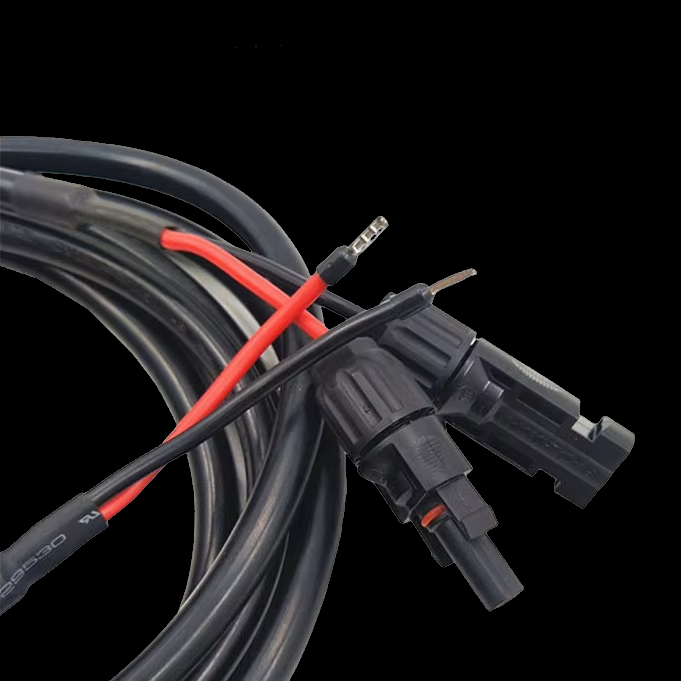
When it comes to building reliable electrical systems—whether in the automotive, industrial, consumer electronics, or outdoor equipment fields—the wire harness connector is often the unsung hero. These small but critical components act as the "bridge" between wires, devices, and circuit boards, ensuring stable power transmission, clear signal flow, and protection against various environmental hazards. Choosing the wrong one can lead to system failures, costly downtime, safety hazards, or premature wear—and with so many types, sizes, and specifications of connectors on the market, the selection process is inevitably overwhelming.
But there’s no need to worry: selecting the right wire harness connector doesn’t have to be a guesswork. By focusing on your specific application scenario, key technical parameters, and practical needs, you can narrow down your options and choose a connector that can operate stably for a long time. This guide will break down the selection process step by step to help you make an informed decision—benefiting engineers, technicians, and anyone responsible for building or maintaining electrical systems.
Step 1: Start with the Application Scenario
The first and most critical step is to clarify your own application scenario. Each usage scenario has its unique needs, and the selected connector must be tailored to meet these needs. You may wish to further clarify your needs through the following questions:
What industry are you in? Automotive, industrial automation, consumer electronics, medical devices, and outdoor equipment all have different requirements. For example, automotive engine bays require connectors that are high-temperature resistant, vibration resistant, and moisture proof, while consumer electronics prioritize compact size and economic cost.
Will the connector be used indoors or outdoors? Outdoor or harsh environments (such as mines, ports, and marine scenarios) require high IP (Ingress Protection) connectors to resist dust, moisture, and corrosion; indoor dry environments (such as office equipment) only need basic dust protection.
Is vibration a concern? Applications such as industrial machinery, robots, and automotive components are subject to continuous vibration, so it is necessary to choose connectors with robust locking mechanisms (such as threaded locks) to prevent accidental disconnection.
Will the connector be frequently plugged and unplugged? For connectors that require regular maintenance or replacement, a high number of mating cycles (such as ≥5000 times required for industrial scenarios) is a core requirement.
 EN
EN