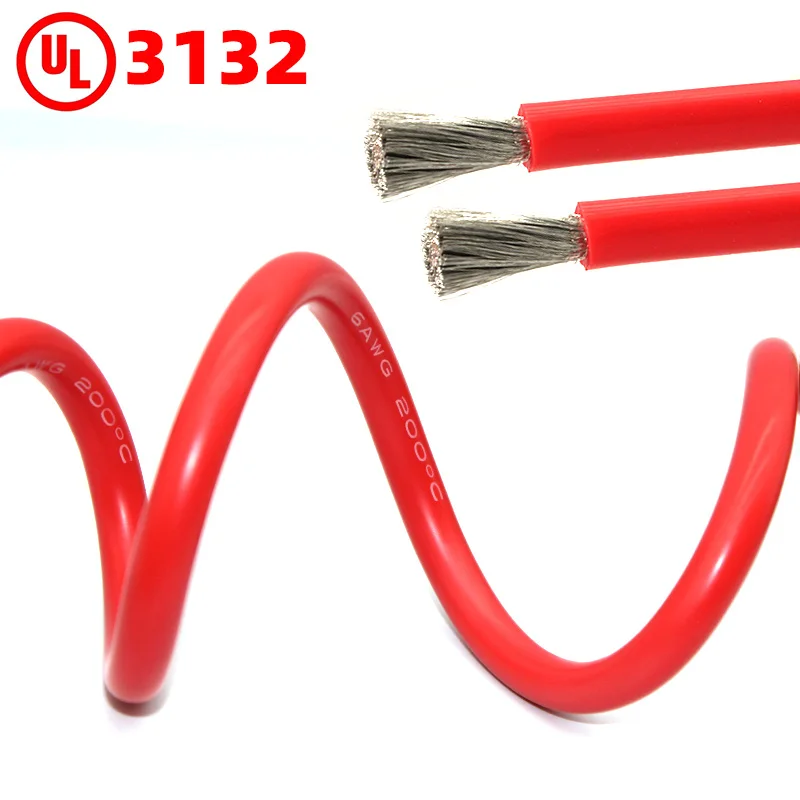
wire gauge
Wire gauge represents a fundamental measurement system that determines the thickness and electrical capacity of conductive wires used across countless applications. This standardized classification method provides essential information about a wire's current-carrying ability, resistance characteristics, and mechanical properties. The wire gauge system operates on an inverse scale, where smaller numbers indicate thicker wires with greater current capacity, while larger numbers represent thinner wires suitable for lighter electrical loads. Understanding wire gauge specifications becomes crucial for electrical professionals, engineers, and DIY enthusiasts who need to select appropriate conductors for their projects. The American Wire Gauge system, commonly known as AWG, serves as the primary standard in North America, while other regions may utilize different measurement systems. Wire gauge directly influences electrical safety, system efficiency, and overall performance in residential, commercial, and industrial installations. Proper wire gauge selection prevents overheating, voltage drops, and potential fire hazards that could result from undersized conductors. The measurement encompasses both solid and stranded wire configurations, with each type offering distinct advantages for specific applications. Solid wire gauge provides excellent conductivity and works well in permanent installations, while stranded wire gauge offers flexibility for applications requiring frequent movement or bending. Modern wire gauge standards incorporate advanced materials and manufacturing techniques that enhance performance characteristics beyond traditional copper conductors. The wire gauge system also considers environmental factors such as temperature ratings, insulation types, and installation methods that affect current-carrying capacity. Professional electricians rely heavily on wire gauge charts and calculations to ensure code compliance and optimal system performance. The evolution of wire gauge standards continues to adapt to emerging technologies, including renewable energy systems, electric vehicle charging infrastructure, and smart home applications that demand precise electrical specifications.
 EN
EN