EN
EN


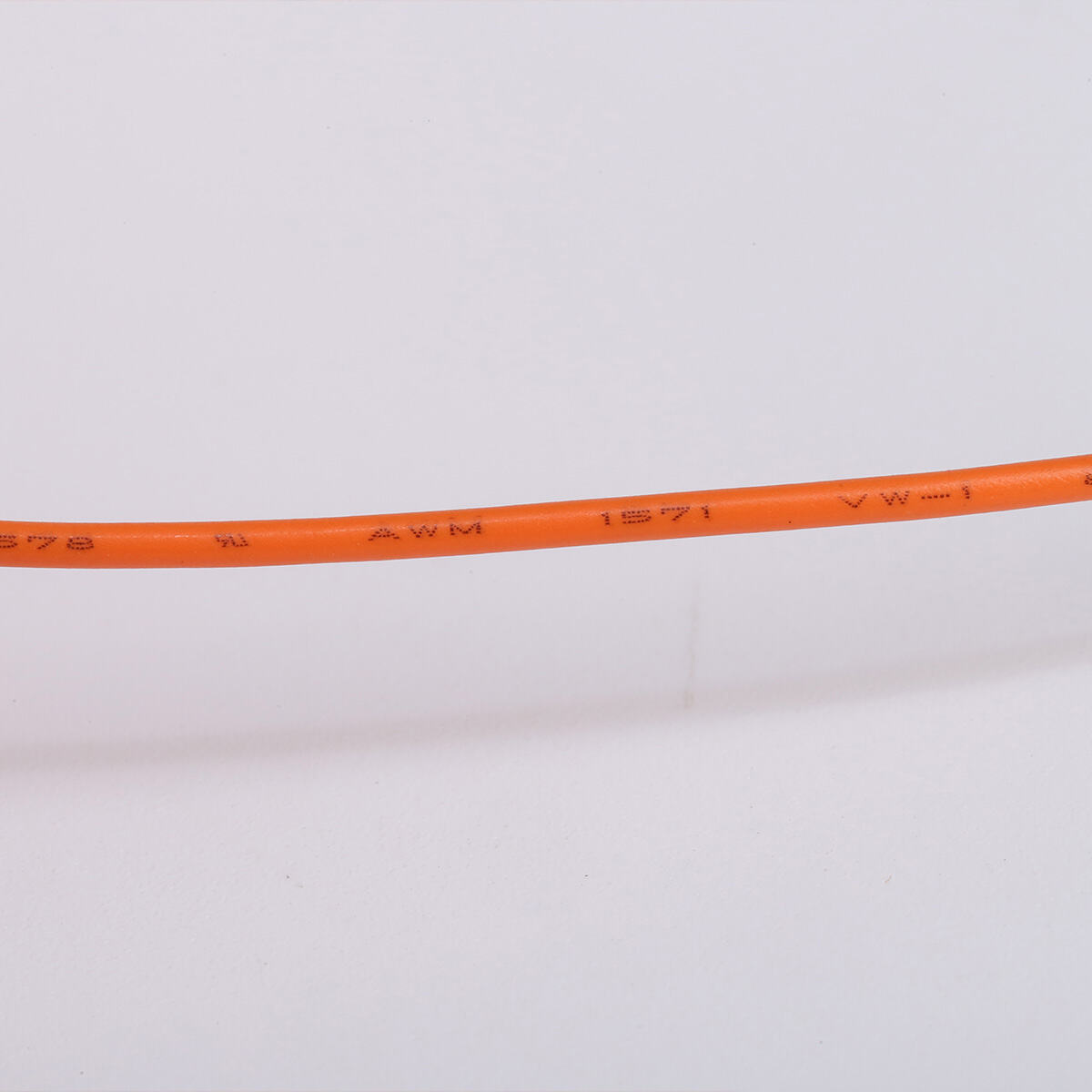
Electrical installations in modern residential and commercial buildings demand robust wiring solutions capable of handling substantial current loads safely and efficiently. The 25mm electric cable house wire has emerged as a preferred choice for heavy-duty applications, offering exceptional conductivity and reliability for high-demand circuits. Understanding the capabilities and proper implementation of this substantial gauge wiring is crucial for electricians, contractors, and property developers working with power-intensive systems.
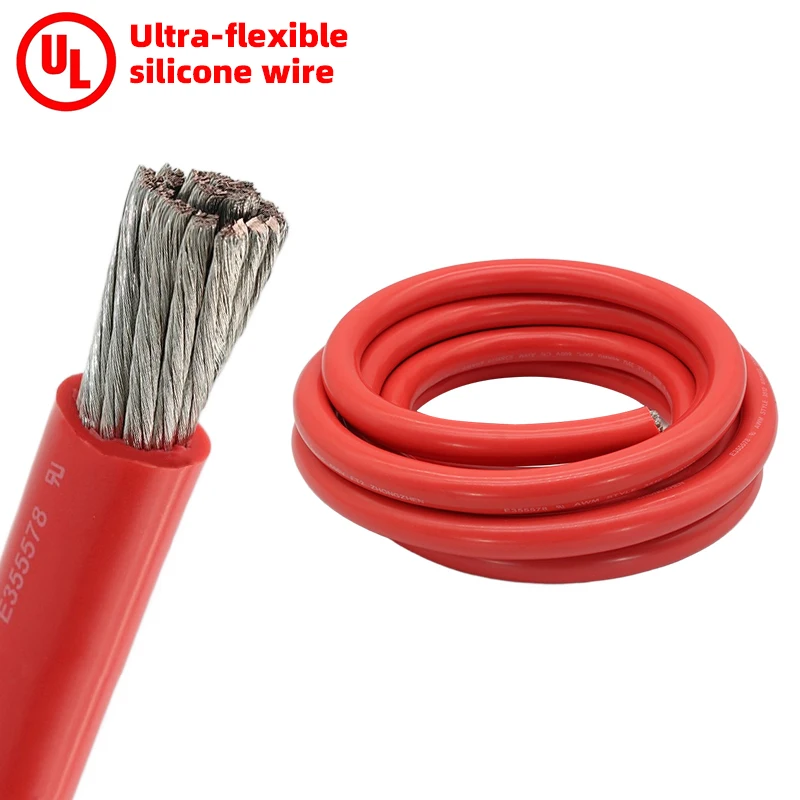
Heavy-load circuits in residential and commercial settings require careful consideration of wire gauge selection to ensure safe operation and compliance with electrical codes. The 25mm electric cable house wire provides the necessary cross-sectional area to accommodate significant amperage without excessive voltage drop or dangerous heat buildup. This substantial conductor size enables reliable power distribution to high-consumption appliances, industrial equipment, and multi-circuit panel feeds where standard household wiring would prove inadequate.
The increasing demand for electric vehicle charging stations, high-efficiency HVAC systems, and commercial-grade kitchen equipment has elevated the importance of proper heavy-gauge wiring installations. Professional electricians recognize that selecting appropriate conductor sizes directly impacts system performance, safety margins, and long-term operational costs. The 25mm electric cable house wire addresses these requirements through its superior current-carrying capacity and enhanced thermal characteristics.
Understanding Current Capacity and Load Requirements
Amperage Ratings and Safety Margins
The current-carrying capacity of 25mm electric cable house wire depends on several critical factors including installation method, ambient temperature, and conductor material composition. Copper conductors of this gauge typically handle continuous currents ranging from 90 to 120 amperes under standard residential installation conditions. This substantial capacity makes the wire suitable for main panel feeders, sub-panel connections, and dedicated circuits serving high-power equipment like electric water heaters, large air conditioning units, and commercial cooking appliances.
Safety margins play a vital role in proper circuit design, requiring engineers to calculate expected loads with appropriate derating factors. The 25mm electric cable house wire provides sufficient overhead capacity to accommodate temporary load spikes and future electrical system expansions. Professional installations typically operate at 80 percent of maximum rated capacity to ensure long-term reliability and compliance with national electrical codes.
Temperature considerations significantly impact the performance characteristics of heavy-gauge conductors. The 25mm electric cable house wire maintains its rated capacity under normal operating temperatures but requires derating when installed in high-temperature environments or bundled with multiple other circuits. Understanding these thermal limitations ensures proper system design and prevents premature insulation degradation.
Voltage Drop Calculations and System Efficiency
Voltage drop represents a critical concern in heavy-load circuit design, as excessive resistance can reduce equipment efficiency and create operational problems. The large cross-sectional area of 25mm electric cable house wire minimizes resistance per unit length, enabling longer circuit runs without significant voltage degradation. This characteristic proves particularly valuable in commercial installations where load centers may be positioned considerable distances from main electrical panels.
Calculating acceptable voltage drop requires consideration of circuit length, load current, and system voltage levels. The 25mm electric cable house wire typically maintains voltage drop below three percent for most residential applications, ensuring adequate voltage delivery to connected equipment. This performance level supports proper motor starting, heating element operation, and sensitive electronic device function.
System efficiency improvements achieved through proper conductor sizing can generate substantial energy cost savings over the operational lifetime of electrical installations. The reduced resistance of 25mm electric cable house wire translates directly into lower power losses and improved overall system performance, particularly beneficial for continuous-operation equipment and high-duty-cycle applications.
Installation Methods and Best Practices
Conduit Systems and Protection Requirements
Proper installation of 25mm electric cable house wire requires careful attention to conduit sizing, bend radius limitations, and pulling techniques to prevent conductor damage. The substantial diameter of this wire gauge necessitates larger conduit systems and specialized pulling equipment to manage installation efficiently. Metal conduit systems provide superior mechanical protection while enabling proper grounding continuity for safety compliance.
Bend radius specifications for heavy-gauge conductors help prevent insulation stress and conductor damage during installation procedures. The 25mm electric cable house wire requires minimum bend radii calculated as multiples of the overall cable diameter to maintain structural integrity. Professional installers utilize specialized bending tools and techniques to achieve required routing while preserving conductor performance characteristics.
Cable pulling operations for large conductors demand proper lubrication, tension monitoring, and systematic approaches to prevent installation damage. The weight and stiffness of 25mm electric cable house wire create unique handling challenges requiring experienced installation crews and appropriate equipment. Proper pulling techniques ensure successful installation while maintaining conductor specifications and insulation integrity.
Termination Techniques and Connection Methods
Reliable electrical connections represent critical success factors for heavy-gauge conductor installations, as improper terminations can create dangerous hot spots and system failures. The 25mm electric cable house wire requires specialized termination hardware designed to accommodate large conductor cross-sections and provide adequate contact surface area. Compression lugs, mechanical connectors, and welded joints each offer specific advantages depending on application requirements.
Proper conductor preparation involves careful stripping techniques that preserve individual strand integrity while providing clean connection surfaces. The 25mm electric cable house wire benefits from professional-grade stripping tools that ensure uniform cuts and prevent strand damage that could reduce connection reliability. Oxidation prevention through proper preparation and connection compound application extends joint life and maintains low resistance values.
Torque specifications for mechanical connections must be carefully followed to ensure proper contact pressure without over-stressing connection hardware. The 25mm electric cable house wire requires substantial termination forces to achieve reliable electrical and mechanical bonds. Proper torque application prevents loose connections while avoiding conductor damage or hardware failure that could compromise system safety.
Applications in Residential and Commercial Settings
Main Panel Feeder Circuits
Main electrical panel feeders represent primary applications for 25mm electric cable house wire in both residential and commercial installations. These circuits carry total building loads from utility connections to distribution panels, requiring substantial current capacity and reliability. The robust construction and high amperage rating of this wire gauge ensure adequate capacity for growing electrical demands while maintaining safety margins required by electrical codes.
Service entrance applications benefit from the superior current-carrying capacity and voltage regulation provided by heavy-gauge conductors. The 25mm electric cable house wire enables efficient power distribution from utility transformers to building electrical systems while minimizing voltage drop and power losses. This performance level supports stable operation of sensitive electronic equipment and high-efficiency electrical systems.
Sub-panel feeder circuits frequently utilize large conductor sizes to supply remote electrical loads or specialized equipment areas. The 25mm electric cable house wire provides reliable power transmission over extended distances while maintaining voltage stability for connected loads. These installations often serve workshops, garages, commercial kitchens, or industrial equipment areas requiring substantial electrical capacity.
High-Power Appliance Circuits
Electric water heater installations commonly require heavy-gauge conductors to supply the substantial current demanded by heating elements. The 25mm electric cable house wire provides adequate capacity for large residential and commercial water heating systems while ensuring safe operation under continuous load conditions. Proper sizing prevents nuisance breaker trips and ensures consistent hot water availability for building occupants.
Commercial kitchen equipment presents significant electrical load challenges requiring robust wiring solutions. The 25mm electric cable house wire supports high-power cooking equipment, dishwashers, and food service appliances that demand substantial continuous current. These applications benefit from the reliable performance and thermal characteristics of heavy-gauge conductors designed for demanding service conditions.
Electric vehicle charging stations represent emerging applications requiring substantial conductor capacity for rapid charging systems. The 25mm electric cable house wire enables efficient power delivery to Level 2 and DC fast charging equipment while meeting safety requirements for automotive electrical systems. These installations support the growing adoption of electric vehicles and contribute to sustainable transportation infrastructure development.
Selection Criteria and Performance Factors
Conductor Material and Construction
Copper conductor construction provides superior electrical and thermal performance for heavy-gauge applications requiring reliable current carrying capacity. The 25mm electric cable house wire utilizes high-purity copper stranding that ensures excellent conductivity while providing flexibility for installation routing. Stranded construction accommodates bending requirements while maintaining electrical continuity under mechanical stress and thermal cycling conditions.
Insulation system selection significantly impacts the performance and application suitability of large conductor cables. The 25mm electric cable house wire incorporates advanced insulation materials designed to withstand elevated temperatures and provide long-term reliability under heavy load conditions. Modern insulation systems offer improved thermal ratings, moisture resistance, and mechanical durability compared to traditional materials.
Manufacturing quality control ensures consistent performance characteristics and compliance with industry standards for heavy-gauge conductors. The 25mm electric cable house wire undergoes rigorous testing procedures to verify electrical properties, insulation integrity, and mechanical specifications. These quality measures provide confidence in long-term performance and safety for critical electrical installations.
Environmental Considerations and Code Compliance
Environmental factors including temperature, moisture, and chemical exposure influence conductor selection and installation methods for heavy-gauge applications. The 25mm electric cable house wire must be specified with appropriate insulation ratings and protection methods to ensure reliable operation under expected service conditions. Proper environmental assessment prevents premature failure and maintains system safety throughout the installation lifetime.
National and local electrical codes establish minimum requirements for conductor sizing, installation methods, and safety provisions that must be followed for compliant installations. The 25mm electric cable house wire meets or exceeds standard specifications for heavy-duty residential and commercial applications when properly selected and installed. Code compliance ensures system safety while providing legal protection for installers and building owners.
Future expansion capabilities should be considered when selecting conductor sizes for new electrical installations. The 25mm electric cable house wire provides substantial reserve capacity that accommodates load growth and system modifications without requiring complete rewiring. This forward-looking approach reduces long-term costs while ensuring adequate electrical capacity for evolving building requirements.
FAQ
What is the maximum current rating for 25mm electric cable house wire?
The maximum current rating for 25mm electric cable house wire typically ranges from 90 to 120 amperes depending on installation conditions, ambient temperature, and conductor material. Copper conductors generally provide higher current capacity than aluminum alternatives. Installation method, such as conduit routing versus direct burial, also affects the amperage rating. Professional electrical design should include appropriate derating factors based on specific installation conditions to ensure safe operation and code compliance.
How does wire gauge affect voltage drop in heavy-load circuits?
Wire gauge directly impacts voltage drop through its effect on conductor resistance, with larger cross-sectional areas providing lower resistance per unit length. The 25mm electric cable house wire offers substantially reduced resistance compared to smaller gauges, enabling longer circuit runs while maintaining acceptable voltage levels. Voltage drop calculations must consider circuit length, load current, and acceptable performance limits to determine appropriate conductor sizing for specific applications.
What installation considerations are unique to heavy-gauge conductors?
Heavy-gauge conductors like 25mm electric cable house wire require larger conduit systems, specialized pulling equipment, and careful attention to bend radius limitations during installation. The increased weight and stiffness of large conductors create unique handling challenges requiring experienced installation crews. Proper termination hardware and techniques become critical for reliable connections, as improper joints can create dangerous hot spots and system failures in high-current applications.
Can 25mm electric cable house wire be used for both residential and commercial applications?
Yes, 25mm electric cable house wire is suitable for both residential and commercial applications where heavy current loads are required. Residential uses include main panel feeders, sub-panel connections, and high-power appliance circuits, while commercial applications encompass equipment feeders, motor circuits, and distribution systems. The specific application requirements, local codes, and installation conditions determine the appropriateness of this conductor size for particular projects.