EN
EN


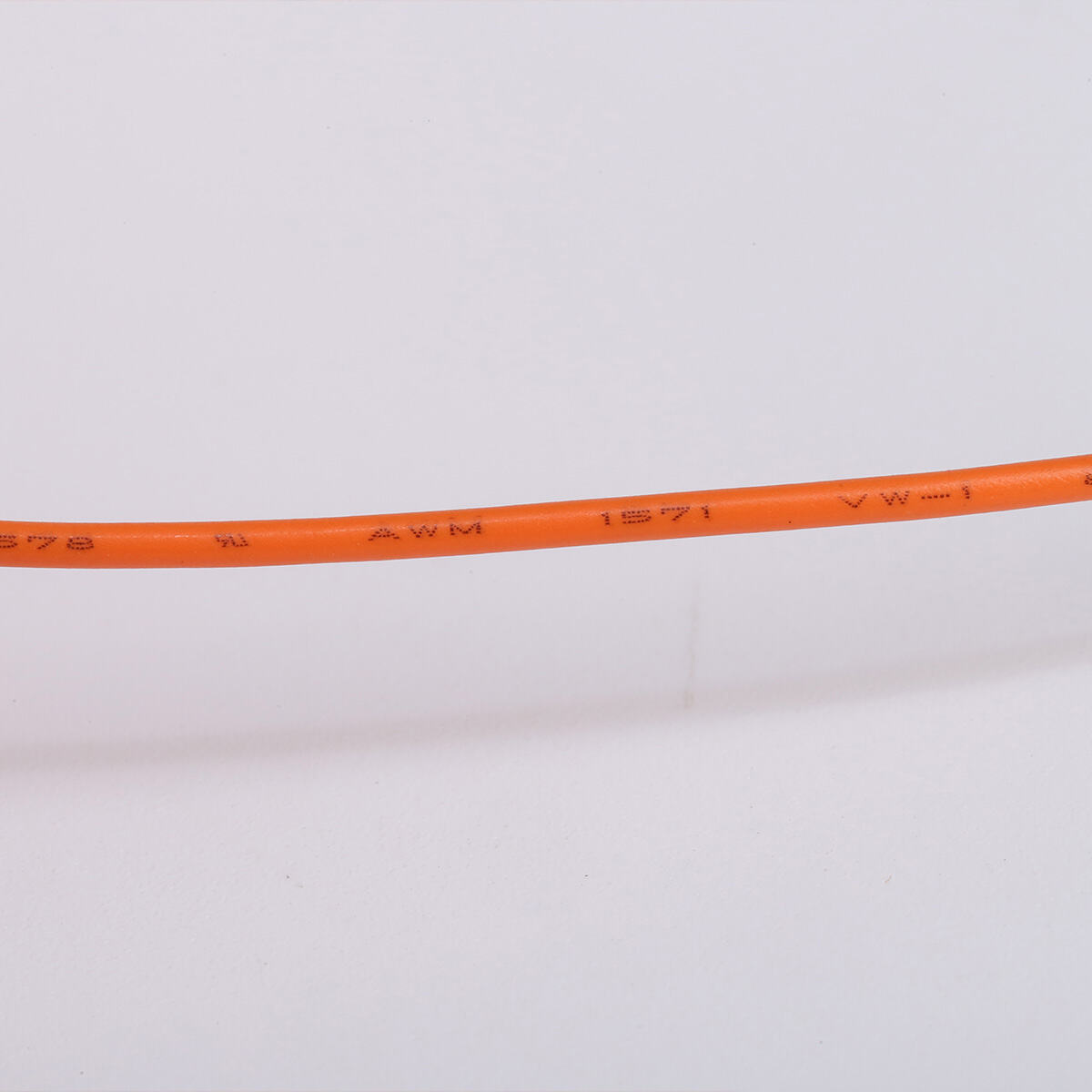
When it comes to residential electrical installations, selecting the appropriate wire gauge is crucial for safety, efficiency, and code compliance. The 25mm electric cable house wire represents a significant conductor size that requires careful consideration before implementation. Professional electricians and installers must evaluate multiple factors including current carrying capacity, installation environment, local electrical codes, and long-term performance requirements. Understanding these considerations ensures optimal electrical system performance while maintaining the highest safety standards for residential applications.
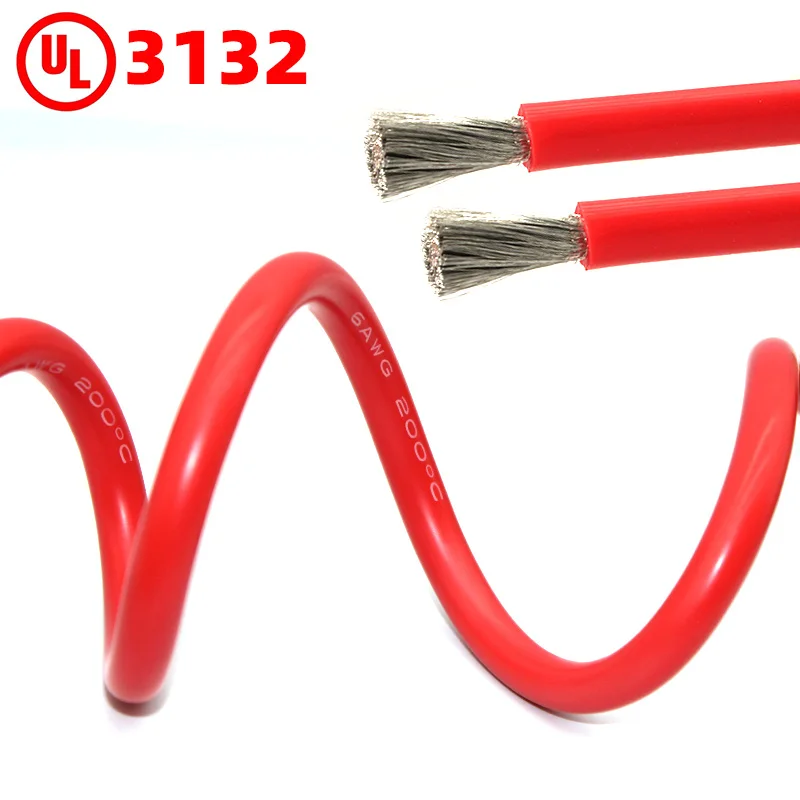
Current Carrying Capacity and Load Requirements
Ampacity Calculations for Residential Applications
The current carrying capacity of 25mm electric cable house wire depends on several critical factors including conductor material, insulation type, ambient temperature, and installation method. Copper conductors with 25mm cross-sectional area typically handle substantial current loads, making them suitable for main service entrances or high-demand circuits. Installers must calculate the total connected load and apply appropriate derating factors based on the number of current-carrying conductors in the same raceway or cable assembly.
Temperature considerations play a vital role in determining the actual ampacity of 25mm electric cable house wire installations. Standard tables provide ampacity ratings at 30°C ambient temperature, but real-world conditions often exceed these parameters. When cables are installed in hot environments such as attics or mechanical rooms, installers must apply temperature correction factors to prevent overheating and ensure safe operation throughout the cable's service life.
Voltage Drop Analysis and Circuit Length
Voltage drop calculations become increasingly important with larger conductors like 25mm electric cable house wire, particularly in long circuit runs. While the larger cross-sectional area reduces resistance per unit length, installers must still verify that voltage drop remains within acceptable limits typically three percent for branch circuits and five percent total from service entrance to load. This analysis helps determine whether the selected conductor size adequately supports the intended electrical loads.
Circuit length directly impacts the performance of 25mm electric cable house wire installations, especially when serving distant loads or outbuildings. Installers should calculate voltage drop using the formula that considers conductor resistance, current, and circuit length. When voltage drop exceeds acceptable limits, upgrading to larger conductors or implementing voltage regulation techniques may be necessary to maintain proper system operation.
Installation Methods and Environmental Factors
Mechanical Protection and Routing Considerations
The substantial size of 25mm electric cable house wire requires careful attention to mechanical protection and proper routing techniques. Heavy gauge conductors generate significant pulling tension during installation, potentially damaging conductor insulation or cable jacket if proper techniques are not employed. Installers must use appropriate pulling equipment, maintain minimum bend radius requirements, and provide adequate support to prevent mechanical stress that could compromise cable integrity.
Conduit fill calculations become critical when installing 25mm electric cable house wire in raceway systems. The large cross-sectional area of these conductors significantly reduces the number of cables that can be safely installed in standard conduit sizes. Installers must consult fill tables to ensure adequate space for heat dissipation and easy cable installation while maintaining compliance with electrical codes and standards.
Environmental Conditions and Insulation Selection
Environmental factors significantly influence the selection and installation of 25mm electric cable house wire in residential applications. Moisture, temperature extremes, chemical exposure, and UV radiation can all impact cable performance and longevity. Installers must evaluate the installation environment and select appropriate insulation materials such as THWN, XHHW, or specialized compounds designed for specific environmental challenges.
Underground installations of 25mm electric cable house wire require special consideration for soil conditions, moisture protection, and thermal characteristics. Direct burial cables must feature appropriate moisture barriers and corrosion-resistant materials to ensure long-term reliability. When installing in conduit systems, proper drainage and moisture sealing prevent water accumulation that could lead to insulation degradation or conductor corrosion over time.
Code Compliance and Safety Requirements
National Electrical Code Standards
Compliance with National Electrical Code requirements is mandatory for all 25mm electric cable house wire installations in residential applications. The NEC provides specific guidelines for conductor sizing, installation methods, overcurrent protection, and grounding requirements that directly apply to large conductor installations. Installers must stay current with code revisions and local amendments that may impose additional requirements or restrictions on conductor use.
Overcurrent protection coordination becomes particularly important with 25mm electric cable house wire installations due to the high current levels involved. Proper fuse or circuit breaker selection ensures that protective devices operate correctly during fault conditions while allowing normal load currents to flow without nuisance tripping. The time-current characteristics of protective devices must coordinate with cable thermal limits to prevent damage during overcurrent events.
Grounding and Bonding Considerations
Effective grounding and bonding systems are essential for safe 25mm electric cable house wire installations, particularly in main service applications where these large conductors are commonly used. Equipment grounding conductors must be sized appropriately based on the rating of overcurrent protective devices, while grounding electrode conductors may require special consideration when connecting to various grounding electrode types.
Bonding requirements for metallic raceways and enclosures become more complex with 25mm electric cable house wire installations due to the high fault current levels possible with these large conductors. All metallic components in the electrical system must be properly bonded to ensure effective fault current paths and minimize dangerous voltage differences during ground fault conditions.
Economic and Performance Optimization
Cost-Benefit Analysis for Large Conductors
The initial cost of 25mm electric cable house wire represents a significant investment compared to smaller conductors, but long-term benefits often justify the expense in appropriate applications. Reduced energy losses due to lower conductor resistance can provide ongoing cost savings, particularly in high-usage circuits or installations with long cable runs. Installers should perform life-cycle cost analysis to determine the most economical conductor size for specific applications.
Future expansion capabilities represent another economic advantage of 25mm electric cable house wire installations. Oversizing conductors during initial installation provides capacity for load growth without requiring complete rewiring. This forward-thinking approach can save substantial costs when electrical demands increase due to home additions, electric vehicle charging, or upgraded appliances that require higher electrical capacity.
System Reliability and Maintenance Benefits
The robust construction of 25mm electric cable house wire contributes to improved system reliability through reduced operating temperatures and mechanical stress. Lower current density in oversized conductors results in cooler operation, extending insulation life and reducing the likelihood of premature failures. This improved reliability translates to fewer service calls and reduced maintenance costs over the installation's lifetime.
Fault tolerance characteristics of 25mm electric cable house wire provide additional safety margins during abnormal operating conditions. The larger conductor cross-section can handle temporary overloads better than minimum-sized cables, providing time for protective devices to operate before conductor damage occurs. This fault tolerance helps prevent cascading failures and maintains electrical service continuity during challenging operating conditions.
Installation Best Practices and Quality Assurance
Proper Termination Techniques
Terminating 25mm electric cable house wire requires specialized techniques and equipment to ensure reliable connections throughout the system's service life. The large conductor size demands careful preparation of conductor ends, proper torque application, and use of appropriate connection hardware rated for the conductor size and current levels. Improper terminations can result in high-resistance connections, overheating, and potential fire hazards.
Connection hardware selection becomes critical with 25mm electric cable house wire due to the substantial current levels and mechanical forces involved. Lugs, terminals, and splice connectors must be properly rated for the conductor size and application environment. Installation procedures should follow manufacturer specifications for conductor preparation, hardware installation, and final inspection to ensure optimal connection performance.
Testing and Commissioning Procedures
Comprehensive testing protocols ensure that 25mm electric cable house wire installations meet safety and performance requirements before energization. Insulation resistance testing verifies the integrity of cable insulation and identifies potential problems that could lead to ground faults or equipment damage. Continuity testing confirms proper connections and identifies any open circuits or high-resistance joints that require correction.
Documentation and labeling requirements for 25mm electric cable house wire installations help ensure proper maintenance and future modifications. Accurate as-built drawings, cable schedules, and system documentation provide essential information for troubleshooting, expansion planning, and regulatory compliance. Proper labeling at termination points facilitates safe maintenance work and reduces the risk of errors during system modifications.
FAQ
What is the maximum current rating for 25mm electric cable house wire?
The current rating for 25mm electric cable house wire varies based on conductor material, insulation type, installation method, and ambient temperature conditions. Copper conductors typically handle 100-150 amperes under standard conditions, while aluminum conductors have lower ratings. Always consult current ampacity tables and apply appropriate derating factors for your specific installation conditions to determine the actual current carrying capacity.
Can 25mm electric cable house wire be used for residential service entrances?
Yes, 25mm electric cable house wire is commonly used for residential service entrances, particularly for homes with high electrical demands or future expansion plans. However, local electrical codes may specify minimum conductor sizes for service entrances, and utility companies often have their own requirements. Consult local authorities and utility specifications before finalizing conductor selection for service entrance applications.
How do I determine the appropriate conduit size for 25mm electric cable house wire?
Conduit sizing for 25mm electric cable house wire requires consulting NEC conduit fill tables based on the number of conductors and conduit type. The large cross-sectional area of these conductors significantly impacts fill calculations. For single conductors, minimum trade size conduit is typically 1.25 inches, while multiple conductors may require larger sizes to maintain proper fill percentages and heat dissipation.
What special tools are needed for installing 25mm electric cable house wire?
Installing 25mm electric cable house wire requires specialized tools including heavy-duty cable pullers, large conductor strippers, high-torque termination tools, and appropriate bending equipment to maintain minimum bend radius. Standard residential wiring tools may not be adequate for the mechanical demands of large conductor installation. Professional-grade equipment ensures safe installation while preventing damage to expensive cable materials.
Table of Contents
- Current Carrying Capacity and Load Requirements
- Installation Methods and Environmental Factors
- Code Compliance and Safety Requirements
- Economic and Performance Optimization
- Installation Best Practices and Quality Assurance
-
FAQ
- What is the maximum current rating for 25mm electric cable house wire?
- Can 25mm electric cable house wire be used for residential service entrances?
- How do I determine the appropriate conduit size for 25mm electric cable house wire?
- What special tools are needed for installing 25mm electric cable house wire?