EN
EN


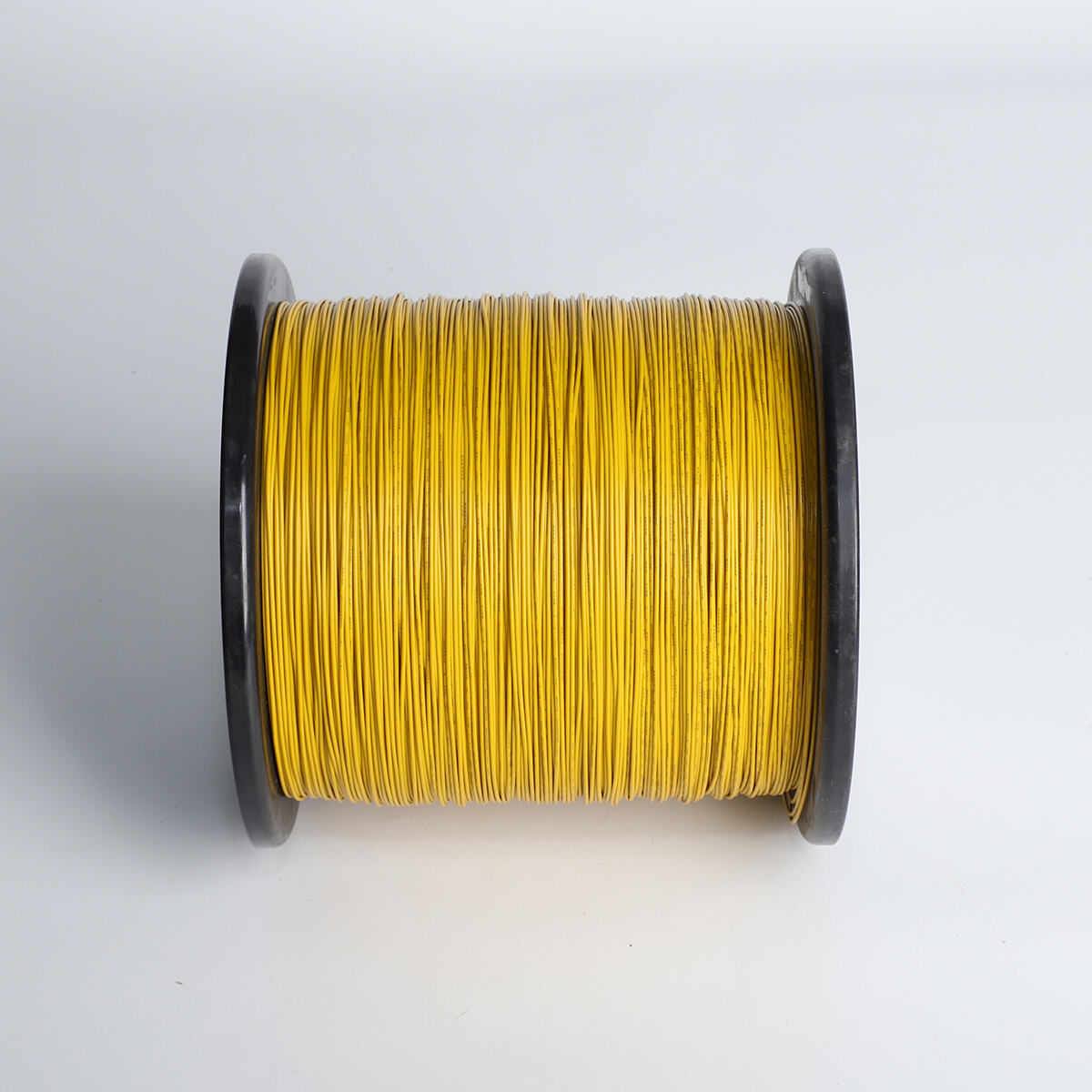
Professional contractors face countless decisions when selecting materials for electrical installations, but none are more critical than choosing the right electric wire cable. The quality and specifications of electrical wiring directly impact project safety, longevity, and compliance with industry standards. High-grade electric wire cable has become the preferred choice among experienced contractors who understand that superior materials lead to superior results. This preference stems from decades of field experience where substandard wiring has caused project delays, safety hazards, and costly rework. Modern construction projects demand electrical solutions that can withstand environmental challenges while maintaining consistent performance over extended periods.
Superior Material Composition and Construction Quality
Advanced Conductor Technology
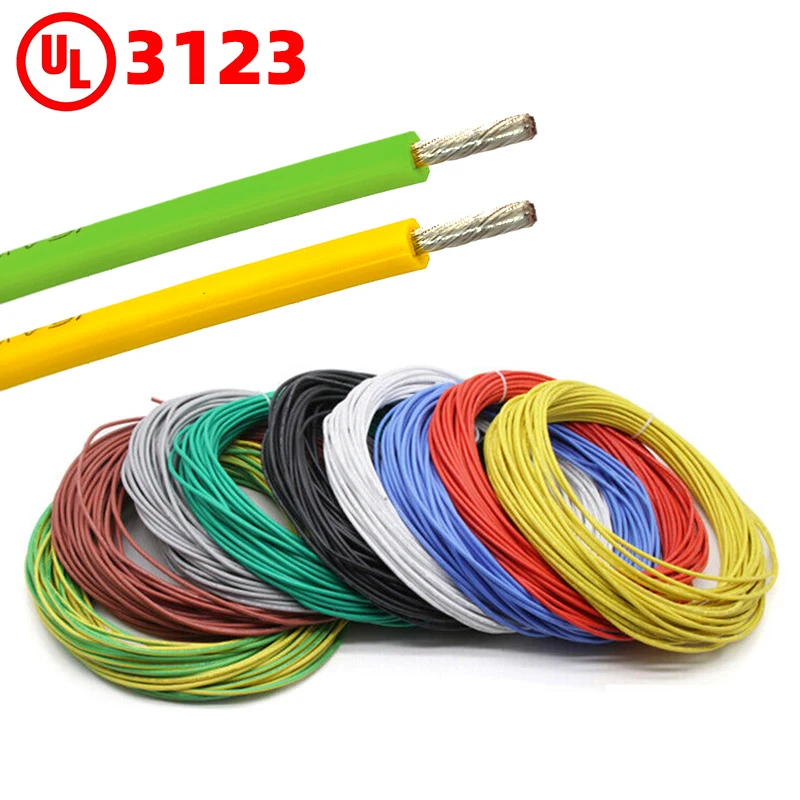
The foundation of any high-grade electric wire cable lies in its conductor composition and manufacturing precision. Premium electrical cables utilize tinned copper conductors that offer exceptional conductivity while resisting corrosion in demanding environments. These conductors undergo specialized treatment processes that enhance their flexibility and durability compared to standard copper alternatives. Contractors recognize that tinned copper maintains its electrical properties even when exposed to moisture, chemicals, or temperature fluctuations common in construction environments. The stranding configuration of these conductors also plays a crucial role in cable performance, with finer strands providing better flexibility for installation in tight spaces.
Manufacturing quality control ensures consistent conductor dimensions and uniform insulation thickness throughout each cable length. This consistency translates to predictable electrical characteristics and reliable performance across entire installations. Contractors appreciate that high-grade electric wire cable eliminates the variability often found in lower-quality alternatives, reducing troubleshooting time during and after installation. The precision manufacturing also ensures proper fit with electrical connectors and termination hardware, preventing loose connections that could lead to system failures.
Insulation Materials and Performance Characteristics
Premium insulation materials distinguish high-grade electric wire cable from standard alternatives through superior thermal, chemical, and mechanical properties. Silicone rubber insulation, commonly found in professional-grade cables, maintains flexibility across extreme temperature ranges while providing excellent electrical isolation. This material resists degradation from UV exposure, ozone, and various industrial chemicals that cables may encounter during their service life. Contractors value these characteristics because they ensure long-term reliability in diverse installation environments.
The dielectric strength of premium insulation materials provides enhanced safety margins beyond minimum code requirements. This additional protection proves invaluable in applications where electrical systems may experience voltage transients or surge conditions. High-grade electric wire cable insulation also demonstrates superior flame resistance and self-extinguishing properties, contributing to overall fire safety in commercial and residential installations. These performance characteristics give contractors confidence that their electrical installations will meet or exceed safety expectations throughout the system's operational life.
Installation Advantages and Contractor Benefits
Enhanced Workability and Installation Efficiency
Contractors consistently choose high-grade electric wire cable because it significantly improves installation efficiency and reduces labor costs. The superior flexibility of premium cables allows easier routing through conduits, around obstacles, and into tight electrical enclosures. This flexibility reduces the physical effort required during installation while minimizing the risk of conductor damage from excessive bending or pulling forces. Experienced electricians report that quality cables can reduce installation time by up to twenty percent compared to rigid or poorly constructed alternatives.
The consistent outer diameter and smooth jacket surface of premium electric wire cable facilitate smooth pulling through conduit systems. This characteristic proves especially valuable in long conduit runs where friction can make cable installation challenging with inferior products. Contractors also appreciate that high-grade cables maintain their round cross-section during installation, preventing flat spots or deformation that could affect electrical performance or future cable additions to the same conduit.
Reduced Maintenance and Callback Issues
Professional contractors understand that initial material costs represent only a fraction of total project expenses when maintenance and warranty considerations are included. High-grade electric wire cable dramatically reduces the likelihood of premature failures that could result in expensive service calls or system downtime. The superior materials and construction quality translate to extended service life that often exceeds the warranty period of electrical installations. This reliability protects contractor reputations while reducing long-term liability exposure.
Quality cables also demonstrate better resistance to environmental factors that commonly cause electrical problems in buildings. Moisture infiltration, thermal cycling, and mechanical stress from building settlement rarely affect properly installed premium electric wire cable installations. Contractors benefit from this durability through reduced warranty claims and enhanced customer satisfaction that leads to repeat business and referrals.
Code Compliance and Safety Standards
Meeting and Exceeding Regulatory Requirements
Electrical code compliance represents a non-negotiable aspect of professional electrical installations, and high-grade electric wire cable consistently meets or exceeds these stringent requirements. Premium manufacturers invest heavily in testing and certification processes that ensure their products comply with National Electrical Code provisions and local amendments. Contractors rely on these certifications to streamline inspection processes and avoid costly delays associated with non-compliant materials. The documentation provided with quality cables also facilitates permit applications and final inspections.
Many high-grade electric wire cable products carry multiple agency listings that expand their approved applications beyond basic code minimums. These additional certifications often include specialized ratings for wet locations, high-temperature environments, or specific industrial applications. Contractors value this versatility because it allows them to stock fewer cable types while maintaining the ability to handle diverse project requirements. The comprehensive testing behind these certifications also provides assurance that cables will perform safely throughout their rated service life.
Enhanced Safety Margins and Risk Mitigation
Safety considerations drive many contractor decisions regarding electric wire cable selection, particularly in commercial and industrial applications where system failures could have serious consequences. Premium cables typically incorporate safety margins that exceed minimum code requirements, providing additional protection against overcurrent conditions, environmental stresses, and installation variables. These margins help ensure safe operation even when systems experience conditions beyond normal operating parameters.
The superior insulation and jacketing materials used in high-grade electric wire cable provide enhanced protection against arc fault and ground fault conditions that could pose fire or electrocution hazards. Contractors appreciate that these materials resist tracking and carbonization even under adverse conditions, maintaining electrical isolation when lesser materials might fail. This enhanced safety performance protects both building occupants and contractor liability exposure while contributing to overall electrical system reliability.
Long-term Value and Performance Benefits
Total Cost of Ownership Advantages
Experienced contractors evaluate electric wire cable costs from a total ownership perspective that includes initial purchase price, installation efficiency, and long-term performance factors. While premium cables may carry higher upfront costs, they typically deliver superior value through reduced installation time, lower failure rates, and extended service life. This comprehensive cost analysis often reveals that high-grade cables provide lower per-year costs over typical building lifespans compared to budget alternatives that require premature replacement.
Energy efficiency considerations also factor into long-term value calculations, as high-quality conductors minimize voltage drop and power losses in electrical distribution systems. These efficiency gains translate to lower operating costs for building owners while potentially qualifying projects for energy efficiency incentives or certifications. Contractors who specify premium electric wire cable can demonstrate tangible value to customers through documented energy savings and reduced maintenance requirements over system lifespans.
Warranty and Reliability Considerations
Manufacturer warranties on high-grade electric wire cable typically exceed those offered on standard products, reflecting the superior materials and construction quality. These extended warranties provide contractors with additional protection against material defects while demonstrating manufacturer confidence in product performance. The comprehensive warranty coverage often includes not only material replacement but also labor costs associated with cable failures, providing significant financial protection for electrical installations.
Reliability statistics from field installations consistently demonstrate that premium electric wire cable experiences significantly lower failure rates compared to standard alternatives. This reliability proves especially valuable in critical applications where system downtime carries high costs or safety implications. Contractors build their reputations on reliable installations, making the consistent performance of quality cables an essential factor in material selection decisions.
Environmental Performance and Sustainability
Temperature and Weather Resistance
Modern construction projects often subject electrical installations to challenging environmental conditions that test cable performance limits. High-grade electric wire cable incorporates materials and construction techniques specifically designed to withstand temperature extremes, moisture exposure, and UV radiation that could degrade standard cables over time. The superior temperature ratings of premium cables allow installations in locations where standard products might require expensive protective measures or frequent replacement.
Weather resistance characteristics become particularly important in outdoor applications or buildings with significant temperature variations. Quality electric wire cable maintains its electrical and mechanical properties across wide temperature ranges while resisting cracking, hardening, or other forms of environmental degradation. Contractors value this performance because it eliminates the need for specialized environmental protection measures while ensuring reliable operation throughout seasonal weather cycles.
Chemical and Mechanical Durability
Industrial and commercial environments often expose electrical cables to chemicals, oils, and mechanical stresses that could compromise inferior products. High-grade electric wire cable utilizes jacket and insulation materials specifically formulated to resist common industrial chemicals while maintaining flexibility and electrical performance. This chemical resistance prevents premature deterioration that could lead to system failures or safety hazards in demanding environments.
Mechanical durability factors include resistance to abrasion, crushing, and flexing stresses that cables may encounter during installation or throughout their service life. Premium cables incorporate reinforcement techniques and material formulations that maintain structural integrity even under significant mechanical stress. Contractors appreciate this durability because it reduces the risk of cable damage during installation while ensuring long-term reliability in applications subject to vibration or movement.
FAQ
What makes high-grade electric wire cable worth the additional cost?
High-grade electric wire cable justifies its premium pricing through superior materials, enhanced safety margins, and extended service life that reduce total ownership costs. The improved conductor quality and insulation materials provide better electrical performance while resisting environmental degradation that affects standard cables. Installation efficiency gains and reduced callback rates further offset initial cost differences, making premium cables a smart long-term investment for professional electrical contractors.
How do contractors determine appropriate cable specifications for different projects?
Professional contractors evaluate electric wire cable specifications based on environmental conditions, electrical load requirements, and applicable code provisions for each specific application. They consider factors such as temperature ratings, moisture exposure, chemical compatibility, and mechanical stress requirements to select appropriate cable types. Consultation with electrical engineers and manufacturer technical support often helps ensure optimal cable selection for complex or specialized installations.
What certification standards should contractors look for when selecting electric wire cable?
Contractors should verify that electric wire cable carries appropriate UL listings, NEC compliance certifications, and any specialized ratings required for intended applications. Common certifications include UL 83 for building wire, UL 1277 for tray cable, and various environmental ratings for outdoor or industrial use. International certifications such as CSA or IEC may be required for projects with global specifications or export requirements.
How does cable quality affect electrical system performance and safety?
Cable quality directly impacts electrical system performance through conductor resistance, insulation effectiveness, and long-term reliability characteristics. High-grade electric wire cable maintains consistent electrical properties while providing enhanced protection against arc faults, ground faults, and overcurrent conditions. Superior materials and construction also contribute to system safety by resisting environmental degradation and maintaining electrical isolation throughout the cable's service life.
Table of Contents
- Superior Material Composition and Construction Quality
- Installation Advantages and Contractor Benefits
- Code Compliance and Safety Standards
- Long-term Value and Performance Benefits
- Environmental Performance and Sustainability
-
FAQ
- What makes high-grade electric wire cable worth the additional cost?
- How do contractors determine appropriate cable specifications for different projects?
- What certification standards should contractors look for when selecting electric wire cable?
- How does cable quality affect electrical system performance and safety?