EN
EN

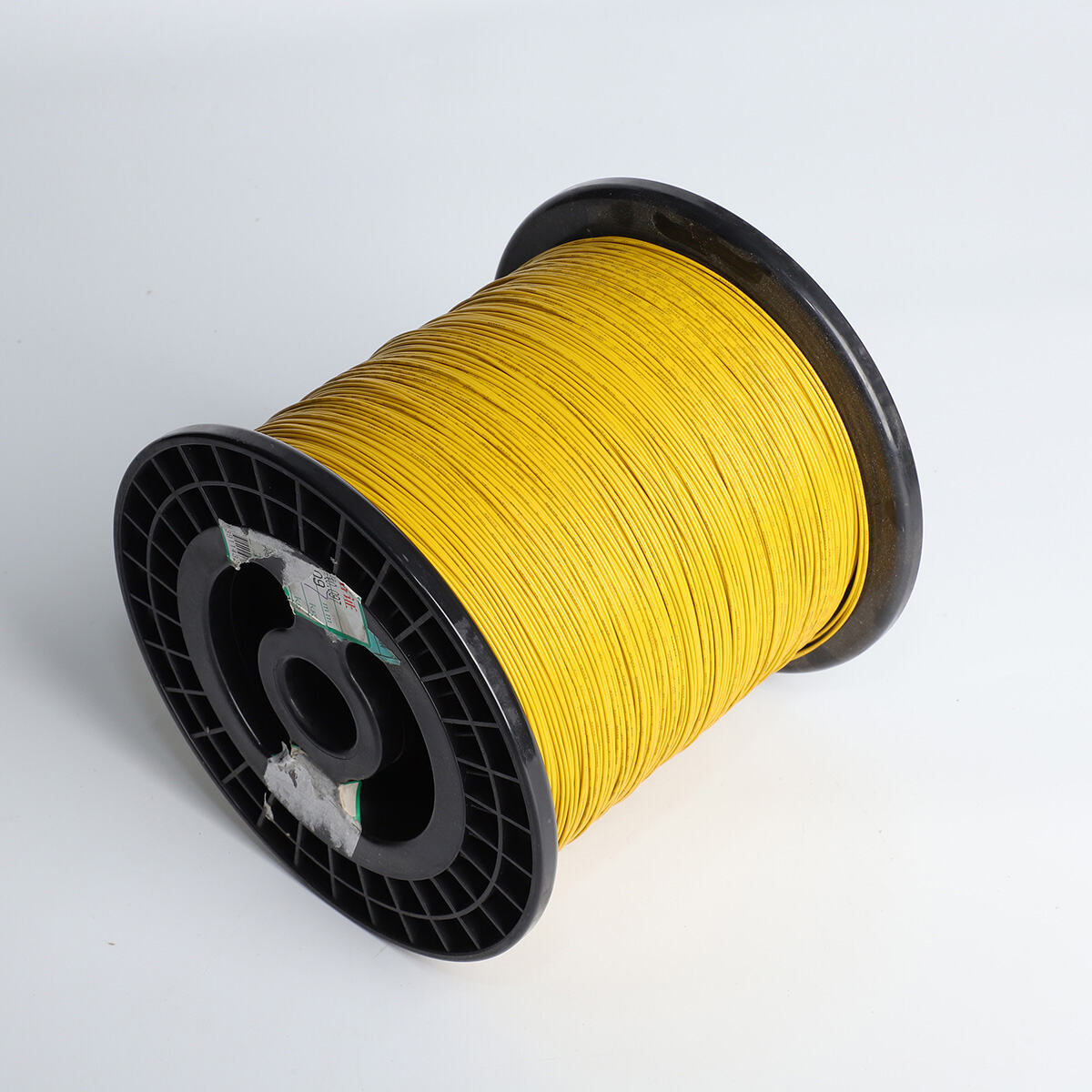
Selecting the right electric wire cable for your electrical projects is a critical decision that affects safety, performance, and long-term reliability. Whether you're working on residential installations, industrial applications, or specialized equipment, understanding the key characteristics of electric wire cable ensures optimal results. The modern electrical industry offers numerous options, each designed for specific environments and performance requirements. Making an informed choice requires careful consideration of multiple factors that directly impact the functionality and durability of your electrical systems.
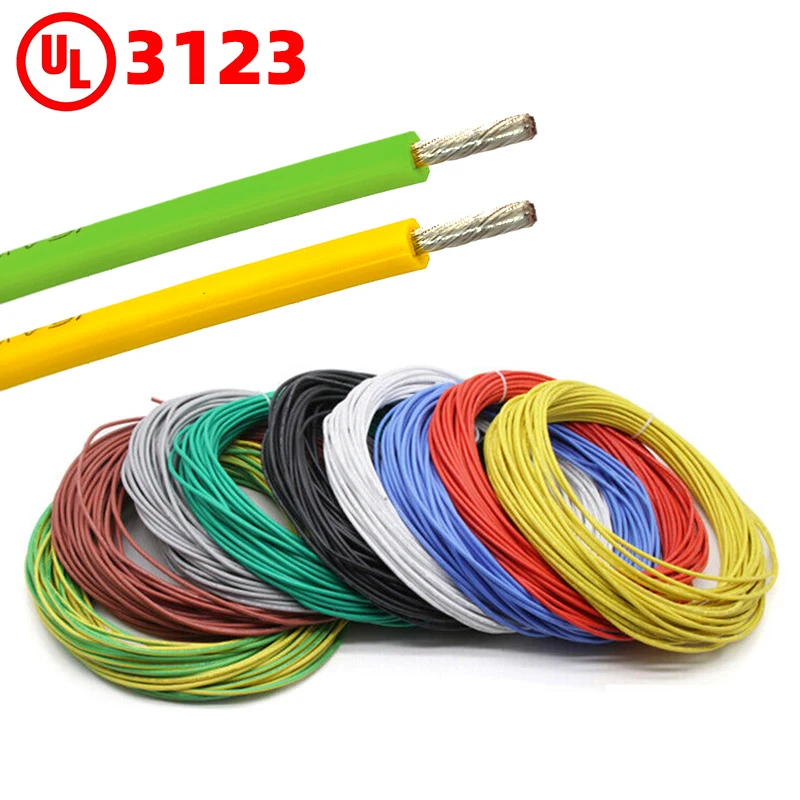
Understanding Conductor Materials and Construction
Copper versus Aluminum Conductors
The conductor material forms the heart of any electric wire cable, with copper and aluminum being the primary options available in today's market. Copper conductors offer superior electrical conductivity, corrosion resistance, and mechanical strength, making them ideal for high-performance applications. These conductors maintain consistent electrical properties over extended periods and provide excellent flexibility for installation in tight spaces. The thermal characteristics of copper allow electric wire cable to handle higher current loads without significant voltage drops.
Aluminum conductors present a cost-effective alternative for specific applications, particularly in overhead transmission lines and large-scale industrial installations. While aluminum electric wire cable requires larger cross-sectional areas to carry equivalent current loads compared to copper, it offers significant weight advantages in aerial applications. However, aluminum conductors require special connection techniques and materials to prevent galvanic corrosion and ensure long-term reliability. Understanding these material differences helps determine the most appropriate conductor type for your specific application requirements.
Stranded versus Solid Conductor Design
The physical construction of conductors within electric wire cable significantly impacts flexibility, installation ease, and application suitability. Solid conductors consist of a single wire strand, providing excellent mechanical strength and lower resistance for fixed installations. These conductors work well in permanent wiring applications where flexibility is not a primary concern, such as building wiring and panel connections. Solid conductor electric wire cable typically offers better performance in high-frequency applications due to reduced skin effect.
Stranded conductors comprise multiple smaller wire strands twisted together, creating enhanced flexibility and resistance to fatigue from repeated bending. This construction makes stranded electric wire cable ideal for applications requiring frequent movement, vibration resistance, or installation through conduits with multiple bends. The increased surface area of stranded conductors can provide better heat dissipation in high-current applications. However, stranded designs may have slightly higher resistance and require proper termination techniques to ensure reliable connections.
Insulation Materials and Performance Characteristics
Thermoplastic Insulation Properties
Insulation materials protect conductors and determine the operating parameters of electric wire cable in various environmental conditions. Thermoplastic insulations, including PVC, polyethylene, and cross-linked polyethylene, offer excellent dielectric properties and chemical resistance for general-purpose applications. PVC insulation provides good flexibility at normal temperatures and excellent resistance to moisture, oils, and many chemicals. This makes PVC-insulated electric wire cable suitable for indoor wiring, control circuits, and moderate-temperature applications.
Cross-linked polyethylene insulation delivers superior thermal performance, allowing electric wire cable to operate at higher temperatures while maintaining excellent electrical properties. This insulation type resists environmental stress cracking and provides excellent moisture resistance for outdoor applications. The cross-linking process creates a thermoset material that maintains its properties even under extreme temperature variations. Understanding these insulation characteristics helps select electric wire cable that meets specific operating temperature and environmental requirements.
Elastomeric and Specialty Insulation Systems
Elastomeric insulations, such as silicone rubber, EPDM, and natural rubber compounds, provide exceptional flexibility and temperature resistance for demanding applications. Silicone rubber insulation allows electric wire cable to operate in extreme temperature ranges from -70°C to +200°C while maintaining flexibility and electrical properties. These insulation systems resist ozone, UV radiation, and various chemicals, making them ideal for aerospace, automotive, and outdoor applications.
Specialty insulation materials address unique application requirements, including flame-retardant compounds, low-smoke zero-halogen materials, and nuclear-grade formulations. Flame-retardant electric wire cable incorporates additives that limit fire propagation and reduce smoke generation during emergency situations. Nuclear-grade insulations resist radiation exposure and maintain electrical properties in high-radiation environments. Selecting appropriate insulation materials ensures electric wire cable performs reliably under specific environmental stresses and regulatory requirements.
Voltage Ratings and Safety Considerations
Understanding Voltage Classifications
Voltage rating represents the maximum operating voltage that electric wire cable can safely handle under normal operating conditions. Low-voltage cables typically operate up to 1000 volts and include residential wiring, control circuits, and most commercial applications. Medium-voltage electric wire cable handles voltages from 1kV to 35kV, commonly used in distribution systems, industrial plants, and commercial buildings. High-voltage cables operate above 35kV for transmission applications and specialized industrial processes.
The voltage rating directly influences insulation thickness, material selection, and overall cable construction. Higher voltage electric wire cable requires thicker insulation layers and specialized materials to prevent electrical breakdown and ensure personnel safety. Impulse voltage ratings indicate the cable's ability to withstand transient voltage spikes from lightning strikes or switching operations. Understanding voltage requirements ensures proper electric wire cable selection that meets safety standards and provides reliable long-term operation.
Safety Standards and Certification Requirements
Electrical safety standards govern the design, testing, and installation of electric wire cable to protect personnel and property from electrical hazards. UL (Underwriters Laboratories) listings verify that electric wire cable meets specific safety and performance criteria for North American applications. CSA (Canadian Standards Association) certification ensures compliance with Canadian electrical codes and safety requirements. International standards such as IEC provide global consistency for electric wire cable specifications and testing procedures.
Fire resistance ratings classify electric wire cable based on flame propagation characteristics and smoke generation during fire conditions. Plenum-rated cables meet stringent requirements for installation in air handling spaces, while riser-rated electric wire cable is suitable for vertical installations between floors. LSZH (Low Smoke Zero Halogen) cables minimize toxic gas emissions during fire conditions, making them essential for enclosed spaces and public buildings. Compliance with relevant safety standards ensures electric wire cable installations meet regulatory requirements and provide optimal protection.
Environmental Factors and Application Requirements
Temperature Range and Thermal Performance
Operating temperature significantly affects the performance and lifespan of electric wire cable installations. Standard PVC-insulated cables typically operate within -10°C to +70°C ranges, suitable for most indoor applications. High-temperature electric wire cable with specialized insulation materials can operate from -40°C to +150°C or higher, depending on the specific formulation. Understanding temperature requirements ensures proper electric wire cable selection that maintains electrical properties and mechanical integrity throughout the expected service life.
Thermal cycling effects must be considered for applications involving frequent temperature variations, as expansion and contraction can stress conductor and insulation materials. Electric wire cable designed for thermal cycling applications incorporates construction features that accommodate dimensional changes without compromising electrical or mechanical properties. Proper temperature derating calculations ensure that electric wire cable carries design current loads safely without exceeding temperature limits that could degrade insulation materials or reduce service life.
Moisture and Chemical Resistance
Environmental moisture exposure requires careful consideration of insulation materials and cable construction for outdoor and industrial applications. Water-resistant electric wire cable incorporates moisture barriers and specialized compounds that prevent water ingress and maintain electrical properties in wet conditions. Submersible cables feature enhanced sealing and materials designed for continuous underwater operation. Understanding moisture exposure levels ensures proper electric wire cable selection that prevents electrical faults and maintains system reliability.
Chemical exposure in industrial environments requires electric wire cable with specialized insulation and jacket materials resistant to specific chemicals. Oil-resistant cables withstand petroleum-based fluids common in automotive and manufacturing applications. Acid-resistant electric wire cable maintains performance in chemical processing environments where corrosive substances are present. Solvent resistance prevents insulation degradation in applications involving cleaning agents or industrial solvents. Proper chemical compatibility assessment ensures electric wire cable maintains integrity and performance in challenging industrial environments.
Mechanical Properties and Installation Considerations
Flexibility and Bend Radius Requirements
Mechanical flexibility determines the ease of installation and suitability of electric wire cable for specific applications. Minimum bend radius specifications indicate the tightest curve that electric wire cable can accommodate without damaging conductors or insulation. Highly flexible cables with small bend radii facilitate installation in confined spaces and applications requiring frequent movement. Understanding flexibility requirements ensures proper electric wire cable selection that allows efficient installation while maintaining electrical and mechanical integrity.
Dynamic applications involving continuous flexing or vibration require electric wire cable specifically designed for these conditions. Continuous flex cables incorporate specialized strand designs and insulation materials that resist fatigue from repeated bending cycles. Torsional flexibility becomes important for applications involving rotational movement, requiring electric wire cable construction that accommodates twisting forces without conductor breakage. Proper mechanical property evaluation ensures electric wire cable selection matches application requirements for movement, vibration, and installation constraints.
Tensile Strength and Installation Stress
Installation forces can subject electric wire cable to significant mechanical stress, requiring adequate tensile strength to prevent conductor damage during pulling operations. Cable pulling calculations determine the maximum allowable tension based on conductor size, insulation type, and installation conditions. Proper pulling techniques and equipment ensure that installation forces remain within acceptable limits for electric wire cable specifications. Understanding tensile strength requirements prevents installation damage that could compromise electrical performance or safety.
Support requirements for vertical installations and long horizontal runs must consider the weight and mechanical properties of electric wire cable. Proper support spacing prevents excessive sag and mechanical stress that could damage conductors or connections over time. Cable tray installations require consideration of fill ratios and heat dissipation to ensure proper thermal performance of electric wire cable bundles. Mechanical support planning ensures long-term reliability and compliance with electrical code requirements for cable installation and support.
Performance Standards and Testing Requirements
Electrical Performance Specifications
Electrical performance parameters define the operating characteristics and limitations of electric wire cable under various conditions. Conductor resistance specifications indicate voltage drop characteristics and current-carrying capacity for specific conductor sizes and materials. Insulation resistance measurements verify the integrity of insulation materials and their ability to prevent current leakage. Dielectric strength testing ensures that electric wire cable can withstand specified voltages without electrical breakdown or flashover.
Capacitance and inductance properties affect the performance of electric wire cable in AC applications and high-frequency circuits. Characteristic impedance becomes critical for communication and data transmission applications requiring specific impedance matching. Power factor measurements indicate the efficiency of electric wire cable in AC power applications and help identify potential insulation degradation. Understanding these electrical parameters ensures proper electric wire cable selection for specific performance requirements and application conditions.
Quality Assurance and Factory Testing
Manufacturing quality control ensures that electric wire cable meets design specifications and performance requirements through comprehensive testing protocols. Routine electrical testing verifies conductor resistance, insulation resistance, and voltage withstand capabilities for every production lot. Dimensional inspections confirm that electric wire cable meets specified tolerances for conductor size, insulation thickness, and overall dimensions. Material verification testing ensures that all components meet specified requirements for electrical, mechanical, and environmental performance.
Type testing validates the complete design of electric wire cable through extensive evaluation of electrical, mechanical, and environmental performance characteristics. Aging tests simulate long-term exposure to operating conditions and verify that electric wire cable maintains performance throughout its expected service life. Environmental testing subjects electric wire cable to extreme temperature, humidity, and chemical exposure conditions to verify material compatibility and performance limits. Comprehensive testing programs ensure that electric wire cable meets quality standards and provides reliable performance in actual applications.
FAQ
What factors determine the current-carrying capacity of electric wire cable?
The current-carrying capacity of electric wire cable depends on several key factors including conductor cross-sectional area, material type, insulation temperature rating, ambient temperature, installation method, and heat dissipation conditions. Larger conductor sizes can carry more current, while copper conductors typically have higher capacity than aluminum. The insulation temperature rating limits the maximum operating temperature, which directly affects current capacity. Installation in conduits or cable trays reduces heat dissipation compared to free air installation, requiring current derating. Ambient temperature above standard conditions also requires capacity reduction to prevent overheating.
How do I select the appropriate insulation type for my electric wire cable application?
Insulation selection for electric wire cable requires careful evaluation of operating temperature range, environmental exposure conditions, voltage requirements, and application-specific needs. Consider the maximum and minimum operating temperatures, as different insulation materials have varying temperature capabilities. Evaluate exposure to moisture, chemicals, UV radiation, and mechanical stress. Determine if flame retardancy, low smoke generation, or other special properties are required. Match the insulation voltage rating to your application voltage with appropriate safety margins. Consider flexibility requirements for installation and operation, as some insulation types are more flexible than others.
What are the key differences between stranded and solid conductor electric wire cable?
Stranded and solid conductor electric wire cable each offer distinct advantages for different applications. Solid conductors provide lower electrical resistance, better mechanical strength for fixed installations, and improved high-frequency performance due to reduced skin effect. They are ideal for permanent building wiring and panel connections where movement is minimal. Stranded conductors offer superior flexibility, resistance to vibration fatigue, and easier installation through conduits with multiple bends. They work better for applications requiring movement or frequent handling. Stranded electric wire cable also provides better heat dissipation due to increased surface area, making it suitable for high-current applications where thermal performance is critical.
How do environmental conditions affect electric wire cable performance and selection?
Environmental conditions significantly impact electric wire cable performance and must be carefully considered during selection. Temperature extremes affect insulation properties, conductor resistance, and mechanical flexibility, requiring appropriate temperature-rated materials. Moisture exposure can degrade insulation and cause electrical faults, necessitating water-resistant or submersible cable designs. Chemical exposure in industrial environments requires compatible insulation and jacket materials that resist specific substances. UV radiation from sunlight can degrade certain insulation materials, requiring UV-stabilized formulations for outdoor applications. Mechanical factors like vibration, flexing, and installation stress require appropriate conductor construction and insulation materials to ensure reliable long-term performance.
Table of Contents
- Understanding Conductor Materials and Construction
- Insulation Materials and Performance Characteristics
- Voltage Ratings and Safety Considerations
- Environmental Factors and Application Requirements
- Mechanical Properties and Installation Considerations
- Performance Standards and Testing Requirements
-
FAQ
- What factors determine the current-carrying capacity of electric wire cable?
- How do I select the appropriate insulation type for my electric wire cable application?
- What are the key differences between stranded and solid conductor electric wire cable?
- How do environmental conditions affect electric wire cable performance and selection?