EN


Automotive wire cable forms the electrical backbone of every modern vehicle, connecting engines, batteries, sensors, and control systems through carefully engineered pathways. Understanding what automotive wire cable is and recognizing its importance helps fleet managers, vehicle technicians, and procurement specialists make informed decisions about maintenance, repairs, and component selection. Every vehicle relies on automotive wire cable to transmit power, signals, and data throughout its structure, making this seemingly invisible infrastructure absolutely critical to safe and reliable vehicle operation.

The modern automotive wire cable system has evolved significantly over the past two decades, incorporating advanced materials, improved insulation technologies, and enhanced durability standards to meet increasingly demanding vehicle architectures. As vehicles become more electronically complex with advanced driver assistance systems, infotainment platforms, and electrification components, automotive wire cable quality and design become even more essential. This comprehensive guide explores what automotive wire cable includes, why it matters for vehicle performance and safety, and how to evaluate its role in your specific automotive applications.
Understanding Automotive Wire Cable Composition and Structure
Core Materials and Conductor Types in Automotive Wire Cable
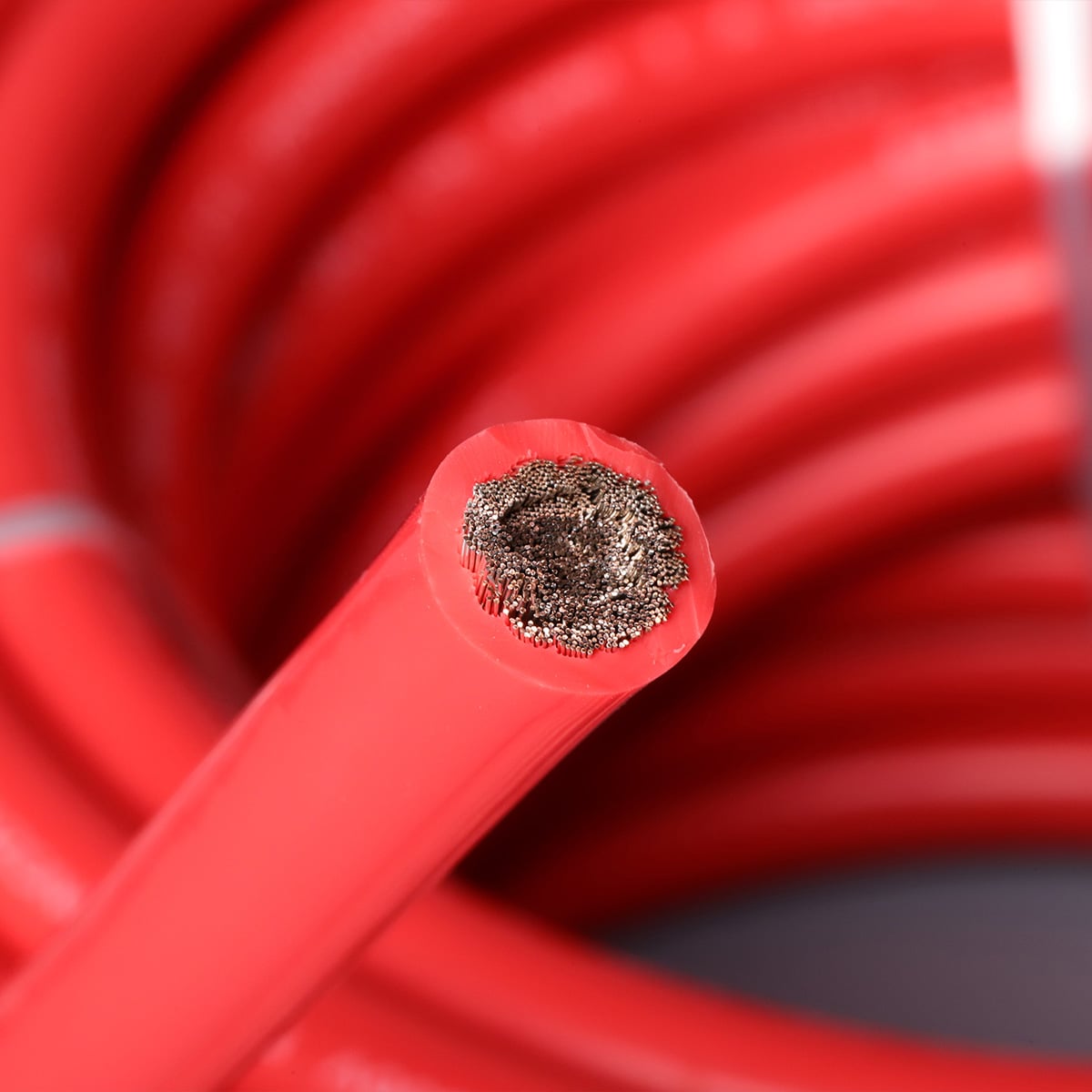
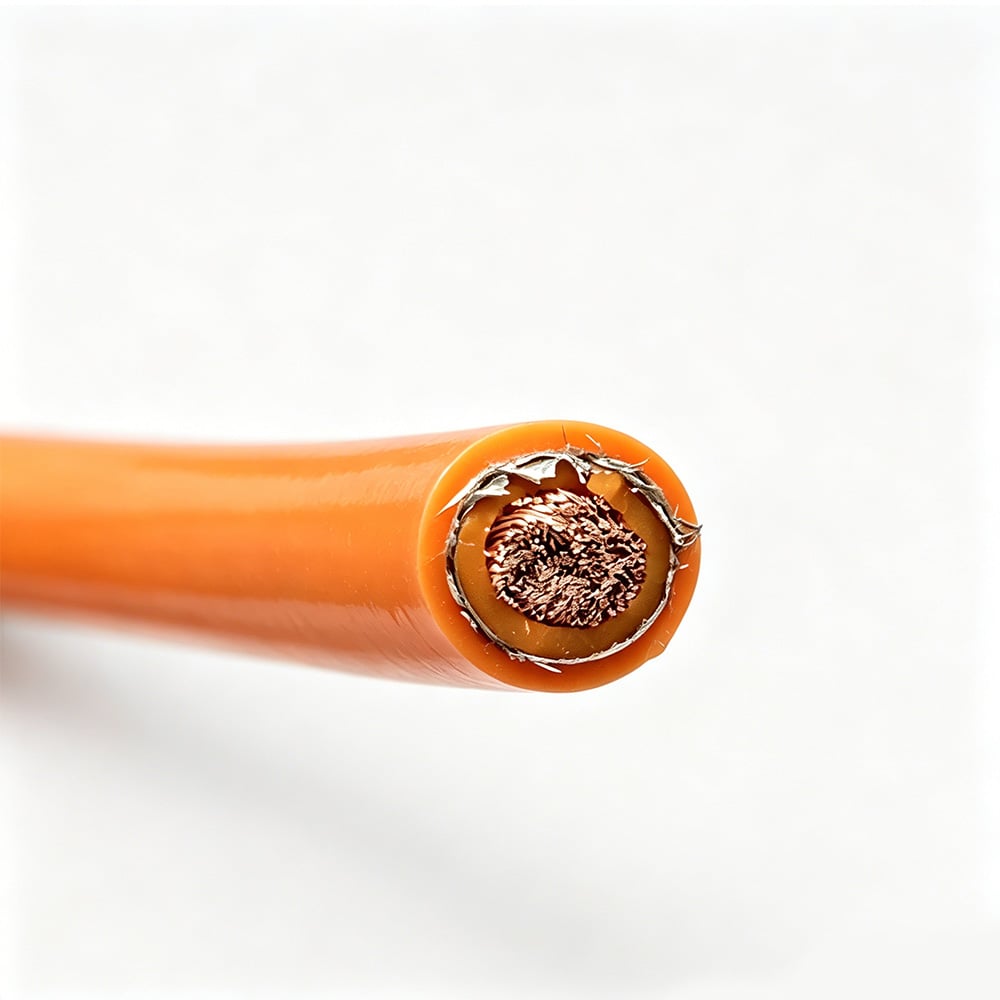
Automotive wire cable typically consists of copper or aluminum conductors, with copper being the preferred choice due to superior electrical conductivity and durability. The conductor within automotive wire cable carries electrical current from the battery or alternator to various vehicle components, and the gauge of this conductor determines how much current it can safely handle. Automotive wire cable conductors are often stranded rather than solid, allowing the cable to flex and bend within tight engine compartments and vehicle frames without breaking or cracking under mechanical stress.
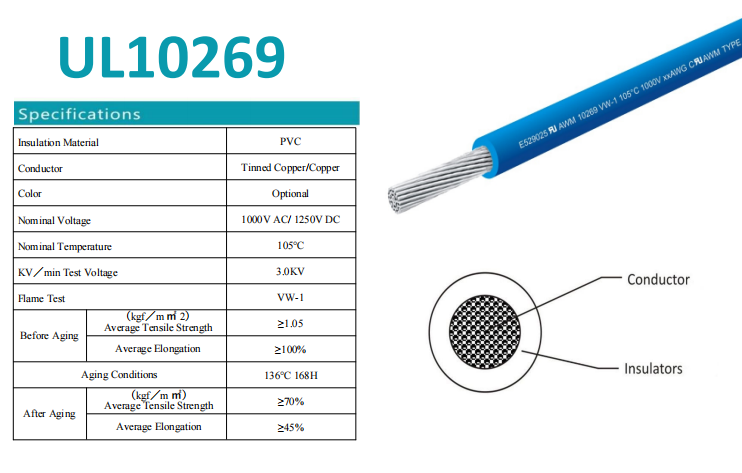
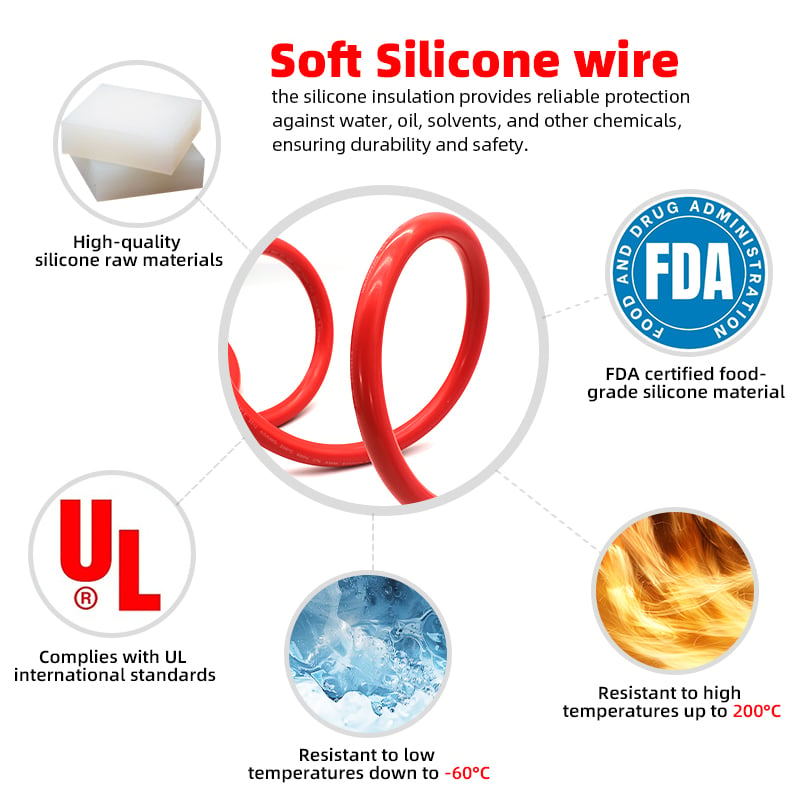
The insulation layer surrounding automotive wire cable conductors protects against moisture, heat, oil, and mechanical damage while maintaining electrical isolation. Modern automotive wire cable insulation uses polyvinyl chloride, cross-linked polyethylene, or specialized thermoplastic materials engineered to withstand temperature extremes from below freezing to over 200 degrees Fahrenheit. High-quality automotive wire cable insulation resists chemical degradation from engine fluids, road salt, and ozone exposure, ensuring long-term reliability in harsh under-hood environments.
Shielding and Multi-Conductor Configurations in Automotive Wire Cable
Many automotive wire cable applications include shielding to minimize electromagnetic interference from engine ignition systems and high-voltage electrical components. Shielded automotive wire cable uses a braided copper or aluminum mesh layer that surrounds signal-carrying conductors, protecting sensitive data signals and analog measurements from noise that could cause sensor misreading or system malfunction. Power automotive wire cable, conversely, focuses primarily on amperage capacity rather than signal protection, using larger gauge conductors to safely carry high currents to starting motors, alternators, and distribution systems.
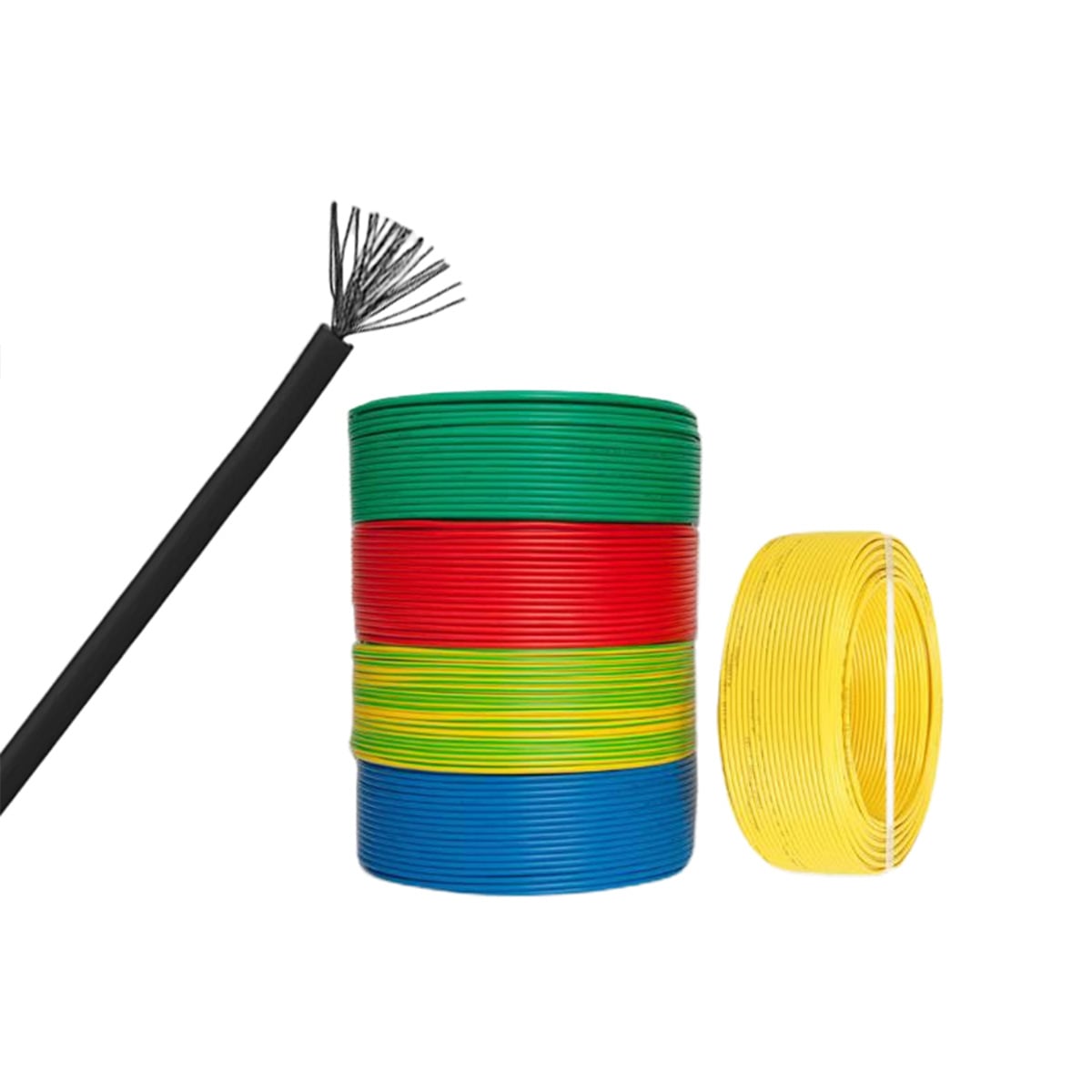
Bundled automotive wire cable brings multiple conductors together into organized harnesses that simplify vehicle assembly and reduce manufacturing complexity. These integrated automotive wire cable harnesses group power lines, ground returns, signal wires, and control circuits into single protected units, secured with heat-shrink tubing, plastic loom, or fabric tape. This modular approach to automotive wire cable organization improves reliability by reducing connection points and improving serviceability when repairs or replacements become necessary.
Critical Functions and Performance Requirements for Automotive Wire Cable
Power Delivery and Electrical Safety in Automotive Wire Cable Systems
The primary function of automotive wire cable is delivering electrical power reliably from the battery to starting systems, ignition systems, lighting, and accessory components. Undersized automotive wire cable cannot carry the required amperage without excessive voltage drop or dangerous heat generation, risking electrical fires and component damage. Properly sized automotive wire cable ensures efficient power delivery, reducing wasted energy and heat while maintaining stable voltage levels across the vehicle's electrical network.
Safety regulations and industry standards for automotive wire cable establish minimum requirements for conductor size, insulation thickness, and temperature ratings based on intended amperage and application. These standards ensure that automotive wire cable selected for a particular circuit will not overheat, melt, or create fire hazards even under fault conditions. Vehicle manufacturers invest considerable engineering effort in automotive wire cable routing, selection, and protection to meet safety certifications and provide long-term reliability in real-world driving conditions.
Signal Integrity and Control System Function in Automotive Wire Cable Applications
Beyond simple power delivery, modern automotive wire cable carries critical control signals between the engine control module, transmission controllers, sensor inputs, and actuator outputs. Signal-grade automotive wire cable must maintain data integrity despite electrical noise from ignition systems, charging systems, and electromagnetic emissions from adjacent components. Poor automotive wire cable connections or degraded insulation can introduce signal noise that causes diagnostic trouble codes, transmission shifting issues, or engine performance problems.
Data-bus automotive wire cable in hybrid and electric vehicles must handle high-frequency communication signals between battery management systems, motor controllers, and charging interfaces. The quality and shielding of automotive wire cable directly impacts the reliability of these sophisticated control systems, which manage power flow, thermal management, and safety interlocks. Failure in automotive wire cable carrying these critical signals can disable entire vehicle systems or trigger safety shutdowns.
Real-World Impact and Selection Considerations for Automotive Wire Cable
Environmental Stress and Durability Factors Affecting Automotive Wire Cable
Automotive wire cable faces continuous mechanical stress from vibration, thermal cycling, and movement as the engine and vehicle body flex during operation. Temperature fluctuations in the engine compartment cause expansion and contraction of automotive wire cable materials, potentially creating micro-cracks in insulation or loose connections over years of service. Road salt and moisture accelerate corrosion of terminals and connectors on automotive wire cable assemblies, reducing conductivity and increasing electrical resistance.
UV exposure, oil immersion, and abrasion from rubbing against sharp edges all contribute to automotive wire cable degradation over a vehicle's service life. Professional installation and routing of automotive wire cable protects against these environmental factors by securing cables away from heat sources, sharp edges, and corrosive environments. Regular inspection of automotive wire cable condition helps identify insulation cracks, loose connections, or terminal corrosion before they cause electrical failures or safety hazards.
Customization and Application-Specific Automotive Wire Cable Design
Different vehicle architectures and specialized applications require customized automotive wire cable solutions tailored to specific amperage, temperature, and physical routing requirements. Off-road vehicles, towing applications, and heavy-duty trucks demand heavier gauge automotive wire cable with enhanced abrasion resistance and weatherproofing. Fleet managers and custom vehicle builders often source specialized automotive wire cable automotive wire cable solutions designed for their specific needs rather than relying solely on original equipment specifications.
Retrofit applications, aftermarket system installation, and emergency repairs all require proper automotive wire cable sizing and protection to maintain vehicle safety and prevent electrical fires. Understanding the original equipment specification for your vehicle's automotive wire cable allows technicians and service facilities to source appropriate replacement materials that meet safety and performance standards. Investing in quality automotive wire cable during repairs and modifications protects both the vehicle and its occupants from electrical hazards.
FAQ
What are the main types of automotive wire cable used in vehicles?
Automotive wire cable divides into power cables, signal cables, and ground return cables. Power automotive wire cable carries high currents from the battery to starting motors and charging systems, requiring heavy gauge conductors and robust insulation. Signal automotive wire cable transmits control information between electronic modules and sensors, often incorporating shielding to protect against electrical noise. Ground automotive wire cable provides return paths for electrical current, requiring secure connections at multiple chassis points to ensure proper circuit completion.
How does automotive wire cable quality impact vehicle reliability?
High-quality automotive wire cable maintains stable electrical connections throughout the vehicle's service life, reducing electrical faults and diagnostic trouble codes that disable vehicle systems. Poor automotive wire cable construction can introduce intermittent electrical failures that frustrate drivers and complicate troubleshooting for service technicians. Investing in proper automotive wire cable specifications and professional installation prevents costly electrical system repairs and improves overall vehicle availability and safety performance.
How should automotive wire cable be protected and maintained?
Automotive wire cable should be inspected regularly for visible damage, corrosion, or loose connections that could compromise electrical safety. Protective routing away from heat sources, sharp edges, and moving components extends automotive wire cable service life significantly. When repairs require automotive wire cable replacement, technicians should use properly sized conductors, secure connectors, and protective loom or heat-shrink tubing that matches original equipment specifications and environmental requirements.